What Should You Not Plant Next to Cucumbers? Tips for a Healthy Garden Companion Planting

Companion planting is a vital strategy for nurturing a flourishing garden, particularly when it comes to cucumbers. While many plants can enhance cucumber growth by providing necessary nutrients or deterring pests, some can have the opposite effect. Knowing which plants to avoid is crucial for maintaining the health of your cucumbers and ensuring a bountiful harvest. This article will explore what should not be planted next to cucumbers, providing tips and insights to help you make informed decisions in your garden design. By understanding these relationships, you can create a harmonious and productive growing environment.
What Should You Not Plant Next to Cucumbers?
Avoid planting cucumbers near certain plants that could impair their growth or lead to pest issues. Among the top contenders are melons, potatoes, and squash. Both melons and cucumbers belong to the same family, which can result in shared disease vulnerabilities, notably powdery mildew. Meanwhile, potatoes can attract pests such as the Colorado potato beetle that may also feast on cucumbers. Furthermore, invasive plants like bitter cucumber can compete for nutrients and space, leading to reduced yields. Therefore, strategic placement in your garden is vital for a thriving cucumber crop.
Companion Planting Basics
Companion planting involves pairing plants that benefit each other, but knowing which plants to avoid is equally important. For cucumbers, certain nightshade family plants, like tomatoes and eggplants, can hinder their growth due to competing nutrient needs or by promoting pests that affect cucumbers. Understanding the dynamics between plants can lead to healthier growth and better yields.
Negative Impact of Potatoes
Potatoes should be avoided near cucumbers as they attract pests such as aphids and Colorado potato beetles, which can also target cucumbers. Furthermore, both crops have similar nutrient requirements, meaning they could stress the soil if grown close together. This competition can result in weaker plants and lower overall productivity in your garden.
Pest Attraction with Melons
Planting melons next to cucumbers is ill-advised due to their shared susceptibility to pests and diseases like powdery mildew. Additionally, growth competition can lead to increased shading, limiting sunlight and airflow for cucumbers, which is essential for their growth. Consequently, it is best to separate these two crops in your garden.
Effects of Squash Proximity
Both squash and cucumbers belong to the Cucurbitaceae family, which means they can suffer from similar diseases and pests. When planted close together, these plants can transmit diseases like bacterial wilt more easily. Additionally, the sprawling vines of both crops can compete for space and resources, leading to lower yields for each.
Table of Plants to Avoid Near Cucumbers
| Plant | Reason for Avoidance |
|---|---|
| Melons | Same family, shared diseases, and pest issues. |
| Potatoes | Attracts pests, similar nutrient needs. |
| Squash | Same family, competition for resources. |
| Tomatoes | Nightshade competition and pest attraction. |
| Bitter Cucumber | Invasive, competes for nutrients and space. |
Why should you not plant cucumbers near tomatoes?
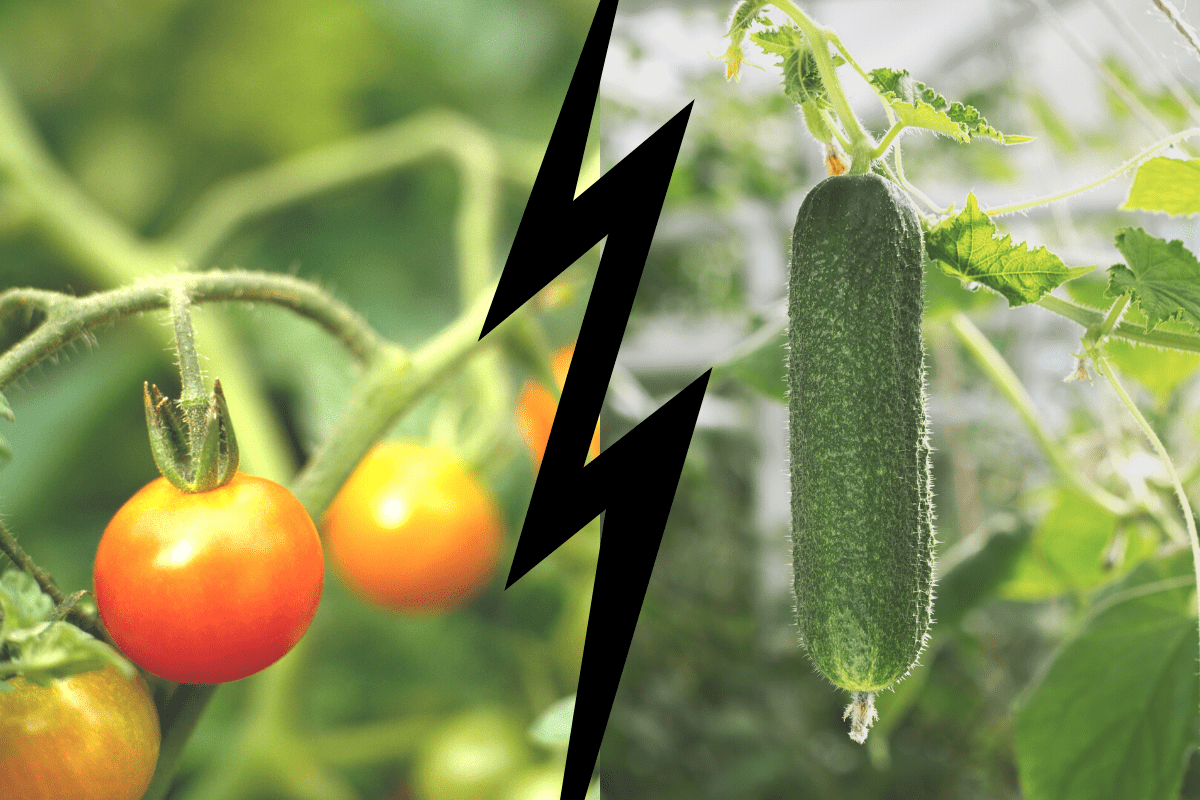
Planting cucumbers near tomatoes can lead to various horticultural issues that may adversely affect the growth and yield of both plants. Here are some reasons why this practice is generally discouraged:
1. Nutrient Competition: Both cucumbers and tomatoes are heavy feeders, requiring a significant amount of nutrients from the soil. When planted in close proximity, they will compete for the same nutrients, potentially leading to deficiencies.
2. Pest Attraction: Cucumbers are prone to certain pests that may also find tomatoes appealing. For example, aphids and cucumber beetles can transfer to tomatoes, causing damage to both vegetables.
3. Disease Transmission: Plants in the same family often share susceptibilities to diseases. Tomatoes and cucumbers both belong to the nightshade family (Solanaceae and Cucurbitaceae, respectively), which can mean that diseases affecting one can easily spread to the other.
4. Reduced Air Circulation: When cucumbers and tomatoes are planted too close together, they can hinder each other's air circulation. This can create a more humid environment, making both plants more susceptible to diseases like powdery mildew.
5. Growth Patterns: Cucumbers like to sprawl and need ample space, while tomatoes often grow tall and upright. Planting them too close can interfere with their growth habits and lead to an overall poorer performance of both.
Nutrient Competition
Nutrient competition is a significant issue when planting cucumbers and tomatoes together. Both plants are considered heavy feeders, necessitating a high intake of essential nutrients. When they grow in proximity, they may deplete the soil of critical nutrients. This can result in:
See also:
- Stunted Growth: Both plants may not reach their full potential due to lack of resources.
- Poor Fruit Quality: The fruits produced may be smaller and less flavorful.
- Increased Fertilizer Needs: Gardeners may find themselves needing to apply more fertilizer, which can lead to further complications in soil health.
Pest Attraction
Cucumber plants can attract several pests that are also known to target tomatoes. This creates a scenario where the presence of cucumbers can draw pests like aphids or cucumber beetles, leading to infestations that affect both crops. The implications include:
- Spread of Pests: Infestations can escalate quickly, making pest control harder.
- Increased Stress on Plants: Infestations can weaken both plants, making them less resilient against diseases.
- Requires Extra Management: More attention is needed to monitor and control pests, increasing the workload for gardeners.
Disease Transmission
The risk of disease transmission is heightened when cucumbers and tomatoes are planted near one another due to their biological similarities. Shared diseases can severely impact crop yield. Some considerations include:
- Common Pathogens: Pathogens affecting one plant could easily infect the other.
- Difficulty in Disease Management: Managing disease outbreaks becomes complicated when two susceptible plants are nearby.
- More Resources Needed: Gardeners may need to invest in more chemicals or organic treatments to protect both plants.
Reduced Air Circulation
Poor air circulation is another consequence of planting cucumbers and tomatoes too closely. Insufficient airflow can create a humid microenvironment conducive to fungal diseases. The issues that arise include:
- Increased Humidity: High humidity levels can promote disease development.
- Fungal Infections: Fungus, such as powdery mildew, may thrive under these conditions.
- Reduced Photosynthesis: Limited airflow can affect light penetration and photosynthesis capabilities.
Growth Patterns
The growth habits of cucumbers and tomatoes differ significantly. Cucumbers tend to sprawl while tomatoes grow vertically. This disparity can create compatibility issues, such as:
- Space Conflicts: Plants may crowd each other, hindering their natural growth patterns.
- Reduced Access to Sunlight: Taller tomato plants may block light from reaching shorter cucumber plants.
- Overall Health Compromise: Conflicting growth habits can lead to the decline of both plant types.
What is not a companion plant for cucumbers?
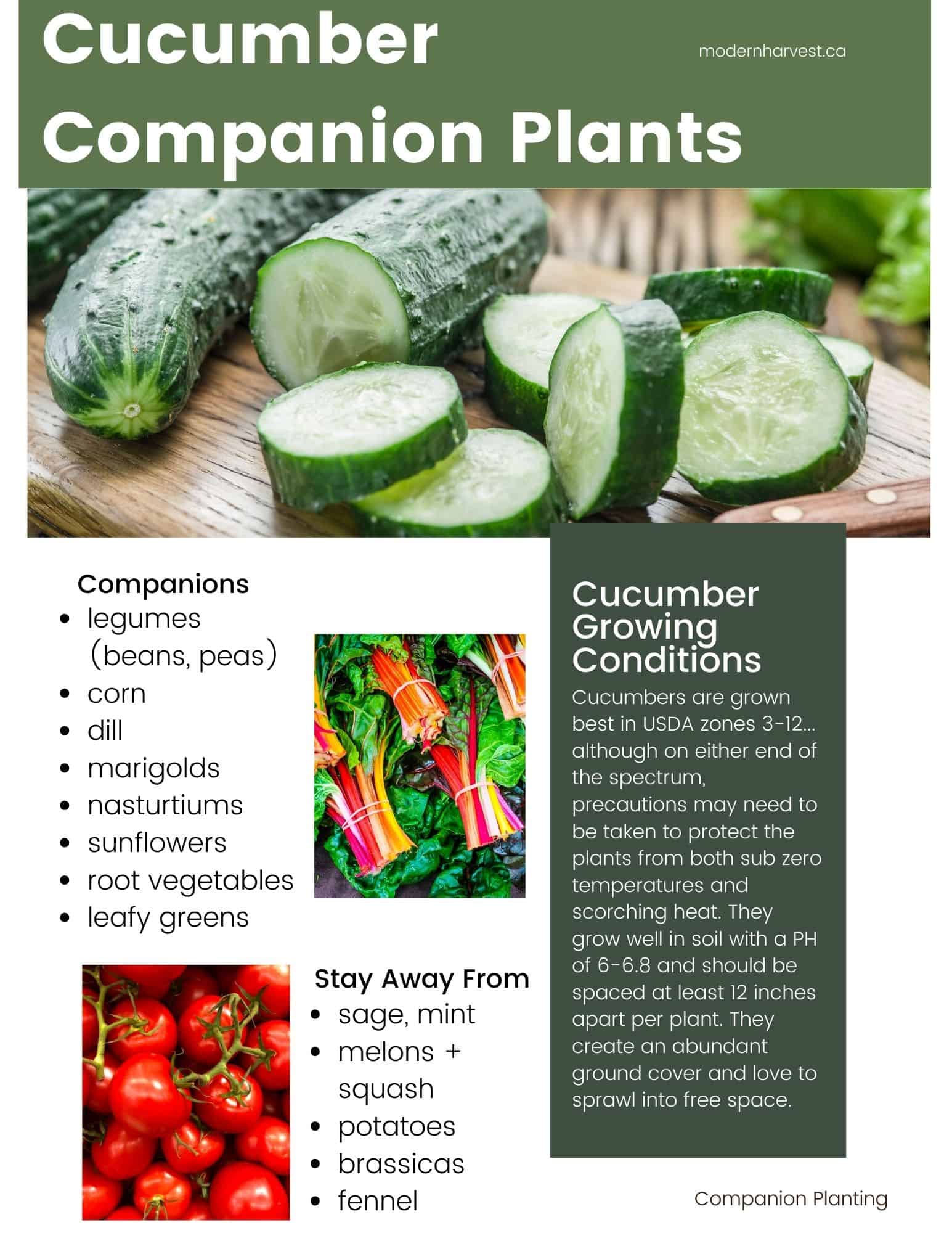
Cucumbers, known for their crisp texture and refreshing taste, thrive best when grown alongside certain plants that enhance their growth and ward off pests. However, it's equally important to identify plants that do not serve well as companions for cucumbers. One such plant is tomatoes. While they might seem compatible due to similar growing conditions, they can actually hinder each other's growth.
Pests Attraction
Cucumbers are susceptible to various pests, and tomatoes can attract pests that may also target cucumbers. This competition for resources can lead to disease proliferation and reduced overall yield.
- Pests like aphids can thrive on tomatoes.
- They can spread diseases such as blight.
- Cucumbers may face infestations if grown near affected tomatoes.
Space and Nutrient Competition
Both cucumbers and tomatoes require significant nutrients and space for optimal growth. When planted together, they compete heavily for both, which can stunt their development.
- Cucumbers can grow extensive vines that may overshadow tomato plants.
- Soil nutrients become depleted more quickly.
- Watering needs may conflict, leading to severe plant stress.
Differing Water Requirements
Cucumbers prefer a consistently moist environment, while tomatoes are more tolerant of drier conditions. This discrepancy can adversely affect both plants when grown together.
- Tomatoes may get root rot if soil is too moist.
- Cucumbers may suffer from drought stress if tomatoes are watered less frequently.
- Establishing a regular watering schedule for both can be challenging.
Disease Susceptibility
Tomatoes can harbor diseases like fusarium wilt, which may spread to cucumbers when planted in proximity, risking the health of both crops.
- Fungal pathogens can transfer between plants.
- A diseased tomato plant can compromise nearby cucumber health.
- Diverse diseases can emerge due to close planting.
Reduced Air Circulation
When cucumbers and tomatoes are grown too closely, it can reduce air circulation around each plant, increasing the risk of fungal diseases.
- High humidity levels can lead to powdery mildew on cucumbers.
- Reduced airflow can cause poor pollination.
- Plant robustness may diminish due to stress factors.
What not to pair with cucumbers?
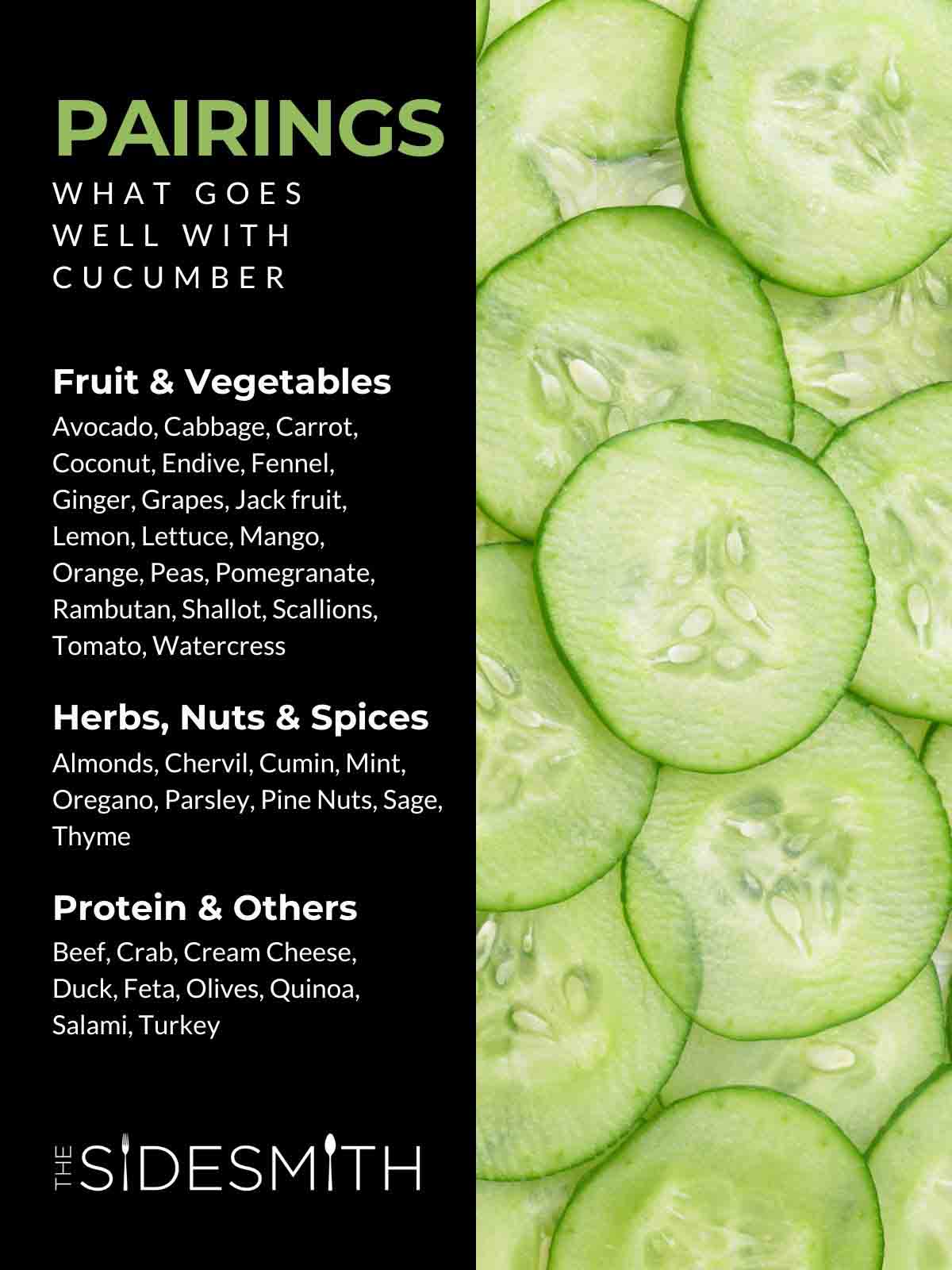
When it comes to food pairing, cucumbers are versatile and refreshing but not compatible with all ingredients. Here are some things you should avoid pairing with cucumbers to maintain optimal flavor and enjoyment.
Strong Spices and Seasonings
Cucumbers have a mild flavor that can easily be overwhelmed by strong spices and seasonings. When paired with ingredients like cayenne pepper or garlic powder, the subtlety of cucumbers is lost. This can lead to an unbalanced dish that does not highlight the refreshing qualities of the cucumber. Consider avoiding these potent flavors:
See also:
- Cayenne pepper
- Garlic powder
- Smoked paprika
Citrus Fruits
Pairing cucumbers with citrus fruits, such as oranges or lemons, can create an oddly astringent taste. The acidity from citrus can clash with the cool, crisp texture of cucumbers. This combination may overpower the dish and lead to an unappealing flavor profile. Some pairs to steer clear from include:
- Oranges
- Lemons
- Limes
Heavy Dairy Products
Cucumbers and heavy dairy products like cream or cheddar cheese can cause an unpleasant disconnect in texture and flavor. The richness of heavy dairy can mask the refreshing qualities of cucumbers, making the dish too heavy. It's better to avoid combinations such as:
- Heavy cream
- Full-fat cheese
- Cream-based dressings
Sweet Ingredients
Cucumbers have a naturally mild taste that does not pair well with overly sweet ingredients. When combined with sugars or sweet sauces, such as honey or maple syrup, the dish can end up tasting disjointed. Here are some sweet items that may not work well:
- Honey
- Maple syrup
- Sweet dressings (e.g., raspberry vinaigrette)
Highly Fermented Foods
Fermented foods like kimchi or sauerkraut can overpower the delicate flavor of cucumbers and create a clash of strong tastes. The bold notes of fermentation can mask the crispness of cucumbers, making for a less-than-ideal pairing. Consider avoiding these items:
- Kimchi
- Sauerkraut
- Fermented sauces (e.g., fish sauce)
Can peppers and cucumbers be planted together?

Yes, peppers and cucumbers can be planted together, as they have complementary growing habits and environmental needs. Both vegetables thrive in similar soil conditions and sunlight requirements, making them suitable companions in a garden. However, it is essential to consider factors like spacing, pests, and nutrient competition to ensure a successful coexistence.
Benefits of Planting Peppers and Cucumbers Together
Planting peppers and cucumbers together offers several benefits. Their compatibility creates a more diverse ecosystem in the garden, fostering healthier plants and pest management.
- Space Efficiency: Growing both in the same area maximizes garden space, allowing for a diverse crop yield.
- Pest Control: Certain pests that affect one plant might not impact the other, helping keep infestations at bay.
- Microclimate Creation: Taller pepper plants provide shade for lower-growing cucumber plants, promoting better growing conditions.
Soil and Nutrient Requirements
Both peppers and cucumbers require well-draining soil rich in organic matter. Ensuring that the soil conditions meet their preferences can promote healthy growth and fruit production.
- Soil pH: Both plants prefer slightly acidic to neutral pH levels (6.0-7.0), which aids in nutrient absorption.
- Nutrient Needs: Peppers require potassium and phosphorus, while cucumbers benefit from nitrogen; using balanced fertilizers is crucial.
- Moisture Levels: Both thrive in moist but not waterlogged conditions, so proper irrigation practices should be implemented.
Spacing Considerations
Proper spacing is vital to prevent overcrowding, which can lead to poor air circulation and limit growth. When planting peppers and cucumbers together, a few guidelines should be followed.
- Planting Distance: Peppers should be spaced approximately 18-24 inches apart, while cucumbers need 12-36 inches, depending on the variety.
- Vertical Growth: Cucumbers can be trained to grow vertically on trellises, saving space and allowing peppers adequate sunlight.
- Row Planting: Consider alternating rows or staggered planting to optimize space and sunlight exposure for both crops.
Pest Management Strategies
While companion planting can offer some pest control advantages, it is essential to have a strategy to combat common pests that may affect either plant.
- Beneficial Insects: Introduce or attract ladybugs and lacewings that can help control aphid populations.
- Companion Planting: Incorporating herbs like basil or marigold can deter pests from both peppers and cucumbers.
- Physical Barriers: Use row covers or insect netting to protect growing plants from pest infestations.
Common Challenges and Solutions
When growing peppers and cucumbers together, gardeners may encounter several challenges that require effective solutions for healthy plant development.
- Nutrient Competition: Monitor and manage nutrient supplies to ensure that both plants obtain what they need without depleting resources.
- Disease Pressure: Look out for diseases such as powdery mildew; proper spacing and air circulation can help mitigate this.
- Water Needs: Ensure consistent watering, as cucumbers usually require more moisture, potentially leading to conflicts in watering schedules.
Questions from Our Readers
What plants should be avoided when planting cucumbers?
Cucumbers should not be planted near potatoes, aromatic herbs like sage, and melons. These plants can compete for nutrients and attract pests that may negatively affect cucumber growth.
Why are certain plants incompatible with cucumbers?
Incompatibility arises due to competition for resources and different pest attractants. Some plants release allelopathic chemicals that can hinder cucumber growth or make them more susceptible to diseases.
What vegetables can be planted alongside cucumbers?
Good companions for cucumbers include corn, beans, and radishes. These plants can help support cucumber growth by providing shade or improving soil health without competing for the same nutrients.
See also:
How can planting cucumbers in the wrong location affect their growth?
Planting cucumbers near unsuitable plants can lead to stunted growth, increased susceptibility to pests, and lower overall yields. Proper plant selection is crucial for ensuring a healthy and productive cucumber crop.

If you want to read more articles like What Should You Not Plant Next to Cucumbers? Tips for a Healthy Garden Companion Planting, we recommend you check out our Garden category.
Leave a Reply
Related Articles