Do Begonias Do Better in Pots or in the Ground? A Comprehensive Guide to Optimal Growing Conditions
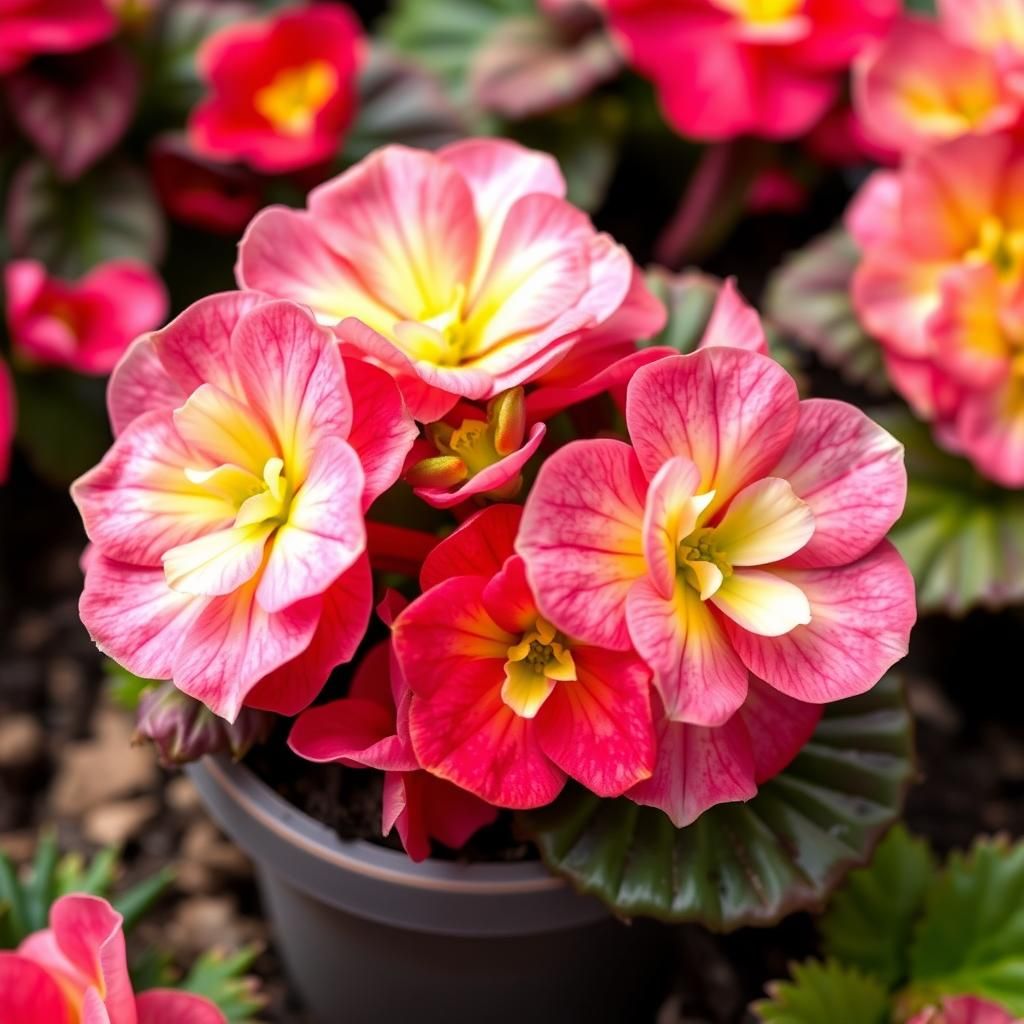
Growing begonias can be a rewarding experience, but determining the best environment for them is crucial for their health and vibrancy. Many gardeners often wonder whether begonias thrive better in pots or directly in the ground. This comprehensive guide will explore the optimal growing conditions for these beautiful plants, taking into account factors like soil type, drainage, and climate. By understanding the unique needs of begonias, you can make informed decisions that will enhance their growth and flowering potential, whether you choose to cultivate them in containers or garden beds. Let's delve into the benefits and challenges of each option.
Do Begonias Thrive Better in Pots or in the Ground?
When considering whether begonias do better in pots or in the ground, it ultimately depends on several factors such as the climate, soil type, and care you can provide. Begonias are known for their vibrant foliage and ability to flourish in various conditions, but they often adapt well when planted in pots, which allow for better drainage and easier mobility to control light exposure. In regions with extreme weather, pot cultivation can offer the flexibility to bring plants indoors or into sheltered areas. However, when planted directly in the ground, begonias can benefit from more consistent moisture levels and can develop robust root systems. Thus, your specific gardening conditions and goals will determine the best choice for your begonias.
Benefits of Growing Begonias in Pots
Growing begonias in pots offers numerous advantages, including superior drainage, flexibility in location, and ease of managing soil conditions. Pots typically prevent root rot by allowing excess water to escape, which is crucial since begonias prefer well-draining soil. Additionally, moving pots to optimize sunlight or to protect from extreme weather can greatly enhance the health of the plant. Container gardening also allows for easier care regimens, as you can control the soil composition and fertilizer application more precisely. This method is particularly beneficial in regions with unpredictable climates.
Advantages of Planting Begonias in the Ground
Planting begonias directly in the ground provides a more stable environment for their growth. The community of soil organisms can promote healthy roots, while the ground can retain moisture levels more consistently than pots, reducing the need for frequent watering. Additionally, established plants in the ground often display increased hardiness and can withstand temperature fluctuations better. For enthusiasts who have the space and proper soil conditions, in-ground planting can lead to lush, abundant displays of foliage and flowers as the plants can grow to their full potential.
Soil Requirements for Begonias
Begonias flourish in well-draining soil that retains some moisture without becoming waterlogged. A balanced mix of potting soil, peat moss, and perlite is ideal, as it ensures sufficient aeration and moisture retention. When grown in pots, the soil mix can be modified for optimal conditions, whereas in-ground plants benefit from the existing soil's structure, provided it has good drainage characteristics. Conducting a soil test before planting can help you determine if any amendments are necessary to support the healthy growth of your begonias.
See also:
Light Requirements for Pot vs Ground Plants
The light exposure for begonias can significantly affect their growth and cosmetic appeal. In pots, you can easily manipulate the light conditions by moving the plants into bright, indirect sunlight or shade as needed. This flexibility can prevent sunburn on the leaves and promotes balanced growth. Conversely, when planted in the ground, finding a suitable location with appropriate light becomes essential, as you may have less control over their sun exposure. While many begonias prefer filtered light, consistent monitoring of their reaction to the sun will guide the best placements in either growing scenario.
Watering Needs for Begonias in Pots vs the Ground
Watering requirements differ between begonias in pots and those planted in the ground. Pots often dry out quicker, necessitating more frequent watering to maintain optimal soil moisture. It's crucial to check the soil moisture regularly to avoid both underwatering and overwatering. On the other hand, begonias in garden beds can benefit from the soil's natural moisture levels, requiring less frequent watering under stable conditions. However, during periods of drought or extreme heat, ground begonias may still require supplemental watering to thrive, emphasizing the need for careful monitoring in both setups.
| Growing Method | Drainage | Mobility | Soil Control | Moisture Retention |
|---|---|---|---|---|
| In Pots | Excellent | High | Easy | Moderate |
| In the Ground | Good | Low | Difficult | High |
Understanding the Ideal Growing Conditions for Begonias
Begonias thrive in a variety of environments, but understanding their specific growing conditions is essential for optimal health. When comparing pots versus ground planting, both options present unique advantages. Pots allow for controlled environments, enabling easier drainage and tailored soil mixes, whereas planting in the ground usually provides more space for roots to develop. Additionally, ground planting can enhance moisture retention, provided the soil is well-aerated. Ultimately, the choice between pots and ground depends on factors such as climate, the specific begonia species, and individual gardening preferences.
Benefits of Growing Begonias in Pots
Growing begonias in pots offers several advantages that enhance their growth potential. The ability to move pots allows growers to adapt to changing weather conditions, providing optimal light exposure or protection from harsh elements. Moreover, pots enable easy drainage, which is crucial for preventing root rot in moisture-sensitive begonias. Container gardening also allows for the use of specialized potting mixes tailored to the unique needs of these plants, leading to healthier and more vibrant blooms.
Advantages of Planting Begonias in the Ground
Planting begonias in the ground can be particularly beneficial for those looking to create a more natural landscape aesthetic. Soil in the ground often has a diverse range of microorganisms that can promote healthier root systems. Additionally, ground-grown begonias typically have access to greater soil depth, allowing for more extensive root growth, which can lead to stronger plants. Ground planting also reduces the need for frequent watering since earth retains more moisture compared to potted setups.
See also:
Soil Requirements for Optimal Begonia Growth
The soil composition is critical for the overall health of begonias, whether planted in pots or directly in the ground. Begonias prefer a well-draining mix rich in organic matter, as they are susceptible to overwatering. A combination of peat moss, perlite, and vermiculite in pots creates an ideal environment that prevents waterlogging. When planting in the ground, amending the soil with organic compost can enhance drainage while retaining necessary moisture, thus providing the best foundation for healthy begonia growth.
Impact of Climate on Begonia Planting Choices
The chosen climate can significantly impact whether begonias fare better in pots or in the ground. In warmer regions, pot cultivation allows for easier temperature management, as pots can be moved to shady areas during extreme heat. Conversely, in cooler environments, planting begonias in the ground may provide insulation against temperature fluctuations, allowing them to thrive through seasonal changes. Understanding local climate conditions and their effect on begonia health is essential for selecting the best planting method.
Pest Management Considerations for Potted vs. Ground Begonias
Pest management can vary significantly between potted and ground-grown begonias. In pots, gardeners have the advantage of inspecting their plants more frequently and can easily apply insecticides or organic treatments at the first sign of a pest problem. However, begonias in the ground may face a higher risk of soil-borne pests that can be harder to control. Regular monitoring and implementing preventive strategies are crucial in both settings to keep these plants healthy and thriving.
Questions from Our Readers
Do begonias do better in pots or in the ground?
Begonias can thrive in both pots and the ground, but their performance often depends on environmental conditions and your gardening style. In pots, they allow for better drainage and easier control over soil quality, making them ideal for beginners. However, when planted in the ground, they may benefit from natural nutrients and space to grow.
What are the advantages of planting begonias in pots?
Planting begonias in pots offers several advantages, including mobility to change their location based on sunlight and temperature needs. Pots also provide better drainage, reducing the risk of root rot. Additionally, using pots can create an attractive display on patios or balconies.
See also:
What are the benefits of growing begonias in the ground?
Growing begonias in the ground can lead to larger plants due to the availability of more nutrients and space for root expansion. The natural soil environment often helps maintain moisture, reducing the need for frequent watering. Furthermore, in-ground begonias can develop a more established ecosystem, benefiting from surrounding plants and wildlife.
Can begonias survive winter in pots?
Begonias are typically sensitive to cold temperatures, and those in pots are at a higher risk of freezing. To help them survive winter, it's essential to bring pots indoors or provide insulation for outdoor pots. If left outside, the roots can suffer from damage due to frost, which may lead to plant loss.
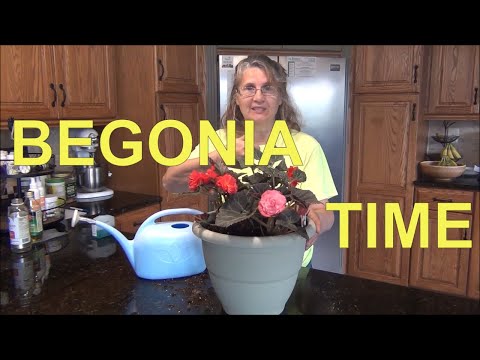
If you want to read more articles like Do Begonias Do Better in Pots or in the Ground? A Comprehensive Guide to Optimal Growing Conditions, we recommend you check out our Plants category.
Leave a Reply
Related Articles