Discover What Outdoor Plants Require the Least Maintenance for a Low-Care Garden
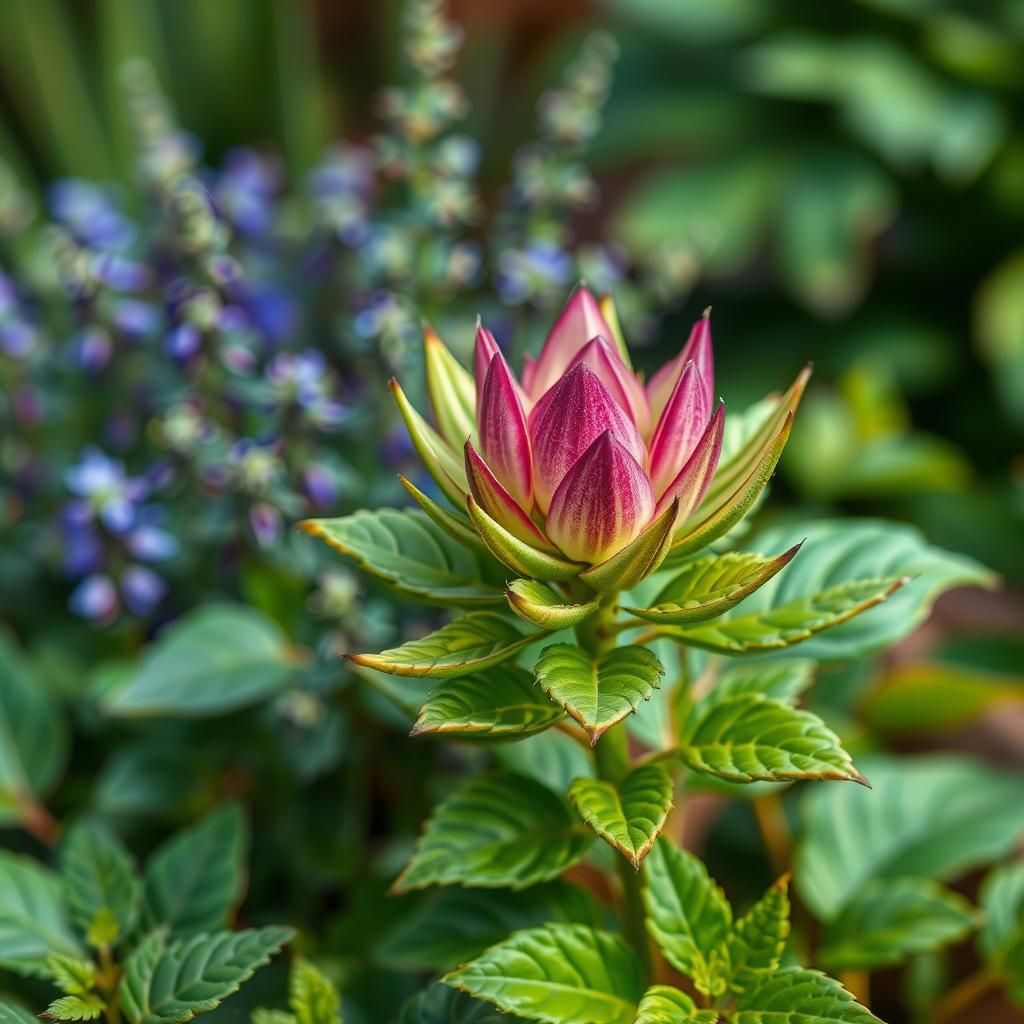
Creating a beautiful garden doesn't have to be a time-consuming endeavor. For those seeking to enjoy the pleasures of gardening without the constant upkeep, selecting low-maintenance outdoor plants is key. This article explores a variety of resilient plants that not only thrive in different climates but also require minimal care. From drought-resistant perennials to hardy shrubs, these selections can bring life to your garden while allowing you more time to relax and enjoy the outdoors. Discover how you can cultivate a stunning, low-care garden that fits seamlessly into your busy lifestyle.
Low-Maintenance Outdoor Plants for Effortless Gardening
When it comes to selecting outdoor plants that require the least maintenance, it is essential to consider hardiness and drought resistance. Some of the best options include sedums, lavender, and ornamental grasses. These plants typically thrive in various soil types and resist pests and diseases, making them ideal for busy gardeners or those who prefer a more relaxed approach to maintaining their outdoor spaces. Moreover, utilizing native plants not only creates a sustainable environment but also reduces the need for watering and fertilizer, enhancing the ecological balance of the garden.
1. Succulents
Succulents, such as agave and hens and chicks, are exceptional choices for low-maintenance outdoor gardens due to their ability to store water in their leaves. They thrive in dry conditions, requiring little to no irrigation once established. These plants are also generally pest-resistant, making them ideal for gardeners who prefer to minimize chemical use.
2. Perennial Flowers
Perennial flowers like black-eyed Susans and coneflowers are not only beautiful but also low-maintenance. They return year after year without the need for replanting, and after their initial establishment, they require minimal watering and care. Additionally, these plants attract pollinators, enhancing the overall biodiversity of your garden.
3. Ornamental Grasses
Ornamental grasses, such as feather reed grass and blue fescue, are ideal for adding texture and movement to the garden with minimal care. These grasses are drought-tolerant and can thrive in various soil conditions, making them versatile choices. Their natural beauty and low water needs make them perfect for sustainable landscaping.
4. Ground Covers
Ground cover plants like creeping thyme and sedum not only beautify the landscape but also suppress weeds, reducing maintenance chores. These plants spread quickly and require little watering, making them excellent for filling in tough spots where traditional grass might struggle to grow.
5. Native Plants
Choosing native plants, such as Echinacea and wild columbine, is an excellent way to create a low-maintenance garden. Native plants are adapted to local climates and soil conditions, which means they typically require less watering and are resilient to local pests. By selecting these plants, gardeners can support local ecosystems while reducing the effort needed to maintain their gardens.
| Plant Type | Water Requirement | Maintenance Level |
|---|---|---|
| Succulents | Low | Very Low |
| Perennial Flowers | Moderate | Low |
| Ornamental Grasses | Low | Very Low |
| Ground Covers | Low | Low |
| Native Plants | Varies | Low |
What is the easiest outdoor plant to maintain?
:max_bytes(150000):strip_icc()/impossible-to-kill-outdoor-plants-1-2000-f513b0574cb04674a1bce40b832b28dd.jpg)
The easiest outdoor plant to maintain is the sedum, commonly known as stonecrop. This succulent is highly adaptable and can thrive in a variety of conditions, making it an excellent choice for both novice and seasoned gardeners. Sedums require minimal watering, as they store water in their leaves, and they can grow in poor soil without much fuss. Additionally, these plants are resistant to pests and diseases, which adds to their appeal for low-maintenance gardening.
Characteristics of Sedum
Sedum plants are characterized by their fleshy leaves and striking flowers, which come in various colors depending on the species. They typically grow in a compact manner, making them suitable for borders or rock gardens. Sedum is drought-resistant, allowing it to flourish even in arid environments, thus requiring less watering than many traditional garden plants.
See also:
- Fleshy Leaves: Store water to survive in dry conditions.
- Variety of Colors: Blooms can range from bright yellow to deep red.
- Compact Growth: Ideal for small spaces and container gardening.
Growing Conditions
Sedum thrives in full sun to partial shade, making it versatile regarding where it can be planted. They prefer well-draining soil because they do not tolerate waterlogged conditions. If planted in heavy or clay soils, adding sand or gravel can improve drainage, allowing the plants to establish their root systems effectively.
- Light Requirements: Optimal growth in full sunlight (6+ hours per day).
- Soil Type: Well-draining soils are best; avoid heavy clay.
- Temperature Tolerance: Hardy in a range of climates, suitable for many regions.
Watering Needs
Sedum requires very little water once established. It's crucial to water deeply but infrequently, allowing the soil to dry out between watering sessions. Overwatering is one of the most common mistakes, as it can lead to root rot. Generally, watering once every couple of weeks during dry spells should suffice, increasing only slightly if planted in containers.
- Infrequent Watering: Only when soil is dry two inches down.
- Deep Watering: Ensures roots grow strong and well-established.
- Container Care: Check more frequently for moisture due to drainage.
Pest and Disease Resistance
One of the significant benefits of sedum is its resistance to pests and diseases, which makes it an attractive option for gardeners looking to minimize maintenance. They are generally unaffected by common pests such as aphids or spider mites. If any pest does occur, they can often be managed naturally without the need for harsh chemicals.
- Pest Resistance: Typically free from common garden pests.
- Natural Control Options: Handpicking or water sprays can manage minor infestations.
- Fungal Issues: Rare in sedum due to their drought tolerance.
Propagation Methods
Sedum can be easily propagated, making it an even more appealing choice for gardeners. The most common propagation methods are leaf cuttings or division. Leaf cuttings can be taken from healthy plants and placed in soil, where they will root and form new plants. Division involves separating established plants into smaller sections, which can then be replanted.
- Leaf Cuttings: Simply remove a healthy leaf and place it in soil.
- Division: Separate the roots of larger plants to create new individuals.
- Timing: Best propagated in spring or early summer for optimal growth.
What plant needs the least amount of care?
:strip_icc()/houseplants-you-cant-kill-Final-180244527c60405fb9668911dab14857.jpg)
The plant that generally needs the least amount of care is the snake plant (Sansevieria). This resilient plant is known for its ability to thrive in a variety of conditions and requires minimal attention, making it a popular choice for both beginners and seasoned gardeners. The snake plant has a unique appearance with tall, architectural leaves that can add a touch of elegance to any space. Below is a detailed exploration of this low-maintenance plant and related aspects.
Benefits of the Snake Plant
The snake plant offers several benefits that make it an excellent choice for anyone looking for a low-maintenance houseplant.
- Air Purification: Snake plants are known to improve indoor air quality by filtering out toxins such as formaldehyde and benzene.
- Adaptability: This plant can tolerate low light conditions, making it perfect for rooms with minimal natural light.
- Water Efficiency: Snake plants require very little water and can survive long periods of drought, thanks to their succulent-like leaves.
Ideal Growing Conditions
Understanding the ideal growing conditions for snake plants is essential for their longevity and health.
- Light: Snake plants thrive in indirect sunlight but can also tolerate low-light environments.
- Temperature: They prefer temperatures between 60°F to 80°F (15°C to 27°C) and should be protected from frost.
- Soil: A well-draining potting mix is crucial; a cactus or succulent mix is ideal.
Watering Requirements
One of the most important aspects of caring for a snake plant is understanding its watering needs.
- Infrequent Watering: Snake plants should be watered every 2-6 weeks, depending on the humidity and temperature of the environment.
- Soil Dryness: Always allow the soil to dry out completely between waterings to prevent root rot.
- Seasonal Adjustments: During the winter months, reduce watering, as the plants enter a dormant phase.
Common Pests and Diseases
While snake plants are quite hardy, they can still be susceptible to certain pests and diseases.
See also:
- Mealybugs: These pests can be removed easily by wiping the leaves with a damp cloth or using insecticidal soap.
- Root Rot: This can occur if the plant is overwatered; ensure proper drainage to avoid this issue.
- Leaf Spot: Prevent leaf spots by avoiding water on the leaves and ensuring good air circulation around the plant.
Propagation Methods
Propagation of snake plants is a simple process, perfect for those wanting to expand their collection.
- Leaf Cuttings: Cut healthy leaves into sections, let them dry for a day, then place them in soil.
- Offsets: Snake plants often produce offshoots, or pups, which can be gently separated and potted.
- Water Propagation: Place leaf cuttings in water until roots develop, then transfer to soil.
What are low maintenance outdoor flowers all year round?
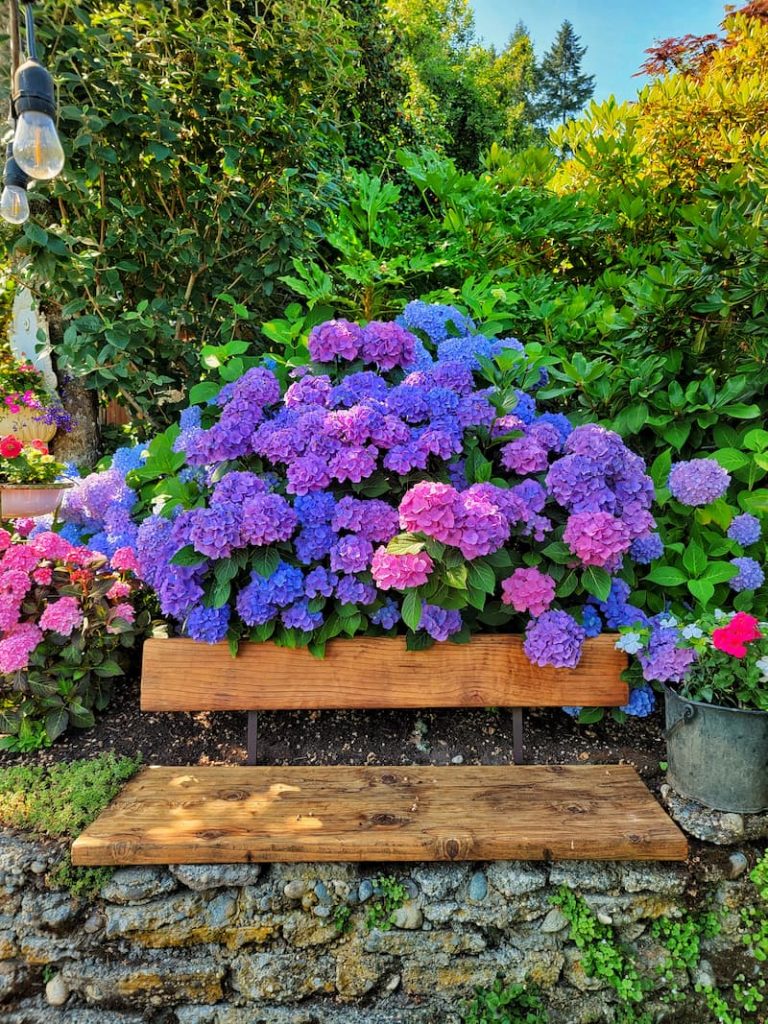
Low maintenance outdoor flowers can greatly enhance the beauty of your garden while requiring minimal care throughout the year. Here are several types of flowers that are known for their low maintenance needs, ensuring that your outdoor space remains vibrant without demanding too much of your time or effort.
Characteristics of Low Maintenance Flowers
Low maintenance outdoor flowers typically share certain characteristics that make them easy to care for. These include:
- Drought Tolerance: Many low maintenance flowers are quite resilient and can thrive in dry conditions without frequent watering.
- Resistant to Pests: These plants often have natural defenses against common garden pests, reducing the need for pesticides.
- Seasonal Blooming: They may have extended blooming periods or repeat blooms, providing color throughout the year without the need for constant replanting.
Perennials for Year-Round Color
Perennial flowers return each year, which makes them an excellent choice for low maintenance gardens. Some popular options include:
- Daylilies: They are hardy and can tolerate various soil types, blooming profusely with little attention needed.
- Sedum: This succulent variety stores water in its leaves and thrives in poor soil, making it exceptionally low maintenance.
- Black-eyed Susans: These bright yellow flowers are drought-resistant and attract pollinators, providing vibrancy with minimal effort.
Annuals That Last Longer
While many annual flowers typically require replanting every year, some can self-seed or have longer blooming periods, allowing them to be low maintenance. Consider:
- Zinnias: They are robust, flowering from summer to fall and self-seeding readily for the following year.
- Marigolds: Known for their pest-repelling properties, marigolds bloom continuously and require little watering.
- Cosmos: With their airy flowers, cosmos thrive in poor soil and can withstand drought, providing a splash of color all summer long.
Ground Cover Flowers
Ground cover flowers are an excellent way to keep your garden looking lush while reducing the need for maintenance. Examples include:
- Creeping Thyme: This resilient plant forms a thick mat and produces tiny flowers, thriving in rocky or drought-prone areas.
- Ajuga: Known for its stunning foliage and blooms, ajuga grows quickly and helps suppress weeds.
- Vinca Minor: Also known as periwinkle, this evergreen ground cover blooms throughout spring and summer and requires minimal care.
Tips for Establishing Low Maintenance Flower Beds
Creating low maintenance flower beds requires some planning, allowing your garden to flourish with minimal upkeep. Here are effective strategies:
- Choose Native Plants: Selecting flowers native to your area can ensure that they thrive with less water and care.
- Mulching: Applying mulch helps retain soil moisture and suppress weeds, reducing the need for frequent watering and weeding.
- Group Plants Wisely: Plant flowers with similar needs close together to make watering and care easier and more efficient.
Questions from Our Readers
What are some low-maintenance outdoor plants?
Some excellent choices for low-maintenance outdoor plants include suculent varieties, lavender, and ornamental grasses. These plants typically require minimal watering and can thrive in a variety of soil conditions, making them ideal for those who prefer a hands-off approach to gardening.
How often should I water low-maintenance plants?
Most low-maintenance plants are designed to withstand periods of drought, so watering once a week or every ten days is often sufficient. However, factors such as climate, soil type, and sun exposure may influence the exact frequency needed.
See also:
Do low-maintenance plants attract pests?
While low-maintenance plants can attract some pests, many are more resistant to infestations due to their hardy nature. Choosing plants like marigolds and rosemary can actually help deter common garden pests, further minimizing maintenance needs.
Can I use low-maintenance plants for landscaping?
Absolutely! Low-maintenance plants are perfect for landscaping as they provide color and texture with minimal effort. Utilizing native plants and drought-resistant varieties can create a sustainable and visually appealing landscape without the need for constant care.

If you want to read more articles like Discover What Outdoor Plants Require the Least Maintenance for a Low-Care Garden, we recommend you check out our Garden category.
Leave a Reply
Related Articles