What is an All Natural Fungicide? Discover Its Benefits and Uses

In the quest for healthier gardening and farming practices, all-natural fungicides have emerged as an essential tool for managing plant diseases. Unlike synthetic alternatives, these organic solutions harness the power of naturally occurring substances to combat fungal infections effectively. This article explores the concept of all-natural fungicides, highlighting their benefits, applications, and the various ingredients that contribute to their efficacy. As awareness of environmental sustainability grows, understanding these eco-friendly options becomes crucial for anyone looking to enhance plant health while minimizing chemical exposure. Join us as we delve into the world of all-natural fungicides and their role in modern agriculture.
What is an All Natural Fungicide?
An all natural fungicide is a type of agricultural product made from naturally occurring substances designed to suppress or eliminate fungal pathogens that can harm plants. Unlike synthetic fungicides, which can contain harsh chemicals, all natural fungicides utilize ingredients derived from plants, minerals, or microorganisms, making them more environmentally friendly and safer for use in organic farming. These products work by either inhibiting the growth of fungi or boosting the plant's own defenses against diseases, thus providing a sustainable solution for managing fungal infections in crops.
Types of All Natural Fungicides
There are several types of all natural fungicides available, each with unique properties and modes of action. Some common examples include textit>bicarbonates, which create an alkaline environment detrimental to fungal spores, and extracts from plants like neem or garlic, known for their antifungal properties. Additionally, bacterial or fungal biopesticides utilize beneficial microbes that outcompete harmful pathogens in the soil or on plant surfaces. Each type offers varying levels of effectiveness depending on the specific fungi and environmental conditions.
Benefits of Using All Natural Fungicides
Using all natural fungicides offers several benefits compared to conventional options. They are typically less toxic to humans, pets, and beneficial insects, making them an attractive choice for home gardeners and organic farmers. Furthermore, they contribute to the sustainability of agricultural practices by reducing reliance on synthetic chemicals, thereby promoting healthier ecosystems. Many all natural fungicides also enhance soil health and plant resilience, leading to improved overall crop production.
Application Methods
All natural fungicides can be applied using various methods depending on the product formulation and the target disease. Common application methods include spraying directly onto the affected plants, drenching the soil to protect roots, or integrating them into composts to enhance their effectiveness. It is essential to follow the manufacturer's guidelines regarding the dosage and timing for application to achieve optimal results and minimize any potential harm to desirable plants.
Common Ingredients in All Natural Fungicides
Many all natural fungicides contain ingredients that are well-known for their antifungal properties. Some popular components include copper compounds, sulfur, and various plant extracts such as textit>chili and rosemary. Each ingredient contributes to the overall efficacy of the product in combating specific fungal diseases. Additionally, bio-based products often incorporate surfactants derived from nature to enhance the spread and adherence of the fungicide on plant surfaces.
Considerations for Use
When using all natural fungicides, several considerations should be taken into account to maximize their effectiveness. Environmental conditions such as humidity and temperature can significantly influence fungal growth, and subsequently, the action of the fungicide. Proper application timing is critical; it's important to treat plants before symptoms appear or at the first sign of infection. Additionally, understanding the specific fungi being targeted can help in selecting the most appropriate all natural fungicide for effective disease management.
| Type of Fungicide | Active Ingredient | Mode of Action |
|---|---|---|
| Plant Extracts | Neem Oil | Antifungal properties |
| Bicarbonates | Baking Soda | Alkaline environment |
| Bacterial Biopesticides | Bacillus subtilis | Competes with pathogens |
| Mineral-based | Copper Sulfate | Fungicidal activity |
| Essential Oils | Thyme Oil | Antimicrobial properties |
What is the most effective natural fungicide?
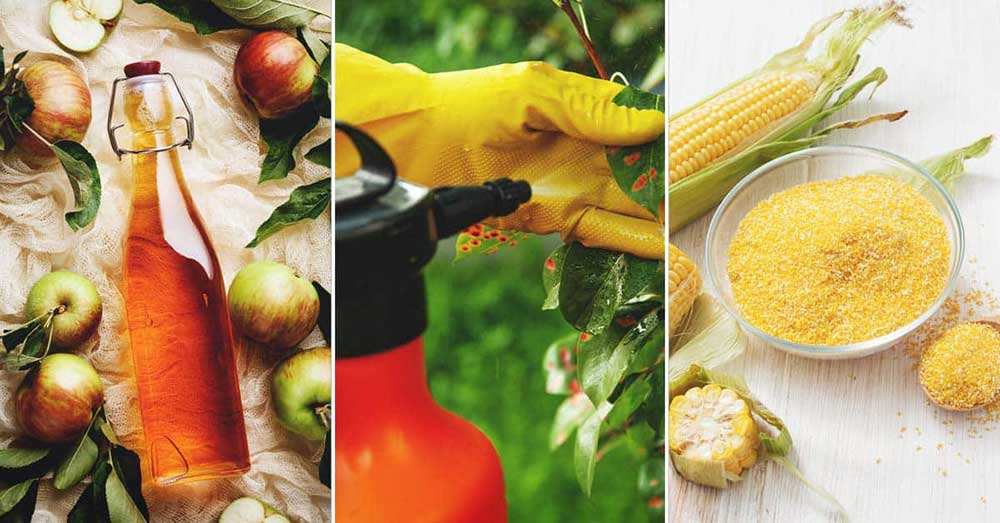
The most effective natural fungicide is Neem oil, derived from the seeds of the Neem tree (Azadirachta indica). Neem oil has been widely recognized for its antifungal properties as it contains compounds like azadirachtin, which not only repel pests but also impede the growth of fungal pathogens. Its effectiveness is attributed to its ability to disrupt the reproductive cycle of fungi and its low toxicity to beneficial insects, making it a preferred choice for organic gardening.
Understanding Neem Oil
Neem oil is extracted from the fruits and seeds of the Neem tree, found primarily in India and other parts of South Asia. It is an environmentally friendly option because it is biodegradable and does not accumulate in the ecosystem. Neem oil can be used to treat various fungal infections, including powdery mildew, downy mildew, and leaf spot diseases.
See also:
- Eco-Friendly: Neem oil is safe for the environment and non-toxic to humans and animals.
- Versatile Application: It can be applied as a foliar spray, soil drench, or added to other fungicides.
- Broad Spectrum: It works against a wide range of fungal pathogens and some insect pests.
How to Use Neem Oil
Using neem oil effectively requires proper formulation and application methods. It is generally diluted with water and sometimes a mild soap to enhance its adherence to plant surfaces. The solution should be sprayed on the affected plants in the early morning or late afternoon to prevent leaf burn from sunlight.
- Dilution Ratio: Typically, mix 2 tablespoons of neem oil in 1 gallon of water.
- Add Surfactant: Include a few drops of dish soap to help the mixture stick to plants.
- Timing: Apply every 7-14 days, especially after rain or heavy watering.
Other Natural Alternatives
In addition to neem oil, several other natural fungicides are effective in managing fungal issues. These alternatives can be used alone or in combination to enhance their efficacy against various fungal diseases.
- Baking Soda: A common household ingredient that can alter the pH of leaf surfaces to inhibit fungal growth.
- Garlic Spray: Contains natural antifungal properties due to compounds like allicin.
- Cinnamon: Has antimicrobial properties that can help prevent fungal infections when sprinkled on soil or mixed in water.
Benefits of Natural Fungicides
Natural fungicides such as neem oil not only combat fungal infections but also offer additional benefits that synthetic chemicals often do not provide. They promote a healthier ecosystem in the garden and are safer for pets and wildlife.
- Safer for Beneficial Organisms: They pose less risk to pollinators and beneficial insects.
- Healthier Soil: Natural fungicides do not disrupt the soil microbial community.
- Sustainable Practices: They align with organic gardening principles, promoting environmental sustainability.
Precautions When Using Neem Oil
While neem oil is considered safe, users should take certain precautions to ensure its effectiveness and prevent phytotoxicity on sensitive plants. These precautions help in maximizing the benefits while minimizing any potential risks.
- Test on a Small Area: Always conduct a patch test on a small leaf area before full application.
- Avoid Direct Sunlight: Do not spray during peak sunlight hours to prevent leaf burn.
- Store Properly: Keep neem oil in a cool, dark place to maintain its potency.
What is the best natural fungus killer?

The best natural fungus killer is Neem oil. Derived from the seeds of the neem tree (Azadirachta indica), neem oil has antifungal properties that effectively combat a variety of fungal infections in plants and humans. Its active compounds, particularly azadirachtin, disrupt the growth and reproduction of fungi, making it a powerful tool for preventing and treating fungal diseases naturally. Neem oil can be used in gardens, on indoor plants, and even on the skin to address fungal infections.
How Neem Oil Works
Neem oil works by interfering with the life cycle of fungi. The active ingredients in neem oil inhibit the growth of fungal spores and mycelium, preventing them from spreading. This dual action not only treats existing fungal infections but also protects plants from future outbreaks.
- Disruption of Fungal Growth: Neem oil alters the developmental processes of fungi, rendering them unable to grow and reproduce effectively.
- Systemic Action: It can be absorbed by plants, providing internal protection beyond just a surface application.
- Broad-Spectrum Efficacy: Neem oil is effective against a wide range of fungi, making it versatile for various applications.
Application Method for Neem Oil
To use neem oil effectively, it should be diluted in water and mixed with an emulsifier, such as liquid soap. This helps the oil combine with water and facilitates better absorption by plants.
- Preparation: Mix 2 tablespoons of neem oil and 1 tablespoon of liquid soap in a gallon of water.
- Application: Spray the solution on affected plants, ensuring all surfaces are covered.
- Frequency: Repeat the application every 7-14 days, especially during humid conditions that promote fungal growth.
Other Natural Fungus Killers
Aside from neem oil, there are several other natural fungicides that can be used effectively. Each has unique properties and mechanisms that can help fight fungal infections.
- Baking Soda: Sodium bicarbonate can raise the pH level on plant surfaces, making it less hospitable for fungi.
- Apple Cider Vinegar: Its acidic nature helps kill fungal spores and can be diluted and sprayed onto affected areas.
- Garlic Extract: The antifungal properties of garlic can help fight fungal infections when diluted and applied to plants.
Benefits of Using Natural Fungus Killers
Using natural fungus killers offers several benefits compared to chemical fungicides. They are typically safer for the environment and non-toxic to beneficial insects.
See also:
- Environmental Safety: Natural fungicides minimize chemical runoff and pollution.
- Non-Toxic: They are generally safer for pets and humans compared to synthetic alternatives.
- Soil Health: They nurture beneficial microorganisms in the soil, enhancing overall soil health.
Limitations of Natural Fungus Killers
While natural fungus killers have their advantages, they also come with certain limitations that should be considered for effective pest control.
- Slow Action: Natural solutions may take longer to show results compared to chemical fungicides.
- Concentration Variability: The efficacy can vary based on concentration and application method.
- Limited Spectrum: Some natural fungicides may not be effective against all types of fungal pathogens.
Does vinegar get rid of plant fungus?
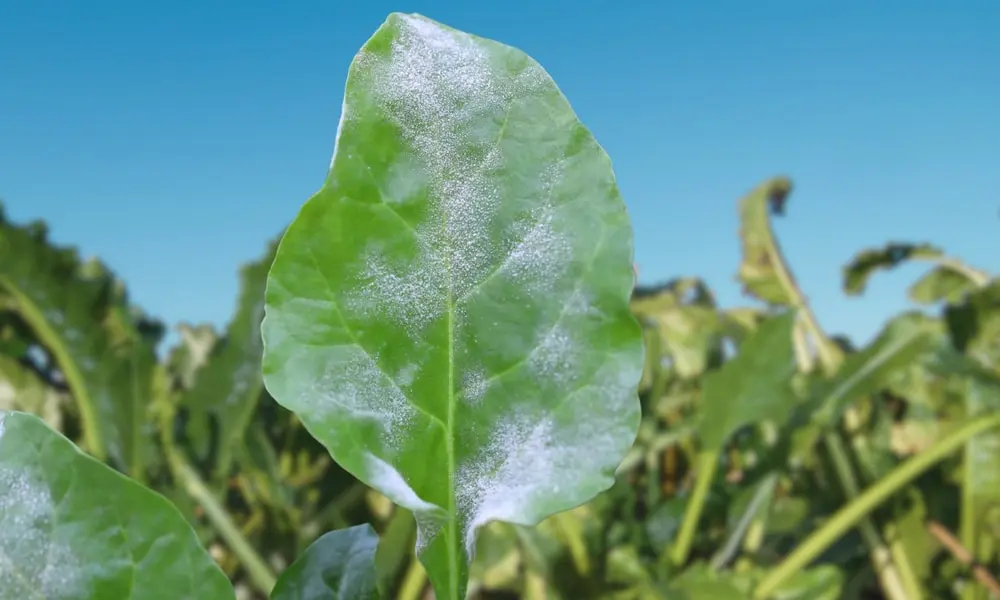
Vinegar can be an effective solution for managing plant fungus, particularly due to its acidic properties. While it may not be a complete cure for all types of fungus, it can help in inhibiting fungal growth and providing a temporary remedy for minor infections. The active ingredient in vinegar, acetic acid, works to lower the pH of the area it is applied to, creating an environment that is less hospitable for many fungal pathogens. However, it is important to use vinegar carefully and in diluted forms to avoid damaging the plants.
How to Use Vinegar Against Plant Fungus
Using vinegar requires careful application to maximize its antifungal properties while protecting plants. Here are some steps to consider:
- Dilution is Key: Always dilute vinegar with water. A common ratio is 1 part vinegar to 4 parts water.
- Spot Treatment: Apply the solution to affected areas using a spray bottle, ensuring targeted treatment.
- Monitor Plant Response: After application, observe plants for any adverse reactions or improvement in fungal symptoms.
Types of Vinegar Effective Against Fungal Infections
Not all vinegar is created equal when it comes to treating plant fungus. Different types of vinegar have varying concentrations of acetic acid:
- White Vinegar: Common and affordable, contains about 5-7% acetic acid, typically effective for mild fungus.
- Apple Cider Vinegar: Slightly more expensive, with natural ingredients that may provide additional benefits for plant health.
- Balsamic Vinegar: Generally not recommended, as its sugars can promote further fungal growth.
Limitations of Using Vinegar for Fungal Control
While vinegar can help, there are limitations to its effectiveness:
- Not All Fungi are Susceptible: Some types of fungus may not be affected by vinegar and may require more robust treatments.
- Potential Plant Damage: High concentrations or improper application can injure plants, particularly sensitive species.
- Temporary Solution: Vinegar treatment might not eliminate the root cause of the fungal infection and may only provide temporary relief.
Complementary Treatments for Fungal Infections
Using vinegar alone may not be sufficient; therefore, it is beneficial to combine it with other methods:
- Improve Air Circulation: Ensure proper spacing between plants to reduce humidity around them, which promotes fungal growth.
- Remove Affected Leaves: Regularly inspect and remove any leaves showing signs of fungal infestations to prevent spread.
- Utilize Organic Fungicides: Consider commercial organic fungicides as part of integrated pest management strategies.
Preventive Measures Against Plant Fungus
Preventing fungal infections is often more effective than treating them. Here are some strategies:
- Proper Watering Techniques: Water plants in the morning to allow time for drying throughout the day, reducing moisture lingering on leaves.
- Use Well-Draining Soil: Ensure soil has good drainage to prevent waterlogged conditions that favor fungal growth.
- Maintain Clean Garden Practices: Regularly clear debris and fallen leaves, as they can harbor fungal spores.
Questions from Our Readers
What is an all natural fungicide?
An all natural fungicide is a type of product that controls fungal diseases in plants using natural ingredients rather than synthetic chemicals. These fungicides are made from plant extracts, minerals, or beneficial microorganisms, making them a safer and more environmentally friendly option for gardening and agriculture.
How does an all natural fungicide work?
An all natural fungicide works by targeting the specific fungi that cause plant diseases, either by inhibiting their growth or by preventing them from attaching to plant surfaces. These products often enhance the plant's immune system and promote healthy growth, minimizing the risk of infection.
See also:
Are all natural fungicides safe to use around pets and humans?
Yes, all natural fungicides are generally considered safe for use around pets and humans since they are made from non-toxic ingredients. However, it's always recommended to read labels and follow instructions to ensure safety and effectiveness while applying any gardening product.
Where can I buy all natural fungicides?
You can buy all natural fungicides at various locations, including local garden centers, online retailers, and organic farming supply stores. It's important to look for products that are labeled as organic or derived from natural sources to ensure you are getting a genuine all-natural option.

If you want to read more articles like What is an All Natural Fungicide? Discover Its Benefits and Uses, we recommend you check out our Garden category.
Leave a Reply
Related Articles