What Animals Do Garlic Keep Away? Discover the Best Natural Repellents for Your Garden

Garlic is a popular natural remedy that offers numerous benefits for garden enthusiasts. Not only does it enhance the flavor of culinary dishes, but it also acts as an effective repellent against various pests and animals that can wreak havoc on your plants. In this article, we will explore which animals are deterred by garlic, ranging from common garden pests to larger wildlife. Additionally, we will provide insights into the best natural repellents, ensuring your garden remains flourishing and protected. Discover the power of garlic and other eco-friendly solutions to maintain a healthy, vibrant garden environment.
What Animals Does Garlic Keep Away?
Garlic is not only a popular culinary ingredient but also known for its pest-repellent properties. The strong scent of garlic is particularly effective in repelling various animals that might otherwise harm gardens or crops. Animals such as mosquitoes, ticks, and rabbits tend to avoid areas treated with garlic, as they are sensitive to its pungent aroma. Additionally, it can deter larger animals like deer and mice, helping to protect plants and manage pest populations more effectively.
Garlic and Insects
Garlic has been widely recognized for its effectiveness against insects, particularly those that can harm crops. The active compounds in garlic, such as allicin, emit a smell that is unappealing to many pests like mosquitoes and aphids. This not only helps keep the insects away but can also contribute to a healthier garden environment, as it reduces the reliance on chemical pesticides.
Garlic as a Repellent for Rodents
Rodents, such as mice and rats, are commonly deterred by the strong scent of garlic. When garlic is used in areas prone to rodent activity, it can create an uninviting atmosphere for these pests. Many people use garlic powder or garlic-infused oils as a natural way to prevent rodent infestations, given that rodents have a keen sense of smell and are likely to steer clear of the odor.
Garlic's Effect on Larger Animals
Larger animals, including deer and rabbits, may also be repelled by garlic. These animals tend to avoid plants that have been treated with garlic as the compound's taste and smell can be highly off-putting. Gardeners often use garlic sprays or plant garlic around sensitive plants to create a barrier that discourages these herbivores from feasting on their crops.
Natural Pest Control
Utilizing garlic for natural pest control can be an effective strategy for maintaining a healthy garden. It serves as a biodegradable and environmentally friendly alternative to synthetic pesticides. By attracting beneficial insects and repelling harmful ones simultaneously, garlic can enhance biodiversity while keeping unwanted pests at bay.
Application Methods for Garlic Repellents
There are several methods to apply garlic as a repellent in gardens. Key techniques include making garlic sprays, using garlic powder, or planting garlic around the perimeter of the garden as a deterrent. Each method can be tailored to specific needs and types of animals being targeted, ensuring effective pest management throughout the growing season.
| Animal | Garlic's Effect |
|---|---|
| Mosquitoes | Repelled by scent |
| Aphids | Avoids treated plants |
| Mice | Creates uninviting atmosphere |
| Deer | Avoids garlic-treated areas |
| Rabbits | Discouraged by taste and smell |
What animals are repelled by garlic?
Garlic has long been recognized not only as a culinary ingredient but also as a natural deterrent for various pests and animals. Its strong aroma is particularly effective in repelling certain species due to the presence of sulfur compounds, which are released when the garlic is crushed or chopped. Here are some animals that are commonly repelled by garlic:
Rodents
Rodents, such as mice and rats, are often deterred by the strong smell of garlic. The odor can overwhelm their sensitive noses, making them avoid areas where garlic is present. Using garlic in gardens or around homes can help keep these pests at bay.
- Garlic is used in various commercial products aimed at rodent control.
- Applying crushed garlic in holes or entrances can serve as a natural barrier.
- Some people create garlic sprays to further enhance protection against rodents.
Insects
Several types of insects, including ants, mosquitoes, and certain types of beetles, are also repelled by garlic. Many garden enthusiasts use garlic-based repellents to protect their plants.
- Garlic oil can be mixed with water to create an effective spray for insect protection.
- Insects tend to avoid garlic because it disrupts their ability to detect food sources.
- This method is a non-toxic alternative to chemical insecticides.
Deer
Deer are known to be sensitive to strong odors, including that of garlic. Gardeners often use garlic to deter deer from nibbling on decorative plants and vegetables.
- Garlic can be applied directly to plants or used in fencing as a deterrent method.
- The pungent smell can confuse deer, making them less likely to approach gardens.
- Using garlic as a repellent can protect plants without harming wildlife.
Slugs and Snails
Slugs and snails are often attracted to gardens, but they are repelled by garlic. Its toxic properties can deter these pests from feasting on your plants.
- Crushed garlic can be sprinkled around the garden as a natural barrier.
- Garlic-infused water can be sprayed directly onto plants to prevent these creatures.
- This method is a way to manage garden pests without the use of harsh chemicals.
Other Wildlife
Certain other wildlife, including foxes and raccoons, may also be deterred by the smell of garlic. It acts as a natural repellent that can keep these animals from invading your yard or garden.
See also:
- Garlic can be planted around the perimeter of gardens as a protective measure.
- Using garlic in areas where these animals are prevalent can minimize the chances of encounters.
- It contributes to an overall approach to pest management that favors natural methods over chemicals.
What animal puts off a garlic smell?
The animal that is known to emit a garlic smell is the skunk. Skunks possess a pair of glands located near their anus, which produce a pungent secretion. This secretion contains sulfur compounds, which are responsible for the characteristic odor reminiscent of garlic. When threatened, skunks can spray this liquid as a defense mechanism, creating a strong and unpleasant aroma that can linger in the environment for an extended period.
Biological Mechanism Behind the Smell
The garlic-like odor produced by skunks arises from a mixture of chemicals, primarily thiols, which are sulfur-containing compounds. These responsible components interact with the olfactory receptors in mammals, causing a strong and unpleasant sensory reaction.
- Skunks have two glands that store the pungent secretion.
- The liquid contains chemicals such as butyl mercaptan and ethyl mercaptan.
- These sulfur compounds are the reason why the smell is so potent and recognizable.
Comparison with Other Odorous Animals
While skunks are famous for their garlic-like smell, several other animals also emit strong odors for various reasons. For example, some species of weasels and ferrets can produce a musky scent, but none mimic the intensity and specific aroma of skunk spray.
- Weasels can produce a musky odor to mark territory.
- Ferrets release a strong smell from their skin glands.
- However, none produce the garlic scent characteristic of skunks.
Environmental Impact of Skunk Spray
The garlic smell of skunk spray serves as a defense mechanism, creating a significant impact on surrounding environments. It wards off potential predators and can also influence other species' behaviors in the vicinity.
- Skunk spray can deter larger predators, allowing them to escape.
- The smell can linger, impacting other animals' movements in that area.
- Humans often find the odor repugnant, leading to calls for removal of skunks from urban areas.
Skunks and Their Habitat
Skunks are typically found in a variety of habitats, including woodlands, grasslands, and urban areas. Their ability to adapt to human environments is quite remarkable, often leading to more frequent encounters with people.
- Skunks can thrive in rural and urban settings due to their opportunistic feeding habits.
- Their varied diet includes insects, fruits, and human food waste.
- This adaptability is partially why encounters with humans have increased.
Controlling Skunk Populations
Managing the population of skunks in certain areas can be challenging, particularly because their garlic smell serves as a deterrent to many natural predators. Effective control measures often involve habitat modification and responsible waste management.
- Reduce food sources by securing trash bins and compost.
- Encourage natural predators to maintain the balance in local ecosystems.
- Implement humane traps and relocation methods for overpopulated areas.
What animals cannot eat garlic?
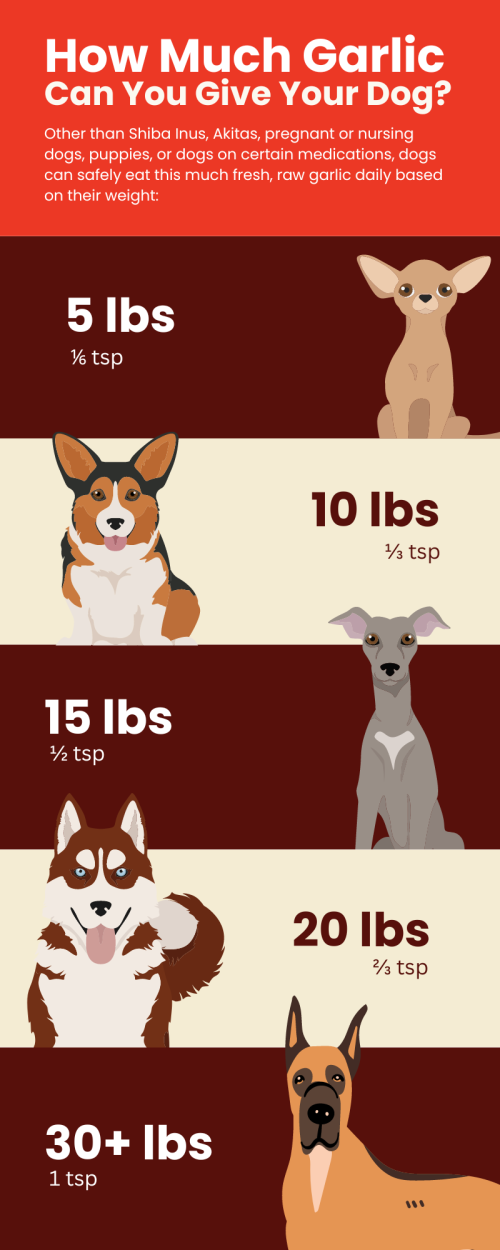
Garlic is a common ingredient in many dishes, but it can be toxic to certain animals. While it is safe for humans, it can lead to various health issues in pets and other animals. Here’s a detailed overview of the animals that should avoid consuming garlic.
Dogs
Garlic is known to be highly toxic to dogs. It contains compounds that can cause oxidative damage to red blood cells, leading to hemolytic anemia. Symptoms of garlic toxicity in dogs may include:
- Vomiting
- Diarrhea
- Weakness or lethargy
It is essential for dog owners to prevent their pets from consuming any foods that contain garlic.
Cats
Cats are even more sensitive to garlic than dogs. They cannot metabolize the compounds in garlic as efficiently, making them more prone to the toxic effects. Intake of garlic can lead to severe health issues, including:
- Potential anemia
- Loss of appetite
- Abdominal pain
If a cat ingests garlic, immediate veterinary attention is crucial.
Rabbits
Rabbits have a delicate digestive system, which can be adversely affected by garlic. Garlic can cause gastrointestinal issues in rabbits, leading to:
See also:
- Gas buildup
- Diarrhea
- Possible blockage
It's advisable to keep garlic away from a rabbit's diet entirely.
Guinea Pigs
Guinea pigs should also avoid garlic due to their highly sensitive digestive system. Ingestion can lead to serious health complications such as:
- Severe upset stomach
- Bloating and discomfort
- Potential toxicity symptoms
For these small pets, a diet free from garlic is highly recommended.
Birds
Certain bird species can experience adverse reactions to garlic. While some birds may tolerate it in very small amounts, it is best avoided altogether to prevent potential issues like:
- Digestive problems
- Weakened immune response
- Toxic reactions depending on species
Bird owners should be cautious and refrain from feeding garlic to their birds.
What does putting garlic around your house do?
:strip_icc()/How-To-Grow-Garlic-Indoors-684751738-abc1b156e35546aea02656bfcea0349b.jpg)
Putting garlic around your house is a practice rooted in folklore and natural pest control. Garlic, known scientifically as Allium sativum, has several properties that are believed to repel certain pests and offer various health benefits. Here are some of the supposed effects of placing garlic around your household.
Repelling Insects
Garlic is often touted as a natural insect repellent. The strong odor of garlic is believed to deter various insects such as mosquitoes, ants, and flies. This is how it works:
- Odor Deterrent: The pungent smell of garlic interferes with the ability of insects to locate food, making your home less attractive to them.
- Natural Pesticide: Garlic contains compounds that can act as natural pesticides by disrupting the life cycle of some insects.
- Environmental Friendly: Unlike many chemical repellents, garlic is non-toxic to humans and pets, making it a safer alternative for pest control.
Spiritual and Cultural Beliefs
In various cultures, garlic is considered to have supernatural properties. Many believe that placing garlic around the house can ward off negative energy or evil spirits. Key aspects include:
- Protective Symbol: Garlic has been historically associated with protection and is often used in rituals to safeguard homes.
- Folklore Associations: In some cultures, garlic is tied to myths that claim it can repel vampires or other malevolent entities.
- Ritual Uses: Some people may place garlic around their homes as part of a ritual to invoke positive energy and drive away negativity.
Health Benefits
Garlic is known for its health benefits, which can also be relevant when placed in the living environment. Consider the following:
- Air Purification: Garlic has antibacterial and antiviral properties, which may help improve indoor air quality when placed around the house.
- Allergy Relief: The compounds found in garlic may aid in reducing some allergic reactions, contributing to a more comfortable indoor environment.
- Immune Boosting: Regular exposure to garlic may enhance immune system functioning, which is beneficial for overall health.
Gardening Benefits
If you have a garden, using garlic can also provide benefits related to pest control. Here are some gardening advantages:
- Companion Planting: Garlic can be planted alongside other plants to naturally repel pests that affect those crops.
- Pest Prevention: Fencing or surrounding your garden with garlic can deter common garden pests, allowing plants to thrive.
- Soil Enrichment: Garlic can enhance soil quality by acting as a natural fungicide, thus promoting healthy plant growth.
Home Fragrance
Though not commonly desired, the scent of garlic can act as a distinctive home fragrance. This aspect includes:
- Unique Aroma: Some people enjoy the savoriness of garlic and may use it intentionally to infuse their home with its aroma.
- Cooking Influence: Placing garlic strategically can remind homeowners of cooking and evoke feelings of warmth associated with food.
- Natural Air Freshener: Although not a traditional air freshener, the natural aroma could serve as a conversation starter in your home.
Questions from Our Readers
What animals does garlic repel?
Garlic is known to be effective in repelling various animals, including rabbits, deer, and some insects. The strong scent of garlic acts as a natural deterrent, making these animals less likely to approach areas where it is present.
How can garlic be used to keep animals away?
To effectively use garlic as a repellent, it can be applied in several forms, such as garlic powder, garlic oil, or by creating a garlic spray. Mixing it with water and spraying around the garden or specific plants can help create a barrier that many animals avoid.
See also:
Is garlic safe for all animals?
While garlic can repel certain animals, it is important to note that garlic is toxic to some pets, particularly cats and dogs. It can cause gastrointestinal issues or more serious health problems if ingested in significant amounts, so caution is advised.
Are there any other benefits of using garlic in gardens?
In addition to repelling animals, garlic has natural pesticide properties that can help protect plants from harmful insects and diseases. Its antifungal and antibacterial qualities make it a useful addition to organic gardening practices.
If you want to read more articles like What Animals Do Garlic Keep Away? Discover the Best Natural Repellents for Your Garden, we recommend you check out our Garden category.
Leave a Reply
Related Articles