Should I Water Cilantro Every Day? Expert Tips for Optimal Growth

Cilantro, a popular herb known for its distinctive flavor and aroma, is often a staple in many kitchens around the world. However, growing healthy cilantro can sometimes be a challenge for home gardeners. One of the most common questions that arise is whether cilantro should be watered every day for optimal growth. In this article, we will explore expert tips and guidelines to help you understand the watering needs of cilantro, ensuring that your plants thrive while avoiding overwatering or underwatering. Discover the balance needed to cultivate this herb successfully and enhance your culinary creations.
Should I Water Cilantro Every Day?
Cilantro requires consistent moisture to thrive, but watering it every day may not always be necessary. The frequency of watering depends on several factors, including the climate, the soil type, and the growing conditions. In hotter climates, daily watering might be needed to keep the soil from drying out, while in cooler regions, watering every few days may suffice. It's essential to monitor the soil moisture; cilantro prefers well-draining soil that remains evenly moist but does not become waterlogged. The best practice is to check the top inch of soil—if it feels dry, it’s time to water.
Factors Influencing Watering Frequency
The frequency of watering cilantro can be influenced by factors such as temperature, sunlight, and humidity levels. During the growing season, especially in the summer, cilantro can dry out quickly, necessitating more frequent watering. On the other hand, in high humidity conditions or cooler temperatures, the soil retains moisture longer, reducing the need for daily watering. Observing the plant's health—such as the leaf color and growth—can also guide watering practices.
Soil Type and Drainage
The type of soil your cilantro is planted in plays a crucial role in how often you should water it. Well-draining soils allow excess water to escape and help prevent root rot, a common issue for cilantro. If the soil retains too much moisture, it can lead to unhealthy plant conditions. Therefore, it is advisable to use a mix that includes organic matter or sand to enhance drainage and promote healthy cilantro growth.
Signs of Overwatering
It's important to recognize the signs of overwatering in cilantro. Yellowing leaves, drooping stems, and an unpleasant odor from the soil can indicate that the roots are suffocating due to excess moisture. Overwatered cilantro is susceptible to diseases such as root rot. Adjusting your watering schedule by allowing the topsoil to dry out slightly before the next watering session can help alleviate these issues.
Signs of Underwatering
Conversely, underwatering is another critical factor to monitor. Cilantro that doesn't receive enough water may have wilted or shriveled leaves and might bolt prematurely. The plant's growth can become stunted, leading to reduced yields. Keeping an eye on the moisture level of the soil and ensuring it remains adequately moist is essential for healthy cilantro production.
Best Watering Practices for Cilantro
To achieve the best results when watering cilantro, aim to water deeply but less frequently. This method encourages the roots to grow deeper into the soil, improving the plant's overall resilience. Using a drip irrigation system or a soaker hose can help maintain consistent moisture levels without the risk of overwatering. Adjust your watering based on current weather conditions and the plant's development stage to ensure optimal growth.
| Condition | Watering Frequency |
|---|---|
| Hot Weather | Every day |
| Cool Weather | Every 2-3 days |
| High Humidity | Every 3-4 days |
| Well-Draining Soil | Every 2-3 days |
| Clayey Soil | Every 5-7 days |
How do you know if cilantro is overwatered?

To determine if your cilantro is overwatered, you can look for several signs that indicate excessive moisture in the soil. Overwatering can lead to root rot and other issues that compromise the health of your plant. Here are some key indicators to recognize when cilantro has been overwatered:
Symptoms of Overwatered Cilantro
One of the first signs of overwatering in cilantro is the appearance of yellowing leaves. This can happen due to the plant's inability to uptake nutrients when its roots are suffocated by too much water. You may also notice that the plant looks wilting, despite the soil being overly moist. Finally, fungal diseases can manifest in the form of mold growing on the soil surface.
- Yellowing leaves
- Wilting despite wet soil
- Mold on the soil surface
Soil Moisture Levels
Checking the moisture content of the soil is crucial to understanding the watering needs of cilantro. You can use your finger to feel the soil about an inch deep; if it feels soggy or waterlogged, it is a clear sign of overwatering. Additionally, you can use a moisture meter for a more precise measurement.
See also:
- Check soil with your finger
- Use a moisture meter
- Look for waterlogged conditions
Root Condition
Examining the roots can provide insight into the plant's health concerning watering. If the roots are brown and mushy instead of white and firm, this could indicate root rot caused by overwatering. Healthy roots should be able to absorb nutrients efficiently; overwatered roots often struggle to do this.
- Inspect roots for discoloration
- Check for firmness
- Look for signs of decay
Cilantro Plant Behavior
The behavior of the cilantro plant can also signal overwatering issues. Overwatered cilantro may exhibit stunted growth and fail to thrive. The leaves may become soft and limp, losing their typical crispness. Furthermore, the plant may develop an unpleasant odor, a result of root rot beginning to set in.
- Watch for stunted growth
- Observe leaf texture and firmness
- Be aware of any foul odors
Preventive Measures
Taking preventive measures can help avoid overwatering your cilantro. Ensure that your pot has adequate drainage by using a container with holes at the bottom. Water the cilantro only when the top inch of soil feels dry to the touch. Additionally, consider using a well-draining potting mix designed for herbs.
- Use containers with drainage holes
- Water based on soil dryness
- Opt for quality potting mix
Does cilantro need full sunlight?
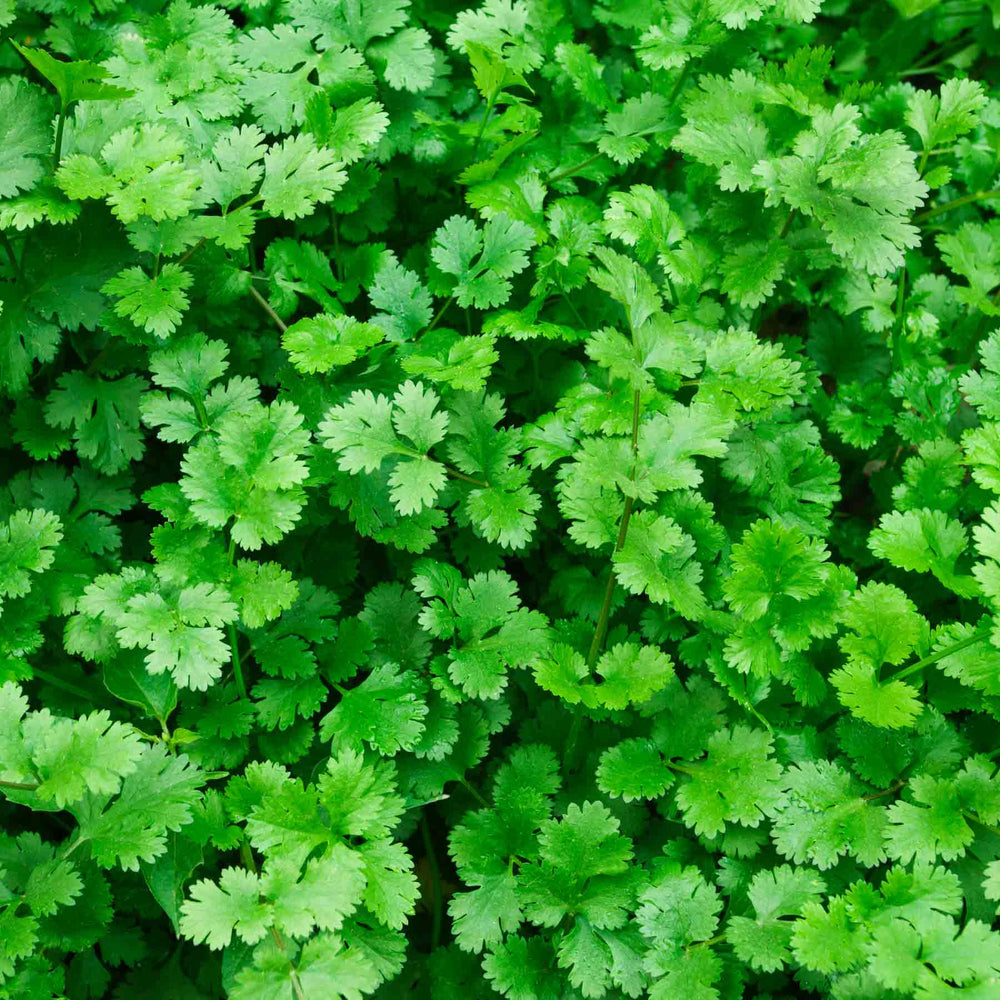
Cilantro, also known as coriander, is a popular herb used in various cuisines around the world. When it comes to its growing conditions, sunlight plays a critical role in its development.
Cilantro does indeed need full sunlight to thrive. Ideally, the herb should receive at least 6 hours of direct sun each day. However, it can also tolerate partial shade, especially in very hot climates, where the intense heat could hinder its growth or lead to premature bolting (flowering). A balance of sunlight and moderate temperatures will yield the best results for cilantro cultivation.
Benefits of Full Sunlight for Cilantro
Cilantro benefits greatly from full sunlight in several ways:
- Optimal Growth: Adequate sunlight helps cilantro achieve robust growth, resulting in lush, vibrant leaves.
- Enhanced Flavor: Sunlight exposure contributes to the development of stronger, more pronounced flavors in the leaves.
- Healthy Photosynthesis: Full sunlight aids the plant's photosynthesis process, which is critical for energy production.
Signs of Insufficient Sunlight
Identifying insufficient sunlight can help growers adjust their gardening practices:
- Stunted Growth: Cilantro may grow slowly or remain small if it doesn't receive enough sunlight.
- Pale Leaves: Leaves may turn pale or yellowish, indicating the plant is struggling to photosynthesize effectively.
- Bolting: If cilantro doesn't get enough light, it may bolt prematurely, leading to flowering instead of leaf production.
Best Practices for Planting Cilantro in Sunlight
To maximize sunlight exposure for cilantro, consider the following practices:
- Selecting the Right Location: Choose a planting site that receives full sunlight throughout the day.
- Using Raised Beds: Elevated beds can enhance drainage and exposure to sunlight.
- Timely Planting: Plant cilantro during seasons when sunlight is abundant, avoiding extreme heat conditions.
Alternatives for Growing Cilantro with Partial Shade
In certain climates, growing cilantro with partial shade can still be effective:
- Using Shade Cloth: If sunlight is excessive, using a shade cloth during the hottest part of the day can help.
- Intercropping: Plant cilantro alongside taller plants that provide necessary shade without completely obstructing sunlight.
- Choosing the Right Varieties: Some cilantro varieties may be more tolerant to partial shade conditions.
Maintenance Tips for Sunlight Exposure
Proper maintenance can support cilantro's sunlight needs:
See also:
- Regular Watering: Ensure consistent watering to support the plant’s hydration, particularly in sunny conditions.
- Fertilization: A balanced fertilizer can enhance growth and health, making optimal use of sunlight.
- Weed Control: Removing weeds can prevent competition for sunlight and nutrients, ensuring cilantro thrives.
Does cilantro like to be wet or dry?
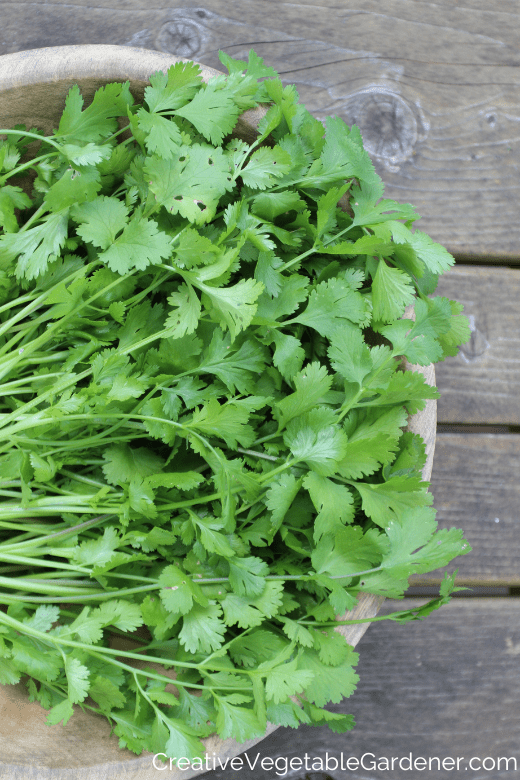
Cilantro, also known as coriander, prefers moist conditions but does not thrive in overly wet soil. Its ideal growing environment is characterized by well-draining soil that retains some moisture without becoming waterlogged. When growing cilantro, it is important to ensure that the roots are kept consistently slightly damp, especially during germination and the early growth stages. However, too much moisture can lead to root rot and other diseases, which can significantly affect the plant's health and growth.
Cilantro Watering Needs
Cilantro's watering needs are crucial to its growth. To meet these needs effectively:
- Cilantro requires watering when the top inch of the soil feels dry.
- Ensure that the pot or garden bed has proper drainage to prevent standing water.
- In hot temperatures, cilantro may need more frequent watering to maintain moisture.
Soil Drainage for Cilantro
Proper soil drainage is essential for cilantro to flourish. Factors to consider include:
- Utilizing a light, well-aerated soil mix can enhance drainage capabilities.
- Add organic matter like compost to improve moisture retention without compromising drainage.
- Ensure the container has drainage holes if grown in pots, allowing excess water to escape.
Humidity Levels and Cilantro
Cilantro enjoys moderate humidity levels. To manage humidity:
- Growing cilantro indoors may require the use of a humidity tray or regular misting.
- Outdoors, planting cilantro in a spot that receives partial shade can help maintain humidity.
- If humidity levels are too low, consider grouping plants together to create a microclimate.
Signs of Overwatering in Cilantro
Recognizing the signs of overwatering is crucial for cilantro maintenance. Watch for:
- Yellowing leaves, often an indication of root stress from excessive moisture.
- Wilting plants even when the soil is wet, pointing to root rot issues.
- Mushy stems or roots that may reveal fungal infections due to poor drainage.
Best Practices for Growing Cilantro
For optimal growth of cilantro, follow these best practices:
- Water consistently but ensure that the soil dries slightly between waterings.
- Choose a well-draining soil mixture specifically designed for herbs.
- Avoid frequent overhead watering to reduce foliage diseases and promote healthy roots.
Questions from Our Readers
Should I water cilantro every day?
It's not necessary to water cilantro every day. Instead, you should focus on keeping the soil moist but not soggy. Checking the soil daily will help you determine when it's time to water based on how quickly it dries out.
What is the best way to tell if cilantro needs water?
The best way to tell if cilantro needs water is by sticking your finger into the top inch of soil. If it feels dry, it's time to water. If it feels moist, you can wait a bit longer before watering again.
Can overwatering cilantro cause problems?
Yes, overwatering cilantro can cause problems such as root rot and other diseases. It's important to ensure that the soil drains well and to avoid letting the plant sit in standing water to keep it healthy.
How much water does cilantro need when grown indoors?
When growing cilantro indoors, it typically needs about 1-2 inches of water per week. This may vary based on the environment; ensure the soil is kept consistently moist but not waterlogged for optimal growth.
See also:

If you want to read more articles like Should I Water Cilantro Every Day? Expert Tips for Optimal Growth, we recommend you check out our Herbs category.
Leave a Reply
Related Articles