Does Basil Come Back Every Year? Understanding Basil’s Lifespan and Care Tips

Basil is a beloved herb, cherished for its aromatic leaves and culinary versatility. As gardeners and chefs alike seek to incorporate this fragrant plant into their dishes, a common question arises: Does basil come back every year? Understanding basil's lifespan and growth habits is essential for anyone looking to cultivate this herb successfully. In this article, we will explore the annual and perennial varieties of basil, their specific care requirements, and tips for ensuring a bountiful harvest season after season. Whether you are a seasoned gardener or a novice, knowing how to care for basil will enhance your gardening experience.
Does Basil Come Back Every Year?
Basil is a popular herb known for its aromatic leaves and culinary versatility, but whether it comes back every year depends on the type of basil and the climate in which it is grown. Generally, annual basil varieties, such as sweet basil, do not survive beyond their growing season, typically dying off with the first frost. However, in warmer climates, some basil varieties can be perennial, meaning they can return each year if conditions are favorable. For gardeners in colder regions, basil is often treated as an annual, requiring replanting each spring. Understanding the specific variety and regional climate can help in managing basil plants effectively and enjoying fresh basil annually.
Types of Basil
There are several types of basil, the most common being sweet basil, Thai basil, and Italian basil. Among these, sweet basil is the most widely used in cooking, especially in Italian dishes. There are also varieties like African blue basil and Genovese basil that can behave differently in terms of growth habits. Some may survive longer in mild climates, making it essential to know the specific variety when considering if basil will return each year in your garden.
Growing Conditions
Basil thrives in warm temperatures and well-drained soil with plenty of sunlight. Ideal growing conditions include temperatures between 70°F and 90°F (21°C to 32°C). In areas with cold winters, basil is highly sensitive to frost, which can kill the plant. For this reason, temperature and light are crucial factors that determine whether basil can return each year, particularly for annual varieties that do not tolerate colder temperatures.
Planting Basil Annually
In most temperate regions, gardeners plant basil as an annual herb, meaning they must sow seeds or transplant seedlings each spring after the last frost date. This allows gardeners to ensure that the basil plants are healthy and productive throughout the growing season. Moreover, annual planting provides an opportunity to select fresh basil varieties or try new ones, making the experience enjoyable for home gardeners who want to experiment with flavors in their cooking.
See also:
Perennial Basil Options
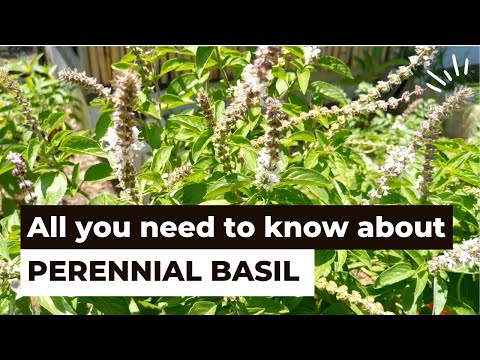
While most basil varieties are annual, some can act as perennial herbs in the right conditions. For instance, African blue basil can survive for multiple years in warm climates where frost is not a concern, provided the plant is properly cared for. This enables gardeners in suitable regions to enjoy fresh basil season after season without needing to replant every year, making it a valuable choice for perennial herb gardens.
Winter Care for Basil
To potentially keep basil plants alive through winter, some gardeners choose to bring potted basil indoors before the cold weather sets in. When indoors, basil requires bright light and must be watered carefully to avoid overwatering. Additionally, maintaining a comfortable room temperature is vital to help the plant survive winter. If conditions are favorable, indoor basil may thrive and return to its outdoor garden once the weather warms up again, allowing for a continuous supply of fresh basil.
| Basil Type | Growth Habit | Perennial or Annual |
|---|---|---|
| Sweet Basil | Annual | Annual |
| Thai Basil | Annual | Annual |
| African Blue Basil | Perennial | Perennial |
| Genovese Basil | Annual | Annual |
Understanding Basil’s Perennial and Annual Growth Cycles
Basil is an annual herb that typically goes through a lifecycle from seed to harvest in a single growing season. While it cannot withstand frost and will not survive cold temperatures, its growing conditions play a vital role in whether it will thrive year after year. In regions with mild winters, basil may survive if kept in pots or indoors, but most gardeners treat it as an annual, planting fresh seeds each spring for a bountiful harvest. Understanding this lifespan and the specific care tips associated with basil can help you grow vibrant plants and enjoy their flavors throughout the warm months.
Where Does Basil Grow Best?
Basil thrives best in warm climates with well-drained, nutrient-rich soil. Ideally, it needs full sunlight for at least six to eight hours a day to maximize its growth and flavor. Gardeners often choose container gardening for basil as it allows for control over the soil quality and drainage, making it easier to provide the ideal conditions. Moreover, basil prefers consistent moisture, making regular watering essential, but care must be taken to avoid waterlogging the roots.
How to Care for Basil During the Growing Season
During the growing season, basil requires proper pruning to encourage bushier growth and prevent it from becoming leggy. Regularly pinching back the tip of the plant helps stimulate new branches and leaves, enhancing both its appearance and yield. Basil also benefits from fertilizing every few weeks with a balanced fertilizer to support its rapid growth. Keeping an eye out for pests like aphids or diseases such as downy mildew is crucial for maintaining plant health, as these can significantly affect basil’s life span.
See also:
What to Do with Basil When the Seasons Change
As temperatures begin to drop, shifting the basil plants indoors can help prolong their life. The transplanting process should be done carefully, ensuring they receive adequate light, preferably through grow lights if natural light is insufficient. Alternatively, when the outdoor growing season is over, many gardeners choose to harvest basil extensively and preserve it through drying or freezing for use throughout the colder months, ensuring that the flavors of the herb remain accessible.
Best Practices for Growing Basil Year After Year
To achieve a continuous supply of basil year after year, gardeners often practice crop rotation or plant basil in containers that can be brought indoors. This approach allows for controlled conditions and adaptation to seasonal changes. Consistently harvesting leaves encourages the plant to produce more, leading to a more robust plant in the following seasons. Additionally, selecting varieties suited to your climate can make a significant difference in basil's success as either an annual or perennial choice.
Common Problems and Solutions with Basil Cultivation
Basil can face various issues, from pests like whiteflies and spider mites to diseases associated with excessive moisture, such as root rot. Preventative measures, like ensuring proper air circulation and avoiding overcrowding, can help mitigate these problems. In case of infestations, it's important to implement organic pest control methods, including insecticidal soaps or introducing beneficial insects. Regular inspections of the plants will allow for swift identification and treatment, ensuring healthy basil growth throughout its growing season.
Questions from Our Readers
Does basil come back every year?
Basil is typically considered an annual herb, meaning it completes its life cycle in one growing season. In most climates, it does not return the following year, as the plant dies off when temperatures drop. However, in warm climates, basil may reseed itself if conditions are right.
How can I make basil come back every year?
To encourage basil to grow year after year, you can try overwintering it indoors or in a greenhouse during the cold months. Alternatively, you can take cuttings and propagate new plants from existing ones to ensure a continuous supply each season.
See also:
Can basil survive the winter?
Basil is sensitive to frost and cannot withstand cold temperatures, which means it usually does not survive winter outdoors in most regions. If you want basil to last through winter, it’s ideal to bring it indoors where it can stay warm and receive sufficient light.
What type of basil is perennial?
While most basil varieties are annual, Thai basil and some varieties of perennial basil can survive for multiple years under the right conditions. These types can thrive in warmer climates or with proper care and protection during cold periods.
If you want to read more articles like Does Basil Come Back Every Year? Understanding Basil’s Lifespan and Care Tips, we recommend you check out our Herbs category.
Leave a Reply
Related Articles