What Can I Put on My Hostas to Make Them Grow? Effective Tips and Best Products for Thriving Hostas

Hostas are beloved for their lush foliage and variety of colors, making them a favorite choice for gardens. However, to ensure these shade-loving plants thrive, proper care and nutrition are essential. This article delves into effective tips and recommended products to promote healthy growth in hostas. From soil amendments and fertilizers to the best practices for watering and sunlight exposure, understanding what your hostas need can make all the difference. Whether you're a seasoned gardener or just starting out, these insights will help you cultivate a vibrant and flourishing display of hostas in your garden.
What Can I Put on My Hostas to Make Them Grow?
To promote the healthy growth of your hostas, it is essential to provide them with the right combination of nutrients and environmental conditions. One of the most effective ways to enhance their growth is by using a balanced fertilizer that is high in nitrogen, potassium, and phosphorus. Organic options like compost or well-rotted manure can also enrich the soil, improving its texture and water retention capacity. Additionally, ensuring that your hostas are planted in a location with adequate shade, as they thrive in partial to full shade, will help them flourish. Regular watering, especially during dry spells, will keep the soil consistently moist and support strong root development.
Types of Fertilizers for Hostas
When choosing a fertilizer for your hostas, consider using slow-release granular formulations or liquid fertilizers that specifically cater to leaf growth. A nitrogen-rich fertilizer, such as 10-10-10 or 20-10-20, can stimulate lush foliage development. It's generally recommended to apply fertilizer in early spring as new growth begins, and again in late spring or early summer to provide ongoing nutrients.
Importance of Soil Quality
The quality of the soil in which your hostas are planted plays a crucial role in their growth. Hostas prefer soil that is rich in organic matter, well-draining, and slightly acidic to neutral in pH. Incorporating organic materials like compost or peat moss into the planting area not only enhances nutrient availability but also improves soil structure, promoting healthy root systems.
Watering Practices
Proper watering is essential for the growth of hostas. It is important to keep the soil consistently moist but not waterlogged. During hot, dry periods, provide deep watering at least once a week, ensuring that moisture penetrates the root zone. Mulching with organic materials can help retain soil moisture and reduce competing weeds, creating a healthier environment for your hostas.
Mulching Benefits
Applying a layer of mulch around your hostas can significantly benefit their growth. Mulch helps retain moisture, regulates soil temperature, and suppresses weeds, ensuring that your plants have ample resources for growth. Organic mulches, such as shredded bark or wood chips, also break down over time, adding nutrients back into the soil.
Sunlight Requirements
Understanding the sunlight requirements of your hostas is vital for their growth. While most hostas thrive in shade, certain varieties are more tolerant of sunlight than others. Monitor their exposure to direct sunlight, particularly in hotter climates, to prevent leaf scorch and ensure that they have the optimal conditions for healthy growth.
| Factor | Recommended Action |
|---|---|
| Fertilizer | Use a balanced, nitrogen-rich fertilizer in spring. |
| Soil Quality | Amend soil with compost to improve organic content. |
| Watering | Keep soil consistently moist; water deeply weekly. |
| Mulching | Apply organic mulch to retain moisture and suppress weeds. |
| Sunlight | Ensure plants receive adequate shade or filtered light. |
How to encourage hosta growth?

To encourage hosta growth, it’s essential to provide optimal growing conditions and proper care. Hostas are shade-loving plants known for their lush foliage and resilience. Here are several tips to enhance their growth:
Soil Quality
Providing the right soil quality is crucial for hosta growth. Hostas thrive in well-draining, loamy soil rich in organic matter. You can improve the soil's condition by:
See also:
- Testing the soil pH, aiming for a range of 6.0 to 7.0 for optimal nutrient availability.
- Incorporating organic matter such as compost or well-rotted manure, which enhances soil fertility.
- Ensuring proper drainage to prevent root rot, which can be detrimental to hostas.
Watering Practices
Consistent watering is vital for the health of hostas. These plants prefer consistently moist, but not waterlogged, conditions. Effective watering strategies include:
- Watering deeply once a week during dry spells to encourage deep root growth.
- Avoiding overhead watering to reduce the risk of fungal diseases on the foliage.
- Using mulch to retain moisture and suppress weeds around the base of the plants.
Fertilization Techniques
Regular fertilization can significantly boost hosta growth and foliage quality. The right approach involves:
- Applying a balanced, slow-release fertilizer in early spring as new growth begins.
- Refraining from over-fertilizing, as this can lead to weak growth and susceptibility to diseases.
- Utilizing organic fertilizers like fish emulsion or seaweed extract for added nutrients.
Sunlight Exposure
Understanding the right amount of sunlight is important for hostas. While they are shade-tolerant, certain conditions can optimize their growth:
- Placing hostas in partial shade, especially in areas with intense sunlight.
- Providing protection from afternoon sun, which can scorch the leaves.
- Ensuring that taller plants do not overshadow hostas, allowing them to receive adequate light.
Pest and Disease Management
Maintaining healthy hostas involves active pest and disease management. Common threats include slugs and fungal infections. To protect your hostas, follow these practices:
- Inspecting plants regularly for signs of pests or disease, allowing for early intervention.
- Using organic pest control methods, such as handpicking slugs or applying diatomaceous earth.
- Implementing good garden hygiene by removing debris and dead leaves that can harbor pests.
What can I put on my hostas to make them grow bigger?

To make your hostas grow bigger, several factors can be addressed, including soil quality, fertilization, moisture, and light conditions. Here are some effective methods and materials you can utilize:
Soil Improvement
Enhancing the quality of the soil is crucial for promoting healthy growth in hostas. They prefer a rich, well-draining soil that retains moisture yet allows excess water to escape.
- Organic Matter: Incorporate compost or well-aged manure into the soil to improve its nutrient content.
- Soil pH: Test the soil pH; hostas thrive in a pH range of 6.0 to 7.5. Depending on the results, you may need to amend it with lime or sulfur.
- Mulching: Apply a layer of organic mulch to help retain moisture and suppress weeds, creating a healthier environment for your hostas.
Fertilization Techniques
Using the right type of fertilizer can significantly impact the growth of your hostas. These plants benefit from nutrients to support leaf production and root development.
- Slow-Release Fertilizers: Choose a balanced, slow-release fertilizer with equal parts nitrogen, phosphorus, and potassium (e.g. 10-10-10).
- Liquid Fertilizers: During active growth periods, consider applying a liquid fertilizer every 4-6 weeks for an added nutrient boost.
- Organic Options: Utilize organic fertilizers like fish emulsion or seaweed extract, which provide trace minerals essential for growth.
Watering Practices
Watering is critical in ensuring that your hostas have sufficient moisture to thrive. Hostas appreciate consistent moisture, especially during dry spells.
- Deep Watering: Water deeply and infrequently rather than a light daily spray; this encourages deeper root growth.
- Drip Irrigation: Consider installing a drip irrigation system that allows for efficient watering without soaking the leaves.
- Mulch for Moisture: As previously mentioned, using mulch can help retain soil moisture and reduce the frequency of watering.
Light Conditions
Proper light exposure is vital for the overall health of hostas. These plants typically prefer partial to full shade, although some varieties can tolerate more sunlight.
See also:
- Location Selection: Plant hostas in areas that receive morning sun and afternoon shade, reducing the risk of leaf scorch.
- Variety Considerations: Choose hosta varieties known for their sun tolerance if planting in more sun-exposed areas.
- Transplanting: If your hostas are not performing well, consider relocating them to a site that offers better light conditions.
Pest and Disease Management
Keeping your hostas free from pests and diseases will ensure they can use their energy for growth rather than combating stresses.
- Regular Inspection: Regularly check the plants for signs of pests such as slugs, snails, or aphids.
- Pest Control: Use organic methods such as diatomaceous earth or neem oil to manage infestations effectively.
- Fungal Diseases: Ensure good air circulation around the plants and avoid wetting the foliage to prevent fungal issues.
Do coffee grounds help hostas grow?
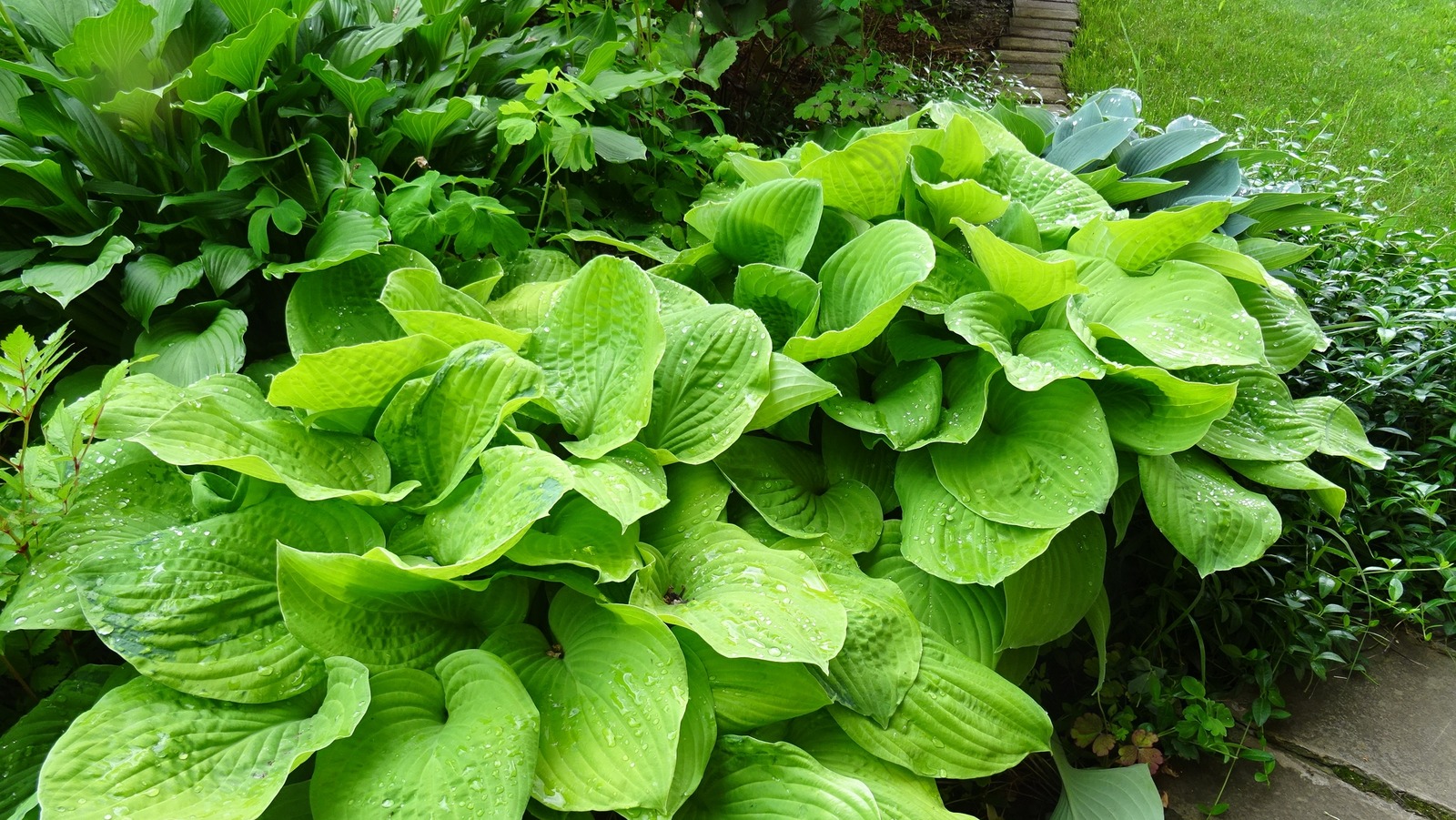
Coffee grounds can be beneficial for hostas, as they provide several advantages that promote healthy growth and vitality. Here’s a detailed explanation of how coffee grounds can help in growing hostas:
Benefits of Using Coffee Grounds for Hostas
Using coffee grounds in the garden has become a popular practice among gardeners. They offer essential nutrients that can enhance the soil quality for hostas.
- Nitrogen Source: Coffee grounds are rich in nitrogen, which is an essential nutrient for plants, including hostas. When added to the soil, they can help increase nitrogen levels, promoting lush growth.
- Organic Matter: Incorporating coffee grounds into the soil improves organic matter. This can enhance soil structure, leading to better drainage and aeration, which are crucial for hostas.
- pH Balance: While coffee is generally acidic, used coffee grounds are closer to neutral pH, making them suitable for hostas, which prefer slightly acidic to neutral soil conditions.
How to Apply Coffee Grounds to Hostas
Proper application is vital for maximizing the benefits of coffee grounds for hostas. Here are effective methods to employ:
- Direct Incorporation: Mix used coffee grounds directly into the soil around the base of the hostas. This method allows the nutrients to penetrate the soil quickly.
- Mulching: Spread a thin layer of coffee grounds as mulch around the hostas. This helps retain moisture while adding nutrients over time as the grounds decompose.
- Composting: Add coffee grounds to your compost pile. This can help create rich compost that can be later applied to hostas for enhanced growth.
Nutritional Content of Coffee Grounds
The nutritional content of coffee grounds can greatly benefit hostas. Understanding this can help in making informed choices about garden care.
- High in Nitrogen: Coffee grounds contain approximately 2% nitrogen, which supports leaf growth.
- Trace Minerals: They also provide trace minerals like phosphorus and potassium, vital for overall plant health.
- Beneficial Microorganisms: They may boost beneficial microbial activity in the soil, promoting a healthy soil ecosystem that supports hosta growth.
Precautions When Using Coffee Grounds
While coffee grounds can be beneficial, it's essential to use them with caution to avoid potential drawbacks. Here are some precautions to take:
- Moderation: Use coffee grounds sparingly, as excessive application can lead to imbalanced soil nutrient levels.
- Quality Check: Ensure that the coffee grounds are free from any additives, such as sugar or artificial flavors, which could harm plants.
- Plant Compatibility: Be mindful that not all plants thrive in coffee ground-amended soil; hostas generally do well, but some may not.
Other Uses for Coffee Grounds in the Garden
Coffee grounds have a variety of uses in gardening beyond supporting hostas, making them a versatile addition to your garden practices.
- Natural Pest Repellent: They can deter snails and slugs, which are often pests for hostas.
- Soil Amendment: Besides hostas, coffee grounds can be beneficial for other acid-loving plants like azaleas and blueberries.
- Compost Enhancer: Coffee grounds enrich compost, making it a richer resource for all garden plants.
Questions from Our Readers
What fertilizers are best for hostas?
To promote healthy growth in hostas, use a balanced fertilizer with equal parts nitrogen, phosphorus, and potassium, such as a 10-10-10 formulation. This helps ensure that the plants receive the essential nutrients they need for vigorous leaf development and overall vitality.
How often should I water my hostas?
Hostas generally thrive with consistent moisture, so aim to water them about once a week, depending on weather conditions. Ensure the soil remains damp but not soggy, as overwatering can lead to root rot and hinder their growth.
See also:
Can I use mulch for my hostas?
Yes, applying a layer of organic mulch around hostas can significantly benefit their growth by retaining moisture, regulating soil temperature, and suppressing weeds. This helps create an optimal growing environment for your hostas.
Is sunlight important for the growth of hostas?
While hostas can tolerate some sunlight, they typically prefer partial shade to thrive properly. Too much direct sun exposure can scorch their leaves, while too little light can stunt their growth, so striking the right balance is crucial for their development.

If you want to read more articles like What Can I Put on My Hostas to Make Them Grow? Effective Tips and Best Products for Thriving Hostas, we recommend you check out our Hostas category.
Leave a Reply
Related Articles