The Ultimate Guide: How to Dig Up Hostas and Replant Them?

Digging up and replanting hostas can be a rewarding gardening task, allowing you to rejuvenate your garden or relocate these beautiful perennial plants for better growth. However, to ensure their success in a new location, it is essential to follow the right techniques and timing. In this ultimate guide, we will explore the step-by-step process of carefully digging up hostas, tips for preserving their health during the move, and the best practices for replanting them in their new home. Whether you're looking to expand your garden or refresh your landscape, this guide will provide everything you need for a successful transplanting experience.
How to Successfully Dig Up and Replant Hostas
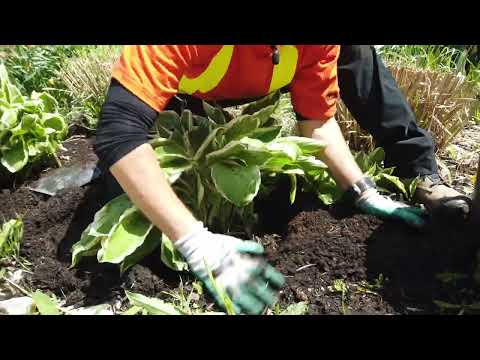
To dig up hostas and replant them, start by selecting the right time, ideally during early spring or fall when the plant is relatively dormant and can recover more easily. Choose a cloudy day or water the soil a day before to make it easier to dig. Carefully dig around the base of the hostas using a spade or garden fork, ensuring you maintain a good portion of the root system. Lift the plant gently from the ground and shake off any excess soil. You can divide larger clumps by cutting them in halves or quarters using a sharp spade. Once you have prepared the new planting area, amend the soil with compost, and replant the hostas at the same depth they were previously growing, ensuring to water them thoroughly after replanting.
Understanding the Best Time to Move Hostas
Determining the best time to move hostas is crucial for their successful replanting. Late summer or early fall are ideal as the plants are preparing for dormancy and have ample time to root into the new location before cold weather sets in. Alternatively, early spring, just as the leaves are beginning to emerge, can also be effective. Avoid moving hostas during extreme temperatures, as this can stress the plants and hinder recovery.
Necessary Tools for Digging Up Hostas
To dig up hostas, you will need a few essential tools to make the process efficient. A sharp spade or garden fork is ideal for breaking through the soil without damaging the roots. Additionally, a hand trowel can help in smaller areas or with fine root systems. Have a bucket or container handy to transport the hostas, and consider wearing gloves to protect your hands from dirt and sharp objects. A garden hose may also be helpful for cleaning the roots post-digging.
Preparing the New Planting Location
Before replanting hostas, it’s essential to prepare the new planting location adequately. Begin by selecting a spot that receives partial to full shade, as hostas thrive in less direct sunlight. Clear the area of any weeds and debris, then amend the soil with well-rotted compost or organic matter to improve drainage and provide nutrients. Ensure the soil is rich, loose, and slightly moist, which will facilitate the hostas' healthy reestablishment in their new home.
See also:
Caring for Hostas After Replanting
After planting, caring for hostas is crucial for their recovery. Water the plants generously to mitigate transplant shock and encourage root establishment. For the first few weeks, maintain soil moisture by checking regularly, especially if the weather is dry. Applying a layer of mulch around the base can help retain soil moisture and suppress weeds. Monitor the hostas for any signs of stress or pests and adjust care as necessary to support healthy growth.
Common Mistakes to Avoid When Replanting Hostas
When replanting hostas, there are several common mistakes to avoid to ensure a smooth transition. One major mistake is replanting too deeply or too shallowly; it’s important to position them at the same depth they were originally growing. Additionally, failing to water them properly post-transplant can lead to drought stress. Moreover, don’t rush the digging process; removing them too quickly can disturb the roots. Ensuring adequate spacing between plants is also vital, as overcrowding can lead to competition for nutrients.
| Stage | Action | Timing |
|---|---|---|
| Preparation | Select tools & digging location | 1-2 days prior |
| Digging | Carefully lift the hosta | During optimal timing |
| Replanting | Place hostas in new location | Immediately after digging |
| Watering | Thoroughly water the plants | After replanting |
| Maintenance | Monitor growth and health | Ongoing |
Essential Tips for Successful Hosta Transplanting
When it comes to digging up hostas and replanting them, timing and technique are crucial for ensuring the plants thrive in their new location. Hostas should ideally be transplanted in the spring or early fall when the weather is mild and the plants are not in active growth. Begin by carefully loosening the soil around the root zone with a spade, taking care not to damage the roots. Once the root ball is exposed, gently lift the plant from the ground, keeping as much soil intact as possible. Afterward, prepare the new site by ensuring it has well-draining soil and appropriate sunlight conditions before replanting your hosts, which will help them re-establish quickly.
Understanding the Right Timing for Transplanting Hostas
Choosing the right season for transplanting your hostas is essential to their survival and growth. The best time for digging up these perennial plants is in early spring or late summer, as this allows them ample time to adjust to their new environment before facing extreme temperatures. Spring offers favorable conditions for root establishment since the soil remains moist, while late summer gives them a chance to settle in before the winter dormancy.
Tools You’ll Need for Transplanting Hostas
Having the right tools can make the process of digging and replanting hostas much smoother. Essential tools include a sharp spade or trowel for digging, gloves to protect your hands, and a garden fork to help loosen the soil around the roots. Additionally, a bucket or wheelbarrow can be useful for transporting the plants to their new location. Using these tools will minimize the risk of damaging the hostas during the transplanting process.
See also:
Preparing Your New Planting Site
Before you replant your hostas, it's important to prepare the new site effectively. Choose a spot that provides the right amount of light based on the specific variety of hosta you have. Ensure the soil is well-draining; you can improve drainage by mixing in organic matter or peat moss if the soil is heavy. It’s advisable to dig a hole that is twice the width of the hosta’s root ball and just as deep, which will give the roots enough space to spread and thrive.
Caring for Hostas Post-Transplanting
After transplanting, taking care of your hostas can significantly affect their recovery and growth. Water the hostas immediately after replanting to help settle the soil around the roots and minimize transplant shock. Keep the soil consistently moist for several weeks as the plants adjust to their new surroundings. Applying a slow-release fertilizer after a few weeks can also provide essential nutrients for the hostas as they begin to establish themselves in their new location.
Common Mistakes to Avoid When Transplanting Hostas
Avoiding common pitfalls can lead to successful hosta transplantation. One mistake is waiting too long into the growing season, which can stress the plants and lead to poor establishment. Another error is not watering adequately after replanting; plants need moisture during the initial recovery phase. Finally, placing hostas in poorly drained areas can lead to root rot. By being attentive to these factors, you can enhance the chances of your hostas thriving in their new home.
Questions from Our Readers
How do I know when to dig up hostas?
To determine the best time to dig up your hostas, look for signs of dormancy in late fall or early spring before new growth begins. The soil should be moist, and the leaves will typically start to die back in the fall. This is the ideal time to ensure minimal disruption to the plant's root system.
What tools do I need to dig up hostas?
When digging up hostas, you will need a few essential tools including a shovel or spade for loosening soil, a hand trowel for smaller roots, and possibly a garden fork to help lift the plant. It’s also useful to have a pruning shear to trim any damaged leaves and to have gloves for protection while handling the plants.
See also:
How do I safely dig up and separate hostas?
To safely dig up hostas, start by using a shovel to carefully loosen the soil around the plant, being cautious not to damage its roots. Once the plant is free, gently lift it out of the ground and shake off excess soil. If you want to separate the hostas, look for natural divisions in the root ball and use a clean knife or your hands to carefully separate the sections.
What should I do after replanting hostas?
After replanting hostas, make sure to water them thoroughly to help reduce transplant shock and promote root establishment. It's important to monitor the newly planted hostas for signs of stress, and consider applying a light layer of mulch around the base to conserve moisture and suppress weeds. Regular checks for moisture and proper lighting will aid in their recovery and growth.
If you want to read more articles like The Ultimate Guide: How to Dig Up Hostas and Replant Them?, we recommend you check out our Hostas category.
Leave a Reply
Related Articles