Can You Have Too Many Hostas? Exploring the Limits of Hostas in Your Garden

Hostas are a beloved addition to gardens, prized for their lush foliage and hardiness. However, as their popularity grows, one must consider the question: can you have too many hostas? This article explores the balance between creating a stunning hosta collection and the potential pitfalls of overplanting. We will delve into factors such as space, maintenance, and plant health, providing insights on how to curate a thriving hosta garden without overwhelming your outdoor space. Join us as we navigate the limits of hostas and discover the perfect harmony for your garden.
Can You Have Too Many Hostas?
Having a large collection of hostas can be both a joy and a challenge for gardeners. While these beautiful plants are known for their lush foliage and versatility in the garden, there can indeed be such a thing as having too many hostas. This overabundance can lead to crowded conditions, which may result in competition for nutrients, water, and sunlight, affecting their overall health. Additionally, a dense arrangement can create an environment suitable for pests and diseases, ultimately diminishing their decorative appeal. It's essential to maintain a harmonious balance, ensuring that each hosta has enough space to thrive without compromising the beauty of the garden.
The Benefits of Having Multiple Hostas
Having multiple hostas can significantly enhance the aesthetic appeal of your garden. The different sizes, shapes, and colors of hosta leaves can create striking contrasts and interesting textures, making your garden more visually engaging. Moreover, planting a variety of hostas can also extend the blooming season, as different cultivars flower at various times throughout the summer. This diversity can attract various species of pollinators, enhancing your garden's ecological value. Therefore, while one might worry about the number of hostas, they can add a unique charm to the garden when strategically placed.
Space Considerations for Hostas
When incorporating hostas into your garden, it's crucial to consider the space they will occupy as they mature. Many hostas can be substantial in size, reaching up to three feet wide or more. If planted too close together, they may not only compete for essential resources but could also limit their natural growth patterns. When planning your garden layout, give each hosta at least two to three feet of space to accommodate their eventual growth. This spatial consideration will enhance the aesthetic value and health of each plant, allowing them to flourish without overcrowding.
Maintaining a Healthy Hosta Collection
To ensure a healthy collection of hostas, regular care and maintenance are vital. This includes monitoring soil moisture, removing any dead or yellowing leaves, and providing adequate fertilization as needed. It's essential to avoid overcrowding, which can lead to poor air circulation and encourage diseases like crown rot. Each season, take time to assess your hostas. If you notice any that are struggling, consider dividing them or relocating them to another part of your garden where they can thrive. Maintaining a careful watch over their health can prevent many issues associated with having too many hostas in a confined space.
Choosing the Right Varieties
Selecting the right hosta varieties is crucial in managing your garden effectively. There are thousands of cultivars to choose from, each varying in size, color, and texture. By choosing a mix of small, medium, and large hostas, you can create a layered effect that enhances visual depth and interest. Additionally, consider selecting varieties that exhibit different leaf patterns—solid colors, variegated leaves, or those with striking edges—to enhance the diversity in your garden. By thoughtful selection, you will not only avoid overcrowding but also create a dynamic and appealing hosta collection.
The Role of Climate in Hosta Growth
Climate plays a significant role in the growth and robustness of hostas. Regions with harsh winters or extreme heat can stress hostas, leading to stunted growth or increased vulnerability to pests. Understanding your local climate will guide you in selecting hosta varieties that are well suited for your conditions. Additionally, incorporating proper mulching techniques can help to regulate soil temperature and moisture levels, promoting healthier plants. If you live in a region with challenging climate conditions, focusing on the hardy varieties of hostas may help you manage the number of plants effectively while ensuring their longevity.
| Aspect | Consideration |
|---|---|
| Space | Provide at least 2-3 feet between plants. |
| Varieties | Mix small, medium, and large hostas for diversity. |
| Climate | Choose varieties suited for your regional climate. |
| Maintenance | Regular care prevents overcrowding and disease. |
| Aesthetic | Diverse hostas enhance visual appeal in the garden. |
Can you overcrowd hostas?

Overcrowding hostas can significantly impact their health, growth, and overall appearance. While hostas are resilient plants that can tolerate various conditions, excessive overcrowding can lead to a range of problems.
Effects of Overcrowding on Hostas
Overcrowding hostas can hinder their growth and vitality. When planted too closely together, the plants compete for essential resources such as water, nutrients, and light. The result is often stunted growth and poor foliage quality.
- Reduced Growth: Overcrowding can lead to smaller and weaker plants.
- Limited Air Circulation: Close proximity of hostas can create a humid environment, leading to fungal diseases.
- Increased Pest Problems: Hostas that are crowded can attract pests, as they don't receive adequate sunlight or airflow.
Optimal Spacing for Hostas
To ensure the health and beauty of hostas, appropriate spacing is crucial. The recommended spacing varies depending on the specific variety, but generally, it's important to allow enough room for each plant to thrive.
- Small Hostas: Typically require about 12-18 inches apart.
- Medium Hostas: Should be spaced 18-24 inches apart.
- Large Hostas: Need at least 3-4 feet of space between them.
Signs of Overcrowded Hostas
Recognizing the signs of overcrowded hostas is essential for timely intervention. If you observe any of the following symptoms, it may be time to thin your plants.
- Poor Leaf Color: Yellowing or browning leaves can indicate stress from overcrowding.
- Reduced Flowering: Crowded plants may produce fewer flowers or none at all.
- Root Distortion: You may observe roots growing in all directions due to competition for space.
Benefits of Dividing Hostas
Dividing hostas not only helps alleviate overcrowding but also offers several benefits that can enhance your garden's aesthetic and plant health.
See also:
- Improved Growth: Dividing allows for better access to nutrients and light for each plant.
- Healthier Plants: Reducing overcrowding minimizes stress and the risk of disease.
- Propagation: Dividing hostas allows you to create new plants for other areas of your garden or to share with friends.
Best Time to Thin Hostas
Timing is crucial when it comes to thinning hostas. The ideal moment for this gardening task can greatly influence the success of your plants.
- Spring: Early spring is ideal before new growth starts.
- Fall: Late summer to early fall can also be effective, allowing time for roots to establish.
- Considerations: Avoid thinning during extreme heat or cold to reduce stress on the plants.
Do hostas like to be crowded?
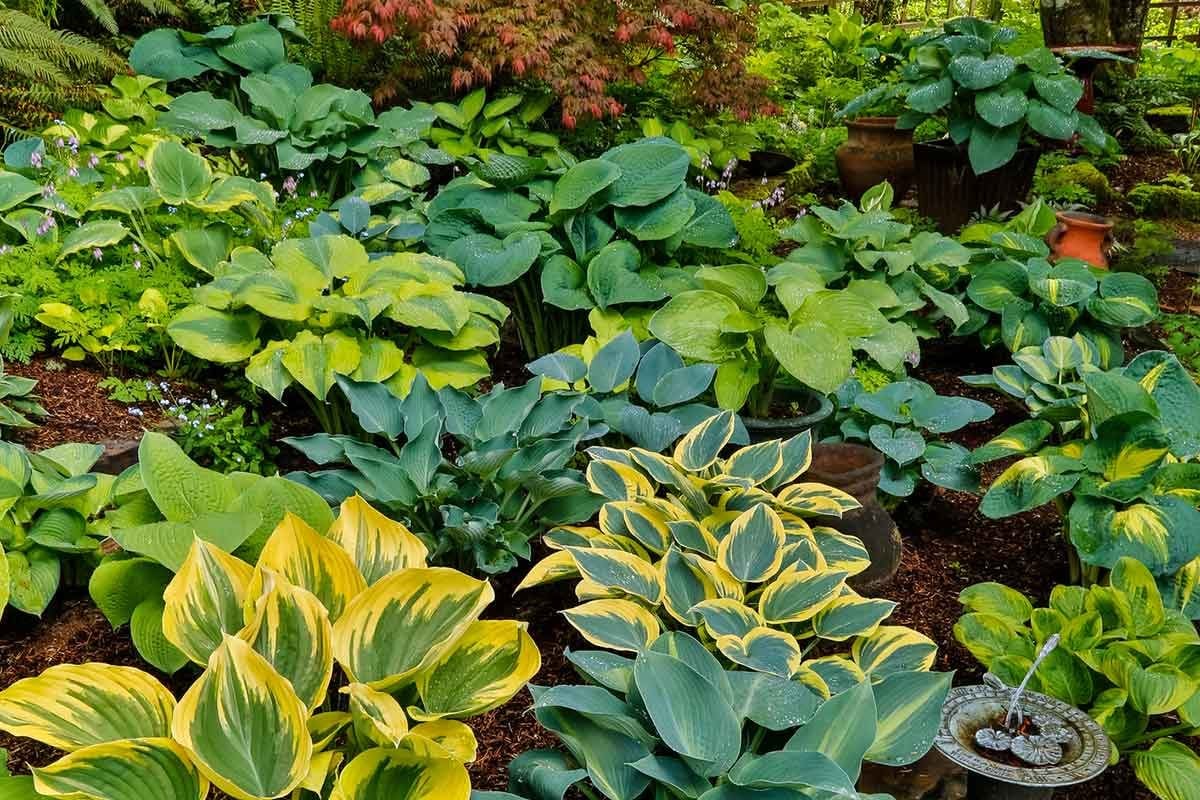
Hostas generally do not prefer to be crowded. When planted too closely together, they can compete for resources such as water, nutrients, and light. This can lead to stunted growth and other issues that affect their overall health. Although hostas are known for their ability to spread and fill space, giving them adequate room allows for optimal development and visual appeal.
Understanding Hostas and Their Growth Patterns
Hostas are perennial plants known for their attractive foliage. They grow in a variety of sizes, shapes, and colors, and understanding their growth patterns is essential for optimal health. When hostas are planted too closely to each other, they may experience limited air circulation, which can invite diseases and pests. Therefore, it’s crucial to understand that each hosta variety has its ideal space requirements.
- Hostas are typically categorized based on their maximum size.
- Mature plants need additional space to develop their full canopy.
- Planting guidelines can vary, but generally, 18 to 24 inches of space is recommended between plants.
Effects of Crowding on Hostas
When hostas are crowded, they may face several negative effects. These can manifest as yellowing leaves, diminished growth, and increased susceptibility to diseases, which can all lead to a decrease in visual impact. Crowding can also lead to challenges in water absorption since the roots of neighboring plants may compete for moist soil.
- Reduced growth due to competition for resources.
- Increased risk of disease caused by poor air circulation.
- Higher likelihood of pest infestations impacting neighboring plants.
How to Space Hostas Properly
Proper spacing is crucial for growing robust hostas. Generally, you'll want to consider their mature size when planning your garden layout. Providing adequate space will not only promote healthy growth but also enhance the overall aesthetics of your garden. The spacing guidelines help ensure that each plant has enough room to thrive independently.
- Consider the mature width of the hosta variety.
- Utilize a garden planner to visualize spacing.
- Reassess your garden location annually to adjust spacing as needed.
Companion Planting with Hostas
When considering planting hostas, incorporating companion plants can enhance both beauty and health. However, it's essential to choose companion plants that do not compete aggressively for space or resources. The right combination can maximize the advantages of each plant while minimizing competition.
- Select shade-tolerant companions like ferns to thrive alongside hostas.
- Ensure companions do not have a root system that overwhelms hostas.
- Consider placing taller plants behind hostas to maximize visual layers.
Signs That Your Hostas Are Crowded
If you suspect that your hostas are too tight in their location, be on the lookout for various signs indicating crowding. Recognizing these symptoms early can help you take action before significant damage occurs.
- Stunted growth in mature plants.
- Yellowing of leaves, especially on the inner leaves.
- Noteworthy flowering reduction, as stressed plants often do not bloom efficiently.
What to do with too many hostas?

If you find yourself with an overabundance of hostas, don't worry; there are several practical and creative solutions to manage your garden's growth. Hostas are beloved for their lush foliage and wide array of colors and sizes, which makes them a popular choice among gardeners. Here are some effective strategies for managing excess hostas.
Dividing your hostas is a great way to manage their size while also sharing the beauty with friends and family. It not only helps in controlling growth but also revitalizes the plants.
- Wait for Spring or Fall: The best time to divide hostas is in early spring or late summer.
- Use a Spade: Carefully dig around the hosta with a spade, ensuring you get a good portion of the roots.
- Replant the Divided Clumps: You can replant the divided clumps in your garden or give them as gifts.
2. Create a Hostas Garden
Another option is to create a designated hostas garden. This allows you to showcase different varieties collectively, enhancing your landscape.
- Choose a Shady Spot: Hostas thrive in shaded areas, so pick a location that receives filtered sunlight.
- Create Layouts: Plan your layout by mixing different sizes and colors for visual interest.
- Add Mulch: Apply mulch around the plants to keep moisture in and suppress weeds.
3. Use Hostas in Container Gardening
If space is limited, using hostas in container gardening is a fantastic alternative. This allows for mobility and flexibility in your garden design.
See also:
- Select Appropriate Containers: Choose pots that are large enough to accommodate the root systems.
- Use Quality Potting Mix: Ensure a well-draining potting mix to promote healthy growth.
- Place Strategically: Position containers in shady spots or as decorative elements on porches and patios.
4. Donate to Local Gardens or Community Projects
You can also consider donating your surplus hostas to local gardens or community projects, enriching public green spaces.
- Contact Local Community Gardens: Reach out to find out if they accept plant donations.
- Participate in Local Events: Many gardening clubs or events have plant swaps or can use additional foliage.
- Consider Schools or Churches: Local educational institutions or churches often welcome flora for landscaping improvements.
5. Compost Excess Hostas
If you have hostas that are not suitable for division or donation, composting is a sustainable choice that contributes to nutrient-rich soil.
- Chop Them Up: Cut excess hostas into smaller pieces to speed up the composting process.
- Add to Compost Bin: Incorporate them into your compost bin along with other organic materials.
- Use the Compost Later: Once decomposed, use this nutrient-rich compost on your garden to enhance soil quality.
How many hostas should you plant together?
To determine how many hostas you should plant together, several factors need to be considered, including the size of the hosta species, the spacing requirements, and the overall design goals of your garden. Generally, it is advisable to plant hostas in clusters or groups of at least three to get a visually appealing effect. This way, they can complement each other and create a fuller look.
Here are some guidelines to help you make the best decision for your planting:
Choosing the Right Size of Hosta
When considering how many hostas to plant together, the size of the hosta variety plays a crucial role.
- Small varieties (like 'Blue Mouse Ears') can typically be planted closer together, around 12-18 inches apart.
- Medium varieties (such as 'June') should be spaced about 18-24 inches apart to allow their foliage to fill in and prevent overcrowding.
- Large varieties (like 'Empress Wu') need even more space, often requiring 3 feet or more between each plant to support expansive growth.
Spacing for Healthy Growth
Proper spacing ensures that the hostas have enough room to grow, thrive, and display their foliage without competing for nutrients or water.
- When planting in rows, maintain a distance of at least 2 feet between each hosta.
- In informal clusters, keep plants close enough to create a lush appearance, but allow for at least 12-18 inches between individual plants.
- Consider the spread of each hosta at maturity to avoid overcrowding; this is essential for both health and aesthetics.
Designing with Hostas
If you’re planning a design scheme that incorporates hostas, think about how many groups you want to form and their placement.
- Groups of three or more create a natural look and can help draw the eye.
- Consider mixing different sizes and colors for visual interest while maintaining proper spacing.
- Using hostas as a border can enhance landscape design and dictate how many should be in a row for a cohesive look.
Environmental Factors
Environmental conditions also influence how hostas should be planted, affecting their growth and spacing.
- Sunlight requirements vary; some hostas thrive in full shade, while others can tolerate partial sun, impacting how closely they can be planted.
- Soil type and quality should be assessed; nutrients will dictate the spacing as nutrient-poor soil might require further distance between plants.
- Watering needs are also important; consider how much you plan to irrigate and the local weather conditions, which may affect the numbers you could plant together.
Experimenting with Groupings
Planning your hosta layout can be an experimental process, and grouping can be adjusted as you observe their growth over time.
- Start with smaller groupings and see how they develop before committing to larger arrangements.
- Experiment with shapes and layouts such as circular or staggered formations to see which look best in your garden.
- Assess plants regularly and adjust spacing based on their health and growth patterns; this allows for dynamic gardening.
Questions from Our Readers
Can you have too many hostas in your garden?
Having too many hostas can lead to overcrowding, which may result in stunted growth and a lack of necessary resources for each plant. It’s important to maintain a balance to ensure that each hosta can thrive and express its full aesthetic potential.
What happens if hostas are overcrowded?
When hostas are overcrowded, they compete for nutrients, water, and light, which can cause poor health and reduced flowering. In extreme cases, overcrowding can make them more susceptible to diseases and pests, leading to potential loss of plants.
How can you tell if you have too many hostas?
You might have too many hostas if you notice diminished growth, yellowing leaves, or if they are failing to produce flowers. Additionally, if the space between plants is minimal, and you can't see the plant features, it’s a sign that they may be overcrowded.
See also:
What's the ideal number of hostas for a garden?
The ideal number of hostas depends on your garden's size, design, and the specific types of hostas you are planting. Generally, leaving at least 1 to 3 feet between each plant allows for proper air circulation and room for them to grow without hindrance.

If you want to read more articles like Can You Have Too Many Hostas? Exploring the Limits of Hostas in Your Garden, we recommend you check out our Hostas category.
Leave a Reply
Related Articles