How Do You Prune Leggy Heuchera? A Complete Guide to Revitalize Your Plants

Heuchera, commonly known as coral bells, are beloved for their vibrant foliage and unique textures. However, over time, these perennial favorites can become leggy—exhibiting long stems and sparse leaves. Pruning leggy heuchera is essential to rejuvenate their appearance and promote healthier growth. In this complete guide, we will explore the best techniques for trimming back these plants, when to prune, and how to encourage fuller, more robust foliage. Whether you're a seasoned gardener or a newcomer, you’ll discover valuable tips to revitalize your leggy heuchera and enhance the beauty of your garden.
How to Prune Leggy Heuchera
Pruning leggy heuchera is an essential step to maintaining the health and aesthetics of this perennial plant. When your heuchera begins to grow tall and spindly, it typically indicates that it requires some pruning to encourage bushier growth and improve air circulation. To prune effectively, start by assessing the plant and locating the leggy stems. Use sharp, clean pruning shears to trim back these stems to a few inches above the base of the plant. Make sure to cut just above a leaf node, as this will promote new growth. Additionally, remove any dead or damaged leaves to help your heuchera thrive and look its best.
When to Prune Heuchera
Pruning heuchera is ideally done in early spring, just before new growth begins. This timing allows the plant to recover quickly and produce lush foliage throughout the growing season. Avoid pruning in late fall or winter, as this can leave the plant vulnerable to cold temperatures and frost damage.
Tools Needed for Pruning
Before you begin pruning, make sure you have the right tools on hand. The essential tools include sharp pruning shears, gloves to protect your hands, and possibly a pair of hand pruners for tighter spaces. Ensuring your tools are clean and sharpened will make the pruning process smoother and prevent damage to the plant.
Identifying Leggy Growth
Leggy growth in heuchera can be identified by elongated stems with few leaves, creating an unbalanced appearance. This can happen due to inadequate sunlight, poor soil conditions, or lack of nutrients. It's important to regularly inspect your heuchera for these signs so you can act promptly to restore its shape and vitality.
Aftercare Post-Pruning
After pruning your heuchera, provide adequate aftercare to support its recovery. Water the plant well to help it rehydrate and encourage new growth. You may also consider applying a balanced fertilizer to give your heuchera the necessary nutrients for robust development. Monitor the plant regularly for any pests or diseases that might arise after pruning.
Common Mistakes to Avoid
When pruning heuchera, avoid common mistakes such as cutting too much foliage at once or pruning at the wrong time of year. These errors can lead to stress on the plant and hinder its regrowth. Additionally, neglecting to use clean tools can introduce diseases, compromising the health of your heuchera. Always take a cautious and considerate approach when pruning.
| Action | Description |
|---|---|
| Assess | Identify leggy stems and overall plant condition. |
| Prune | Use clean shears to trim back leggy growth. |
| Water | Provide adequate moisture to support new growth. |
| Fertilize | Apply fertilizer to enhance nutrient availability. |
| Monitor | Keep an eye out for pests and disease post-pruning. |
How do you deal with leggy heuchera?

When dealing with leggy heuchera, it's important to identify the causes and apply the right techniques to rejuvenate the plants. Legginess often occurs when plants do not receive adequate light, nutrients, or when they are grown too closely together. Here are effective strategies to address this issue:
Understanding the Cause of Legginess
The first step in addressing leggy heuchera is to understand what leads to this condition:
- Insufficient Light: Heucheras typically thrive in partial shade to full shade. If they are not receiving enough light, they will stretch towards the light source, causing leggy growth.
- Poor Soil Quality: Nutrient-deficient soil can lead to weakened plants that may grow leggy as they reach for nutrients.
- Overcrowding: When heuchera plants are too close together, they compete for light and nutrients, resulting in elongated stems.
Providing Adequate Light
To prevent legginess in heuchera, ensure they receive the appropriate amount of light:
- Location: Select a location that receives filtered sunlight or morning sun.
- Regular Rotation: If possible, rotate the pots or plants periodically to ensure even exposure to light.
- Use Reflectors: Employ reflectors or light-colored surfaces to increase light availability around the plant.
Improving Soil Health
Nurturing the soil can help promote healthy growth and reduce legginess:
See also:
- Soil Amendment: Incorporate organic matter like compost to improve soil structure and nutrient availability.
- Soil Testing: Conduct soil tests to identify nutrient deficiencies and adjust fertilization practices accordingly.
- Drainage: Ensure good drainage to prevent root rot and encourage healthy growth.
Proper Pruning Techniques
Regular pruning can help rejuvenate leggy heuchera plants:
- Cutting Back: Trim back the leggy stems to a height that encourages bushier growth.
- Timing: Prune in early spring or late winter before new growth starts for optimal results.
- Removing Dead Leaves: Clear out any dead or dying foliage to promote better airflow and reduce disease.
Spacing and Arrangement
Proper spacing of heuchera can significantly impact growth habits:
- Optimal Spacing: When planting heuchera, ensure they are spaced according to their mature size to minimize competition.
- Group Planting: Consider grouping them in a manner that prevents crowding while still creating visual interest.
- Repositioning: If overcrowding occurs, transplant heucheras to give them more room to grow.
Choosing the Right Varieties
Selecting the correct varieties of heuchera can also affect the growth characteristics:
- Look for Compact Varieties: Opt for specifically bred compact types that are less prone to legginess.
- Research Growth Habits: Prior to purchasing, research the expected growth habits of different heuchera.
- Mix Varieties: Combine various heuchera types to create diverse textures and colors without having leggy issues.
Should heuchera be cut back?

Heuchera, commonly known as coral bells, is a versatile and attractive perennial plant that is often grown for its colorful foliage. Whether or not to cut back heuchera depends on various factors such as the season, plant health, and personal preference.
Should Heuchera Be Cut Back?
Yes, heuchera should generally be cut back, especially in late fall or early spring. Cutting back heuchera helps maintain the plant's health and promotes new growth. It is often recommended to remove any dead or damaged leaves as they can harbor pests and diseases. Additionally, this practice encourages better air circulation and allows for a tidy appearance in the garden.
When to Cut Back Heuchera
Timing is crucial when it comes to cutting back heuchera.
- Late Fall: After the first frost, you can trim back the foliage to prevent any decay and disease.
- Early Spring: Once the new growth begins, cut back any remaining dead leaves to give room for the new ones.
- During Active Growth: If you notice any yellowing or damaged leaves throughout the growing season, you can prune them back at any time.
How to Cut Back Heuchera
Proper technique is essential for effectively cutting back heuchera.
- Use Sharp Tools: Always use clean, sharp scissors or pruning shears to avoid damaging the plant.
- Cut Near the Base: Remove leaves at the base of the plant, ensuring not to disturb the crown or root system.
- Avoid Over-Pruning: Only remove dead or damaged leaves to prevent stress on the plant and allow it to thrive.
Benefits of Cutting Back Heuchera
Cutting back heuchera provides several advantages.
- Promotes Healthy Growth: Trimming encourages new foliage to emerge, enhancing the plant's overall vibrancy.
- Reduces Disease: Removing dead leaves helps prevent the buildup of mold and pests that can affect plant health.
- Improves Aesthetics: A neat and tidy garden not only looks better but can also enhance the visual appeal of your outdoor space.
Considerations Before Cutting Back Heuchera
Before deciding to cut back your heuchera, consider these factors.
- Plant Condition: Assess the overall health of the plant. If it shows signs of stress, it may need more time before cutting back.
- Climate: Different climates affect when and how much to prune. Be mindful of seasonal changes that could impact plant health.
- Personal Aesthetic: Decide how you want your garden to look. Some gardeners prefer a natural, uncut look, while others enjoy the crispness of a well-maintained garden.
Common Mistakes When Cutting Back Heuchera
Avoiding certain mistakes will help ensure the best care for your heuchera.
See also:
- Cutting Too Early: Pruning too soon can hinder new growth, as the plant still needs to gather strength from the existing foliage.
- Not Cleaning Tools: Using dirty tools can transfer diseases between plants, so always clean your gardening equipment.
- Ignoring Symptoms: Pay attention to the signs and symptoms of your heuchera; if it’s not thriving, consider other factors beyond just trimming.
How do you prune leggy stems?
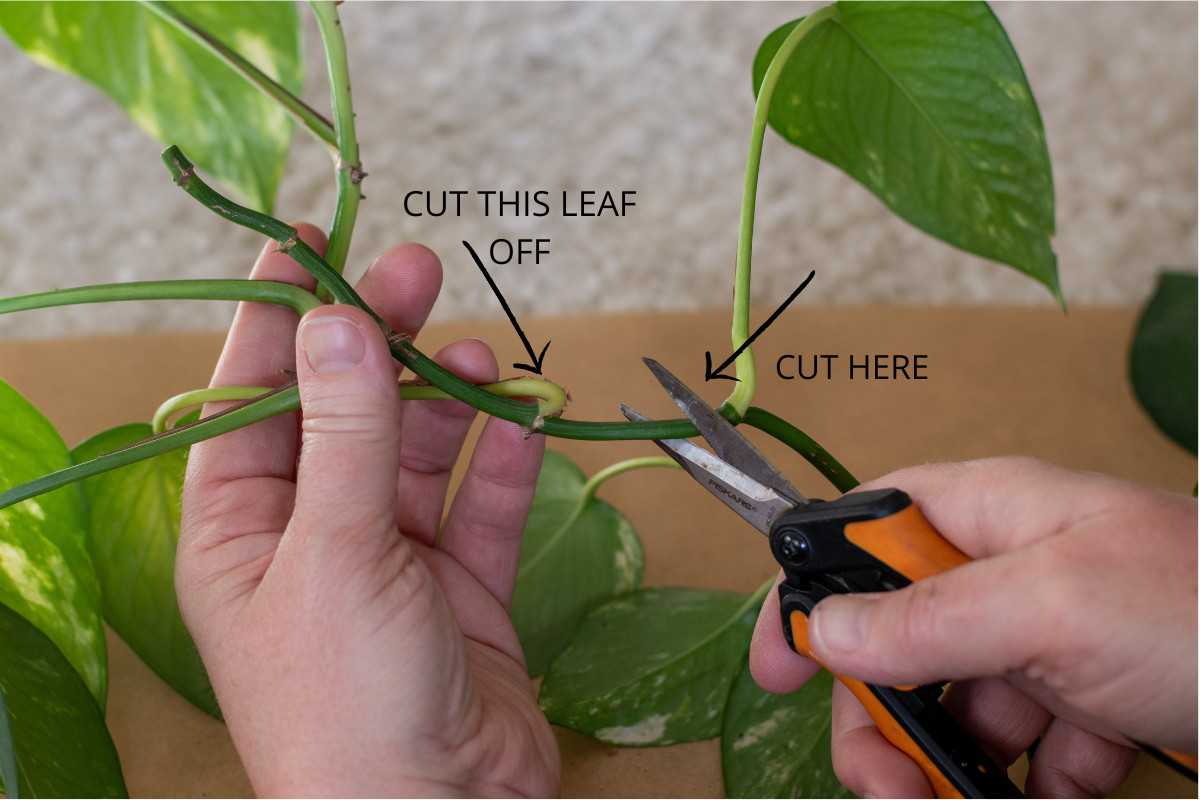
To effectively prune leggy stems, follow these detailed steps to ensure healthy growth and a fuller appearance of your plants.
1. Identify Leggy Stems: Recognize which portions of your plant exhibit elongated stems with sparse foliage. These are typically the result of insufficient light or improper care.
2. Prepare Your Tools: Use clean, sharp pruning shears or scissors. Disinfect the blades with alcohol to prevent the spread of disease.
3. Make the Cuts: Locate a leaf node on the leggy stem; this is the point where a leaf meets the stem. Cut about 1/4 inch above this node to encourage new growth. Pruning at this junction stimulates the plant to produce branches from the node, leading to a bushier appearance.
Choosing the Right Time to Prune
Pruning is best done at specific times of the year to minimize stress on the plant.
- Spring: Considered the best time for most plants as they are entering their growth phase.
- After Flowering: Prune certain flowering plants after they have bloomed to encourage new growth without affecting flower production.
- In Fall: For some plants, this is a good time to prepare them for winter, reducing their size before dormancy.
Signs Your Plant Needs Pruning
Recognizing when to prune can prevent further issues with plant health.
- Thin Growth: If a plant has uneven, sparse foliage on its stems, it's a sign that pruning is necessary.
- Yellowing Leaves: Leaves turning yellow, especially on the leggy stems, can indicate poor health due to lack of energy.
- Overcrowding: If growth is crowded, cutting back leggy stems can improve air circulation and light distribution.
Post-Pruning Care
After pruning, it’s crucial to care for your plant properly for optimal recovery.
- Watering: Ensure the plant receives adequate moisture, but avoid overwatering, as pruned plants may require less water initially.
- Fertilizing: Use a balanced fertilizer to promote recovery and growth in the weeks following pruning.
- Light Exposure: Place the plant in a location where it receives appropriate light to help it bounce back and encourage bushier growth.
Techniques for Pruning Leggy Plants
Utilizing effective techniques can maximize the benefits of your pruning efforts.
- Pinching Back: Besides cutting, pinching back the tips of leggy stems encourages branching.
- Cutting to Shape: Trim stems to maintain the plant's natural shape, enhancing its aesthetic appeal.
- Thinning: Remove some leggy stems altogether to improve overall structure and health of the plant.
Different Types of Plants and Their Pruning Needs
Understanding various plant types will help tailor your pruning methods accordingly.
- Herbaceous Plants: Typically need more frequent pruning to encourage bushy growth.
- Woody Plants: Require less frequent pruning; focus on cutting back leggy stems selectively.
- Succulents: These may need leggy stems pruned back to prevent excessive elongation due to low light, ensuring a compact form.
Questions from Our Readers
How should I start pruning leggy heuchera?
To begin pruning leggy heuchera, you should first identify the long, overgrown stems that detract from the plant's appearance. Using clean and sharp pruning shears, trim these stems back to a healthy leaf node or all the way down to the ground if necessary.
When is the best time to prune heuchera?
The optimal time to prune leggy heuchera is during the early spring as new growth begins to emerge. Pruning at this time encourages denser growth and helps the plant regain its shape before the growing season fully kicks in.
How much should I prune off my leggy heuchera?
When pruning leggy heuchera, aim to remove about one-third of the total height of the plant or cut back to the nearest leaf node. This will help rejuvenate the plant without causing too much stress and promote a more compact growth habit.
Can I prune heuchera in the fall?
It is generally not advisable to prune heuchera in the fall. Pruning at this time can expose the plant to harsh winter conditions, potentially making it more vulnerable to damage. It's best to reserve pruning for spring to ensure the plant’s health.
See also:
If you want to read more articles like How Do You Prune Leggy Heuchera? A Complete Guide to Revitalize Your Plants, we recommend you check out our Heuchera category.
Leave a Reply
Related Articles