How to Correct a Leggy Plant? Tips and Tricks for Promoting Healthy Growth
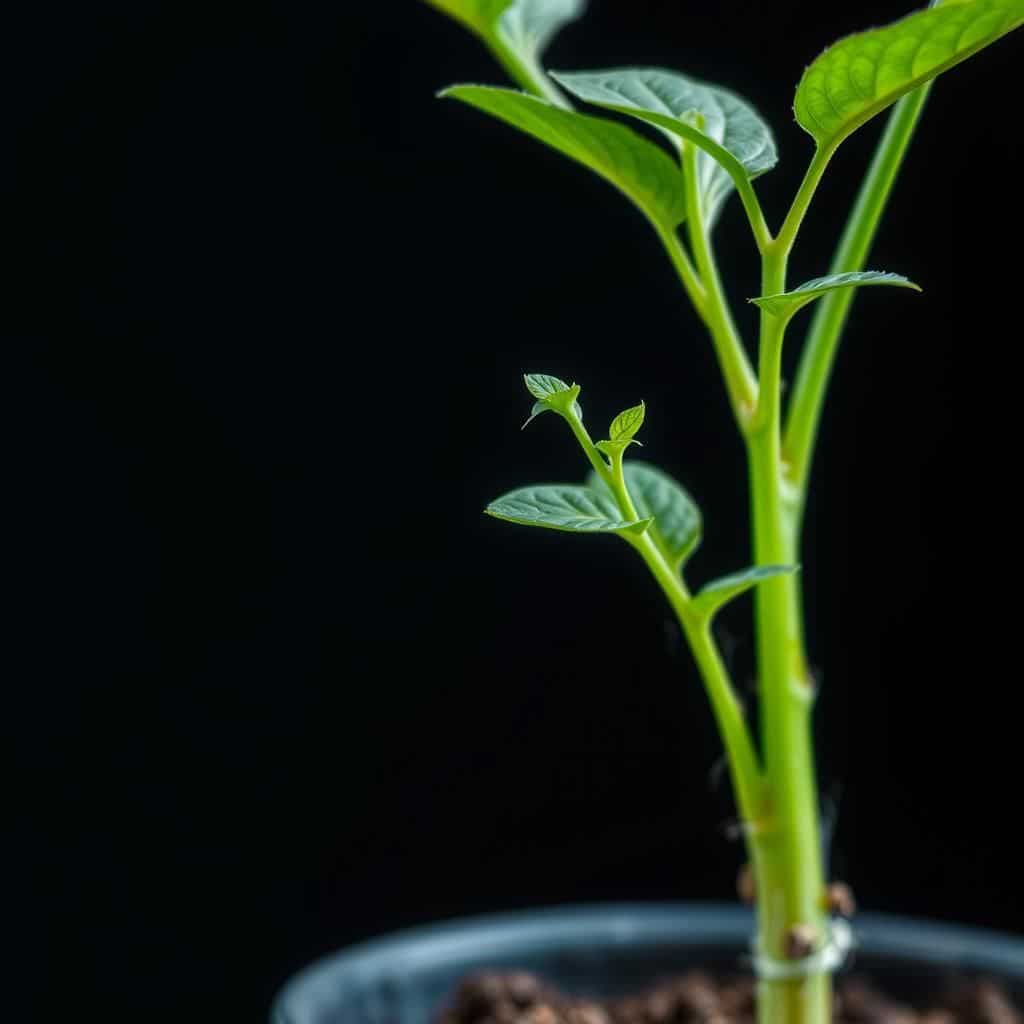
Leggy plants, characterized by elongated stems and sparse foliage, can be a frustrating sight for any plant enthusiast. These plants often struggle to thrive due to insufficient light or improper care, leading to their awkward, stretched appearance. However, correcting a leggy plant is not only possible but can be a rewarding experience that promotes healthier growth. In this article, we will explore practical tips and tricks to revive your leggy plants, from adjusting their light exposure to pruning techniques that encourage bushier growth. With the right approach, you can nurture your plants back to a vibrant and balanced state.
How to Correct a Leggy Plant?
To correct a leggy plant, the first step is to assess the lighting conditions, as inadequate light often leads to elongated stems in search of more brightness. Ensure the plant is placed in a location that receives sufficient natural light, or consider using grow lights if natural sunlight is not available. Additionally, pruning the elongated stems back to a healthier height can encourage new growth and a more compact appearance. Be sure to use clean, sharp scissors for trimming, and consider rotating your plant periodically to promote even growth on all sides. Lastly, adjusting your watering and fertilization routine can boost overall health, aiding in the recovery of your leggy plant.
Understanding Why Plants Become Leggy
Plants typically become leggy due to insufficient light, causing them to stretch toward the light source. This often happens when they are placed in low-light environments, resulting in elongated internodes and thin, weak stems. Additionally, overwatering can result in poor root development, which may also contribute to leggy growth. Understanding the causes of legginess is essential for implementing corrective measures effectively to improve the plant's overall health.
Choosing the Right Light Conditions
To ensure your plant thrives, it is essential to provide it with the appropriate lighting conditions. Generally, most houseplants require bright, indirect light. Analyze the specific light requirements of your plant species; some may thrive in full sun while others prefer shadier spots. Position your plant near a window or use grow lights to boost visibility, keeping in mind to adjust the distance based on the plant's needs to prevent burning.
Pruning Techniques for Leggy Plants
Pruning is an effective method to manage a leggy plant. Use sterilized scissors to cut back the elongated stems to a desirable height, ideally just above a leaf node where new growth can emerge. This not only helps in shaping the plant but also stimulates bushier growth. However, avoid removing more than one-third of the plant at once to reduce stress. After pruning, it’s a good practice to remove any dead or yellowing leaves to promote better air circulation.
Watering and Fertilization Practices
Proper watering and fertilization are crucial for correcting a leggy plant. Ensure the plant is not overwatered, as soggy soil can stifle root growth, leading to legginess. Water the plant only when the top inch of soil feels dry, allowing the roots to develop well. Regarding fertilization, apply a balanced liquid fertilizer every 4-6 weeks during the growing season to provide necessary nutrients for healthy growth. This boosts the plant’s robustness and encourages fuller foliage.
Repotting for Better Growth
Sometimes, leggy growth can be a sign that your plant has outgrown its pot. Consider repotting it into a slightly larger container with fresh, well-draining potting mix. This will not only provide more room for root expansion but can also rejuvenate the plant with new nutrients. When repotting, take care not to disturb the roots too much to minimize stress. Optimal pot size and soil can greatly assist in improving the plant's stability and overall health.
| Factors | Description |
|---|---|
| Light | Inadequate light leads to leggy growth. |
| Watering | Overwatering can prevent proper root development. |
| Pruning | Encourages bushier growth by removing leggy stems. |
| Fertilization | Promotes healthy growth when nutrients are balanced. |
| Repotting | Provides space and nutrients for growing roots. |
Can plants recover from being leggy?
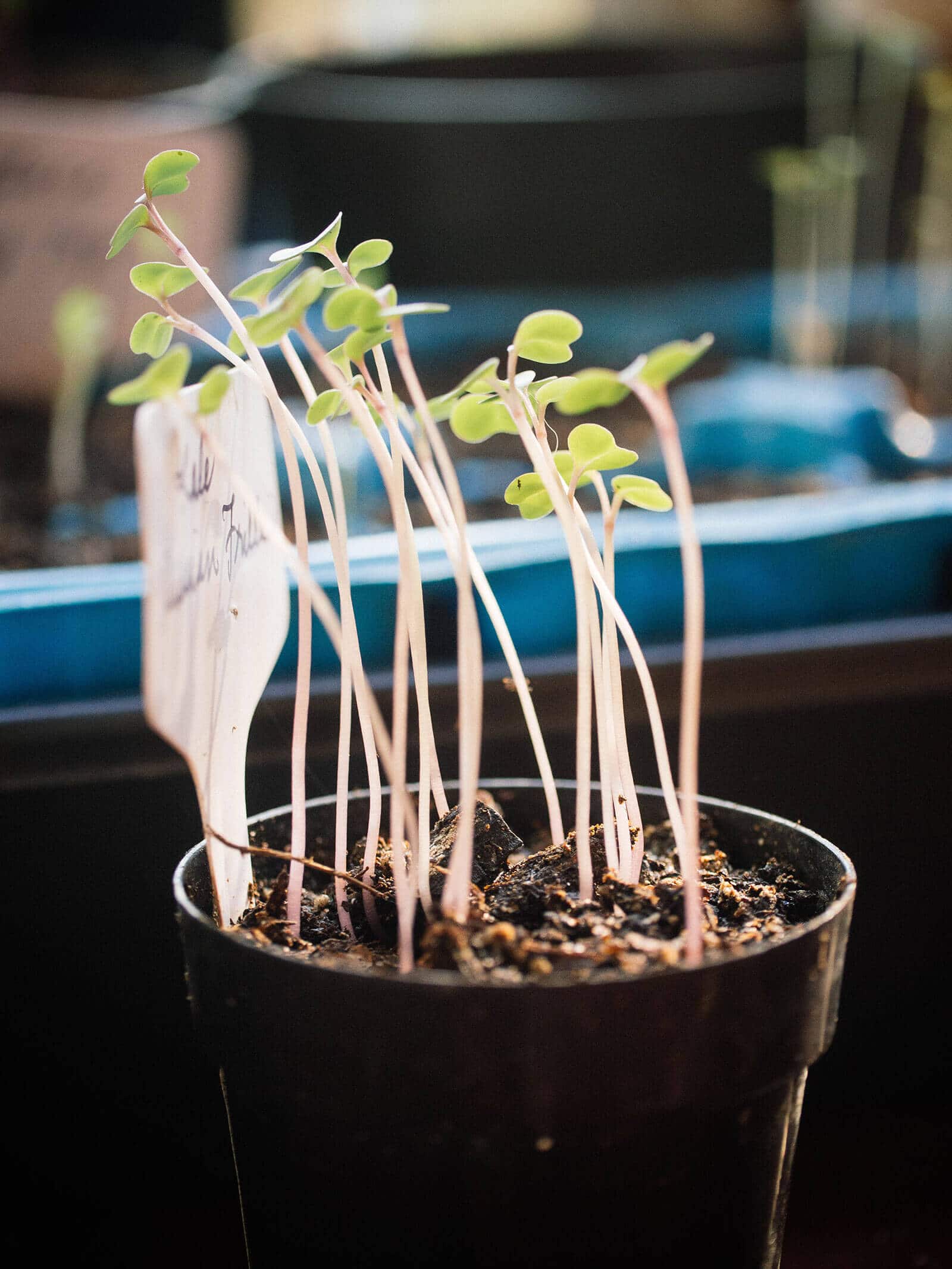
Yes, plants can recover from being leggy, but the recovery process requires proper care and attention. A leggy plant often indicates that it is not receiving adequate light, causing it to stretch towards the light source. This can lead to weak stems and a sparse appearance. To help a leggy plant recover, consider the following:
1. Provide Adequate Lighting: Moving your plant closer to a light source can help it regain its strength and density. Use grow lights if natural light isn't sufficient.
2. Pruning: Trimming back the leggy stems can encourage new growth and thicker, healthier leaves. This also redirects the plant's energy towards more vigorous growth.
3. Repotting: If the roots are cramped, repotting into a larger container can provide more room for growth, offering better nutrient and water absorption.
4. Fertilization: Using a balanced fertilizer can support the recovery by providing essential nutrients that may have been lacking.
5. Adjusting Watering Habits: Ensuring the plant has proper moisture levels can improve overall health, aiding in its recovery from legginess.
Understanding the Causes of Legginess
Legginess in plants is most often caused by low light conditions. When plants do not receive sufficient light, they tend to reach out towards light sources, resulting in elongated stems and sparse foliage. Other factors contributing to legginess include:
See also:
- Poor Nutrient Supply: Lack of nutrients can weaken growth, making plants more vulnerable to legginess.
- Water Stress: Both overwatering and underwatering can stress plants, leading to leggy growth patterns.
- Inadequate Support: Some plants naturally grow tall and require support; without it, they may become leggy over time.
Signs of a Leggy Plant
Identifying a leggy plant is straightforward. Common signs include:
- Extended Stems: The stems appear stretched and longer than normal, often with fewer leaves.
- Weak Structure: The plants may lean or flop easily due to the lack of strength in their stems.
- Sparse Foliage: Leaves grow farther apart, resulting in a sparse look compared to healthy foliage density.
Techniques to Help Plants Recover
To promote recovery from legginess, you can employ several techniques:
- Improve Light Conditions: Increase light exposure by relocating the plant or adding artificial lights.
- Regular Pruning: Cut back leggy stems to promote bushier growth and develop a stronger root system.
- Optimal Watering Practices: Adjust your watering routine to ensure the plant receives just the right amount of moisture.
Choosing the Right Fertilizer
Selecting the right fertilizer is crucial in supporting a leggy plant's recovery:
- Balanced Nutrients: Look for fertilizers that provide equal amounts of nitrogen, phosphorus, and potassium.
- Slow-Release Options: Consider using slow-release fertilizers for consistent nutrient availability over time.
- Organic Alternatives: Compost and organic fertilizers can also enrich the soil naturally.
Long-Term Care for Healthy Growth
Ensuring long-term recovery and prevention of legginess involves ongoing care:
- Regular Checkups: Monitor plant health frequently, adjusting care as needed based on growth patterns.
- Adjust Light Rotations: Rotate plants near light sources to ensure even growth on all sides.
- Choose Appropriate Pot Sizes: Repot plants as they grow to prevent root crowding and promote vigor.
How do you make a leggy plant bushy?
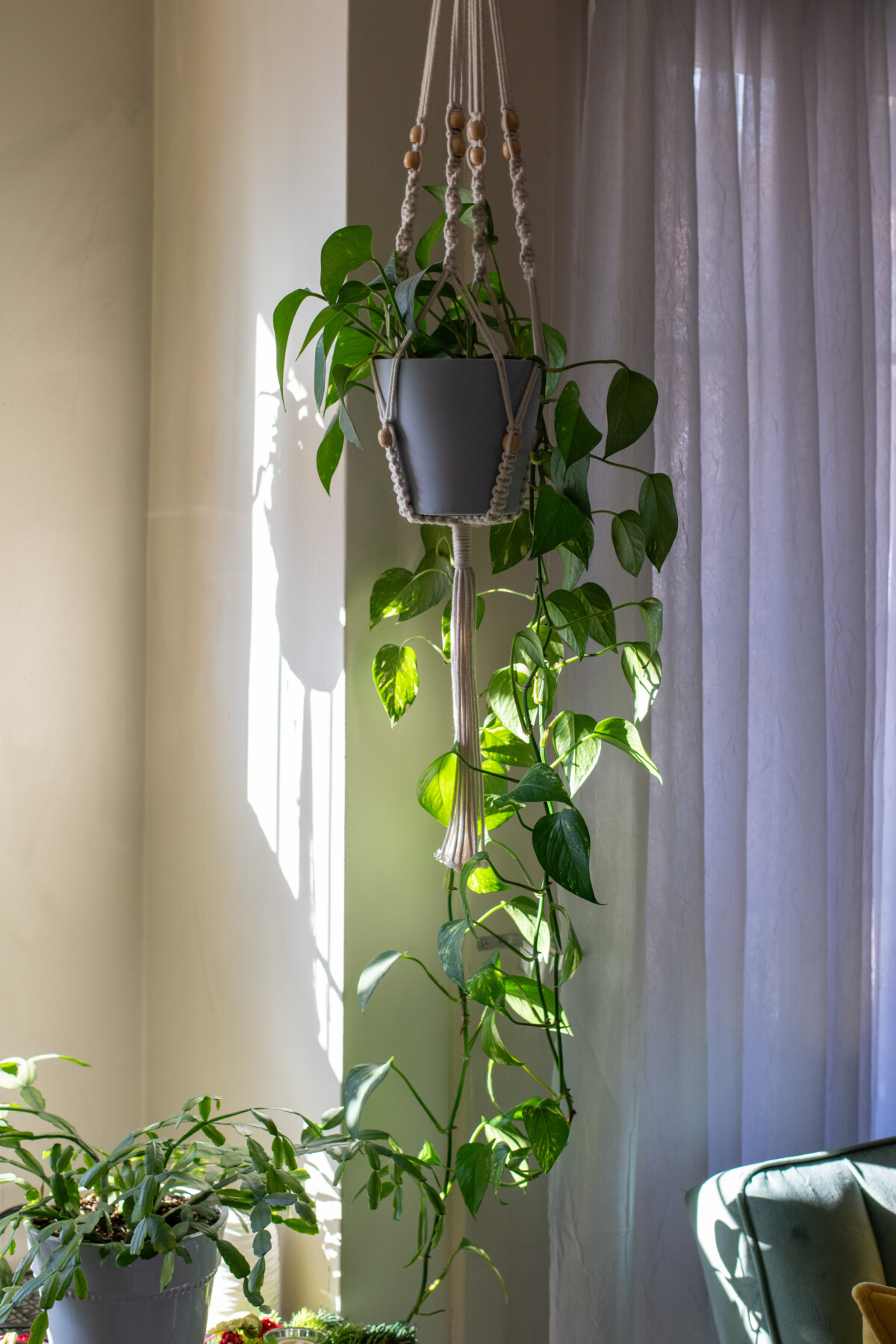
To make a leggy plant become more bushy, you can employ several techniques that encourage lateral growth and enhance the overall appearance of your plant. Leggy plants typically grow tall and stretched due to insufficient light or other factors. By implementing the following strategies, you can transform a leggy plant into a fuller, healthier specimen.
Assess Light Conditions
Assessing the light conditions is the first step in making a leggy plant bushy. Leggy growth often indicates that the plant is reaching for more light. To rectify this, consider the following steps:
- Place your plant in a location with bright, indirect light.
- Rotate the plant regularly to ensure all sides receive equal light exposure.
- If indoors, consider using grow lights to supplement natural light.
Pinching Back Growth
Pinching back the tips of the stems is an effective method to encourage bushiness. This practice promotes branching and denser foliage. Follow these guidelines:
- Use clean, sharp scissors or pinching with your fingers to remove the top inch of growth.
- Pinch back new growth regularly to stimulate lateral branches.
- Be cautious not to remove more than a third of the plant at once to prevent stress.
Proper Pruning Techniques
Regular pruning is essential for maintaining a bushy appearance in leggy plants. Pruning encourages new growth and structural integrity. Consider these steps:
- Identify any dead or damaged stems to remove entirely.
- Trim any overly long stems back to a node to promote bushiness.
- Prune during the growing season for optimal results, usually spring or summer.
Improving Soil and Nutrients
The quality of soil and the availability of nutrients play a significant role in the health of a plant. Ensuring that your leggy plant has access to the necessary nutrients can help it grow fuller. Here's how to do that:
- Use a well-draining potting mix that encourages root growth.
- Fertilize with a balanced, water-soluble fertilizer every 4-6 weeks during the growing season.
- Consider using organic amendments like compost to enhance soil quality.
Repotting the Plant
If your leggy plant is confined to a small pot, it might not be able to develop a strong, bushy structure. Repotting can provide it with more space and fresh soil. Here’s what to do:
- Select a pot that is 1-2 inches larger in diameter than the current one.
- Gently remove the plant from its pot, loosening the roots if necessary.
- Fill the new pot with fresh potting soil, ensuring good drainage.
How to cut back a leggy plant?
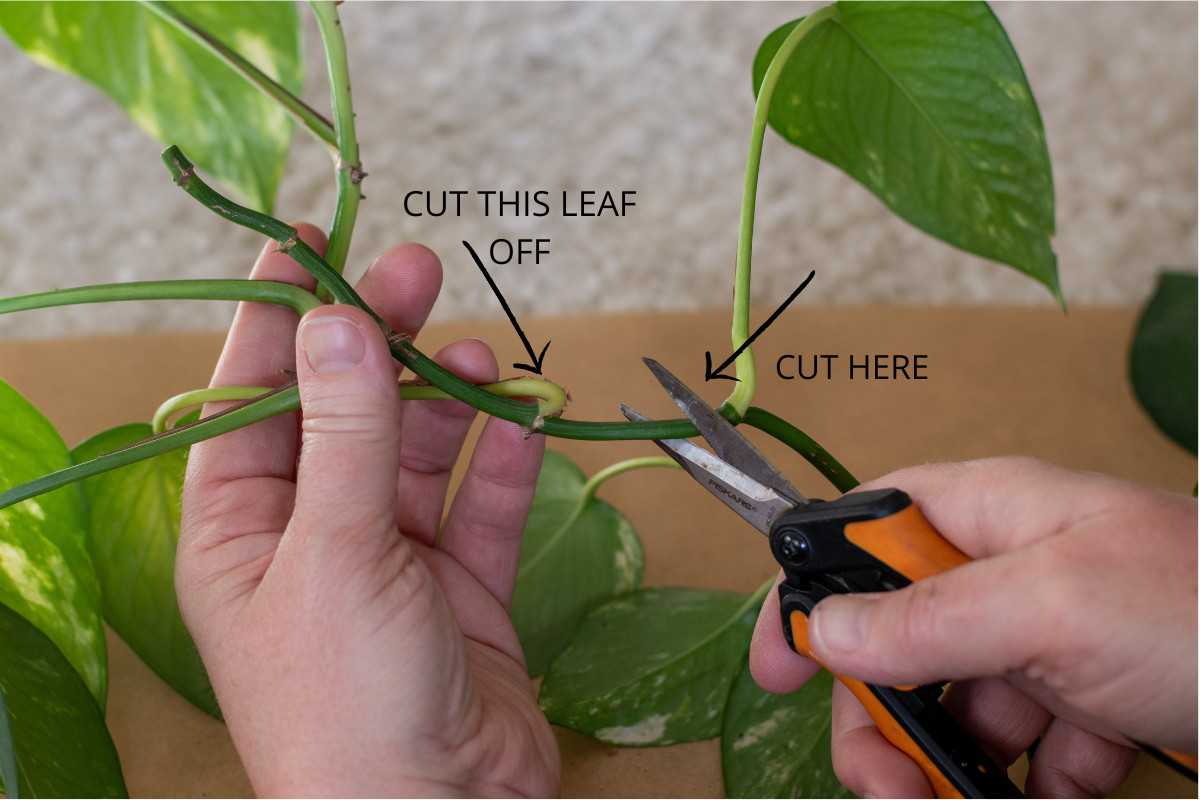
To effectively cut back a leggy plant, you'll want to follow several steps to ensure the health and appearance of your plant improve. A leggy plant is typically characterized by elongated stems and sparse leaves, often a result of insufficient light. Pruning can help rejuvenate the plant, encouraging bushier growth and a more robust structure. Here’s how to do it:
Assessing the Plant
Before making any cuts, it’s essential to assess the plant to determine how much growth needs to be trimmed back. Look for areas where the stems are excessively long and where foliage is sparse. This evaluation can guide your pruning decisions.
- Identify leggy stems that are longer than others.
- Look for areas with weakened or yellowing leaves, indicating poor health.
- Determine how much growth to remove based on the overall health and size of the plant.
Gathering Tools
Having the right tools is vital for a clean and effective cut. The tools you’ll need can greatly influence the outcome of your pruning efforts. Here are some essential tools for the job:
See also:
- A pair of sharp pruning shears or scissors to make clean cuts.
- Gloves to protect your hands from sap and sharp edges.
- A clean cloth to wipe tools, preventing disease spread between plants.
Making the Cuts
Once you’ve identified which stems to trim, it's time to make your cuts. This step is crucial as improper cutting can harm the plant. To ensure a healthy removal, follow these guidelines:
- Cut just above a leaf node or a branching point to encourage new growth.
- Remove no more than one-third of the plant’s total height at a time.
- Make cuts at a 45-degree angle to promote quick healing of the wounds.
Aftercare for the Pruned Plant
After pruning, it’s essential to provide proper care to help the plant recover and thrive. Post-pruning care can significantly impact the plant’s ability to regrow healthier and fuller. Consider the following:
- Water the plant lightly to help reduce shock and promote recovery.
- Ensure the plant receives adequate light, possibly relocating it to a brighter spot.
- Fertilize sparingly to support new growth without over-stimulating the plant.
Preventing Future Legginess
To avoid the issue of legginess in the future, there are several practices you can incorporate into your care routine. By proactively addressing lighting and growth concerns, you can maintain a healthier plant structure. Focus on these aspects:
- Place your plant in a location with adequate sunlight based on its specific needs.
- Rotate the plant regularly to ensure it receives even light exposure.
- Regularly prune and pinch back new growth to encourage bushiness.
Can you bury leggy stems?

Yes, you can bury leggy stems when propagating plants. Leggy stems are usually a sign that the plant is trying to reach for more light, resulting in elongated growth. Burying these stems can help encourage new root development and promote a bushier growth habit. Here’s how you can effectively manage leggy stems by burying them:
1. Preparation: Before you begin, ensure you have the right materials. Select a pot with drainage holes, a well-draining potting mix, and the leggy stem you wish to bury.
2. Trimming: Trim the leggy stem, especially if it has become excessively long. Leave a few nodes (where leaves attach to the stem) intact, as nodes play a crucial role in root growth.
3. Burying: Place the trimmed stem in the potting mix at a depth that covers the nodes. This encourages root development from the buried sections.
Advantages of Burying Leggy Stems
Burying leggy stems has several advantages that can benefit the overall health of the plant:
- Encourages Root Growth: Burying provides an opportunity for new roots to develop from the buried nodes.
- Bushier Foliage: As new growth emerges from the buried stem, the plant can achieve a fuller appearance.
- Stability: A buried stem often offers more support, reducing the risk of toppling or bending.
Identifying Leggy Stems
Recognizing leggy stems is important for effective plant care. Here are some key identifiers:
- Length: The stem appears longer than usual in relation to its leaves, often with excessive spacing between nodes.
- Thinness: The stems may appear spindly or weak, lacking the typical thickness of healthy growth.
- Leaf Development: Fewer leaves are produced, or the leaves are relatively small compared to the stem length.
Best Practices for Burying Leggy Stems
When you decide to bury leggy stems, following best practices ensures successful propagation:
- Use Clean Tools: Always use sanitized cutting tools to prevent diseases.
- Choose the Right Soil: A well-draining potting mix helps prevent rot while encouraging healthy root development.
- Ensure Proper Watering: After burying, water the plant adequately but avoid overwatering to ensure the roots establish effectively.
Plant Types That Benefit From Burying Leggy Stems
Not all plants react the same way to leggy stems. Some specific plant types that benefit from burying leggy stems include:
- Succulents: Many succulents can root from their stems, making them ideal candidates for burying.
- Stem Cuttings: Plants like Coleus and Pothos can thrive when their leggy stems are buried.
- Herbaceous Perennials: Plants such as Basil and Mint produce new growth from buried stems.
Steps to Care for Newly Buried Stems
Proper aftercare is essential for newly buried stems to thrive. Follow these steps to ensure their success:
- Monitor Light Conditions: Avoid direct sunlight initially to reduce stress on the newly planted stem.
- Maintain Humidity: Using a humidity dome or misting can help retain moisture while roots establish.
- Fertilization: Delay fertilizing until the new growth is well established to avoid burning the roots.
Questions from Our Readers
How can I identify a leggy plant?
Identifying a leggy plant is fairly simple; you will notice that the stems are elongated and the leaves are sparse or small. This typically occurs when the plant is reaching toward a light source. A healthy plant usually has a compact growth with well-distributed foliage, so if your plant appears stretched or has long spaces between the leaves, it is likely leggy.
What are the main causes of leggy growth in plants?
The primary cause of leggy growth is usually insufficient light exposure. When a plant does not receive enough light, it will stretch out its stems in an effort to find a source of light. Other factors can include over-fertilization or improper watering, which can also lead to weak and elongated growth.
How can I fix a leggy plant?
To fix a leggy plant, you can start by pruning back the elongated stems to encourage bushier growth. Additionally, make sure to relocate your plant to a spot with better light conditions, or consider supplementing with grow lights if natural light is limited. This will help the plant regain its healthy and compact form.
Can I propagate a leggy plant?
Yes, you can propagate a leggy plant by cutting the healthy stems, especially those that are still green and firm. After pruning, place the cuttings in water or soil to root. This not only helps reduce the leggy appearance of the original plant but also allows you to create new plants from the cuttings.
See also:

If you want to read more articles like How to Correct a Leggy Plant? Tips and Tricks for Promoting Healthy Growth, we recommend you check out our Plants category.
Leave a Reply
Related Articles