Will Coral Bells Survive in Shade? Expert Tips for Successful Growing
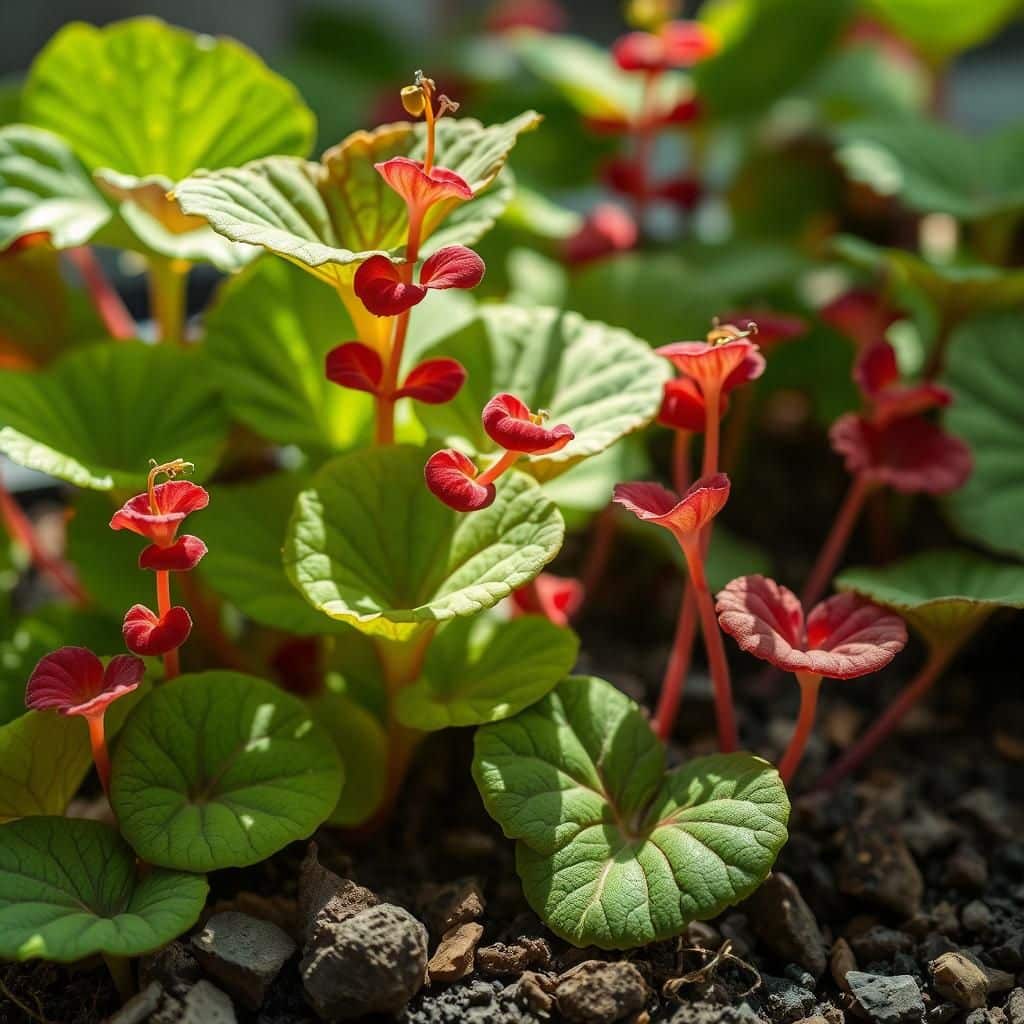
Coral bells, known for their vibrant foliage and delicate flowers, are a popular choice for gardeners seeking to enhance their landscapes. However, the question of whether these enchanting plants can thrive in shaded environments often arises. Understanding the specific requirements of coral bells is crucial for successful cultivation, especially in less-than-ideal lighting conditions. In this article, we will explore expert tips and techniques to ensure that your coral bells not only survive but flourish in the shade. From soil preparation to watering practices, we will provide insights that will help you make the most of these beautiful plants, even in low-light settings.
Will Coral Bells Survive in Shade?
Coral bells, scientifically known as Heuchera, are popular ornamental plants that can thrive in shaded conditions, making them ideal for garden areas with limited sunlight. While they prefer partial shade, many varieties of coral bells can tolerate deeper shade, though they may not produce as vibrant foliage colors or as many flowers in low-light conditions. The key to their survival in shade lies in selecting the right cultivar, ensuring proper soil drainage, and maintaining a consistent moisture level, which can help prevent stress on the plants and promote healthy growth.
Understanding Coral Bells' Light Requirements
Coral bells generally prefer partial shade to full shade. Exposure to direct sunlight for extended periods can cause leaf scorch and reduce their overall vitality. However, certain varieties are more tolerant of shade than others. Knowledge of the specific light requirements of different cultivars is essential to successfully growing them in shaded areas.
How to Choose the Right Variety for Shady Areas
When selecting coral bells for shady locations, it’s important to consider the specific varieties known for their shade tolerance. For example, Heuchera 'Obsidian' and Heuchera 'Dolce Peach Melba' are often recommended for shadier spots due to their ability to thrive with minimal sunlight. Researching the attributes of each type will help ensure a successful match for your garden's light conditions.
Soil Conditions for Coral Bells in Shade
Coral bells thrive in well-draining soil, which helps maintain moisture while preventing root rot. In shaded environments, the soil can retain moisture longer; therefore, ensuring that the soil is mixed with organic matter like compost can enhance fertility and drainage. This will create an optimal environment for coral bells to flourish, even in limited light.
Watering Needs of Coral Bells in Shady Locations
Watering coral bells in shaded areas requires attention to their moisture needs. While shade can lessen evaporation rates, it’s crucial to monitor the soil moisture to avoid overwatering. A consistent watering schedule that considers the plant's surrounding environment can help provide the right amount of hydration, encouraging healthy growth and blooming.
Potential Challenges of Growing Coral Bells in Shade
While coral bells can survive in shade, there are challenges to consider. Pest problems, such as aphids or vine weevils, can increase in shaded plants due to high humidity levels. Additionally, competition from tree roots for nutrients and moisture can affect their growth. Awareness of these issues helps in taking proactive measures to maintain the health of coral bells.
| Variety | Light Preference | Water Needs |
|---|---|---|
| Heuchera 'Obsidian' | Partial Shade | Moderate |
| Heuchera 'Dolce Peach Melba' | Full Shade | Regular |
| Heuchera 'Caramel' | Partial Shade | Moderate |
| Heuchera 'Electra' | Full Shade | Consistent |
| Heuchera 'Berry Smoothie' | Partial Shade | Regular |
Can coral bells take full shade?
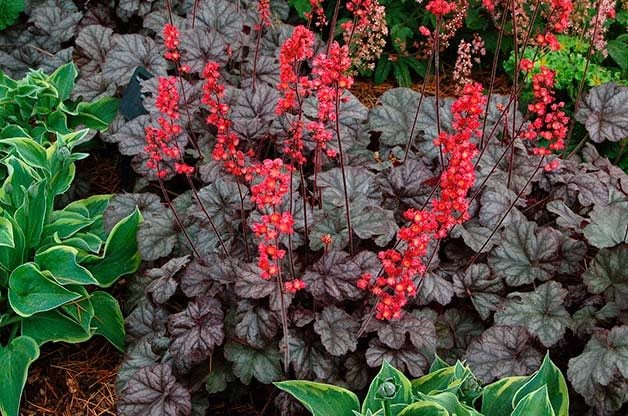
Coral bells, scientifically known as Heuchera, are popular ornamental plants known for their vibrant foliage and delicate flowers. When it comes to their tolerance for lighting conditions, full shade can be a limiting factor for many varieties of coral bells. Here's a detailed explanation of whether coral bells can thrive in full shade, along with relevant information in structured HTML format.
Can Coral Bells Thrive in Full Shade?
Coral bells can tolerate partial shade but typically do not perform well in full shade. While certain varieties may withstand low light conditions, many will not bloom adequately or maintain the vibrancy of their foliage without some exposure to sunlight. In full shade, coral bells might show reduced growth and are less likely to produce the characteristic flowers that make them a favorite among gardeners. Adequate light exposure is essential for photosynthesis, which impacts the plant's overall health and vibrancy.
Factors Affecting Growth in Full Shade
Coral bells' ability to grow in full shade can be influenced by several factors:
- Type of coral bells: Some varieties are bred to handle lower light conditions better than others.
- Soil quality: Nutrient-rich soil can help coral bells thrive even with limited sunlight.
- Moisture levels: Adequate watering helps support growth, especially in shaded environments.
Varieties Suited for Shaded Areas
Certain Heuchera varieties are better suited for shaded environments:
See also:
- Heuchera 'Palace Purple': Renowned for its striking dark foliage, performs reasonably well in partial shade.
- Heuchera 'Caramel': Offers bright foliage and can adapt to low light, but still prefers some indirect sunlight.
- Heuchera 'Lime Rickey': Vibrant lime-green leaves can brighten shaded areas, thriving better with some filtered light.
Advantages of Planting Coral Bells in Partial Shade
While full shade may not be ideal, partial shade offers benefits:
- Color retention: Coral bells maintain their vibrant foliage colors more effectively when sheltered from harsh sunlight.
- Extended life span: Plants often have a longer life in less stressful conditions, which lower light can provide.
- Reduced water stress: Shade can help retain moisture in the soil, reducing the need for frequent watering.
Common Issues When Growing in Full Shade
When coral bells are planted in full shade, certain issues may arise:
- Leggy growth: Lack of sunlight may lead to elongated stems and sparse foliage.
- Reduced flowering: Coral bells in full shade often produce fewer blooms, affecting their ornamental appeal.
- Pests and diseases: Shaded environments can sometimes increase humidity, which may foster mold and fungal diseases.
Care Tips for Coral Bells in Shade
Proper care can help enhance growth in shaded conditions:
- Regular watering: Ensure the soil remains moist but not soggy to support healthy growth.
- Fertilization: Use a balanced fertilizer to provide essential nutrients throughout the growing season.
- Mulching: Apply a layer of mulch to maintain moisture levels and regulate temperature.
How many hours of sun do coral bells need?
:strip_icc()/purple-palace-coralbells-heuchera-2af3c0c3-775561fbb7d440628cfd2aa9e14ab616.jpg)
Coral bells, known scientifically as Heuchera, are versatile and attractive perennial plants favored for their colorful foliage and delicate flowers. When it comes to their sunlight requirements, coral bells thrive best with filtered sunlight or partial shade rather than direct, harsh sunlight. Ideally, they need about 4 to 6 hours of sun each day. However, too much direct sunlight can lead to leaf scorch and reduce their overall vigor. Here is a detailed breakdown of their sun needs and care.
Understanding Coral Bells Light Requirements
Coral bells prefer a balanced sunlight environment that allows them to flourish. They thrive with 4 to 6 hours of sunlight daily but do not fare well under extreme exposure. An understanding of their sunlight requirements includes:
- Filtered Sunlight: Morning sun is ideal, as it helps to avoid scorching.
- Shady Areas: Coral bells do well in locations that receive afternoon shade.
- Adaptability: They are adaptable to varying light conditions but need protection from intense midday sun.
Effects of Too Much Sun
Having too much direct sunlight exposure can be detrimental to the health of coral bells. Excessive sunlight can lead to several issues:
- Leaf Scorch: Leaves can become brown and crispy at the edges.
- Reduced Growth: Overexposure may stunt plant growth and development.
- Flower Drop: High temperatures and sun can cause flowers to drop prematurely.
Benefits of Partial Shade
Setting coral bells in partial shade can yield numerous benefits that enhance their growth and aesthetic appeal:
- Vibrant Colors: Leaf coloration tends to be more vivid in shaded conditions.
- Healthier Growth: Preventing leaf scorch promotes better overall plant health.
- Longevity: Plants in partial shade often experience a longer lifespan.
Best Locations for Coral Bells
Choosing the right location is crucial for the thriving condition of coral bells, and the following places are ideal:
- Under Deciduous Trees: This provides dappled sunlight and natural shade.
- East or North-Facing Gardens: These orientations get morning sun and afternoon shade.
- Near Patios or Porches: These areas can create microclimates conducive to growth.
Tips for Growing Coral Bells
To ensure your coral bells are healthy and flourishing, consider these essential tips:
- Proper Spacing: Ensure adequate spacing to promote airflow and reduce competition for sunlight.
- Mulching: Apply a layer of mulch to retain moisture and regulate soil temperature.
- Moisture Needs: Keep the soil consistently moist, especially in warmer months, without overwatering.
Can you plant coral bells under trees?
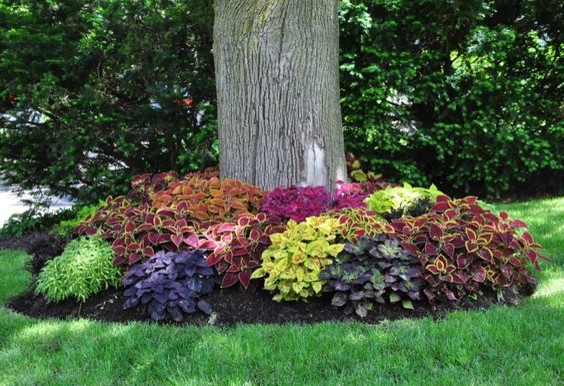
Coral bells, known scientifically as Heuchera, are charming perennial plants popular for their attractive foliage and delicate flowers. Planting coral bells under trees can be a beneficial decision, but there are some factors to consider that can affect their growth and overall health.
Factors Influencing Planting Under Trees
When considering planting coral bells under trees, several factors come into play:
See also:
- Light Availability: Coral bells prefer partial to full shade, making them suitable for areas with filtered sunlight.
- Soil Quality: The quality of the soil under trees is often diminished due to competition for nutrients and water.
- Moisture Levels: The tree canopy can limit water availability, so it's crucial to monitor soil moisture levels.
Benefits of Planting Coral Bells Under Trees
Planting coral bells in shaded areas beneath trees offers several benefits:
- Soil Conservation: Their root systems can help prevent soil erosion.
- Aesthetic Appeal: The vibrant foliage of coral bells can brighten up shaded areas, enhancing garden beauty.
- Companion Planting: They can thrive alongside other shade-loving plants, creating a diverse ecosystem.
Choosing the Right Tree
Not all trees are suitable for planting coral bells underneath. Tree selection plays a significant role in plant health:
- Type of Tree: Deciduous trees are preferable as they provide shade in the summer and allow sunlight in the winter.
- Root Competition: Trees with shallow or aggressive roots may compete harshly for nutrients and water.
- Canopy Density: Thinner canopies allow more light to reach the ground, benefiting coral bells.
Soil Preparation and Care
Preparing the soil before planting is crucial for the success of coral bells:
- Soil Amendments: Mix organic compost to improve drainage and nutrient levels.
- pH Levels: Heucheras prefer slightly acidic to neutral soil, so testing and amending the pH might be necessary.
- Mulching: Applying mulch can help maintain moisture and suppress weeds, benefiting coral bells.
Maintenance Considerations
Once planted, maintaining coral bells under trees requires some attention:
- Watering: Regular watering is important, especially in dry spells, to ensure they establish well.
- Fertilization: Light fertilization in early spring can help promote healthy growth.
- Pruning: Remove dead leaves and spent flowers to encourage new growth and keep plants tidy.
Why do my heucheras keep dying?

Heucheras, also known as coral bells, can be wonderful additions to your garden, but they can sometimes struggle to thrive. Here are some reasons why your heucheras may be dying:
Improper Soil Conditions
The soil in which your heucheras are planted can significantly affect their health. Heucheras prefer well-draining, rich soil that retains moisture without becoming waterlogged. If the soil is too compact, it can suffocate the roots, leading to decline.
- Ensure the soil has good drainage to prevent root rot.
- Amend the soil with organic matter like compost for better moisture retention.
- Avoid planting in heavy clay or sandy soils without proper amendments.
Watering Issues
Watering practices are crucial for maintaining healthy heucheras. Both overwatering and underwatering can cause stress, leading to plant death.
- Check the moisture of the soil; it should be slightly moist, but not soggy.
- Water consistently, especially during dry spells, ensuring the plants receive enough hydration.
- Use mulch to help retain soil moisture and regulate soil temperature.
Excessive Sun Exposure
Heucheras thrive in partially shaded environments. Too much direct sunlight can scorch the leaves, leading to wilting and death.
- Assess the sun exposure in your garden and consider relocating the plants if they receive more than six hours of sun daily.
- Provide partial shade with nearby taller plants or structures to reduce harsh sunlight intensity.
- Observe leaf color changes; browning edges may indicate that the plant is getting too much sun.
Pest and Disease Problems
Pests and diseases can significantly affect heuchera health. Common issues include aphids, spider mites, and fungal infections that attack the foliage or roots.
- Regularly inspect the plants for any signs of infestation or unusual spots on leaves.
- Use insecticidal soap or neem oil to combat pests before they cause significant damage.
- Ensure adequate air circulation around the plants to minimize the risk of fungal diseases.
Inadequate Fertilization
Like any other plant, heucheras benefit from proper fertilization. Nutrient deficiencies can lead to poor growth or death.
- Use a balanced, slow-release fertilizer in early spring to promote healthy growth.
- Conduct a soil test to identify any deficiencies or excess nutrients that could impede growth.
- Monitor foliage regularly; yellowing leaves may signify a nutrient problem.
Questions from Our Readers
Will Coral Bells thrive in full shade?
Coral Bells, also known as Heuchera, can survive in full shade, but their growth may be stunted compared to those grown in partial sunlight. They may lose some vibrancy in color and flower production might decrease, but with proper care, they can still flourish.
How much shade can Coral Bells tolerate?
Coral Bells can tolerate partial shade to full shade, though they typically prefer some dappled sunlight. In areas with too much shade, they might struggle to maintain their foliage quality and may become leggy as they stretch for light.
See also:
Do Coral Bells need direct sunlight?
While Coral Bells can survive without direct sunlight, they do benefit from at least a few hours of indirect light daily. Providing them with some sunlight helps enhance their colors and promotes better overall health and flowering.
What conditions are best for Coral Bells in shaded areas?
For Coral Bells in shaded areas, it’s essential to ensure the soil is well-draining and rich in organic matter. Maintaining consistent moisture without waterlogging is crucial, as these plants prefer evenly moist conditions to thrive in lower light environments.

If you want to read more articles like Will Coral Bells Survive in Shade? Expert Tips for Successful Growing, we recommend you check out our Plants category.
Leave a Reply
Related Articles