Can Holy Basil Be Eaten Raw? Discover the Benefits and Ways to Enjoy It!

Holy basil, also known as Tulsi, is a revered herb in traditional medicine, celebrated for its numerous health benefits. Often consumed in teas and supplements, many wonder: can this aromatic plant be eaten raw? This article explores the advantages of consuming holy basil in its fresh form, highlighting its rich nutrient profile and potential wellness benefits. From enhancing flavors in salads to boosting overall health, holy basil offers various ways to incorporate this powerful herb into your diet. Join us as we delve into the benefits and creative culinary uses of eating holy basil raw.
Can Holy Basil Be Eaten Raw?
Holy basil, known scientifically as Ocimum sanctum or Tulsi, can indeed be eaten raw. This aromatic herb is celebrated not only for its culinary uses but also for its numerous health benefits. Consuming holy basil in its raw form allows you to enjoy its potent flavor profile and the nutrients it offers, such as essential oils, vitamins, and antioxidants. Incorporating raw holy basil into salads, smoothies, or as a garnish can enhance the taste of dishes while providing a refreshing and invigorating essence. Furthermore, its anti-inflammatory properties are believed to contribute positively to overall well-being when consumed fresh.
Health Benefits of Raw Holy Basil
Raw holy basil is packed with essential nutrients and antioxidants that support overall health. The consumption of raw leaves can help reduce stress, improve mental clarity, and boost the immune system. Additionally, it may provide anti-inflammatory and antibacterial properties, making it beneficial for maintaining a healthy lifestyle. The high levels of vitamin K, calcium, and iron found in holy basil can also contribute to bone health and increased energy levels.
Culinary Uses of Raw Holy Basil
Raw holy basil can be incorporated into various dishes, adding a unique and aromatic flavor. It is commonly used in salads, sandwiches, and wraps, where its peppery taste can enhance the overall culinary experience. Furthermore, it can be blended into smoothies or used as a garnish for soups and sauces. The versatility of raw holy basil makes it a popular choice among chefs and home cooks alike.
Precautions When Eating Raw Holy Basil
While raw holy basil is generally safe to eat, some individuals may experience mild digestive discomfort if consumed in large quantities. It is essential to wash the leaves thoroughly to remove any potential pesticides or contaminants. Pregnant or breastfeeding women should consult with a healthcare professional before adding large amounts of holy basil to their diet, as some compounds may affect hormone levels.
How to Prepare Raw Holy Basil
Preparing raw holy basil is quite simple and requires minimal effort. Start by rinsing the leaves under cold water to clean them. You can then chop the leaves finely or tear them if you prefer a more rustic presentation. Combine the fresh leaves with other ingredients, such as vegetables, fruits, or proteins for salads or smoothies. Make sure to store any unused leaves in a cool, dry place to maintain their freshness.
Storage Tips for Raw Holy Basil
To keep raw holy basil fresh, it’s best to store it in the refrigerator. Place the leaves in an airtight container or wrap them in a damp paper towel and place them in a plastic bag. This method helps maintain the leaves’ moisture and flavor. It's recommended to use the leaves within a week for optimal taste and nutritional benefit, although they may last longer under proper conditions.
| Aspect | Details |
|---|---|
| Health Benefits | Boosts immune system, anti-inflammatory |
| Culinary Uses | Salads, smoothies, garnishes |
| Precautions | Wash leaves, consult health professional |
| Preparation | Rinse, chop, mix with other ingredients |
| Storage | Refrigerate, airtight container |
Can you eat holy basil raw?
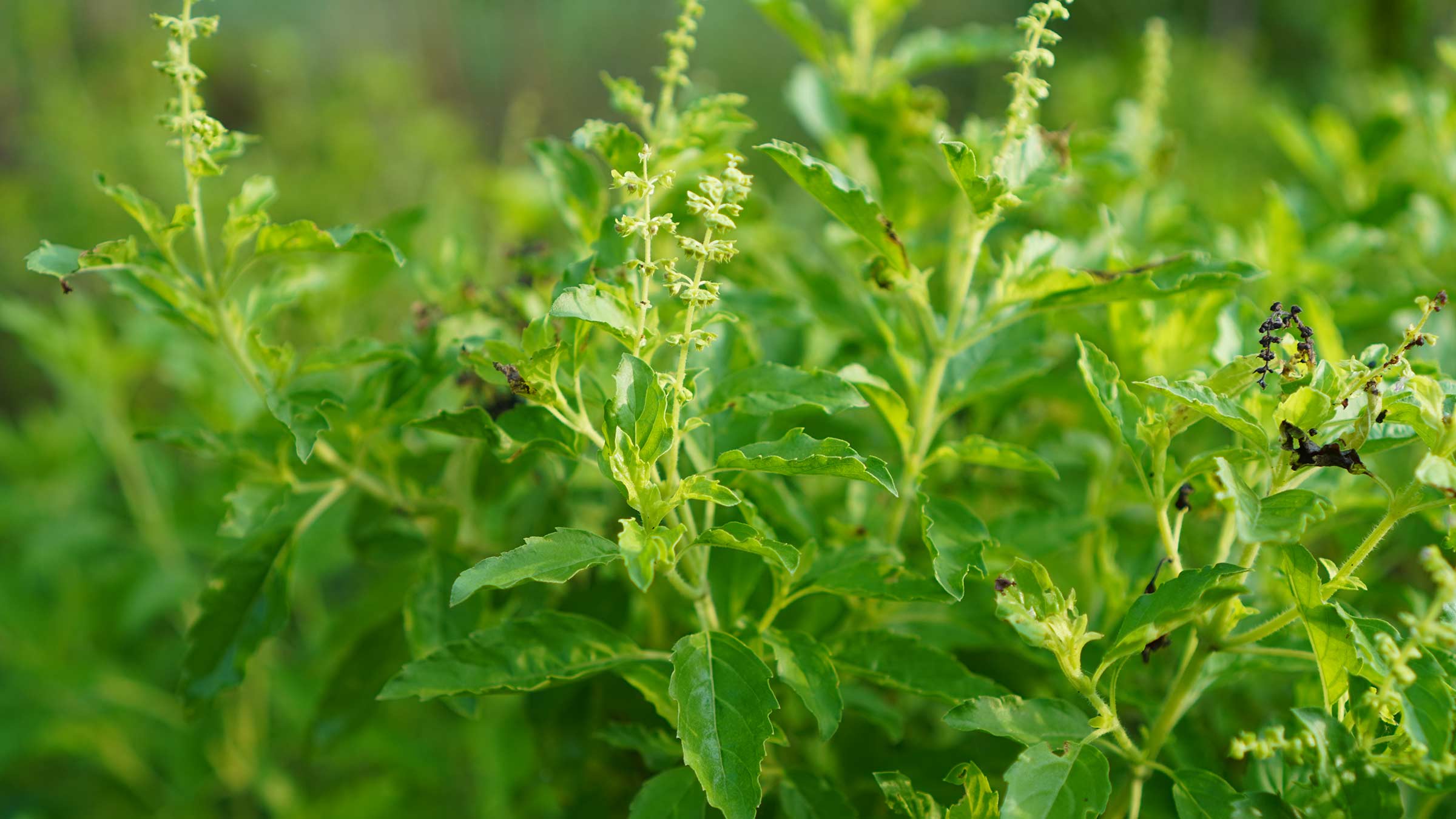
Yes, you can eat holy basil (Ocimum sanctum), also known as Tulsi, raw. This aromatic herb is widely regarded for its culinary and medicinal properties. Consuming holy basil in its raw form is a common practice, especially in traditional cuisine and wellness practices, particularly in South Asia. The leaves have a slightly spicy, peppery flavor, which can enhance various dishes or be consumed on their own.
Health Benefits of Eating Raw Holy Basil
Eating holy basil raw offers numerous health benefits due to its rich nutrient profile.
- Antioxidant Properties: Holy basil contains essential oils and polyphenols that combat oxidative stress.
- Anti-Inflammatory Effects: The compounds found in holy basil can help reduce inflammation in the body.
- Immune System Support: Regular consumption may bolster immune defenses thanks to its antimicrobial properties.
Ways to Incorporate Raw Holy Basil into Your Diet
There are various ways to include raw holy basil in your meals, enhancing both flavor and nutrition.
- Salads: Add fresh holy basil leaves to salads for an aromatic twist.
- Sandwiches: Layer raw leaves onto sandwiches or wraps for a fresh taste.
- Smoothies: Blend a few leaves into smoothies for added nutrients and a unique flavor profile.
Flavor Profile of Raw Holy Basil
The flavor of holy basil is distinctly different from regular sweet basil, making it a unique addition to various dishes.
- Peppery Taste: It has a spicy, peppery flavor that can add depth to meals.
- Aromatic Qualities: Its scent is often described as clove-like and aromatic, enhancing overall dish appeal.
- Subtle Sweetness: Some varieties offer a slight sweetness, balancing savory recipes well.
Comparison with Other Types of Basil
When comparing holy basil to other types of basil, there are notable differences in flavor, uses, and health benefits.
- Sweet Basil: Common in Italian cuisine, sweet basil is milder and sweeter compared to the spicy notes of holy basil.
- Thai Basil: While similar, Thai basil has anise-like flavors, making it distinct from holy basil's unique profile.
- Genovese Basil: Often used in pesto, Genovese basil has a richer, sweeter flavor than holy basil's spiciness.
Precautions When Consuming Raw Holy Basil
While holy basil is generally safe to eat, some precautions should be considered.
See also:
- Allergies: If you're allergic to plants in the Lamiaceae family, avoid raw holy basil.
- Pregnancy Considerations: Pregnant women should consult a healthcare provider before consuming it regularly.
- Medication Interactions: Holy basil may interact with certain medications; always check with a healthcare professional if in doubt.
What is the best way to take holy basil?
To take holy basil effectively, it's essential to consider its various forms and methods of consumption that can enhance its benefits. Holy basil, also known as Ocimum sanctum or Tulsi, is renowned for its therapeutic properties, including stress reduction and immune system support. Here are some of the best ways to incorporate it into your routine:
1. Herbal Tea
One of the most popular methods to consume holy basil is by making herbal tea. This method allows you to enjoy the full flavor and benefits of the herb.
- Boil water and add fresh or dried holy basil leaves.
- Let it steep for about 5-10 minutes.
- Add honey or lemon for additional flavor, if desired.
The tea can be enjoyed hot or cold and can be consumed up to three times a day. Drinking holy basil tea regularly can help support overall health.
2. Supplements and Extracts
Holy basil is available in various supplement forms such as capsules, tablets, and tinctures.
- Consult with a healthcare professional for appropriate dosages.
- Choose high-quality supplements from reputable brands.
- Follow the instructions on the label for the best results.
Supplements are a convenient way to incorporate holy basil into your diet, especially for those who do not enjoy the taste of herbal tea.
3. Culinary Uses
Incorporating holy basil into your cooking can add flavor as well as health benefits.
- Add fresh holy basil leaves to salads or sandwiches for a peppery flavor.
- Use it in sauces, soups, or stir-fries.
- Blend it into smoothies for a nutritious boost.
Using holy basil in meals makes it easy to consume while enjoying its unique taste.
4. Essential Oil
Holy basil essential oil is another method of taking this herb, primarily for aromatherapy or topical use.
- Use a diffuser to inhale the oil’s calming aroma.
- Combine with a carrier oil for a topical application on the skin.
- Ensure to do a patch test before using it on sensitive skin.
Essential oils can provide benefits through inhalation and skin absorption, promoting relaxation and stress relief.
5. Ayurvedic Practices
In Ayurvedic medicine, holy basil plays a vital role in maintaining balance and wellness.
- Incorporate holy basil into daily rituals, such as morning teas.
- Practice mindfulness or yoga while using holy basil to enhance relaxation.
- Consult an Ayurvedic practitioner for personalized recommendations.
Using holy basil in alignment with Ayurvedic principles can offer holistic benefits, contributing to overall well-being.
Is eating raw tulsi good for health?
Eating raw tulsi, also known as holy basil, is considered beneficial for health due to its numerous medicinal properties. This herb has been used in traditional medicine for centuries, particularly in Ayurvedic practices. The consumption of raw tulsi can offer various health benefits, including stress relief, immune support, and anti-inflammatory effects.
See also:
Health Benefits of Raw Tulsi
Raw tulsi is renowned for its therapeutic properties. It is packed with essential oils, antioxidants, and other compounds that can positively affect health. Some of the benefits include:
- Reduces Stress: The adaptogenic properties of tulsi help the body manage stress.
- Boosts Immunity: Tulsi is rich in vitamin C and other antioxidants, which strengthen the immune system.
- Promotes Digestive Health: It aids digestion and can help alleviate gastrointestinal issues.
Nutritional Profile of Tulsi
Raw tulsi is low in calories but high in significant nutrients. The leaves contain essential vitamins and minerals necessary for bodily functions:
- Vitamins: Rich in vitamin A, C, K, and several B vitamins.
- Minerals: Contains important minerals like calcium, iron, and magnesium.
- Phytonutrients: Loaded with various phytochemicals that contribute to its medicinal properties.
How to Incorporate Raw Tulsi in Your Diet
Incorporating raw tulsi into your diet can be simple and straightforward. Here are some practical ways to do so:
- Raw Leaves: Add fresh tulsi leaves to salads or sandwiches for a unique flavor.
- Juice or Smoothies: Combine raw tulsi with fruits and vegetables for nutritious drinks.
- Herbal Tea: Use tulsi leaves to brew herbal tea for added health benefits.
Precautions When Consuming Raw Tulsi
While raw tulsi is generally safe, certain precautions should be taken into consideration:
- Allergies: Some individuals may have allergic reactions; consult a healthcare provider if unsure.
- Pregnancy and Nursing: Pregnant or nursing women should seek medical advice before consuming large amounts.
- Medication Interactions: Tulsi may interact with some medications, particularly blood thinners.
Scientific Studies on Tulsi
Numerous scientific studies have explored the health benefits of tulsi, providing evidence for its efficacy in various ailments:
- Anti-inflammatory Effects: Research shows that tulsi can reduce inflammation in the body.
- Antimicrobial Properties: Studies indicate its effectiveness against certain bacteria, fungi, and viruses.
- Stress Relief: Clinical trials demonstrate its role in reducing anxiety and stress levels.
Is it safe to eat raw basil leaves?
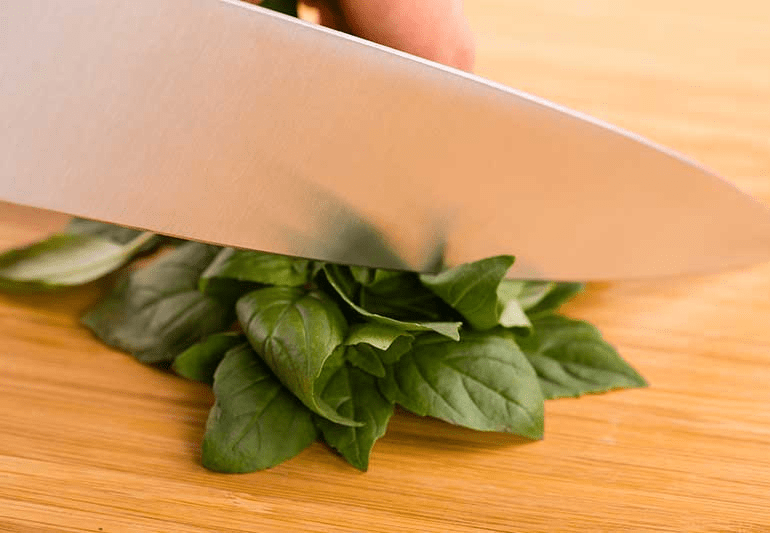
Eating raw basil leaves is generally considered safe for most people. Basil is widely used in diets worldwide, particularly in Mediterranean and Asian cuisines. However, there are a few considerations to keep in mind regarding safety and consumption.
Benefits of Eating Raw Basil Leaves
Raw basil leaves are not only safe to eat but also provide several health benefits, which include:
- Rich in Antioxidants: Raw basil is a great source of antioxidants that help neutralize free radicals.
- Anti-inflammatory Properties: Basil contains compounds that may reduce inflammation in the body.
- Improved Digestive Health: Consuming fresh basil can aid digestion and improve gut health.
Potential Risks of Eating Raw Basil
While it is generally safe, there are potential risks associated with eating raw basil:
- Pesticide Residue: Fresh basil may contain pesticide traces if not grown organically, which can be harmful when ingested.
- Bacterial Contamination: Like any leafy green, basil can hold bacteria such as E. coli or Salmonella if not washed properly.
- Allergic Reactions: Some individuals may experience allergic reactions or intolerances to basil.
How to Prepare Raw Basil Safely
To minimize risks when consuming raw basil, follow these preparation guidelines:
- Thoroughly Wash: Rinse basil leaves under running water to remove dirt and potential contaminants.
- Choose Organic: If possible, select organic basil to avoid pesticide exposure.
- Inspect for Freshness: Check leaves for any signs of wilting or damage before consumption.
Uses of Raw Basil in Cuisine
Raw basil can be utilized in various dishes for flavor and health benefits:
- Salads: Add fresh basil to salads for a burst of flavor and nutrition.
- Pestos: Use raw basil as a primary ingredient in homemade pestos for sauces and spreads.
- Garnishing: Fresh basil can be used as a garnish for soups, pizzas, and other dishes.
Conclusion: When to Avoid Raw Basil
Certain individuals should be cautious about consuming raw basil:
- Pregnant Women: High amounts of some types of basil may not be recommended during pregnancy.
- People on Blood Thinners: Basil contains vitamin K, which can interfere with blood-thinning medications.
- Those with Allergies: Anyone with known basil allergies should avoid raw consumption altogether.
Questions from Our Readers
Can holy basil be eaten raw?
Yes, holy basil can be eaten raw, and it is often used in salads or as a garnish. Consuming it in its natural form can provide a range of health benefits associated with its essential oils and nutrients.
What are the benefits of eating raw holy basil?
Eating raw holy basil may offer benefits such as antioxidant properties, anti-inflammatory effects, and possible support for the immune system. This can contribute to overall well-being when included in a balanced diet.
See also:
How should raw holy basil be prepared?
To prepare raw holy basil, rinse the leaves thoroughly and consider cutting or tearing them to enhance their flavor and release essential oils. They can be added to various dishes, providing a fresh and aromatic taste.
Are there any precautions to consider when eating raw holy basil?
While eating raw holy basil is generally safe, individuals should be cautious if they are taking specific medications or have allergies to similar herbs. It’s advisable to consult a healthcare professional if unsure about its effects on personal health.

If you want to read more articles like Can Holy Basil Be Eaten Raw? Discover the Benefits and Ways to Enjoy It!, we recommend you check out our Herbs category.
Leave a Reply
Related Articles