Does Basil Like Full Sun? Tips for Growing Healthy Basil in Sunshine

Basil is a beloved herb known for its aromatic leaves and culinary versatility, often finding a home in gardens and kitchens alike. One of the crucial factors for cultivating healthy basil is understanding its sunlight requirements. Many gardeners ask, Does basil like full sun? The answer is essential for those looking to maximize their harvest. In this article, we'll explore the ideal sunlight conditions for basil, providing tips and techniques for growing this vibrant herb in sunshine. Whether you’re a seasoned gardener or a beginner, these insights will help you nurture robust basil plants that thrive under the sun.
Does Basil Prefer Full Sun?
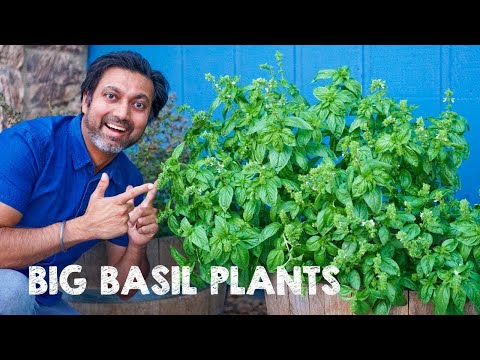
Basil thrives in full sun, requiring around 6 to 8 hours of direct sunlight daily to achieve optimal growth and flavor. When grown in insufficient light, basil plants may become leggy, weak, and less flavorful due to reduced photosynthesis. The intense light not only promotes vigorous leaf development but also enhances the aromatic compounds responsible for its distinct taste. Therefore, if you want robust and healthy basil plants, it is essential to provide them with the right amount of sunlight throughout their growing season.
Optimal Sunlight Conditions for Basil
Basil flourishes best in optimal sunlight conditions, which include a location that receives consistent exposure to direct sunlight. Gardeners should aim to position their basil plants in areas where they can absorb the sun's rays for the majority of the day. If you notice the leaves beginning to turn yellow or the plants showing signs of stress, this often indicates a lack of adequate sunlight. Ensuring that basil is planted in an area with full sun not only improves yield but also enhances the plant's natural flavor profile.
Sunlight Needs by Basil Variety
Different varieties of basil may have slightly varying sunlight needs. For instance, Genovese basil, a popular choice for culinary use, generally prefers full sun, while some Asian basils can tolerate partial shade better. Regardless of the variety, providing at least 6 hours of sunlight daily is crucial to promote healthy growth. Understanding the specific needs of the basil variety you choose can help in ensuring that it flourishes successfully.
Effects of Too Much Sun on Basil
While basil requires full sun to grow optimally, excessive sunlight can lead to burnt leaves and overall stress on the plant, particularly during the hottest months. Signs of too much sun include crispy leaf edges and wilting, even when the soil is moist. To mitigate these effects, ensure proper watering and consider providing shade during the peak heat of the day when temperatures soar.
See also:
Shading Techniques for Hot Climates
In hot climates, using shading techniques can be beneficial for basil plants. Implementing structures like shade cloth, which can reduce direct sunlight exposure by a certain percentage, helps to maintain a more stable temperature and prevent heat stress. Additionally, planting basil alongside taller plants can provide partial shade during the hottest parts of the day, enabling them to thrive while still receiving sufficient sunlight exposure.
Conclusion: Understanding Sunlight Requirements
Recognizing the balance between sunlight exposure and the needs of basil is essential for successful cultivation. Proper observation and care will allow gardeners to create an ideal environment for basil to flourish, thereby enhancing their culinary ventures with fresh herb use.
| Basil Variety | Sunlight Requirement |
|---|---|
| Genovese Basil | Full sun (6-8 hours) |
| Thai Basil | Full sun, but tolerates partial shade |
| Lemon Basil | Full sun (6-8 hours) |
| Purple Basil | Full sun to partial shade |
| Miniature Basil | Full sun (6 hours minimum) |
Understanding Basil's Sunlight Needs for Optimal Growth
Growing basil successfully requires a clear understanding of its sunlight preferences. Basil thrives in full sun, which means it needs at least 6 to 8 hours of direct sunlight each day. This exposure not only helps the plant to produce its characteristic flavorful oils but also promotes lush, healthy growth. If basil does not receive enough sunlight, it may become leggy and weak, displaying poor leaf production and diminished flavor. Therefore, ensuring your basil receives the right amount of sunlight is crucial for cultivating a robust and aromatic herb.
Signs Your Basil Is Getting Too Much Sun
It's essential to recognize when basil is receiving too much sunlight, as this can lead to sunburn on the leaves. You might notice that the leaves are turning brown or crispy at the edges, indicating that the plant is struggling to cope with the intense heat and light. In such cases, it may be beneficial to provide partial shade during the hottest part of the day or to move the plant to a location that offers some protection from direct sunlight during peak hours.
Best Locations for Planting Basil
To maximize growth, select locations that receive strong, direct sunlight for most of the day. Ideal spots include areas near south-facing windows, patios, or gardens that are exposed to the sun without any obstructions like tall structures or trees. Additionally, consider placing your basil in containers that can be easily moved to follow the sun throughout the day. This flexibility helps ensure that your plant receives the adequate sunlight it requires for thriving.
See also:
How to Protect Basil from Excessive Heat
When temperatures soar, it's important to protect your basil plants from excessive heat, which can stress the plant and affect its growth. Use organic mulch around the base to retain soil moisture, keeping the roots cool. Additionally, consider using row covers or shade cloth to shield the plants during extreme heat spells. These techniques help maintain optimal growing conditions, allowing your basil to recover and flourish even during the hottest months.
Watering Basil in Full Sun Conditions
Basil exposed to full sun may require more frequent watering to prevent the soil from drying out too quickly. It's important to keep the soil consistently moist, but not waterlogged, to ensure healthy growth. Checking the soil regularly will help determine the best watering schedule; look for signs when the top inch of soil feels dry. Adjusting your watering routine during hot spells is also crucial for maintaining the health and vitality of your basil plants.
The Role of Soil Quality in Sunlight Exposure
In addition to sunlight, the quality of the soil plays a critical role in the overall health of your basil. Well-draining, nutrient-rich soil is essential for basil’s growth, especially when exposed to full sun. Ensure that the soil contains enough organic matter to promote good drainage and aeration. Amending the soil with compost can boost its nutrient content, encouraging robust growth and enabling your basil to fully thrive in sunny conditions.
Questions from Our Readers
Does basil require full sun to grow?
Basil thrives best in full sun, which means it needs at least 6 to 8 hours of direct sunlight each day. This exposure ensures the plant produces the best flavor and growth.
What happens if basil doesn't get enough sunlight?
If basil doesn’t receive enough sunlight, it may become leggy, weak, and produce fewer leaves. Additionally, the flavor can become less pronounced, which affects its culinary use.
See also:
Can basil be grown in partial shade?
While basil prefers full sun, it can tolerate partial shade. However, keep in mind that too much shade may hinder its growth and lead to less flavorful leaves.
How can I tell if my basil needs more sun?
If your basil is exhibiting slow growth, has yellowing leaves, or appears stretched out, it may be a sign that it needs more sunlight. Moving it to a sunnier location can help revive its health.
If you want to read more articles like Does Basil Like Full Sun? Tips for Growing Healthy Basil in Sunshine, we recommend you check out our Herbs category.
Leave a Reply
Related Articles