Discover What Herbs Are Best Planted Next to Each Other for a Thriving Garden

Creating a thriving garden goes beyond diligent watering and sunlight exposure; it involves understanding the intricate relationships between different herbs. Companion planting is an age-old practice that encourages planting certain herbs together to enhance growth, repel pests, and boost flavors. Discovering which herbs thrive next to each other can transform your garden into a lush, productive space. In this article, we will explore the best herb pairings, the benefits of companion planting, and tips for maximizing your garden's potential. Whether you're a seasoned gardener or just starting, aligning your herbs wisely can yield bountiful results.
Complementary Herb Pairings for Optimal Growth
Planting herbs together can significantly enhance their growth, flavor, and pest resistance. Certain herbs, when planted next to each other, can create a symbiotic relationship that benefits both species. For instance, basil is known to thrive alongside tomatoes and peppers, enhancing their flavors while keeping pests at bay. Similarly, chives can help deter aphids from nearby roses. On the other hand, some combinations, like sage and mint, may lead to competition for nutrients. Understanding these combinations is essential for gardeners looking to maximize their herb garden's potential.
1. Basil and Tomatoes
Basil is often touted as the perfect companion for tomatoes due to its ability to enhance their growth and flavor. The aromatic oils in basil are known to repel common pests such as aphids and hornworms, resulting in healthier tomato plants. Furthermore, planting these two together promotes better pollination and increases the overall yield of tomatoes.
2. Chives and Roses
Chives serve not only as a culinary herb but also as an excellent companion plant for roses. Their sulfide compounds can deter aphids and other pests that usually target rose bushes. Additionally, the growth of chives can improve the soil's health, providing a nutrient-rich environment for the roses to thrive.
3. Rosemary and Sage
Rosemary and sage are perfect partners in the garden as they share similar growing conditions and are both drought-resistant. When planted together, they can benefit from each other's root systems, which can help aerate the soil, leading to healthier plants. Moreover, their robust flavors complement each other in culinary applications.
4. Thyme and Oregano
Thyme and oregano are both perennial herbs that thrive in similar soil and sunlight conditions. When planted together, they not only create an attractive ground cover but can also help attract beneficial pollinators to the garden. This combination promotes a healthy ecosystem, allowing each herb to flourish while also providing flavor to various dishes.
5. Mint and Cabbage Family
Mint is an herb that can deter pests that commonly affect the cabbage family, such as cabbage moths and aphids. By planting mint alongside cabbage, broccoli, or kale, gardeners can create a natural pest control system. However, it is essential to keep mint contained, as it can quickly take over the garden space.
| Herb Pairing | Benefits |
|---|---|
| Basil and Tomatoes | Enhances growth and flavor, repels pests |
| Chives and Roses | Deters aphids, enriches soil |
| Rosemary and Sage | Drought-resistant, complements flavors |
| Thyme and Oregano | Attracts pollinators, healthy ground cover |
| Mint and Cabbage Family | Natural pest control for cabbage plants |
What herbs plant well next to each other?


Companion Planting for Herbs
Companion planting is an excellent practice in gardening that helps plants grow better together. Certain herbs thrive when planted in close proximity to each other due to their mutual benefits in repelling pests, attracting pollinators, or enhancing each other's flavor and growth. When considering which herbs to plant together, it’s essential to look for those that have compatible growth habits and nutrient needs.
- Basil and Tomato
- Chives and Carrots
- Rosemary and Thyme
- Cilantro and Parsley
- Mint and Chamomile
Herbs That Thrive Together
Some herbs perform exceptionally well when they are grown together, enhancing each other's growth and flavor. Examples include basil and tomato, where basil is known to improve the growth and taste of tomatoes. This combination is commonly recommended for gardeners looking to maximize their yields.
- Basil - repels pesky insects
- Tomato - benefits from basil’s presence
- Flavor enhancement - pairs well in culinary dishes
Herbs That Deter Pests
Certain herbs are excellent at deterring pests, and strategically planting them near more vulnerable herbs can protect the crops. For instance, chives can repel aphids, which makes them a good companion for other vegetables and herbs like carrots. This not only promotes better growth but can also yield a healthier garden overall.
- Chives - effective against aphids
- Carrots - benefitting from chives’ pest-repelling properties
- Organic protection - minimizes the use of chemicals
Herbs with Complementary Growth Patterns
When planting herbs, it’s essential to choose those that have similar growth patterns and water needs. For example, both rosemary and thyme prefer dry conditions and can thrive with minimal watering, making them ideal companions when planted together. Their compatibility can result in lush growth and rich flavors for culinary use.
- Rosemary - thrives in well-drained soil
- Thyme - benefits from similar light and watering conditions
- Flavor profile - both are aromatic herbs
Herbs for Flavor Enhancement
Some herbs not only grow well together but significantly improve each other’s flavors. Cilantro and parsley, for example, can complement dishes beautifully when planted side by side. They share similar growing requirements, making it easy for gardeners to maintain these herb pairs.
- Cilantro - commonly used in various cuisines
- Parsley - enhances the freshness of dishes
- Growth sharing - similar care and watering needs
Herbs that Promote Growth Through Harmony
Some herbs, such as mint and chamomile, can create a harmonious growing environment due to their unique properties. Mint can improve the growth of chamomile, which in turn may help enhance the flavor of the mint. This synergy creates a thriving garden with abundant yields.
- Mint - vigorous growth habit
- Chamomile - soothing properties in tea
- Growth enhancement - both herbs benefit from each other
What is the best layout for an herb garden?
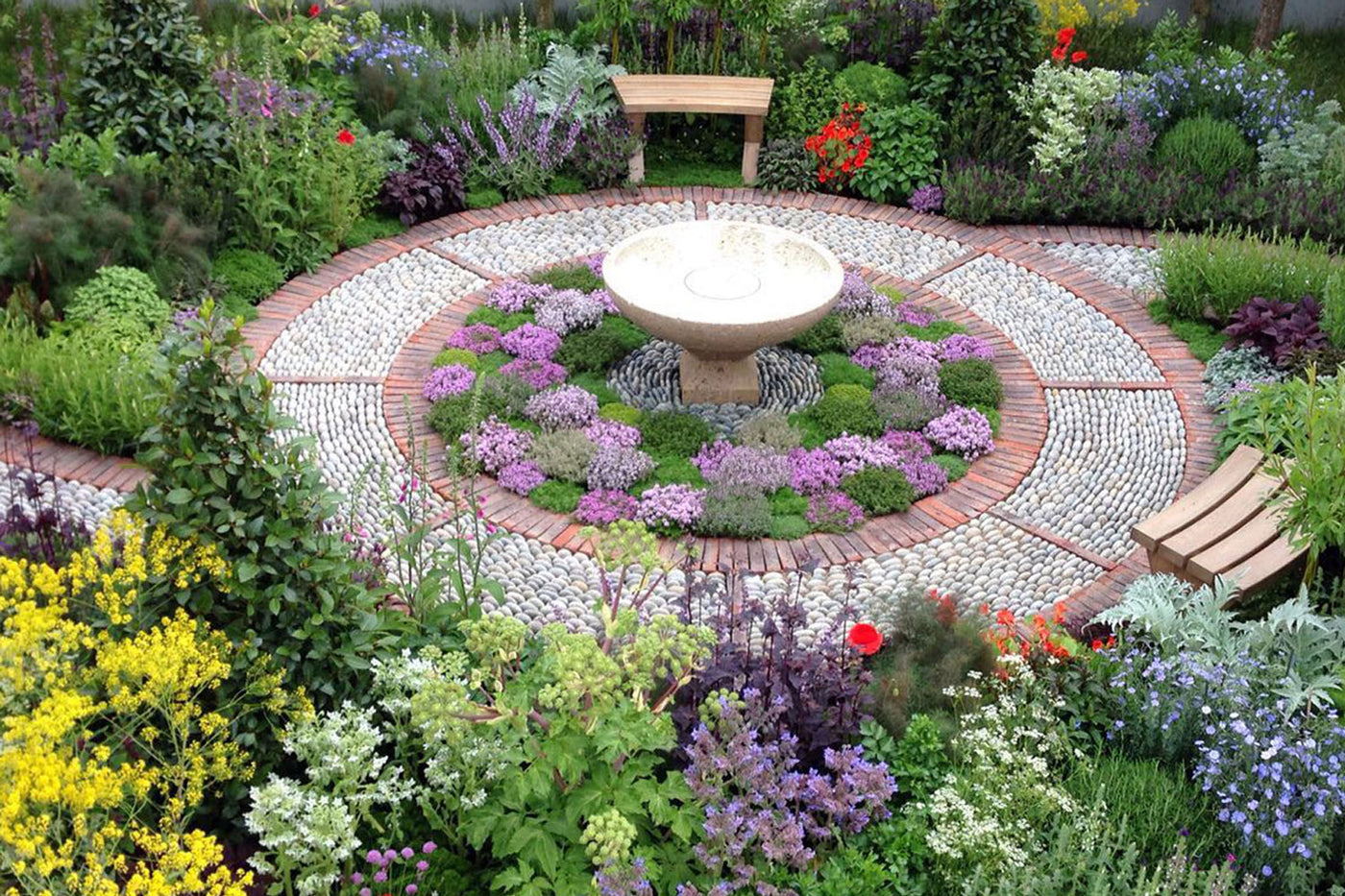
The best layout for an herb garden depends on several factors, including available space, climate, and the specific types of herbs you want to grow. Here are some key considerations and recommended layouts to create an efficient and productive herb garden.
See also:
Choosing the Right Location
Selecting the optimal location for your herb garden is crucial. Herbs generally thrive in well-drained, sunny areas. Consider the following tips:
- Sunlight: Aim for at least 6-8 hours of full sunlight per day.
- Accessibility: Position the garden close to your kitchen for easy harvesting.
- Protection: Choose a spot that shields the herbs from harsh winds or heavy rain.
Designing a Raised Bed
A raised bed is an excellent option for an herb garden as it provides better drainage and soil quality control. Here’s how to design one:
- Dimensions: A width of 4 feet is ideal for easy access from all sides.
- Height: Aim for a height of 12-24 inches to facilitate better root growth.
- Materials: Use untreated wood, stone, or metal for the framing to avoid chemicals.
Container Gardening
If space is limited, container gardening is a viable alternative. Containers allow you to adjust the positioning of your herbs based on light and moisture needs. Important aspects include:
- Container Size: Choose pots that are at least 6-12 inches deep for adequate root space.
- Drainage: Ensure containers have drainage holes to avoid waterlogging.
- Mobility: Use wheeled or lightweight containers to move herbs as needed.
Companion Planting
Utilizing the principle of companion planting can enhance the growth and health of your herb garden. Certain herbs can thrive together and repel pests. Consider these pairings:
- Basil: Grows well with tomatoes and peppers, enhancing their flavor.
- Chervil: Benefits from being planted near parsley.
- Thyme: Works well alongside cabbage and other vegetables.
Vertical Gardening Techniques
For maximizing limited space, vertical gardening can be an effective method. Implementing vertical elements not only saves space but also adds visual interest. Here are some options:
- Shelves: Use tiered shelves to hold multi-level pots.
- Wall Planters: Attach planters to a wall or fence for easy access and decoration.
- Hanging Baskets: Suspend baskets from hooks or ceiling brackets for trailing herbs.
Questions from Our Readers
What herbs grow well together?
Some of the best herb pairings include basil with oregano, as they thrive in similar conditions, and rosemary with thyme, which helps deter pests. Additionally, chives can benefit carrots when planted together, as they enhance each other's growth.
Are there any herbs that shouldn't be planted next to each other?
Yes, basil should not be planted near sage because their growth requirements differ significantly, and mint can be quite invasive, which makes it unsuitable to plant near most herbs like parsley or cilantro.
Can companion planting improve herb growth?
Absolutely, companion planting can significantly improve herb growth by utilizing the natural relationships between plants, such as attracting beneficial insects and repelling pests. For instance, planting marigolds nearby can help keep harmful insects away from your herbs.
See also:
How close can I plant different herbs together?
Herbs should generally be planted within 12 to 24 inches of each other, depending on their size and growth habits. For example, basil and parsley can be closer, while larger herbs like sage require more space to allow for proper air circulation and sunlight exposure.

If you want to read more articles like Discover What Herbs Are Best Planted Next to Each Other for a Thriving Garden, we recommend you check out our Herbs category.
Leave a Reply
Related Articles