Discover Which Herbs Like to Be Next to Each Other: A Comprehensive Guide for Gardeners
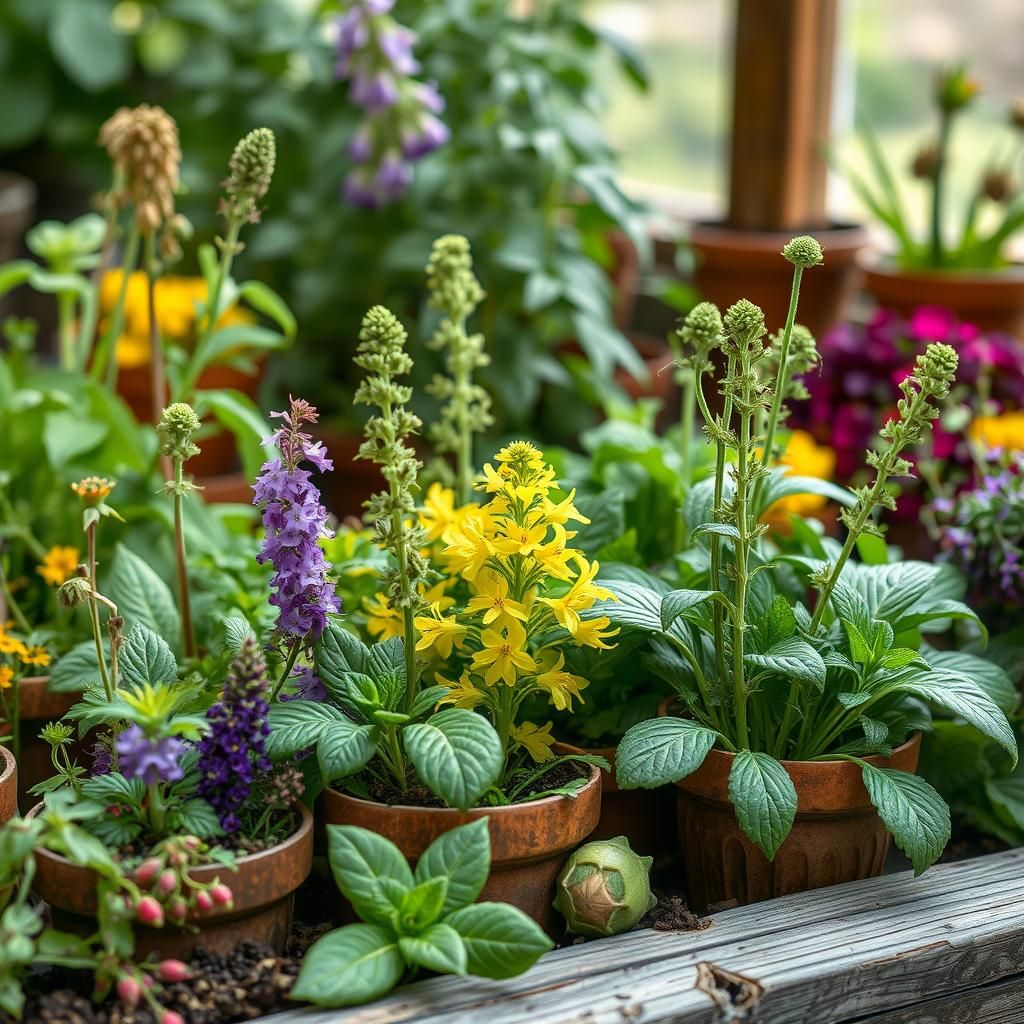
Companion planting is a gardening technique that enhances plant health and yields by promoting beneficial relationships between different species. Herbs, in particular, are known for their unique interactions when grown alongside one another. This comprehensive guide aims to unveil which herbs thrive when planted next to each other, maximizing both flavor and growth potential. Understanding these relationships not only helps in optimizing garden space but also improves pest management and overall plant vitality. Whether you're a novice gardener or seasoned horticulturist, this essential resource will provide valuable insights into the harmonious world of herb planting.
Complementary Herb Pairings in the Garden
Many herbs thrive when planted alongside specific companions, often enhancing each other's growth, flavor, and even pest resistance. For instance, basil and tomatoes are celebrated companions, as basil can improve the flavor of tomatoes while also repelling pests like aphids and whiteflies. Another example is rosemary, which benefits from being near sage and thyme, as they share similar care requirements and help deter harmful insects. Overall, understanding which herbs like to be next to each other can lead to a more productive and healthier garden ecosystem.
Basil and Tomatoes
Basil is known to be an excellent companion for tomatoes, as it helps to enhance their flavor while also attracting beneficial insects like pollinators. Additionally, basil emits essential oils that can deter pests such as aphids and whiteflies, making these two herbs a complementary pair in the garden. Planting them near each other can create a thriving environment where both can flourish, resulting in a bountiful yield of flavorful tomatoes and aromatic basil.
Rosemary and Sage
Planting rosemary alongside sage is beneficial because both herbs share similar water and sunlight requirements, making them easy to care for when together. Furthermore, their distinctive scents can help deter pests that may harm neighboring plants. This herb pairing not only promotes better growth conditions but also enhances the culinary use of both herbs, as they often complement each other in various dishes.
Thyme and Oregano
Thyme and oregano are another pair of herbs that thrive well when planted together. Both herbs prefer similar soil conditions and sunlight exposure, allowing them to grow harmoniously without competing for resources. Moreover, they are often used in similar culinary applications, which makes it convenient for garden maintenance and harvesting. Their aromatic oils can also repel certain garden pests, further benefiting the growth of nearby plants.
Mint and Cabbage Family
Mint can be an excellent companion for members of the cabbage family, such as kale and broccoli. The strong scent of mint is believed to deter pests like cabbage moths and aphids, helping protect these leafy greens. However, mint can be quite invasive, so it's essential to manage its growth if planted in the same garden bed. Nonetheless, when kept in check, mint can provide a protective barrier for its neighboring crops.
Chives and Carrots
Chives are known to benefit carrots when planted together, as chives can help repel certain pests that attack carrots, such as carrot flies. The aromatic nature of chives also enhances the growth of carrots and can improve their overall flavor. This companion planting strategy not only boosts pest resistance but also promotes better soil health and a more diverse garden ecosystem.
| Herb | Companion | Benefit |
|---|---|---|
| Basil | Tomatoes | Enhances flavor and repels pests. |
| Rosemary | Sage | Shares water needs, deters pests. |
| Thyme | Oregano | Thrives in similar conditions, repels pests. |
| Mint | Cabbage Family | Deters pests, provides protection. |
| Chives | Carrots | Repels carrot flies, improves flavor. |
What herbs are best next to each other?

When planning a herb garden, it's essential to consider which herbs grow well together. Companion planting not only maximizes space but can also enhance flavor and deter pests. Here are some herbs that thrive next to each other:
Benefits of Companion Planting
Companion planting involves growing different plants in proximity for mutual benefits. When it comes to herbs, certain combinations can improve growth, increase flavor, and protect against pests. Here are some advantages of planting herbs together:
See also:
- Pest Deterrence: Some herbs can repel insects that harm neighboring plants.
- Enhanced Flavor: Growing compatible herbs together can contribute to a unique flavor profile in culinary dishes.
- Space Optimization: Companion herbs can utilize garden space more efficiently while providing a visually appealing mix.
Complementary Herb Pairings
Certain herbs are known to enhance each other's growth and flavor. Here are some effective pairings:
- Basil and Tomatoes: Basil improves the growth of tomatoes and can enhance their flavor.
- Rosemary and Thyme: Both herbs prefer dry soil; their coexistence promotes better health and access to nutrients.
- Cilantro and Chili Peppers: Cilantro can improve the flavor of chili peppers and attracts beneficial insects.
Herbs That Deter Pests
Certain herbs are excellent at repelling unwanted pests. Planting these herbs next to others can create a natural pest control system:
- Mint: Mint repels ants, aphids, and even mosquitoes, making it a great companion.
- Nasturtium: Though not a herb, nasturtiums can deter aphids and whiteflies, benefiting nearby herbs.
- Catnip: Known to repel mosquitoes and cockroaches, catnip can provide good company for other herbs.
Herbs That Prefer Similar Growing Conditions
Selecting herbs that thrive in similar conditions ensures they share essential needs like water and sunlight. Some examples include:
- Parsley and Chives: Both herbs enjoy well-drained soil and moderate sunlight, making them suitable companions.
- Oregano and Sage: They thrive in similar dry conditions and full sunlight.
- Fennel and Dill: Both herbs prefer similar soil types and can coexist well while attracting pollinators.
Spacing and Arrangement Tips
Proper spacing is crucial for the health and growth of herbs. Here are some tips to consider when planting herbs together:
- Avoid Overcrowding: Ensuring adequate space between herbs helps them access nutrients and air circulation.
- Plant Height Considerations: Arrange taller herbs like rosemary at the back and shorter ones like thyme in front for sunlight access.
- Group by Water Needs: Keep herbs with similar moisture requirements in the same area for efficient watering practices.
What herbs should not be placed next to each other?
When it comes to gardening, particularly in the realm of herb cultivation, it is crucial to consider the compatibility of different plants. Some herbs can negatively impact the growth and flavor of others if planted too closely. Here are some herbs that should not be placed next to each other:
1. Basil and Mint
Basil and mint are both popular herbs, but planting them together can lead to issues. Mint is an aggressive grower and can quickly overtake basil, leading to competition for nutrients and water. Additionally, the strong flavor of mint can overpower the more delicate taste of basil.
- Mint's rapid growth can suppress basil's development.
- Basil needs more sunlight, which can be hindered by mint's bushy leaves.
- The aroma of mint might alter the flavor profile of basil.
2. Chives and Garlic
Chives and garlic both belong to the allium family, which means they can release similar compounds that may affect each other's growth. Planting them together may lead to decreased flavor quality or even hinder each other’s development due to allelopathy, where one plant affects the growth of another.
- Chives can stunt the growth of garlic due to chemical release.
- Garlic may inhibit the growth of chives.
- Both herbs might compete for the same nutrients in the soil.
3. Rosemary and Basil
These two herbs have vastly different needs, making them incompatible when grown together. Rosemary requires drier soil and more sunlight, while basil prefers moist conditions. Planting them together can lead to one outcompeting the other, ultimately jeopardizing their health and productivity.
- Basil thrives in more humid environments, unlike rosemary.
- Rosemary may become stunted if it doesn’t receive enough moisture.
- Both herbs have different ideal soil conditions, affecting their growth.
4. Fennel and Most Herbs
Fennel is known for its strong allelopathic properties, which affect many herbs negatively. It can inhibit the growth of sweet herbs and may cause them to become bitter. Therefore, it is advisable to plant fennel away from most other herbs to avoid harming their development.
See also:
- Fennel releases chemicals that can inhibit the growth of other herbs.
- Herbs like cilantro and dill may become less aromatic near fennel.
- Planting fennel near others can lead to reduced yields.
5. Sage and Cucumbers
While sage is a wonderful herb, it should not be planted near cucumbers. Sage has the ability to release compounds that can interfere with cucumber plants' growth, leading to stunted development. This incompatibility stems from both the physical space and the chemical interactions in the soil.
- Sage can inhibit the growth of cucumbers, affecting leaf development.
- Cucumbers may struggle for light and nutrients when shaded by sage.
- The aroma of sage can potentially mask the freshness of cucumbers.
What herbs don't mix well?
Mixing herbs can enhance flavors in cooking or provide a broader range of health benefits; however, some herbs do not blend harmoniously and can even counteract each other's effects. Understanding which herbs don’t mix well is crucial for both culinary and therapeutic purposes.
1. Basil and Mint
Basil and mint are both aromatic herbs often used in various dishes. However, their strong flavors can clash when combined, leading to an overwhelming taste. The sweetness of basil may not complement the coolness of mint, turning the dish into a confusing blend of flavors.
- Basil has a sweet, peppery flavor, while mint is refreshing and slightly sweet.
- When paired, their contrasting scents can dominate a dish.
- Using both in the same recipe can lead to a muddled flavor profile.
2. Cilantro and Dill
Cilantro and dill are herbs with distinct flavors that tend to compete rather than complement each other. Cilantro has a citrusy and slightly spicy flavor, while dill offers a fresh, slightly tangy taste. When mixed, the aromatic profiles can clash, creating an undesirable combination.
- Cilantro is associated with Latin and Asian cuisines, while dill is often used in European dishes.
- The two differ in intensity, contributing to flavor confusion.
- Combining them can undermine the impact of each herb in a dish.
3. Oregano and Tarragon
Oregano and tarragon possess strong aromatic characteristics that can overwhelm each other when mixed. Oregano typically carries a robust, peppery flavor, while tarragon introduces a sweet and anise-like taste. Their combination can create a jarring experience for those consuming the dish.
- Oregano is commonly used in Mediterranean dishes.
- Tarragon is often featured in French cuisine.
- Combining these herbs can dilute the intended flavors of a dish.
4. Rosemary and Sage
Rosemary and sage are both potent herbs that possess strong flavors and aromas, making them difficult to pair effectively. Rosemary has a pine-like flavor, while sage offers a warm, earthy taste. The powerful profiles of both can easily overpower a meal.
- Rosemary is more woody and aromatic.
- Sage adds a slightly bitter undertone.
- Using both in excess can lead to an unbalanced dish.
5. Chives and Garlic
Chives and garlic can be a flavorful combination, but when used in significant quantities, they can clash. Chives impart a mild onion flavor, while garlic provides a sharp, pungent taste. Together, they can create an intense flavor that might not be pleasant for everyone.
- Chives are best used for a gentle onion flavor in salads or toppings.
- Garlic should be added with caution to avoid overpowering other ingredients.
- This combination may work in moderation but can easily overwhelm a dish.
Questions from Our Readers
Which herbs are beneficial to plant together?
Many herbs thrive when planted near each other, creating a harmonious garden atmosphere. For instance, basil and tomatoes are often planted together because basil enhances their flavor and helps in pest control. Similarly, rosemary and sage can coexist well, as they have similar water and sunlight needs.
Are there any herbs that should not be planted next to each other?
Yes, certain herbs can negatively impact each other's growth when planted too close. For example, mint can be invasive, overtaking space and nutrients, making it unsuitable for planting near more delicate herbs like thyme. Another example is fennel, which can inhibit the growth of other herbs, like coriander.
See also:
Can companion planting improve the flavor of herbs?
Absolutely! Companion planting can significantly enhance the flavor profile of herbs. For instance, when oregano is planted next to thyme, the combined flavors can create a more robust taste. This synergy is often utilized in culinary gardens to maximize the culinary experience.
What are the ideal growing conditions for companion herbs?
Companion herbs generally prefer similar growing conditions, such as sunlight, soil type, and water needs. For instance, basil, parsley, and cilantro thrive in warm, sunny spots with well-drained soil. Ensuring that companion herbs share these conditions can lead to a more fruitful and healthy herb garden.

If you want to read more articles like Discover Which Herbs Like to Be Next to Each Other: A Comprehensive Guide for Gardeners, we recommend you check out our Herbs category.
Leave a Reply
Related Articles