What is the easiest herb to keep alive? Top 5 Low-Maintenance Herbs for Beginners
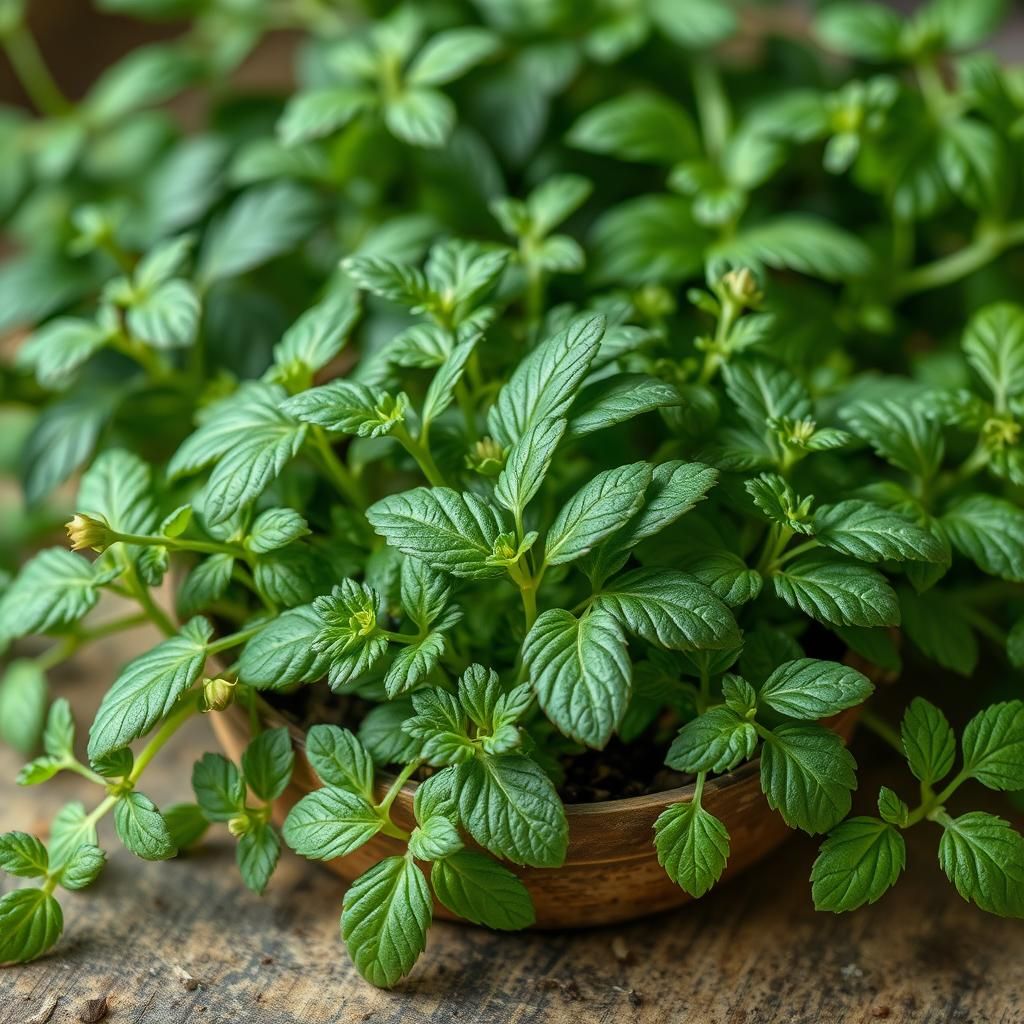
Growing your own herbs can be a rewarding and enjoyable hobby, especially for beginners looking to dip their toes into gardening. However, not all herbs are created equal when it comes to ease of care. Some varieties thrive with minimal attention, making them perfect for novice gardeners. In this article, we will explore the top five low-maintenance herbs that are not only simple to cultivate but also add flavor and aroma to your culinary creations. Discover which herbs are the easiest to keep alive and how you can successfully grow them in your home or garden.
What is the easiest herb to keep alive?
Keeping herbs alive and thriving can sometimes be a challenge, but if you're looking for an easy option, basil stands out as one of the simplest herbs to cultivate at home. This herb is not only forgiving of both over and under-watering but also loves sunlight and can thrive in various climates. With minimal care, such as providing adequate water and placing it in a bright location, you can enjoy a fresh supply of basil for your culinary adventures. Whether grown indoors on a windowsill or outside in a garden, basil’s resilience makes it a favorite among novice gardeners and seasoned ones alike.
Benefits of Growing Basil
Basil is a wonderful herb to grow due to its numerous culinary uses and health benefits. It is a key ingredient in many dishes, contributing a unique flavor that enhances sauces, salads, and meats. Furthermore, basil is known for its antioxidant properties, and it contains essential vitamins and minerals that can support overall health. By having freshly grown basil at hand, you can elevate your cooking while reaping the natural benefits that this herb offers.
Growing Conditions for Basil
To ensure that your basil thrives, it is essential to provide the proper growing conditions. Basil prefers warm temperatures, ideally ranging from 70°F to 90°F (21°C to 32°C). It also requires well-drained soil that is rich in organic matter. Ensuring that the plant receives at least 6 hours of direct sunlight each day will greatly assist in its growth and flavor development.
Watering Basil Effectively
Watering basil can be tricky, as it requires a balance to prevent both over and under-watering. The key is to keep the soil moist, but not soggy. Checking the top inch of soil; if it feels dry to the touch, it's time to water. Ideally, basil should be watered deeply about once a week, allowing the soil to dry slightly between watering sessions. This promotes healthy root development and minimizes the risk of root rot.
See also:
Common Pests and Diseases
Basil can be susceptible to specific pests and diseases, but being vigilant can help you manage these issues effectively. Common pests include aphids and spider mites, which can be treated with insecticidal soap or a strong spray of water. Moreover, basil can suffer from fungal diseases like downy mildew; ensuring proper airflow and avoiding overhead watering can reduce this risk. Early detection and intervention are crucial for maintaining a healthy basil plant.
Harvesting Basil
Harvesting basil correctly is essential for encouraging further growth. You should begin to harvest once the plants have developed several sets of leaves; this is usually after about 6 weeks of growth. It's best to pick leaves from the top, as this promotes a bushier plant. Always use clean scissors or shears to make clean cuts, and avoid removing more than one-third of the plant at a time to ensure it remains healthy and continues to thrive.
| Aspect | Details |
|---|---|
| Basil Requirements | Warm temperatures, well-drained soil, and sunlight |
| Watering Frequency | Weekly, allowing soil to dry between watering |
| Pest Management | Use insecticidal soap and avoid overhead watering |
| Harvesting Method | Harvest from the top to promote bushiness |
Choosing the Right Environment for Your Herbs
When selecting low-maintenance herbs, it's essential to consider the growing conditions they require. Herbs such as basil, parsley, and thyme thrive in a warm, sunny environment and need around 6-8 hours of sunlight daily. Ensuring they are planted in well-draining soil will also enhance their growth potential. Additionally, maintaining a consistent watering schedule, without overwatering, is crucial for the health of these plants. By creating the right environment, even a beginner can successfully grow these easy-to-care-for herbs.
1. Basil: The Quintessential Beginner Herb
Basil is widely regarded as one of the most accessible herbs for inexperienced gardeners. This aromatic plant requires full sunlight and moderate watering, making it ideal for pots on a sunny windowsill. With a growth cycle of about 60 days, basil can be ready for harvesting in just a few weeks, rewarding beginners with a fast and satisfying culinary experience.
2. Parsley: A Versatile Herb for Various Dishes
Parsley is a hardy herb that grows well in both sunny and partially shaded areas. This makes it highly adaptable, perfect for beginners who may not have the ideal gardening conditions. Parsley needs consistent moisture, but be careful not to let it sit in water. Its nutritional benefits and ability to enhance flavor in dishes make it an essential addition to any herb garden.
See also:
3. Thyme: A Resilient Choice for New Gardeners
Thyme is known for its drought resistance, making it a fantastic option for those who might occasionally forget to water. This herb prefers well-draining soil and can thrive in less-than-ideal conditions. Thyme is not only easy to care for but also adds a rich, earthy flavor to a wide variety of meals, appealing to both novice and seasoned cooks alike.
4. Chives: Easy to Grow with Minimal Care
Chives are an excellent starting point for beginner gardeners, as they are extremely low-maintenance. They flourish in well-drained soil and can tolerate a variety of light conditions, from full sun to partial shade. Regular cutting encourages further growth, allowing for a fresh supply of this onion-flavored herb throughout the growing season.
5. Mint: A Fragrant and Hardy Option
Mint is a robust herb that can often survive even in less-than-ideal conditions, making it particularly suitable for new gardeners. However, it is best planted in a container to prevent it from spreading uncontrollably in the garden. Mint prefers moist, well-drained soil, and its invigorating fragrance and flavor make it an excellent choice for teas, cocktails, and various dishes.
Questions from Our Readers
What is the easiest herb to keep alive?
Basil is often considered the easiest herb to keep alive, as it thrives indoors or outdoors with sufficient sunlight. It requires well-drained soil and regular watering, but with minimal care, it can flourish and provide a continuous supply of fresh leaves for cooking.
How much sunlight do herbs need?
Most herbs, including parsley and rosemary, need a minimum of 6-8 hours of direct sunlight daily. Placing them near a sunny window or outdoors during the growing season will ensure they receive the necessary light for optimal growth.
See also:
Do herbs need a lot of water?
While herbs do need some water, they generally prefer slightly dry soil between waterings. Overwatering can lead to root rot, so it's important to allow the top layer of soil to dry out before re-watering, ensuring the herbs remain healthy.
Can I grow herbs indoors?
Yes, many herbs can be successfully grown indoors, provided they have access to adequate sunlight or artificial lighting. Herbs like basil, thyme, and chives are well-suited for indoor gardening and can thrive in small pots on windowsills.
If you want to read more articles like What is the easiest herb to keep alive? Top 5 Low-Maintenance Herbs for Beginners, we recommend you check out our Herbs category.
Leave a Reply
Related Articles