Essential Tips on How Do I Layout My Herb Garden for Optimal Growth
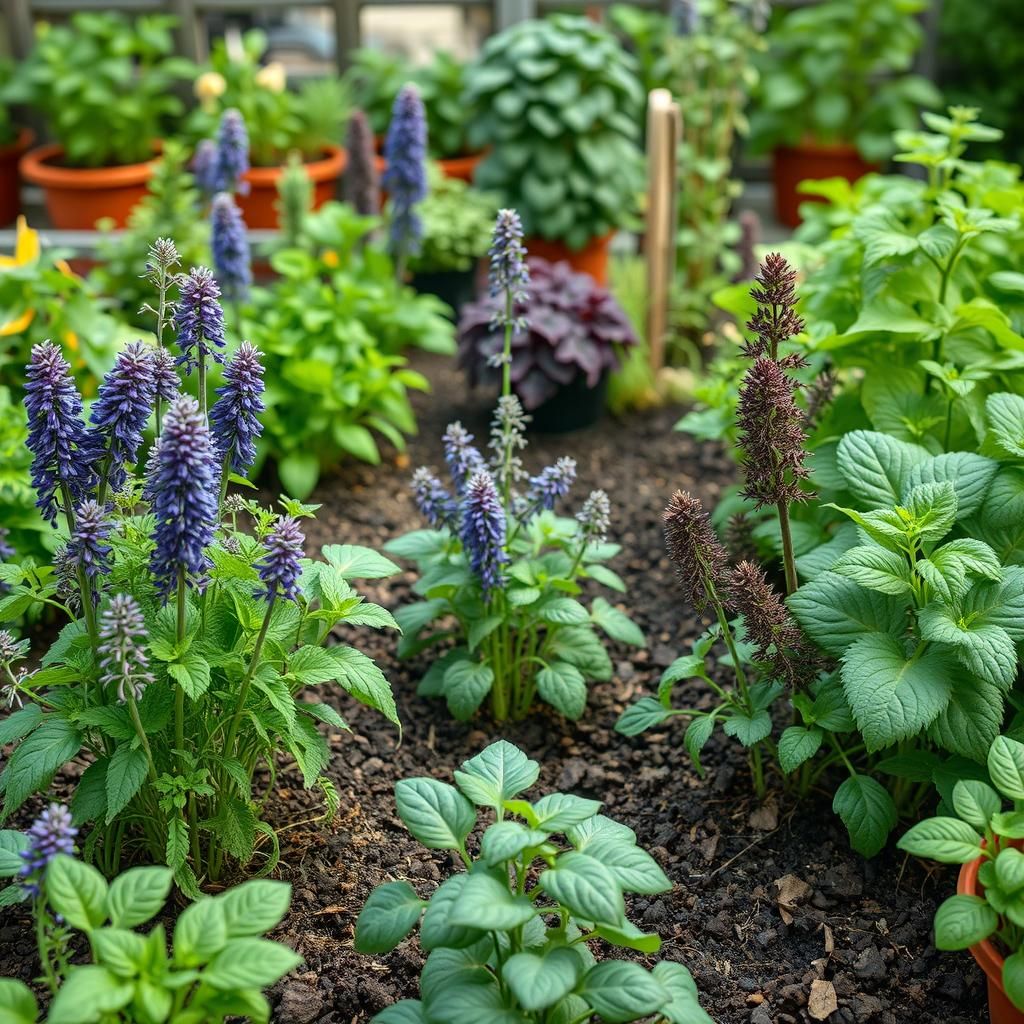
Creating a thriving herb garden can significantly enhance your culinary experiences and garden aesthetics. However, achieving optimal growth requires careful planning and layout strategies. Whether you're a novice gardener or an experienced green thumb, understanding the best practices for arranging your herbs can lead to a more productive garden. In this article, we will explore essential tips on how to effectively design your herb garden. From selecting the right location to considering companion planting and spacing, these insights will help you cultivate a flourishing herb garden that provides a steady supply of fresh flavors at your fingertips.
How to Layout Your Herb Garden
When planning the layout for your herb garden, consider factors such as sunlight, accessibility, and the growth habits of different herbs. Start by selecting a location that receives at least 6 to 8 hours of sunlight daily, as most herbs thrive in bright conditions. Next, design your layout by grouping herbs with similar watering and light requirements together, which will make maintenance easier. Utilize vertical space with containers or trellises for climbing herbs, and ensure that taller plants do not overshadow shorter ones. Paths should be included for easy access to each plant, and consider incorporating decorative elements like border plants or stepping stones to enhance the aesthetic appeal of your garden.
Choosing the Right Location
Selecting the ideal location for your herb garden is crucial for ensuring healthy plant growth. Look for areas that receive full sunlight, are sheltered from strong winds, and have good drainage. Observing the sunlight patterns throughout the day can help you understand which spots are most suitable. If you're working with limited space, a south-facing balcony or patio can also be effective for growing herbs in containers, maximizing sun exposure even in compact areas.
Grouping Herbs by Watering Needs
Grouping your herbs based on their watering needs is important for preventing over- or under-watering. For instance, herbs like rosemary and thyme prefer drier conditions, while basil and mint thrive in more moist environments. By arranging these plants accordingly, you can maintain optimal growing conditions and avoid the complications that come from mixed watering requirements, ultimately promoting a healthier garden.
Utilizing Vertical Space
In gardens with limited ground space, utilizing vertical space can be an effective way to expand your herb garden. Use containers, trellises, or wall planters to cultivate climbing herbs like cucumbers or peas. This not only maximizes space but also reduces the risk of soil-borne diseases and pests, as these plants are elevated off the ground. Vertical gardening adds dimension to your garden while keeping the herbs easily accessible for harvesting.
See also:
Designing Accessible Paths
Creating adequate paths in your herb garden is essential for maintenance and harvesting. Paths should be wide enough to allow easy access and movement without stepping on the plants. Use materials like gravel, mulch, or stepping stones to define the paths while ensuring they blend harmoniously with your garden's layout. Properly designed paths will facilitate maintenance tasks such as pruning and watering, making it easier to tend to your plants.
Incorporating Aesthetic Elements
Enhancing your herb garden with aesthetic elements can make it more visually appealing. Consider using decorative borders, like small stone walls or hedges, to define your garden space. Adding a mix of textures and colors with flowering herbs can create an inviting atmosphere. Incorporate whimsical features such as garden signs or decorative stakes to personalize the space while ensuring practicality doesn't detract from the overall beauty.
| Herb | Sunlight Requirements | Watering Needs |
|---|---|---|
| Rosemary | Full Sun | Low |
| Basil | Full Sun | Moderate |
| Mint | Partial Sun | High |
| Thyme | Full Sun | Low |
| Cilantro | Full Sun | Moderate |
Understanding Sunlight Requirements for Different Herbs
When planning the layout of your herb garden, it is crucial to understand the sunlight needs of each herb you wish to grow. Most herbs thrive in full sun, requiring at least six hours of direct sunlight daily, while some may prefer partial shade. For optimal growth, group herbs with similar light requirements together, ensuring that taller plants do not overshadow smaller ones. Additionally, consider the seasonal angles of the sun in your garden; this will help in positioning your herbs efficiently to receive the maximum amount of light throughout the day.
Choosing the Right Location
Selecting the appropriate location for your herb garden is fundamental to its success. Look for a well-drained area that receives a good amount of sunlight; ideally, it should be close to your kitchen for easy access. Avoid placing your garden near structures or tall plants that may cast shadows, and consider the wind conditions as well, since some herbs can be sensitive to strong winds that may dry them out or damage their leaves.
Soil Preparation Techniques
Proper soil preparation is key to creating a thriving herb garden. Begin by testing your soil to determine its pH and nutrient levels; most herbs prefer slightly acidic to neutral soil (pH 6-7). Amend the soil with organic matter such as compost or well-rotted manure to enhance fertility and drainage. This will provide the ideal environment for your herbs to establish strong root systems, promoting robust growth and flavor development.
See also:
Optimal Spacing for Air Circulation
Adequate spacing between your herbs is essential to promote air circulation, which helps prevent fungal diseases and allows each plant to grow to its full potential. A general guideline is to space larger herbs, such as basil and sage, about 12 to 18 inches apart, while smaller herbs like thyme and chives can be closer together at around 6 to 12 inches. This spacing allows for proper growth and makes it easier to access each plant for harvesting and maintenance.
Companion Planting Strategies
Incorporating companion planting techniques can enhance the productivity of your herb garden. Some herbs have natural pest-repelling qualities or growth-promoting effects when planted together. For example, basil can boost the growth of tomatoes while also deterring pests like aphids. Research which herbs complement one another to create a synergistic garden, thereby improving health and yield while maximizing the use of your garden space.
Regular Maintenance and Watering Schedule
Regular maintenance is vital for the success of your herb garden. Establish a consistent watering schedule, typically ensuring that herbs receive about an inch of water each week, depending on rainfall and temperature conditions. Monitor your herbs to prevent over- or under-watering, both of which can be detrimental. Also, incorporate pruning into your maintenance routine, as this encourages new growth and keeps the plants healthy, allowing you to enjoy a bountiful harvest throughout the growing season.
Questions from Our Readers
How do I determine the best location for my herb garden?
To determine the best location for your herb garden, look for a spot that receives at least 6-8 hours of sunlight daily and has good drainage. Consider using raised beds or containers if your soil is heavy clay. Additionally, proximity to your kitchen can make it easier to harvest fresh herbs when you need them.
What herbs should I include in my herb garden layout?
When planning your herb garden layout, consider including popular culinary herbs such as basil, rosemary, thyme, and parsley. It’s essential to choose herbs that complement each other and are suited for your climate. Grouping herbs with similar water and sunlight needs can help ensure they thrive together.
See also:
How can I optimize space in my herb garden?
To optimize space in your herb garden, consider using vertical gardening solutions like trellises or wall planters, which allow you to grow herbs upward. Interplanting smaller herbs among taller plants can also maximize space, as well as utilizing containers for mobility and versatility in different areas.
What is the best way to arrange herbs in my garden?
When arranging herbs in your garden, place tall plants like basil or dill at the back or center (if circular), and shorter herbs such as chives and thyme toward the front. This arrangement allows all plants to receive adequate sunlight while creating an aesthetically pleasing layout that’s easy to maintain.

If you want to read more articles like Essential Tips on How Do I Layout My Herb Garden for Optimal Growth, we recommend you check out our Herbs category.
Leave a Reply
Related Articles