What is the Most Common Greenhouse Crop? A Comprehensive Guide to Popular Greenhouse Plants

Greenhouses have become essential tools for growers seeking to maximize yield and extend the growing season. Among the myriad of plants that thrive in these controlled environments, certain crops stand out for their popularity and productivity. This article serves as a comprehensive guide to the most common greenhouse crops, exploring their unique characteristics, growing requirements, and the reasons behind their widespread cultivation. Whether you are a seasoned gardener or a novice eager to explore greenhouse gardening, understanding these staple plants will empower you to make informed choices and enhance your gardening experience. Discover the most popular greenhouse plants and unlock their potential.
What is the Most Common Greenhouse Crop?
The most common greenhouse crop is undoubtedly tomatoes, as they are grown extensively around the world in controlled environments. Greenhouses provide the ideal conditions for tomato plants, offering consistent temperatures, humidity, and protection from pests and diseases. This cultivated environment allows for a longer growing season and enhanced yields compared to field-grown tomatoes, making them a popular choice among commercial growers. Additionally, the ability to manipulate light and CO2 levels inside greenhouses optimizes photosynthesis, leading to healthier plants and a more abundant harvest. Other crops like cucumbers and peppers also thrive in greenhouses, but tomatoes remain the top choice due to their versatility in culinary uses and consumer demand.
Why Tomatoes are Popular in Greenhouses
Tomatoes are popular in greenhouses due to their versatility and high market demand. They can be grown in various shapes, sizes, and colors, appealing to a wide range of consumers. The controlled environment of a greenhouse allows for optimized growth, ensuring that tomatoes have the best conditions for fruit development and ripening. This is particularly important since tomatoes require specific factors like temperature control and consistent moisture to flourish, which greenhouses provide effectively.
The Benefits of Growing Tomatoes in Greenhouses
Growing tomatoes in greenhouses offers several benefits over traditional farming methods. The protected environment results in fewer pests and diseases, reducing the need for chemical pesticides. Additionally, greenhouses can extend the growing season, allowing for earlier planting and later harvesting, which increases overall yield. The ability to control environmental factors also means that growers can produce higher quality fruit, with better taste and texture, which can significantly enhance market value.
Common Varieties of Greenhouse Tomatoes
There are several common varieties of tomatoes cultivated in greenhouses, including cherry, grape, and beefsteak tomatoes. Each variety has unique characteristics that cater to different consumer preferences. For example, cherry tomatoes are small and sweet, making them popular as snacks and garnish, while beefsteak tomatoes are much larger and ideal for sandwiches and cooking recipes. The choice of variety largely depends on market trends and consumer demands, with growers often experimenting to find the most profitable options.
Challenges of Greenhouse Tomato Cultivation
Despite the advantages, greenhouse tomato cultivation is not without its challenges. Issues such as temperature fluctuations, humidity management, and the potential for plant diseases still exist. Moreover, the initial investment for setting up a greenhouse can be significant, which poses financial risks for smaller growers. Therefore, successful greenhouse tomato farming requires a combination of good management practices, knowledge of plant biology, and effective pest control strategies to mitigate these challenges.
Future Trends in Greenhouse Tomato Production
As technology advances, the future of greenhouse tomato production looks promising with the integration of hydroponics and aeroponics systems. These innovative methods allow for optimal nutrient delivery and water conservation, making tomato production more sustainable. Furthermore, advancements in genetic engineering may lead to the development of new tomato varieties that are more resistant to diseases and pests. Emphasizing sustainability and efficiency will likely dominate future trends in greenhouse tomato cultivation, influencing how growers operate and produce food to meet global demand.
| Aspect | Details |
|---|---|
| Common Crop | Tomatoes |
| Popular Varieties | Cherry, Grape, Beefsteak |
| Key Benefits | Extended growing season, pest control, quality fruit |
| Challenges | Temperature control, disease management |
| Future Trends | Hydroponics, genetic engineering |
What greenhouse crop is most profitable?
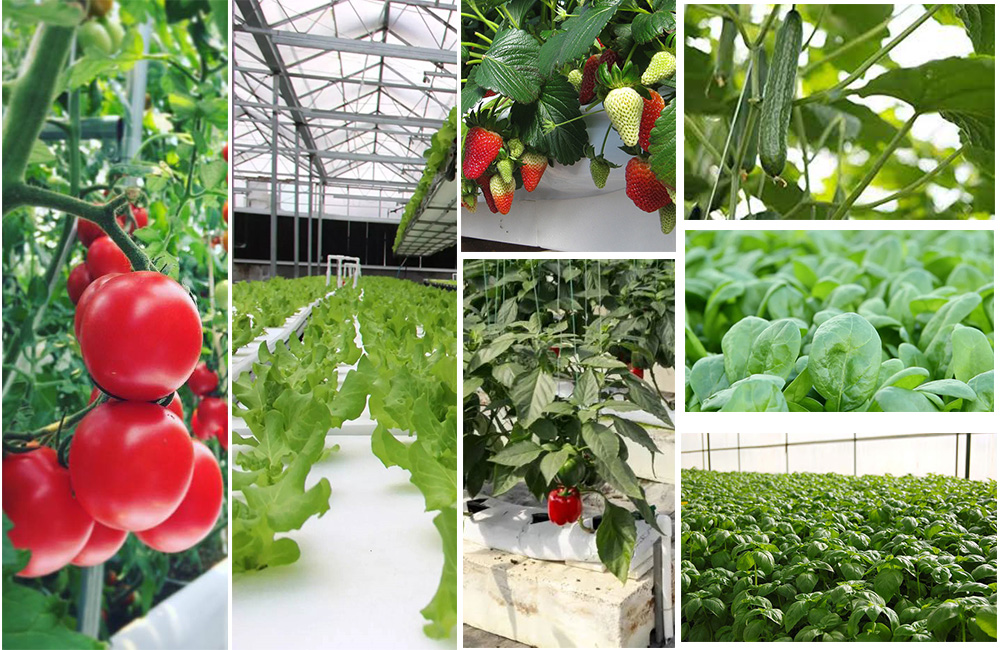
The most profitable greenhouse crop can vary depending on several factors, including regional climate, market demand, and production costs. However, certain crops consistently rank high in profitability due to their high market value and quick turnover rates. Here are a few greenhouse crops that are often considered the most profitable:
1. Tomatoes: These are one of the most common greenhouse crops due to their high demand and versatility in cooking. Varieties like cherry tomatoes and heirloom tomatoes often sell at premium prices, making them a lucrative choice.
2. Lettuce: With the rise of health-conscious consumers, the demand for leafy greens has surged. Lettuce can be harvested multiple times a year and has a quick turnaround time, which increases profitability.
3. Herbs: High-value herbs such as basil, cilantro, and mint can yield significant profits. They are often purchased at a premium in local markets and restaurants, making them ideal greenhouse crops.
4. Cucumbers: They grow rapidly in greenhouses and can be produced year-round, providing a steady income stream. Specialty cucumbers, such as organic or seedless varieties, tend to attract higher prices.
5. Peppers: Varieties like bell peppers and hot peppers can yield high profits, especially when grown organically. They have a good shelf life and are in demand throughout the year.
Factors Influencing Profitability
Understanding the factors that impact profitability in greenhouse production is essential for growers. These include:
See also:
- Market Demand: Seasonal fluctuations in demand can affect prices.
- Production Costs: Variables like labor, materials, and utilities play a significant role in overall profitability.
- Crop Rotation: Some crops can diminish soil fertility if grown repeatedly, affecting yield over time.
Best Practices for Greenhouse Management
Effective management techniques are crucial for maximizing the profitability of greenhouse crops. Important practices include:
- Climate Control: Proper ventilation and temperature management to optimize growth conditions.
- Water Management: Implementing efficient irrigation systems to conserve water and reduce costs.
- Pest Control: Employing integrated pest management to minimize crop losses.
Potential Challenges in Greenhouse Farming
While greenhouse farming can be lucrative, there are challenges that growers may face:
- Initial Investment: High setup costs for greenhouses can be daunting for new growers.
- Maintenance: Ongoing maintenance requires time, effort, and financial resources.
- Market Volatility: Changes in consumer preferences can affect demand unexpectedly.
Marketing Strategies for Greenhouse Products
Developing effective marketing strategies is essential for selling greenhouse crops profitably:
- Local Farmers' Markets: Selling directly to consumers can enhance profits by eliminating middlemen.
- Online Sales: E-commerce platforms enable wider reach and convenience for customers.
- Partnerships with Restaurants: Establishing relationships with local restaurants can ensure a steady demand for high-quality produce.
Future Trends in Greenhouse Crop Production
Looking ahead, several trends may shape the future of greenhouse crop profitability:
- Organic Farming: The demand for organic produce continues to rise, presenting opportunities for higher margins.
- Aquaponics and Hydroponics: Innovative growing methods can enhance yield and efficiency.
- Technology Integration: Advances like automation and monitoring systems can reduce labor costs and improve crop management.
What is the most common greenhouse?
The most common greenhouse is the traditional greenhouse, typically made of glass or plastic, used for cultivating plants. These structures are designed to create a controlled environment that enhances plant growth by optimizing light, temperature, and humidity levels. Traditional greenhouses can vary in size and complexity but generally feature a frame, a covering (like glass or polycarbonate), and sometimes ventilation systems for regulating climate.
Types of Common Greenhouses
Traditional greenhouses come in various types tailored for different purposes:
- Lean-to Greenhouses: These are attached to a wall or building and utilize the structure for support and to benefit from its heat.
- Freestanding Greenhouses: These are standalone structures, providing more space and flexibility for plant arrangements and features.
- Hoop Houses: Simple in design, these greenhouses use a series of hoops covered with plastic. They are often used for season extension in agriculture.
Materials Used in Greenhouse Construction
The materials used in constructing greenhouses significantly affect their functionality and efficiency:
- Glass: Offers excellent light transmission but can be heavy and costly.
- Polycarbonate: Lightweight, durable, and provides good insulation and light diffusion.
- Polyethylene Film: A popular and economical choice, it allows for adequate light while being easy to install and replace.
Benefits of Using a Greenhouse
Greenhouses offer a myriad of benefits for both amateur and professional gardeners:
- Extended Growing Season: They allow for year-round cultivation by protecting plants from harsh weather conditions.
- Pest Control: Greenhouses provide a barrier against pests, reducing the need for chemical pesticides.
- Controlled Environment: They enable growers to manage temperature, humidity, and light levels efficiently, leading to healthier plants.
Common Crops Grown in Greenhouses
Various plants thrive in greenhouse environments due to the controlled conditions:
- Vegetables: Common choices include tomatoes, peppers, and cucumbers, which benefit from the warm and stable environment.
- Herbs: Basil, thyme, and cilantro can be grown year-round, providing fresh ingredients for cooking.
- Flowers: Roses, orchids, and other ornamental plants are often cultivated in greenhouses for enhanced growth and flowering.
Maintenance and Care of Greenhouses
Proper maintenance is essential for maximizing the effectiveness of a greenhouse:
- Ventilation: Regularly check and adjust ventilation systems to maintain optimal temperature and humidity levels.
- Cleaning: Keep the covering material clean to ensure maximum light transmission.
- Pest Management: Monitor for pests regularly to implement integrated pest management strategies effectively.
What is the easiest thing to grow in a greenhouse?
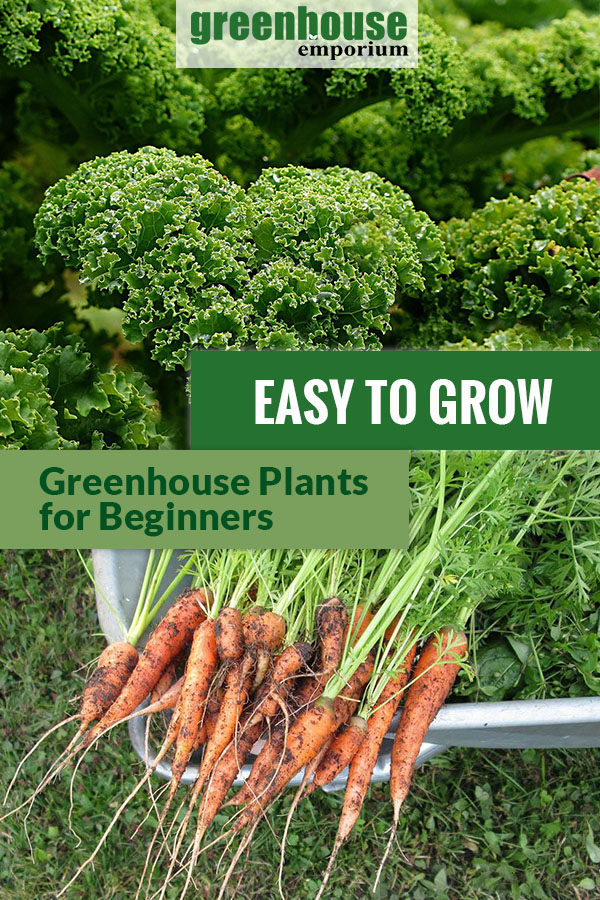
Growing plants in a greenhouse can lead to a bountiful harvest, even for beginners. The easiest things to grow in a greenhouse include a variety of vegetables and herbs that thrive in controlled environments. Some popular choices are tomatoes, lettuce, and herbs, but the easiest might be radishes due to their fast growth rate and minimal care requirements.
Benefits of Growing Radishes in a Greenhouse
Radishes are not only easy to cultivate, but they also offer several advantages in a greenhouse setting. Their rapid maturity allows for multiple harvests throughout the growing season.
- Fast Growth: Radishes can be harvested as quickly as three to four weeks after planting.
- Minimal Space Requirements: They can grow in small containers or garden beds, making them ideal for a greenhouse.
- Low Maintenance: Radishes require very little care once planted, mainly needing regular watering.
Ideal Conditions for Growing Vegetables in a Greenhouse
Creating the right conditions in a greenhouse is crucial for growing vegetables successfully. Understanding temperature, humidity, and light can help ensure a thriving garden.
See also:
- Temperature: Most vegetables require temperatures between 65°F and 75°F for optimal growth.
- Humidity Control: Maintaining humidity levels between 40% and 70% is essential for preventing diseases.
- Light Exposure: Ensure that your greenhouse receives adequate sunlight, ideally around 6-8 hours per day.
Herbs That Thrive in a Greenhouse Environment
Herbs are another excellent choice for greenhouse growing, as they are generally easy to maintain and can enhance many dishes.
- Basil: Thrives with plenty of sunlight and warmth, making it perfect for greenhouses.
- Parsley: Adapts well to varying conditions and requires minimal care.
- Cilantro: Grows quickly and can be sown multiple times during the year for continuous harvests.
Seasonal Vegetables Suitable for Greenhouse Growth
If you want to extend your growing season, consider planting seasonal vegetables that are well-suited to greenhouse environments.
- Tomatoes: Require warm conditions and can yield fruit from early spring through late fall.
- Peppers: Thrive in warmer temperatures and can produce a large crop within a greenhouse.
- Lettuce: Grows quickly and benefits from cooler temperatures, often flourishing in spring and fall.
Common Mistakes to Avoid When Growing in a Greenhouse
Even the easiest plants can present challenges if growers are not aware of some common pitfalls. Here are mistakes to avoid for a successful greenhouse garden.
- Overwatering: Ensure proper drainage and avoid waterlogged soil to prevent root rot.
- Pest Management: Regularly check plants for pests and diseases, as the close quarters can lead to outbreaks.
- Neglecting Airflow: Proper ventilation is crucial; stagnant air can lead to humidity issues and mold development.
What is the best plant to grow in a greenhouse?

The best plant to grow in a greenhouse can vary depending on factors such as climate, space, and personal preferences. However, tomatoes are widely considered one of the best options for greenhouse cultivation due to their adaptability, high yield, and popularity. Greenhouses provide the ideal environment for tomatoes, allowing for controlled temperature and humidity levels, which can lead to healthier plants and better fruit quality.
Moreover, growing tomatoes in a greenhouse can help extend the growing season, enabling gardeners to start earlier in spring and harvest later into fall. Other considerations when selecting plants for a greenhouse include resistance to pests and diseases, growth requirements, and space efficiency.
The Advantages of Growing Tomatoes in a Greenhouse
Growing tomatoes in a greenhouse offers several advantages that contribute to their status as the best plants for this environment:
- Controlled Environment: Greenhouses allow for precise control of temperature and humidity, essential for optimal tomato growth.
- Extended Growing Season: Providing additional warmth and protection enables gardeners to start their crops earlier and extend the harvest period.
- Reduced Pest Issues: The enclosed space of a greenhouse can help minimize pest infestations, reducing the need for chemical interventions.
Types of Tomatoes Suitable for Greenhouses
There are various tomato varieties that thrive in greenhouse conditions, including:
- Indeterminate Varieties: These tomatoes continue to grow and produce fruit throughout the season, often requiring staking or trellising.
- Determinate Varieties: These grow to a fixed size and produce tomatoes all at once, making them suitable for controlled harvests.
- Cherry Tomatoes: Known for their small size and sweetness, they are particularly popular among gardeners and can yield well in limited space.
Optimal Growing Conditions for Greenhouse Tomatoes
To ensure the best results, it is crucial to create optimal growing conditions for tomatoes in a greenhouse:
- Temperature Management: The ideal temperature range for tomatoes is between 70°F to 85°F (21°C to 29°C) during the day and around 55°F to 70°F (13°C to 21°C) at night.
- Ventilation: Proper ventilation is necessary to prevent heat build-up and humidity, which can lead to diseases.
- Lighting: Tomatoes require plenty of light; therefore, ensuring adequate sunlight exposure or using grow lights can enhance growth.
Common Pests and Diseases in Greenhouse Tomatoes
Despite the advantages, greenhouse tomatoes can still suffer from certain pests and diseases, which may include:
- Aphids: These small pests can weaken plants and transmit diseases.
- Whiteflies: Known for their ability to reproduce quickly, they can pose significant problems in greenhouse settings.
- Fungal Diseases: Conditions like powdery mildew and blight may arise due to humidity and insufficient air circulation.
Harvesting and Maintaining Greenhouse Tomatoes
Regular maintenance and proper harvesting techniques contribute to a successful tomato crop in the greenhouse:
- Regular Pruning: Trimming the plants helps reduce overcrowding and improve air circulation, which is crucial for plant health.
- Frequent Watering: Tomatoes require consistent moisture, but it is crucial to avoid overwatering, which can lead to root rot.
- Timely Harvest: Picking tomatoes at the right time ensures better flavor and prevents overripening on the vine.
Questions from Our Readers
What is the most common greenhouse crop?
The most common greenhouse crop is the tomato. This crop is favored due to its high market demand, versatility, and the ability to produce fruit year-round when grown in a controlled environment.
Why are tomatoes grown in greenhouses?
Tomatoes are grown in greenhouses because these structures provide an ideal environment that regulates temperature, humidity, and light, which are essential for optimum growth and fruit production throughout the year.
What other crops are popular in greenhouses?
In addition to tomatoes, other popular greenhouse crops include cucumbers, bell peppers, and various herbs. These plants thrive under controlled conditions, making them suitable for greenhouse cultivation.
What are the benefits of growing crops in a greenhouse?
Growing crops in a greenhouse offers numerous benefits, including extended growing seasons, protection from pests and adverse weather, and increased yields due to the optimized growing conditions.
See also:

If you want to read more articles like What is the Most Common Greenhouse Crop? A Comprehensive Guide to Popular Greenhouse Plants, we recommend you check out our Plants category.
Leave a Reply
Related Articles