Do Plants Grow Better in a Greenhouse or Outside? Exploring the Best Conditions for Plant Growth

When it comes to cultivating plants, the choice between growing them in a greenhouse or outdoors can significantly impact their development. Greenhouses provide controlled environments that shield plants from harsh weather conditions, pests, and diseases, promoting optimal growth year-round. Conversely, outdoor gardening offers natural sunlight, space, and the chance for plants to thrive in their native conditions. This article delves into the various factors influencing plant growth in both settings, comparing the benefits and drawbacks of each environment. By exploring these aspects, we aim to determine where plants truly flourish and what conditions are most conducive to robust and healthy growth.
Do Plants Grow Better in a Greenhouse or Outside?
The debate over whether plants grow better in a greenhouse or outside is complex and depends on various factors including climate, plant species, and care practices. Greenhouses provide a controlled environment, protecting plants from extreme weather conditions, pests, and diseases, while allowing for optimal light and moisture levels. This regulated atmosphere can lead to faster growth and higher yields. However, some plants thrive in natural outdoor conditions, as they may be adapted to local climates and soil types. Ultimately, the best environment often depends on the specific needs of the plants and the resources available to the gardener.
Advantages of Growing in a Greenhouse
Growing plants in a greenhouse offers numerous advantages including consistent temperature control, reduced exposure to pests, and the ability to extend the growing season. The controlled conditions help prevent the stress that can be inflicted by weather fluctuations, making it easier to grow delicate or sensitive species. Additionally, a greenhouse allows for better humidity management, leading to healthier plants and potentially quicker harvest cycles compared to outdoor growing.
Disadvantages of Greenhouse Gardening
Despite their benefits, greenhouses also come with certain disadvantages. They can be expensive to set up and maintain, requiring investment in materials and possibly heating or cooling systems. Additionally, plants grown in a greenhouse may lack the natural pollination and biodiversity that outdoor environments offer. If not managed carefully, the lack of natural conditions may also make plants more susceptible to certain diseases once moved outside.
Benefits of Growing Outdoors
Gardening outdoors offers unique benefits such as exposure to natural sunlight, which is crucial for photosynthesis. The larger soil volume available outdoors can provide better nutrient variety and microbial activity than a greenhouse, enhancing overall soil health. Plants grown outside also enjoy natural rainwater, minimizing the need for regular irrigation. Furthermore, outdoor environments support healthy insect populations that can act as natural pollinators and pest controllers.
Challenges of Outdoor Gardening
Outdoor gardening presents challenges such as susceptibility to harsh weather conditions, pests, and diseases. Extreme temperatures, drought, and heavy rains can all significantly affect plant growth and yield. Gardeners must also contend with invasive weeds that can compete for nutrients and water, requiring additional effort to manage. Moreover, the seasonal nature of outdoor gardening means that growing opportunities are often limited to specific times of the year.
Plant Species Best Suited for Each Environment
The suitability of a plant species for either a greenhouse or outdoor growing largely depends on its specific requirements. For example, tropical plants often thrive in greenhouses due to the humidity and temperature control, while hardy perennials may do well outdoors, adapting to local climate conditions. Selecting the appropriate environment for different species is crucial to optimize growth and yield, as certain plants are better equipped to handle the challenges of each setting.
| Environment | Growth Rate | Cost | Pest Control | Climate Control |
|---|---|---|---|---|
| Greenhouse | Faster | Higher | Better | Controlled |
| Outdoor | Variable | Lower | Natural | Fluctuating |
Is it better to grow plants in a greenhouse or outside?
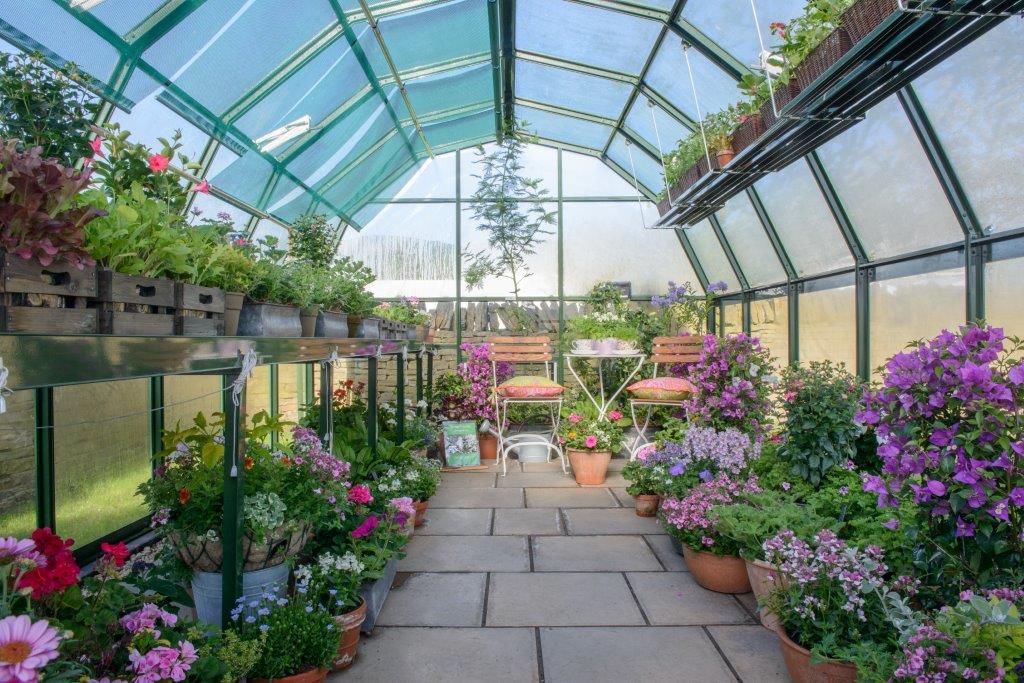
When considering whether it is better to grow plants in a greenhouse or outside, several factors come into play, including climate control, pest management, and plant variety. Each method has its own advantages and disadvantages, which can substantially affect the growth and yield of plants.
Climate Control
Growing plants in a greenhouse provides significant advantages in terms of climate control. The structure protects plants from extreme weather conditions, ensuring that they have a stable environment throughout the year. Key benefits include:
- Temperature Regulation: Greenhouses can be heated or cooled, allowing for optimal growth temperatures.
- Humidity Control: Greenhouses can maintain higher humidity levels, which is essential for certain tropical plants.
- Protection from Frost: Plants in a greenhouse are sheltered from frost, allowing for earlier planting in spring.
Pest and Disease Management
Managing pests and diseases can become easier when plants are grown in a greenhouse. The enclosed environment limits the number of pests that can access the plants, leading to healthier growth. Consider the following aspects:
- Reduced Pest Incursion: Fewer pests mean less reliance on chemical pesticides, leading to healthier plants.
- Quarantine Capability: In a greenhouse, it is easier to isolate affected plants to prevent widespread infestations.
- Natural Predators: Greenhouse settings can encourage the use of beneficial insects for pest control, like ladybugs.
Variety of Plants
The variety of plants you can grow varies significantly between a greenhouse and outdoor gardening. Greenhouses extend the growing season, allowing gardeners to cultivate a wider range of species. Here are some points to consider:
- Exotic Plants: Greenhouses can house tropical and subtropical plants that may not survive in an outdoor climate.
- Year-Round Growth: Many plants can continue to grow through winter in a greenhouse, offering continuous harvesting.
- Experimental Gardening: A controlled environment encourages experimenting with rare or sensitive plant varieties.
Initial Investment and Costs
Establishing a greenhouse requires a higher initial investment compared to traditional outdoor gardening. However, the long-term benefits can offset these costs. Consider the following financial aspects:
See also:
- Setup Costs: Building a greenhouse involves costs for materials, heating systems, and ventilation.
- Maintenance Costs: Regular maintenance for temperature and humidity control can add to the expense.
- Yield Returns: Higher, more consistent yields from controlled environments can lead to higher overall profits.
Environmental Impact
Growing plants in a greenhouse can have a different environmental impact than outdoor cultivation, especially concerning resources such as water and energy. Here are some important considerations:
- Water Efficiency: Greenhouses can utilize drip irrigation systems, conserving water more effectively.
- Energy Usage: Heating and cooling a greenhouse can require significant energy, impacting sustainability efforts.
- Carbon Footprint: Depending on design and energy sources, a greenhouse can have a lower carbon footprint compared to outdoor monocultures.
What are the disadvantages of a greenhouse?
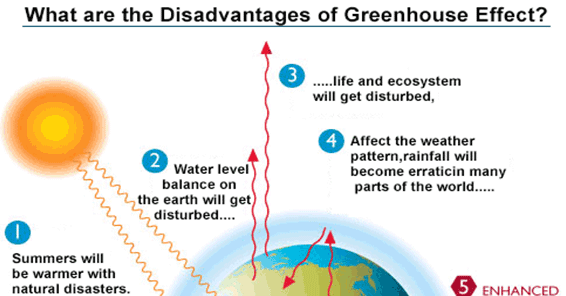
Greenhouses offer many benefits for growing plants, but there are significant disadvantages that need to be considered. Understanding these disadvantages can help in making informed decisions about whether to invest in a greenhouse.
Initial Costs
The initial costs associated with building or purchasing a greenhouse can be substantial. These costs can include:
- Materials: The price of glass, plastic, or other materials can add up quickly.
- Construction: If you hire professionals for construction, labor costs can be significant.
- Site Preparation: Preparing the land for a greenhouse can include grading, paving, or installing utilities.
Maintenance Requirements
Greenhouses require ongoing maintenance to function effectively. This can involve:
- Cleaning: Regular cleaning of glass or plastic panels is necessary to ensure maximum light penetration.
- Repairs: Over time, materials may wear out or become damaged, requiring regular repairs.
- Temperature Control: Maintaining the right temperature can require repairs or maintenance of heating and cooling systems.
Climate Control Challenges
While greenhouses provide controlled environments, they can also pose climate control challenges such as:
- Temperature Fluctuations: Maintaining consistent temperatures can be difficult, especially during changing seasons.
- Humidity Levels: Excess humidity can lead to mold and disease if not monitored properly.
- Ventilation Issues: Proper ventilation is essential; failure to ventilate can result in overheating.
Pest and Disease Management
Despite being a controlled environment, greenhouses can still struggle with pest and disease management:
- Concentration of Pests: Greenhouses can attract a high concentration of pests that thrive in warm, sheltered environments.
- Spread of Diseases: Diseases can spread quickly in the humid environment of a greenhouse.
- Limited Natural Predators: Natural pest control options may be limited, requiring reliance on chemical treatments.
Space Limitations
The limited space within a greenhouse can also be a disadvantage:
- Growing Conditions: Space restrictions can impact plant growth and yield.
- Crowding Issues: Too many plants in one area can lead to competition for light and nutrients.
- Expansion Challenges: Expanding or modifying a greenhouse can be complex and costly.
What should you not grow in a greenhouse?
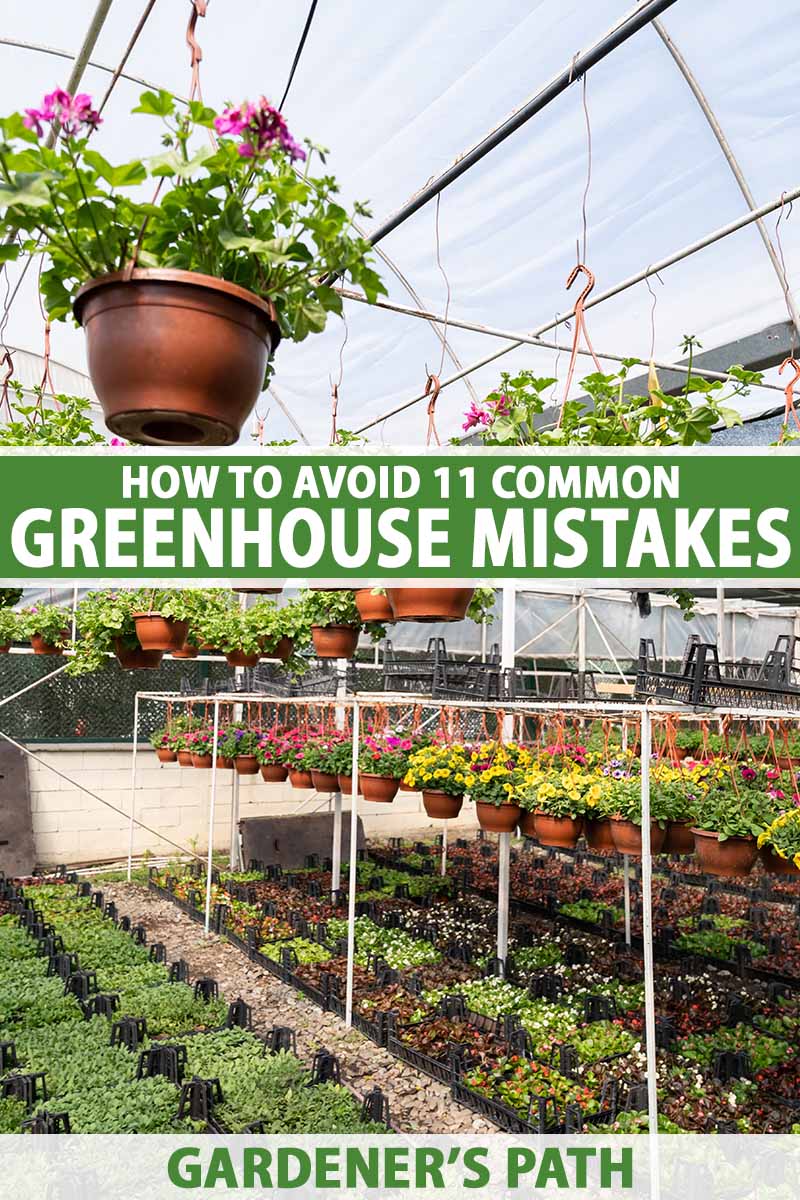
Growing plants in a greenhouse can offer many advantages, but not all plants are suitable for this environment. Certain types of plants may either struggle to thrive or can introduce problems if grown in a greenhouse setting. Here are some plants and types of growth that should be avoided in greenhouses:
1. Very Large Trees
Growing large trees in a greenhouse is generally not recommended due to their size and the space they require. Large trees can:
- Outgrow the greenhouse quickly, leading to maintenance issues.
- Block light for other plants, potentially causing them to underperform.
- Require extensive watering and nutrient management that can be difficult to monitor.
2. High-Maintenance Plants
Plants that require a lot of attention and care can become a burden in a greenhouse. Some examples include:
- Plants that need constant pruning or significant intervention to thrive.
- Species that are prone to pests or diseases that may spread quickly in a contained space.
- Plants that require specific humidity and temperature levels that are difficult to maintain.
3. Plants with Long Growing Seasons
Certain plants require long growing seasons that may not be feasible in a greenhouse environment. These include:
See also:
- Perennial crops that take multiple years to establish and grow.
- Some fruit trees that won't mature quickly enough to yield in a reasonable timeframe.
- Plants that need cold dormancy periods which may contradict the consistently warm temperatures of a greenhouse.
4. Weeds and Invasive Species
Introducing weeds and invasive species to a greenhouse can lead to numerous issues:
- Weeds can compete with more desirable plants for water, nutrients, and light.
- Invasive species can establish quickly, outpacing unknown native plants that gardeners may prefer.
- Both pests and diseases associated with these species can risk the health of other plants in the greenhouse.
5. Plants Requiring Specific Soil Types
Some plants thrive only in very specific soil types that may not be replicable in a raised bed or potting soil in a greenhouse. Examples include:
- Carnivorous plants that require peat-based or very acidic soils.
- Plants like orchids that need well-draining, airy media that may be challenging to maintain in a greenhouse setting.
- Species that require natural or undisturbed soil profiles for optimal growth.
Is a greenhouse better than direct sunlight?
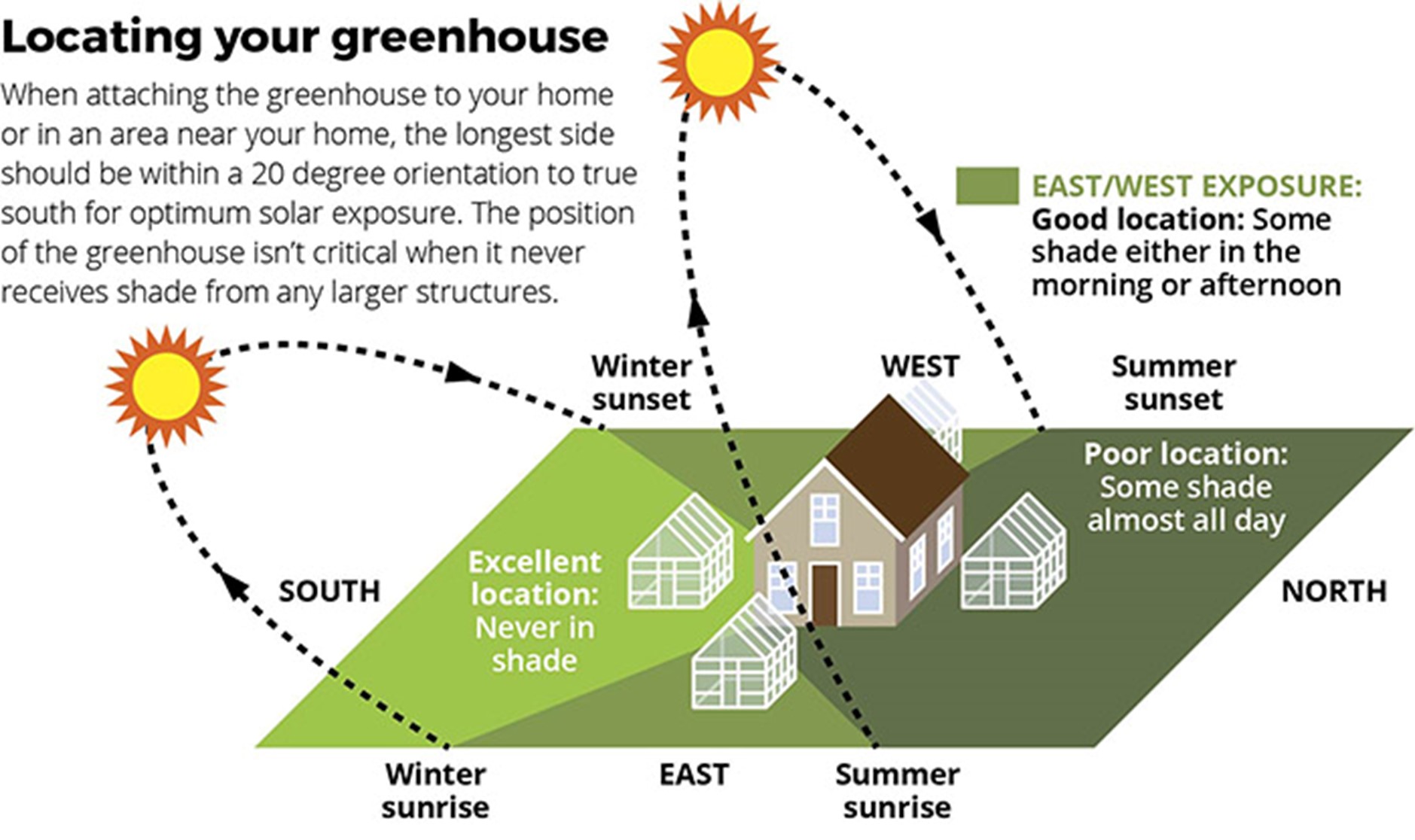
A greenhouse is often considered a better option than direct sunlight for various reasons, primarily related to plant health, growth optimization, and environmental control. While direct sunlight can benefit plants, a greenhouse provides a controlled environment that can significantly enhance plant development and protect them from extreme weather conditions.
Understanding Greenhouse Benefits
A greenhouse offers numerous benefits that can contribute positively to plant growth and health. The two main advantages are:
- Temperature Control: Greenhouses maintain a stable temperature, preventing plants from experiencing the shock of sudden cold or heat.
- Humidity Regulation: A greenhouse retains moisture better than open environments, providing adequate humidity which is essential for many plants.
- Pest and Disease Management: Greenhouses can protect plants from pests and diseases, reducing the need for chemical interventions.
The Role of Light in Plant Growth
Light is crucial for photosynthesis, but the type and intensity of light can greatly impact plant health. In a greenhouse, light can be filtered and diffused, making it more conducive for plant growth.
- Filtered Light: Greenhouse materials can diffuse harsh sunlight, providing a softer light that is less stressful for plants.
- Extended Growing Seasons: The protection from outside weather allows for earlier planting and longer harvesting seasons.
- Controlled Light Availability: Artificial lighting can supplement sunlight in a greenhouse, enabling year-round cultivation.
Temperature and Humidity Management
A significant advantage of a greenhouse is its ability to regulate temperature and humidity levels, which can be detrimental when relying solely on direct sunlight.
- Heat Retention: Greenhouses trap heat during the day and release it slowly at night, which prevents temperature extremes.
- Optimal Humidity Levels: The enclosed environment allows for humidity levels to be tailored to specific plant needs, encouraging healthy growth.
- Seasonal Adaptability: Greenhouses can be efficiently heated or cooled depending on the season, maximizing growth potential throughout the year.
Pest and Disease Prevention
Another key aspect of greenhouses is their ability to act as a barrier against external threats such as pests and diseases, which can wreak havoc on outdoor plants.
- Physical Barrier: Greenhouses shield plants from harmful insects and wildlife that could damage them.
- Controlled Environment: The regulated space allows for easier monitoring and management of plant health.
- Integrated Pest Management: Greenhouses can employ beneficial insects and organic treatments more effectively.
Water Efficiency
Watering requirements can significantly differ between a greenhouse and direct sunlight cultivation, impacting overall plant health and resource usage.
- Reduced Evaporation: A greenhouse minimizes water loss through evaporation, optimizing water use.
- Targeted Irrigation Systems: Many greenhouses install irrigation systems that provide consistent moisture tailored to plants' needs.
- Soil Quality Maintenance: Controlled watering helps maintain proper soil moisture, which is critical for nutrient absorption.
Questions from Our Readers
Do plants grow better in a greenhouse?
Yes, plants generally grow better in a greenhouse because it provides a controlled environment. This setting can maintain optimal temperature, humidity, and light levels, which can enhance plant growth and protection from pests and diseases.
What are the benefits of growing plants outside?
Growing plants outside allows them to benefit from natural sunlight and exposure to fresh air. This can lead to stronger root systems and better adaptation to local climate conditions, though it may also increase their vulnerability to pests and weather extremes.
Can some plants thrive in both environments?
Yes, many plants can thrive in both a greenhouse and outdoors, depending on their species and growth requirements. Certain hardy plants are well-adapted to outside conditions, while more delicate plants may flourish best in the protective confines of a greenhouse.
What factors influence plant growth in each setting?
Factors such as light availability, water supply, soil quality, and temperature significantly influence plant growth in both settings. In a greenhouse, these factors can be more easily controlled, while outdoor plants depend on natural elements that can vary greatly.
See also:

If you want to read more articles like Do Plants Grow Better in a Greenhouse or Outside? Exploring the Best Conditions for Plant Growth, we recommend you check out our Plants category.
Leave a Reply
Related Articles