Can I Grow Cucumbers Indoors? Essential Tips for Successful Indoor Gardening
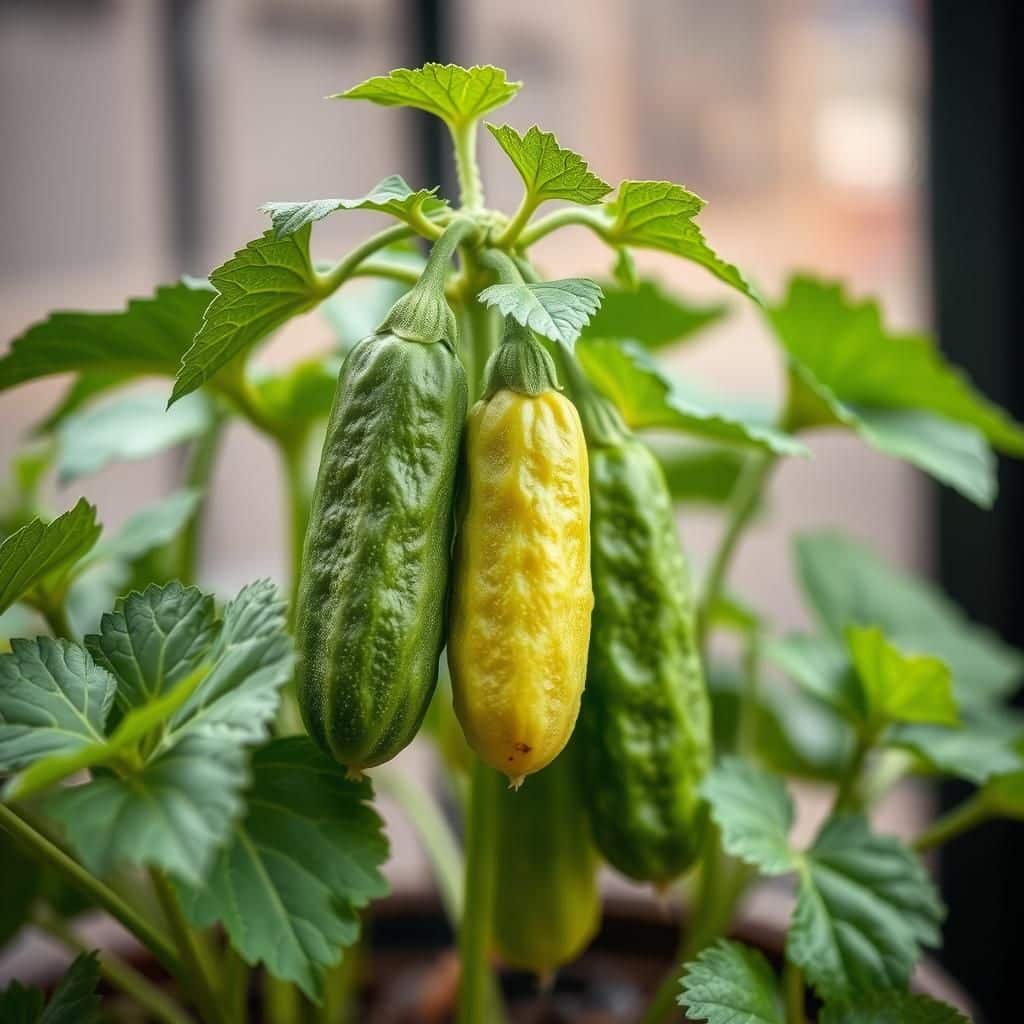
Growing cucumbers indoors can be a rewarding and enjoyable experience, especially for those with limited outdoor space or challenging climates. With proper care and attention, it is entirely possible to cultivate healthy and delicious cucumbers right in your home. This article will explore essential tips for successful indoor cucumber gardening, including choosing the right varieties, providing adequate light, maintaining proper humidity levels, and ensuring optimal soil conditions. Whether you're a seasoned gardener or a beginner, these insights will help you thrive in your indoor gardening journey and enjoy fresh, homegrown cucumbers year-round.
Can I Successfully Grow Cucumbers Indoors?
Yes, you can successfully grow cucumbers indoors, provided you create the right conditions. Cucumbers thrive in warm environments with plenty of sunlight; thus, it's essential to place them near a south-facing window or supplement with grow lights if natural light is insufficient. Additionally, using a container with good drainage and quality potting soil will support healthy growth. Remember to maintain consistent moisture and monitor for pests, as indoor plants are not immune to infestations. With proper care, you can enjoy a bountiful harvest of fresh cucumbers right from your home.
What Equipment Do I Need to Grow Cucumbers Indoors?
To grow cucumbers indoors, you will need several essential pieces of equipment. First, a suitable container that is at least 5 gallons in size helps provide enough space for root growth. You should also use a well-draining potting mix designed for vegetables. Lighting is crucial, so you might consider LED grow lights if natural sunlight is inadequate. Additionally, tools like a watering can, fertilizer, and plant supports such as trellises can facilitate the growth process and promote healthy plants.
How Much Light Do Cucumbers Need Indoors?
Cucumbers require a significant amount of light to thrive, ideally between 12 to 14 hours of direct light daily. If growing them indoors, placing them near a south-facing window will ensure they receive adequate sunlight. In cases where natural light is insufficient, using grow lights is an excellent alternative; these should be kept on for the same duration to mimic natural sunlight. Regularly rotating the plants can also help them receive even light exposure and prevent any leggy growth.
What Temperature Is Best for Indoor Cucumbers?
The ideal temperature for growing cucumbers indoors ranges from 70°F to 85°F (21°C to 29°C) during the daytime, with nighttime temperatures slightly cooler, ideally around 60°F to 70°F (16°C to 21°C). Maintaining this warm environment is essential for seed germination and overall plant health. It’s important to keep cucumbers away from cold drafts or sudden temperature changes, as this could stress the plant and hinder growth.
See also:
What Varieties of Cucumbers Are Best for Indoor Growth?
When choosing cucumber varieties to grow indoors, opt for those specifically bred for container gardening or compact growth. Varieties like Boston Pickling, Marketmore, and Miniature White are great options due to their smaller size and bushy growth patterns, which make them well-suited for pots. Additionally, look for parthenocarpic types that produce fruit without the need for cross-pollination, simplifying indoor gardening.
How Often Should I Water Indoor Cucumbers?
Indoor cucumbers need consistent moisture, but overwatering can lead to root rot. It is generally recommended to check the top inch of soil; if it's dry, it's time to water. A good rule of thumb is to water them deeply once every 2 to 3 days, depending on the humidity levels and temperature of your growing environment. Providing adequate drainage in the container is also essential to prevent waterlogging, which can harm the plants.
| Aspect | Recommendation |
|---|---|
| Container Size | At least 5 gallons |
| Light Requirement | 12-14 hours daily |
| Ideal Temperature | 70°F to 85°F |
| Watering Frequency | Every 2-3 days |
| Best Varieties | Boston Pickling, Marketmore |
Choosing the Right Container for Indoor Cucumbers
When growing cucumbers indoors, selecting the right container is crucial for success. Cucumbers thrive in deep pots that provide ample room for their root systems to expand. A container that is at least 12 to 18 inches deep will allow for proper drainage and aeration, which is essential for maintaining healthy plant growth. Ensure that the container has adequate drainage holes to prevent overwatering, as cucumbers are particularly susceptible to rot. Using a high-quality potting mix rich in organic matter can also help retain moisture and provide the necessary nutrients for your indoor cucumber plants.
Optimal Lighting Conditions for Indoor Cucumbers
Cucumbers require bright, direct light for at least 6 to 8 hours a day for optimal growth. Without sufficient lighting, the plants may become leggy and fail to produce fruit. For indoor gardening, using grow lights can effectively supplement natural light, especially during the shorter days of winter. Position the grow lights 6 to 12 inches above the plants and adjust the height as they grow. Keeping a consistent light schedule, ideally with full-spectrum lights, will help mimic natural conditions and promote healthy photosynthesis.
Temperature and Humidity Requirements
The ideal temperature for growing cucumbers indoors is between 70°F to 85°F (21°C to 29°C) during the day and slightly cooler at night. Additionally, cucumbers thrive in high humidity environments, ideally around 50% to 70%. To maintain the right humidity levels, consider using a humidifier or placing a tray of water near the plants. Monitoring temperature and humidity is essential, as cucumbers can be sensitive to drastic changes, which may hinder their growth and ability to produce fruit.
See also:
Watering Techniques for Healthy Growth
Watering is a critical aspect of indoor cucumber cultivation. It's important to keep the soil moist but not waterlogged, as cucumbers are prone to root rot if overwatered. A good practice is to check the top inch of the soil; if it feels dry, it’s time to water. Using a soaker hose or drip irrigation system can help maintain consistent moisture levels while minimizing the risk of splashing water onto the leaves, which can lead to fungal diseases. Additionally, watering in the morning allows excess moisture to evaporate throughout the day, promoting healthier plants.
Harvesting Indoor Cucumbers
Knowing when to harvest cucumbers is vital to enjoy their best flavor and texture. Typically, cucumbers are ready to be picked when they reach about 6 to 8 inches in length, but this can vary depending on the variety. It's essential to harvest cucumbers regularly, as leaving them on the vine too long can lead to bitter flavors and reduce the plant's productivity. Use a sharp knife or garden scissors to clip the fruit from the vine to avoid damaging the plant. Regular harvesting encourages new growth and maximizes your indoor cucumber yield.
Questions from Our Readers
Can I grow cucumbers indoors?
Yes, you can grow cucumbers indoors as long as you provide them with the right conditions. They require plenty of light, ideally around 12-14 hours per day, and temperatures between 70-85°F. Using grow lights can help maintain the necessary light levels, especially in winter.
What type of cucumber is best for indoor growing?
Miniature or bush varieties of cucumbers, such as 'Patio Princess' or 'Bush Champion,' are often the best choices for indoor gardening. These varieties are compact and suited for smaller spaces while still producing a good yield.
How much water do indoor cucumbers need?
Indoor cucumbers typically require consistent moisture, so it's important to keep the soil evenly moist but not waterlogged. Checking the top inch of soil can help you determine when to water, ensuring your plants receive enough hydration without overwatering.
See also:
Do I need to pollinate cucumbers grown indoors?
Yes, indoor cucumbers often require pollination, as many varieties are not self-pollinating. If you notice flowers but no fruit developing, you can gently hand-pollinate using a small brush or cotton swab to transfer pollen between the male and female flowers.

If you want to read more articles like Can I Grow Cucumbers Indoors? Essential Tips for Successful Indoor Gardening, we recommend you check out our Plants category.
Leave a Reply
Related Articles