What Should You Not Plant Next to Marigolds? Essential Companion Planting Tips for Garden Success
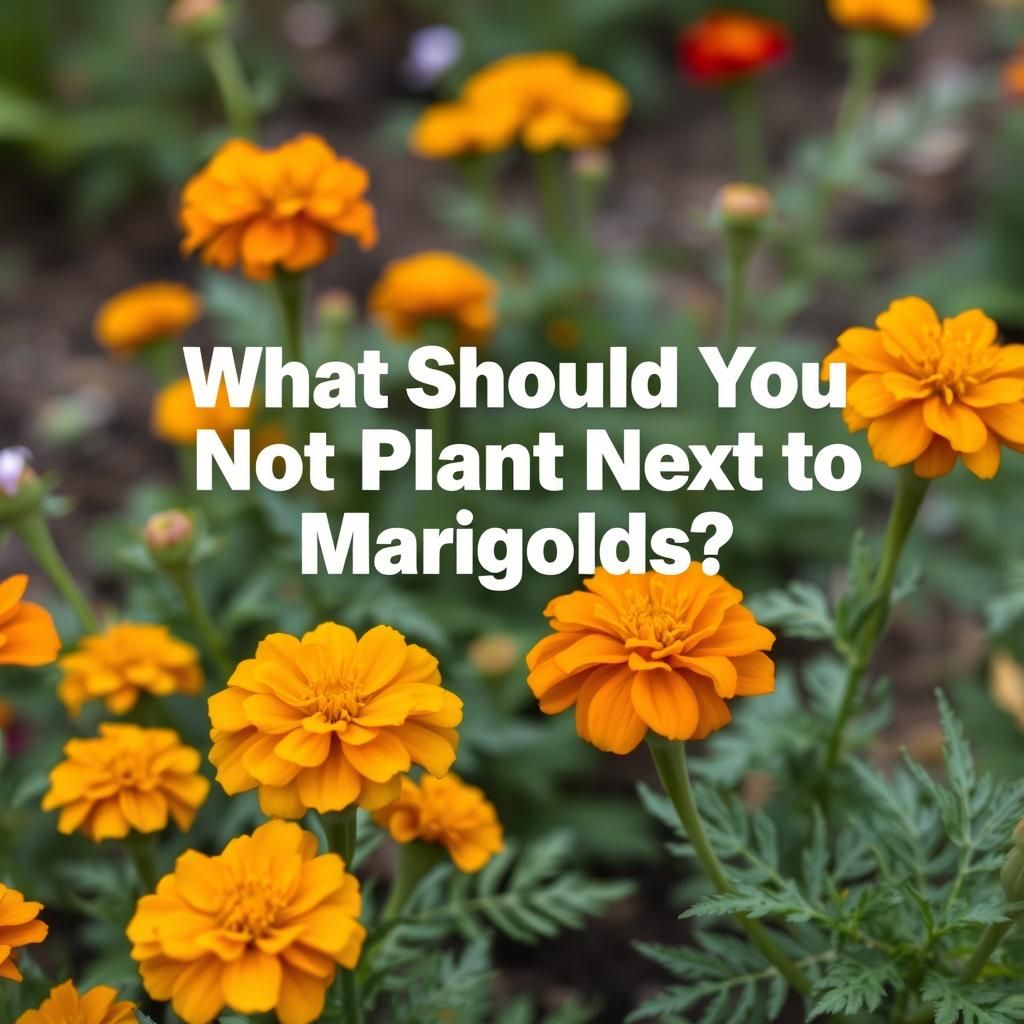
Companion planting is a vital strategy for achieving a successful garden, and while marigolds are often celebrated for their pest-repelling properties, there are specific plants that should not be grown alongside them. Understanding these combinations can enhance your garden’s health and productivity. This article delves into the essential tips for companion planting with marigolds, identifying potential companion plants that could impede their growth or attract unwanted pests. By ensuring a harmonious planting environment, gardeners can cultivate a thriving ecosystem, maximizing both plant health and yield while minimizing gardening challenges. Discover what to avoid planting next to marigolds for optimal garden success.
What Should You Not Plant Next to Marigolds?
Planting marigolds in your garden can have a variety of benefits, from deterring pests to attracting beneficial insects. However, certain plants do not fare well when grown alongside marigolds. It's essential to avoid planting cabbage, broccoli, and other members of the cruciferous family near marigolds. The strong scent of marigolds can interfere with the growth and flavor of these plants, potentially leading to reduced yields. Additionally, some plants, like beans, may experience stunted growth or decreased vitality due to the allelopathy effect of marigold roots. Therefore, careful selection of companion plants is crucial to maintaining a thriving garden ecosystem.
Cruciferous Vegetables: A Poor Companion
Cruciferous vegetables, such as cabbage, broccoli, and cauliflower, should not be planted next to marigolds as their growth can be adversely affected. The volatile compounds released by marigolds can lead to reduced flavor and vigor in these vegetables. Furthermore, marigolds may attract pests that could harm cruciferous crops, which adds another layer of complexity to their relationship.
Beans: Growth Stimulation Issues
Beans are another plant that tends to struggle when grown near marigolds. The allelopathic properties of marigold roots can inhibit the growth of bean plants, leading to a lack of healthy development and decreased yields. It is advisable to keep these two plants separated to ensure that bean plants can thrive and produce bountiful harvests.
Herbs That Don’t Mix Well
Some culinary herbs, such as basil and sage, do not appreciate the presence of marigolds. The strong scent released by marigolds can interfere with the flavor profiles of these herbs. For gardeners seeking to cultivate robust herbs, it is best to plant them away from marigolds to ensure their taste remains vibrant.
Nightshades: Interference in Growth
Tomatoes, peppers, and other nightshades can also be negatively impacted by marigolds. The chemicals emitted by marigold roots may interfere with the nutrient uptake of these plants, potentially resulting in inhibited growth and reduced fruit production. Keeping nightshades at a distance from marigolds will promote healthier growth and better yield.
Other Flowering Plants to Avoid
Certain flowering plants may not thrive when planted near marigolds. For example, petunias and pansies may exhibit stunted growth or diminished flowering due to the chemical interactions between their root systems. Ensuring a thoughtful arrangement of flowering plants will lead to a more fruitful and harmonious garden environment.
| Plant Type | Reason to Avoid |
|---|---|
| Cruciferous Vegetables | Interference with growth and flavor |
| Beans | Stunted growth from allelopathy |
| Herbs (Basil, Sage) | Flavors negatively impacted |
| Nightshades (Tomatoes, Peppers) | Nutrient uptake interference |
| Other Flowering Plants | Stunted growth and reduced flowering |
What grows well next to marigolds?
:strip_icc()/BHG-Marigold-Companion-Plants-170816-156-47036b1e2ac54a39a08551c07b6307d0.jpg)
Marigolds are a popular choice for companion planting due to their ability to deter pests and enhance the growth of nearby plants. When selecting plants to grow alongside marigolds, it is beneficial to choose varieties that can thrive in similar conditions and offer mutual benefits.
Best Companion Plants for Marigolds
Growing marigolds alongside the right plants can lead to a healthier garden. Some of the best companions include:
- Tomatoes: Marigolds can help repel nematodes that negatively affect tomatoes, promoting better crop yields.
- Cabbage: These flowers can deter pests such as aphids and cabbage moths from attacking cabbage leaves.
- Beans: Marigolds attract beneficial insects that enhance pollination and help maintain the health of bean plants.
Herbs That Thrive with Marigolds
Certain herbs not only benefit from marigolds but can enhance their growth as well. Key herbs include:
- Basil: Companion planting basil with marigolds can promote flavor development while repelling insects.
- Cilantro: The aromatic compounds of marigolds can help keep harmful pests away from cilantro.
- Chives: Chives can benefit from marigolds' pest-repelling properties, particularly against aphids.
Vegetables That Enjoy Marigold Companionship
Many vegetables grow better when paired with marigolds due to the plants' pest-repelling qualities. Ideal choices include:
- Peppers: Marigolds can enhance pepper growth by warding off harmful insects like aphids and whiteflies.
- Squash: The blooms can attract pollinators while deterring pest species that typically target squash plants.
- Carrots: Marigolds repel root flies that can harm carrot crops and help in better root development.
Fruit Plants That Benefit from Marigolds
Fruit plants also thrive when grown near marigolds, which can help protect them from pests. Notable fruits include:
See also:
- Strawberries: Marigolds can help deter slugs and other pests that affect strawberry plants.
- Melons: The vibrant flowers attract beneficial insects that enhance the pollination of melon flowers.
- Blueberries: Marigolds can help repel certain pests, improving the health and yield of blueberry bushes.
Flowering Plants Compatible with Marigolds
Some flowering plants can make excellent companions for marigolds, creating a visually appealing garden. Suggested flowers include:
- Petunias: These flowers can provide vibrant colors while benefiting from marigold pest deterrence.
- Nasturtiums: Acting as a trap crop, nasturtiums attract pests away from marigolds and other plants.
- Geraniums: Geraniums can deter certain pests like beetles when planted alongside marigolds.
What plants don't like marigolds?
:max_bytes(150000):strip_icc()/low-maintenance-flowers-you-cant-kill-4864031_final-da20e03588614b1f8954786b026d820e.png)
Marigolds, particularly Tagetes species, are known for their vibrant blooms and pest-repellent properties. However, certain plants may not thrive when grown alongside marigolds due to their strong scent and chemical properties. Here are a few examples of plants that generally do not like marigolds:
Tomatoes
Tomatoes can be negatively affected by the presence of marigolds. While marigolds are often used to deter pests, they can also create a hostile environment for tomato plants due to allelopathic effects.
- Growth Inhibition: The chemical compounds released by marigolds might inhibit the growth of tomatoes.
- Pest Competition: Marigolds may attract pests that could harm tomato plants rather than protect them.
- Nutrient Competition: Both plants compete for nutrients in the soil, potentially harming tomato yield.
Potatoes
Potatoes are another plant that can struggle when planted near marigolds. The strong scent of marigolds can interfere with the delicate balance of nutrients that potatoes require for ideal growth.
- Reduced Yield: Marigolds may impede the growth rates of potato plants, leading to lower yields.
- Pest Attraction: Marigolds could attract pests that negatively impact the health of potato plants.
- Soil Nutrient Disruption: Their root systems can disrupt the nutrient availability in the soil for potatoes.
Cucumbers
Cucumbers are sensitive to the allelopathic properties of marigolds, which can hinder their growth and overall health.
- Growth Stunting: The presence of marigolds may stunt cucumber plant growth, reducing their productivity.
- Root Complications: The roots of marigolds can affect the root systems of cucumbers and disrupt water uptake.
- Pest Issues: Marigolds might attract pests that are harmful to cucumbers.
Impatiens
Impatiens are ornamental plants that can struggle when placed in close proximity to marigolds, mainly due to competing for space and nutrients.
- Soil Nutrient Depletion: Marigolds can compete with impatiens for available nutrients in the soil.
- Water Requirements: Both plants have different water needs, which can cause issues in mixed planting.
- Growth Competition: The robust growth of marigolds can overshadow and outcompete impatiens.
Beans
Beans, particularly varieties like bush beans, can be affected negatively when planted near marigolds, leading to various cultivation challenges.
- Competition for Light: Marigolds can grow taller, potentially shading bean plants and inhibiting their growth.
- Interference with Nitrogen Fixation: Beans rely on soil bacteria for nitrogen fixation, and marigolds can impact this process.
- Pest Attraction: Similar to other plants, marigolds can attract pests that are detrimental to bean plants.
Where is the best place to plant marigolds in a garden?
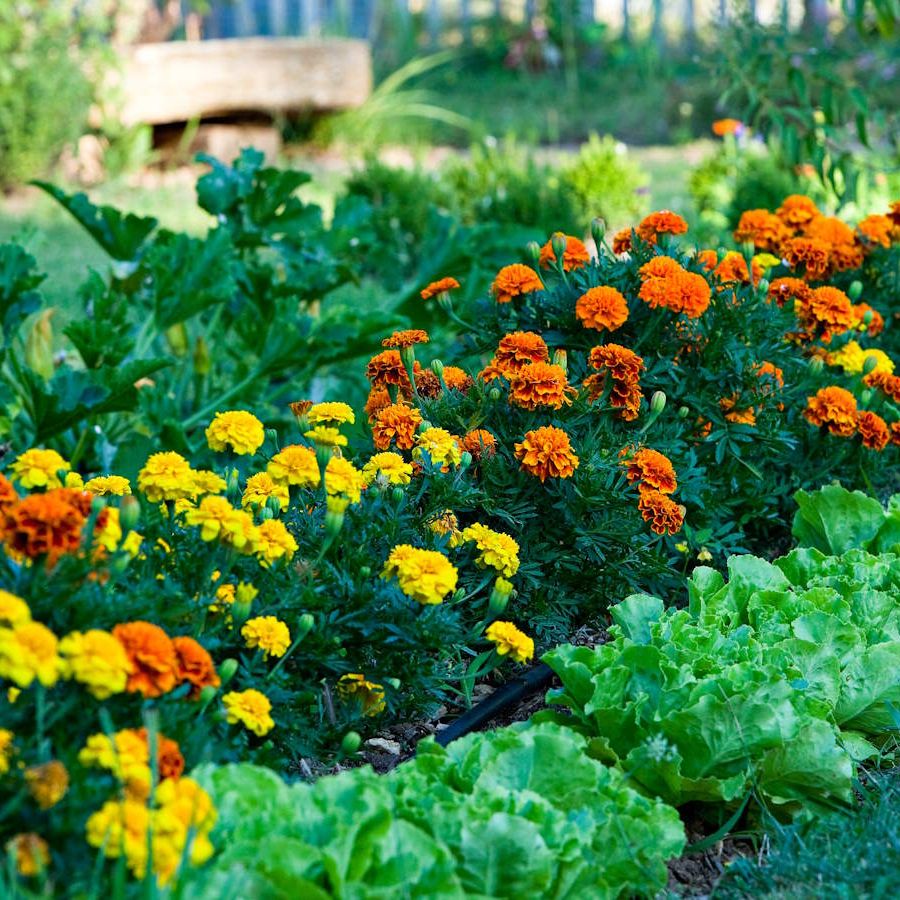
Marigolds, known for their vibrant colors and ability to attract beneficial insects, can be a wonderful addition to any garden. When considering the best place to plant marigolds, several factors need to be taken into account to ensure optimal growth and blooming. Here are some recommendations:
Optimal Sunlight Conditions
Marigolds thrive in full sunlight, which is crucial for their growth and blooming cycle. A minimum of 6 hours of direct sunlight each day is ideal. When selecting a location, consider the following:
- Southern Exposure: Areas that receive southern exposure are best suited for marigolds because they can soak in all-day sun.
- Avoid Shaded Areas: Planting marigolds in shaded spots can lead to stunted growth and fewer flowers.
- Consistent Light: Ensure the chosen spot has consistent light throughout the day, as this promotes healthy plants.
Soil Requirements
The type of soil you choose is vital for marigolds. They prefer well-draining soil that is rich in organic matter. Here’s what to consider:
- pH Level: Marigolds thrive in slightly acidic to neutral pH (around 6.0 to 7.0). Test the soil to ensure it’s within this range.
- Soil Composition: Amending the soil with compost or well-rotted manure can enhance drainage and nutrient availability.
- Avoid Compacted Soil: Ensure that the soil is loose and not compacted, as compacted soil can hinder root development.
Protection from Pests
Marigolds can act as natural pest repellents. However, it is essential to plant them wisely to maximize this benefit. Key points include:
See also:
- Strategic Placement: Plant marigolds near vulnerable plants to repel pests like nematodes and aphids.
- Avoid Nearby Weeds: Weeds can harbor pests, so keep the marigold area clear of any competing plants.
- Utilize Borders: Use marigolds as border plants around vegetables or fragile flowers for added protection.
Watering Needs
The watering needs of marigolds are another crucial factor for their success in the garden. Here’s how to manage this:
- Deep Watering: Water deeply but infrequently to encourage strong root growth.
- Drainage: Ensure that the planting area has proper drainage to avoid root rot, especially after heavy rainfall.
- Monitor Soil Moisture: Check soil moisture regularly but avoid overwatering as marigolds prefer drier conditions once established.
Companion Planting
Marigolds are excellent companions in the garden. Knowing which plants to pair them with can enhance their effectiveness. Consider the following:
- Vegetables: Plant marigolds alongside tomatoes, peppers, and cucumbers to deter pests and enhance growth.
- Herbs: Pair marigolds with basil and cilantro for pest control while benefiting from their aromatic qualities.
- Avoid Incompatible Plants: Do not plant marigolds near crops that prefer low light and moisture, as this can hinder their growth.
Do marigolds like sun or shade?
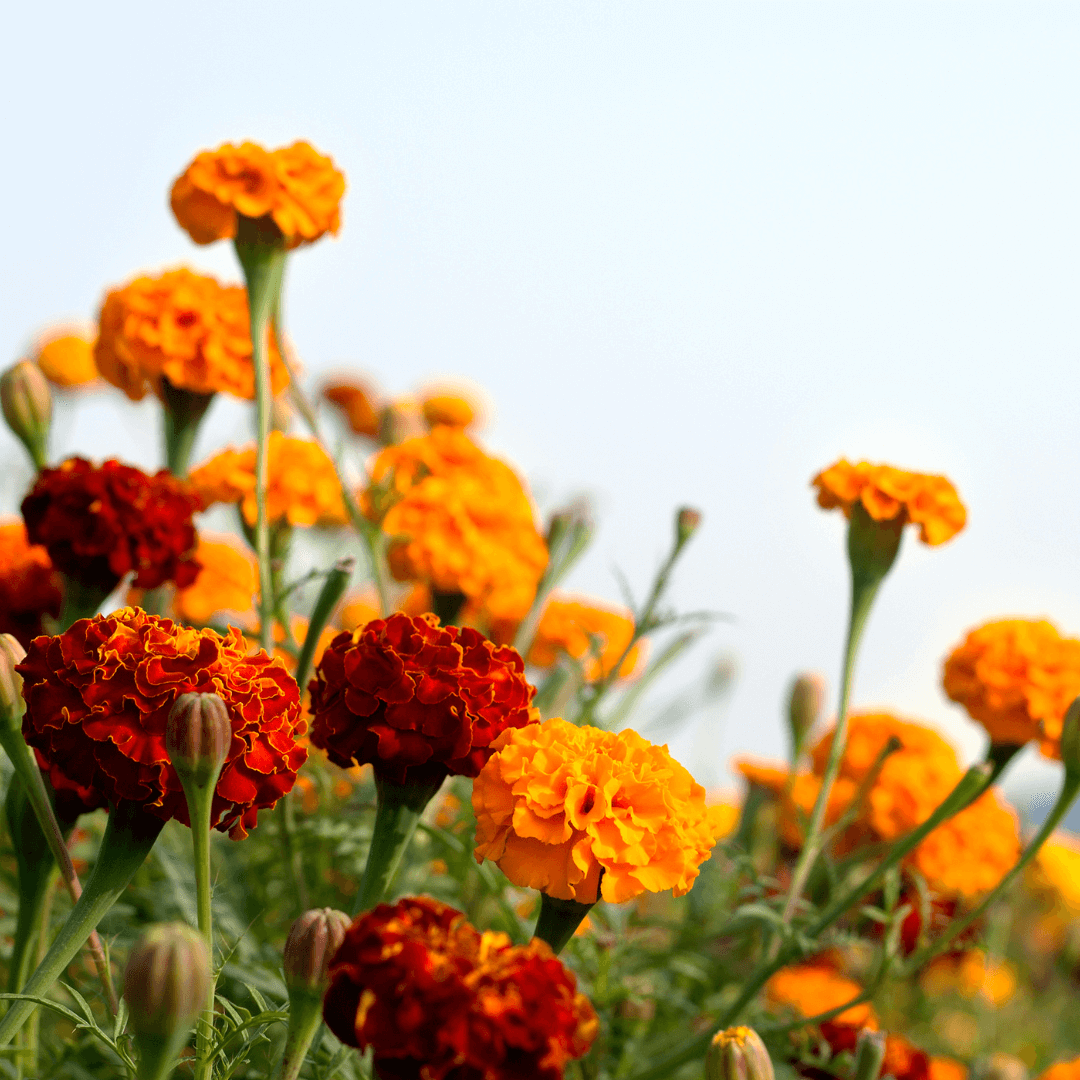
Marigolds, scientifically known as Tagetes, thrive best in full sunlight. These vibrant flowers flourish when they receive at least 6 hours of direct sunlight each day. While they can tolerate partial shade, their growth, flowering, and overall health significantly improve with plenty of sunshine.
Optimal Sunlight for Marigolds
Marigolds grow optimally when exposed to strong light conditions. Here are some key points regarding their sunlight requirements:
- Photoperiod Sensitivity: Marigolds bloom more profusely and their colors are brighter in full sun.
- Photosynthesis: Adequate sunlight enables efficient photosynthesis, essential for vigorous growth.
- Heat Tolerance: Marigolds can withstand high temperatures when properly sunlit.
Effects of Shade on Marigolds
While marigolds can survive in shaded areas, prolonged exposure to shade has detrimental effects. The following outlines those effects:
- Reduced Flowering: Shade can lead to fewer blooms and less vibrant colors.
- Stunted Growth: Lack of sunlight can hinder their overall growth and strength.
- Pest Issues: Marigolds in shady environments may attract more pests due to stress.
Best Varieties for Sun or Shade
Certain varieties of marigolds have varying tolerances to sun and shade. Consider the following tips:
- French Marigolds: Best suited for full sun environments and typically show vibrant blooms.
- African Marigolds: Thrive in sunny spots, with robust stems and large flower heads.
- Signet Marigolds: Can tolerate partial shade and are known for their culinary uses.
Creating a Sun-Friendly Environment
To cultivate marigolds effectively, it's essential to create a favorable sun-friendly environment. Key considerations include:
- Site Selection: Choose a location that receives ample sunlight throughout the day.
- Soil Preparation: Ensure well-draining soil to retain moisture without suffocating the roots from too much shade.
- Watering Schedule: Regular watering during dry spells can help marigolds absorb stress from high sun exposure.
Companion Planting and Sun Requirements
Marigolds can enhance the growth of other plants while requiring similar sunlight conditions. Consider these points:
- Insect Repellent: Marigolds deter pests, making them ideal companions for sun-loving plants.
- Colorful Displays: They can enhance the beauty of sunny garden beds by complementing other flowers.
- Growth Facilitation: Their growth benefits surrounding plants that also prefer sunny conditions.
Questions from Our Readers
What plants should be avoided near marigolds?
Marigolds can emit chemicals that may harm or inhibit the growth of certain plants. Specifically, they should not be planted next to cucumbers, potatoes, or other members of the nightshade family, as these plants may experience stunted growth or disease when grown in proximity to marigolds.
Why shouldn't you plant tomatoes near marigolds?
Tomatoes are particularly sensitive to the chemicals released by marigolds, which can negatively affect their growth and overall health. The presence of marigolds may lead to issues such as disease susceptibility and poor fruit yield in tomato plants.
Can marigolds affect the growth of beans?
Yes, marigolds can adversely affect bean plants. The compounds exuded by marigolds can hinder the development of beans, making them less vigorous and potentially reducing their yield.
What are the benefits of planting marigolds away from sensitive plants?
By planting marigolds away from sensitive plants such as cucumbers, tomatoes, and beans, gardeners can ensure that the beneficial aspects of marigolds, like pest control, are maximized without risking harm to nearby crops. This allows for a healthier and more productive garden overall.
See also:

If you want to read more articles like What Should You Not Plant Next to Marigolds? Essential Companion Planting Tips for Garden Success, we recommend you check out our Garden category.
Leave a Reply
Related Articles