Discovering the Mystery: Which Flower is Known as the Devil's Herb?

In the realm of botany, certain plants carry intriguing reputations, often steeped in folklore and mystery. Among these is the flower commonly referred to as the Devil's Herb. This designation evokes curiosity and caution, as it is associated with both beauty and danger. The rich history and myriad uses of this plant have spurred fascination across cultures and generations. This article delves into the identity and significance of the Devil's Herb, exploring its characteristics, cultural implications, and the warnings that accompany its allure. Join us as we uncover the layered narrative of this captivating yet enigmatic flower.
Which Flower is Known as the Devil's Herb?
The flower commonly referred to as the Devil's herb is Datura stramonium, also known as Jimson weed or thorn apple. This plant is notorious for its psychoactive properties and has been used in various cultures for both medicinal and ritualistic purposes. The entire plant contains toxic alkaloids, including scopolamine, hyoscyamine, and atropine, which can lead to dangerous poisoning or hallucinations if ingested improperly. Although it has a history in traditional medicine, its misuse often leads to tragic outcomes, earning it the ominous moniker of the Devil's herb.
Botanical Characteristics
Datura stramonium is a flowering plant that typically grows between 3 to 4 feet tall. It features large, trumpet-shaped flowers that can be white, lavender, or purple, blooming mainly in the summer. The leaves are broad and spiky, contributing to its distinctive appearance. Its fruit is a spiny seed pod that contains numerous seeds, making it easily identifiable.
Historical Uses
Historically, Datura stramonium has been used by various indigenous cultures for its medicinal properties and as a hallucinogen. It has been utilized in rituals for divination, and healing. Some traditional practitioners believed it could help treat conditions such as asthma and muscle spasms. However, due to its toxicity, careful dosage and consideration were necessary.
Effects on Humans
When consumed, Datura stramonium can induce a range of effects on the human body, including visual hallucinations, delirium, and confusion, often leading users to experience a state of euphoria followed by severe dysphoria. Overdose can result in dangerous side effects, including rapid heart rate, elevated body temperature, and even fatalities in extreme cases. Therefore, many consider it more dangerous than beneficial.
Toxicity and Safety
The toxicity of Datura stramonium is primarily due to its high levels of tropane alkaloids. The risk of poisoning is significant, especially for those unversed in proper dosages. Symptoms of poisoning include dry mouth, pupil dilation, and severe agitation. Immediate medical attention is crucial for anyone who exhibits these symptoms after exposure or consumption of the plant.
Precautions and Legality
In many places, the cultivation and possession of Datura stramonium are legal; however, its use is highly discouraged due to its unpredictability and potential for harm. People should exercise extreme caution and seek professional guidance if considering any use of the plant for medicinal purposes. Its legal status may vary significantly, so individuals should familiarize themselves with local laws regarding the plant before considering its use.
| Aspect | Information |
|---|---|
| Scientific Name | Datura stramonium |
| Common Names | Jimson weed, thorn apple |
| Toxic Components | Scopolamine, hyoscyamine, atropine |
| Symptoms of Poisoning | Dry mouth, hallucinations, confusion |
| Legal Status | Varies by region |
What flower is associated with the devil?
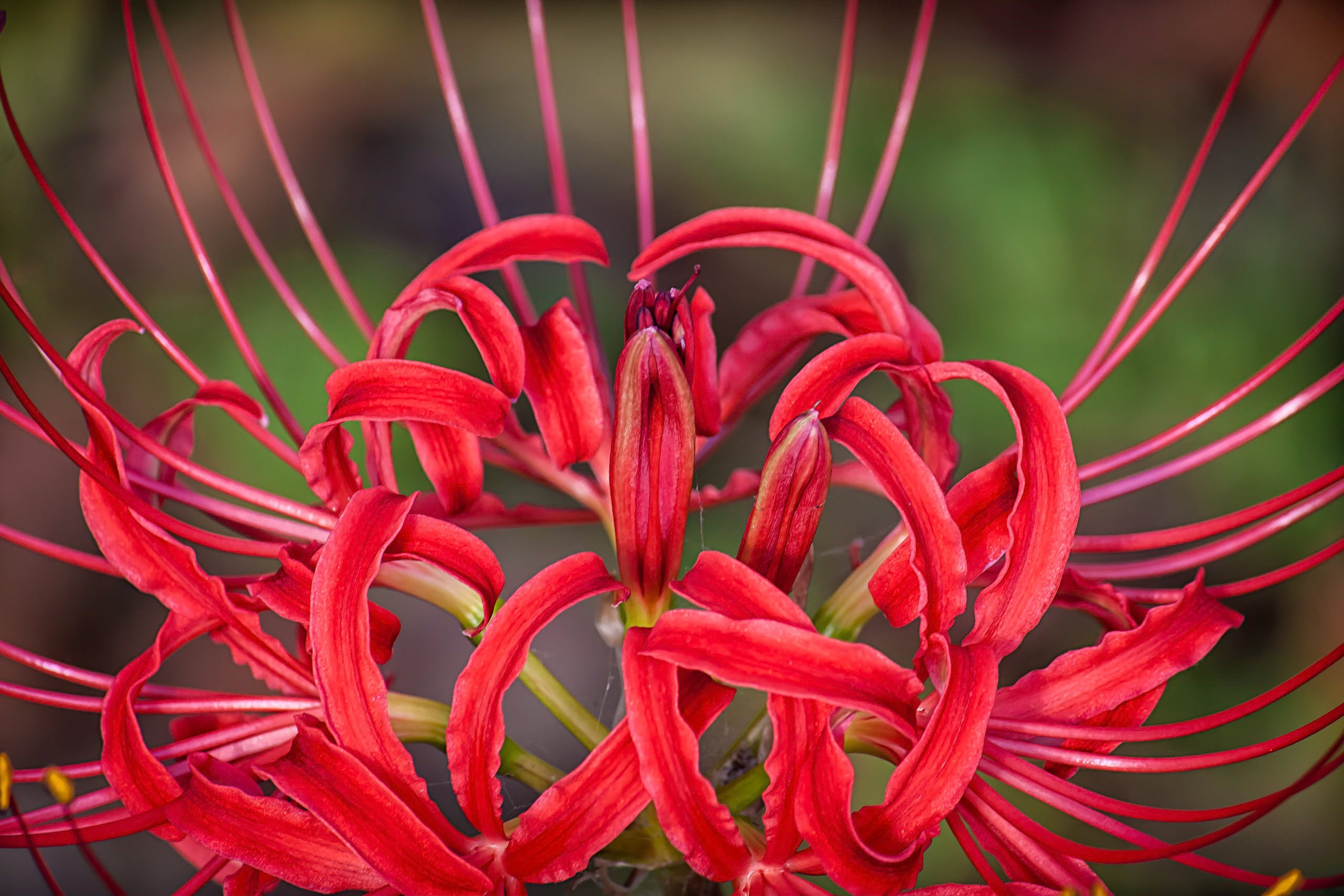
The flower most commonly associated with the devil is the Belladonna, also known as Deadly Nightshade. This plant has a rich history intertwined with folklore, medicine, and poison. The association with evil or the supernatural comes from its toxic properties and its use in various rituals. Belladonna contains tropane alkaloids, such as atropine, which can cause hallucinations and delirium, further contributing to its reputation.
Historical Significance
The historical significance of Belladonna dates back to ancient times when it was used in various cultures for both medicinal and nefarious purposes.
- In Ancient Rome, it was used as a poison and was linked to assassinations.
- In the Middle Ages, it was believed to be a favorite of witches and was often associated with witchcraft and dark magic.
- Its use in Italian Renaissance aesthetics also led to its name Belladonna, meaning beautiful lady, as women used it to dilate their pupils to enhance their beauty.
Folklore and Mythology
In folklore and mythology, Belladonna has often been depicted as a plant favored by supernatural beings, particularly by figures associated with darkness.
- Many legends portray it as a flower that can open gateways to the underworld, making it a symbol of forbidden knowledge.
- In European folklore, it is frequently mentioned in tales related to witches and witches' brews, highlighting its association with dark magic.
- Some cultures considered it a sacred plant, believing that it could attract and interact with spirits.
Symbolism in Modern Culture
Belladonna continues to be symbolically represented in modern culture, often embodying the duality of beauty and danger.
- It appears in literature and film, often as a metaphor for tempting but lethal beauty.
- In art, it symbolizes the line between life and death, often illustrated with dark motifs.
- It is also referenced in music, where its properties symbolize temptation or perilous choices.
Medicinal Uses and Dangers
Despite its toxic nature, Belladonna has been used in traditional medicine but requires careful handling due to its potential dangers.
See also:
- Historically, it was used for treating tremors, muscle spasms, and as a sedative.
- The development of modern medicine has allowed for the safe extraction of its alkaloids for specific medical applications, but misuse can lead to fatal outcomes.
- Proper dosage and understanding of its effects are crucial, as the difference between medicinal and lethal amounts is quite narrow.
Contemporary Symbolism of the Devil
In contemporary contexts, Belladonna is often used as a metaphor for the devilish qualities of inaccessibility and danger, linking it to evil.
- It is sometimes connected with rebellion, as individuals who embrace its symbolism may seek a more chaotic or unrestrained existence.
- In fashion and design, Belladonna is used to represent edginess and the allure of the forbidden, attracting those drawn to the dark side of aesthetics.
- Culturally, it becomes a statement against norms, embodying a form of empowerment through the embrace of one's darker facets.
What is a devil's flower?

A devil's flower refers to a specific type of flower known scientifically as Angrecum sesquipedale, which is also commonly called the devil's flower orchid. This fascinating plant is native to the tropical regions of Madagascar and is renowned for its unique appearance. The devil's flower orchid is particularly striking due to its long, serpent-like petals that resemble the shape of a snake or a devil's tail. This unusual morphology plays a crucial role in its pollination, as it attracts specific types of pollinators.
The coloration of these orchids is predominantly creamy white, with dark maroon markings, which further enhances their dramatic appearance. This flower is part of the Orchidaceae family and is usually found in humid, forested areas, thriving in the natural light of the canopy while avoiding direct sunlight. This orchid not only captivates floral enthusiasts but also serves a significant role in its ecosystem, contributing to biodiversity in its native habitat.
Characteristics of the Devil's Flower Orchid
The devil's flower orchid possesses distinctive features that set it apart from other orchids. Here are some of its defining characteristics:
- Unique Petal Structure: The long, curling petals mimic the look of a devil's tail or a serpent.
- Color Variations: The predominant creamy white color is often accented with deep maroon spots, enhancing its visual appeal.
- Size: Flowers can reach lengths of up to 12 inches, making them one of the larger members of the orchid family.
Habitat and Growing Conditions
This orchid thrives in its natural habitat, which consists of tropical forests in Madagascar. The environment plays a vital role in its growth and development. Key aspects of its habitat include:
- Humidity: The devil's flower orchid requires a humid environment to flourish.
- Light Requirements: They tend to prefer filtered sunlight, avoiding harsh direct sunlight that could damage their delicate petals.
- Elevation: It is typically found at elevations that provide the right balance of temperature and moisture.
Pollination Process
The pollination of the devil's flower orchid is a complex process that relies on specific insects. Here’s how it generally occurs:
- Attracting Pollinators: The unique flower shape and colors are designed to attract particular pollinators, such as moths.
- Pollen Transfer: When the moth seeks nectar, it brushes against the reproductive parts of the flower, transferring pollen.
- Symbiotic Relationships: This relationship is critical for the successful reproduction of the orchid while providing a food source for the pollinators.
Cultural Significance and Uses
The devil's flower orchid holds various cultural meanings and uses, particularly in regions where it is native. Some of these include:
- Ornamental Value: This orchid is valued for its beauty and uniqueness, making it a popular choice in decorative arrangements.
- Folkloric Traditions: In some cultures, it is considered a symbol of protection against evil, which is reflected in its name.
- Conservation Status: Due to its specific habitat needs, there are conservation efforts in place to protect this unique species from extinction.
Conservation Efforts
Due to habitat loss and environmental changes, conservation efforts are vital for the survival of the devil's flower orchid. Important aspects of these efforts include:
- Habitat Preservation: Protecting the tropical forests in Madagascar is crucial for the survival of the species.
- Education and Awareness: Raising awareness about the importance of this orchid can help promote conservation initiatives.
- Research Programs: Ongoing studies are necessary to understand the ecological role of the devil's flower orchid and develop effective conservation strategies.
What is the flower with the devil in the name?
The flower with the devil in its name is the Devil’s Trumpet, scientifically known as Datura stramonium. This plant, also referred to as Jimsonweed, is notorious for its toxic properties and hallucinogenic effects. The flower is visually striking, characterized by its large, white or purple trumpet-shaped blooms and spiky seed pods. It grows in various climates and is often found in waste areas and disturbed sites.
Characteristics of Devil’s Trumpet
The Devil’s Trumpet is an annual herbaceous plant that can grow up to 1.2 meters tall. Its unique appearance and features include:
- Leaves: Large, broad, and sometimes serrated.
- Flowers: Fragrant, tubular flowers that can be white, purple, or a mix of both.
- Seed Pods: Spiky and contain numerous seeds that can be harmful if ingested.
Toxicity and Risks
The toxicity of the Devil's Trumpet is a significant concern. Each part of the plant contains alkaloids, including atropine, scopolamine, and hyoscyamine, which can cause severe side effects. The main risks include:
See also:
- Hallucinations: Users can experience intense hallucinations, which can be dangerous.
- Poisoning: Ingesting even a small amount of the plant can lead to poisoning symptoms.
- Fatalities: In severe cases, consumption has led to fatalities.
Cultural Significance
In various cultures, the Devil’s Trumpet holds both positive and negative connotations. Its uses vary significantly across regions:
- Traditional Medicine: In some cultures, it has been used in small doses for medicinal purposes.
- Spiritual Practices: It has been utilized in rituals and to induce altered states of consciousness.
- Folklore: Often associated with witchcraft and other darker aspects of folklore.
Growing Conditions
The Devil’s Trumpet thrives in various environments, making it quite adaptable:
- Soil: Prefers well-drained soil but can tolerate a range of soil types.
- Light: Grows best in full sun but can handle partial shade.
- Water: Requires moderate watering; too much can lead to root rot.
Legal Status and Regulation
Due to its toxic properties and potential for abuse, the cultivation and possession of the Devil’s Trumpet are regulated in many regions. The legal status can include:
- Bans: Some places have outright bans on cultivation.
- Control Measures: Regulations may require permits for handling or selling the plant.
- Education Efforts: Initiatives aimed at informing the public about its dangers are common.
What herb is known as Devil's Nettle?

The herb known as Devil's Nettle is Stachys betonicifolia, commonly referred to as betony. This plant is a member of the mint family and is recognized for its unique characteristics and traditional uses in herbal medicine.
Origin and Habitat
Devil's Nettle originates from Europe, particularly in woodlands and grasslands. It flourishes in regions with moist soil and partial shade. Understanding its natural habitat can help in its cultivation and usage.
- Thrives in wooded areas and meadows.
- Prefers well-drained soils.
- Tolerates a range of climatic conditions.
Traditional Uses
Historically, Devil's Nettle has been used for various medicinal purposes. It has a rich history in folk medicine as a remedy for numerous ailments.
- Traditionally used for addressing nervous disorders.
- Commonly applied for digestive problems.
- Utilized in herbal teas for its potential calming effects.
Active Components
The active ingredients found in Devil's Nettle contribute to its therapeutic properties. These components can impact various bodily systems.
- Contains flavonoids, known for their antioxidant effects.
- Rich in tannins, which may help with inflammation.
- Includes alkaloids that might influence nervous system function.
Preparation Methods
There are several methods to prepare Devil's Nettle for use, allowing for versatility in consumption. Each method highlights its unique benefits.
- Infusion: Steeping leaves in hot water to create herbal tea.
- Tincture: Extracting active compounds using alcohol for concentrated use.
- Powder: Grinding dry leaves for incorporation in capsules or foods.
Potential Side Effects
While Devil's Nettle is generally considered safe, it's crucial to be aware of potential side effects and interactions.
- May cause mild gastrointestinal upset in some individuals.
- Potential interactions with sedative medications.
- Should be used with caution during pregnancy or lactation.
Questions from Our Readers
What is the Devil's herb?
The term Devil's herb commonly refers to Belladonna, a plant known for its toxic properties. This herb contains alkaloids that can cause serious health effects if ingested, making it infamous throughout history for its medicinal and poisonous uses.
Where is the Devil's herb commonly found?
Devil's herb, or Belladonna, is typically found in parts of Europe, North Africa, and Western Asia. It thrives in woodland areas and is often seen growing in shaded locations, where it can avoid direct sunlight.
What are the dangers of the Devil's herb?
The primary dangers associated with Devil's herb stem from its toxic compounds, which can lead to serious poisoning if consumed. Symptoms of Belladonna poisoning include dilated pupils, tachycardia, hallucinations, and in severe cases, can be life-threatening.
See also:
Is the Devil's herb used in modern medicine?
Despite its toxicity, Belladonna has been utilized in certain medicinal preparations. Extracts can be used in small doses to treat conditions such as muscle spasms and certain types of pain, but they must be administered with extreme caution due to the herb's potent effects.

If you want to read more articles like Discovering the Mystery: Which Flower is Known as the Devil's Herb?, we recommend you check out our Herbs category.
Leave a Reply
Related Articles