What Pests Does Rosemary Repel? A Comprehensive Guide to Natural Pest Control

Rosemary, a fragrant herb commonly used in cooking, is not only valued for its culinary applications but also for its natural pest-repelling properties. This hardy plant possesses essential oils that deter various unwanted insects, making it an invaluable ally in organic gardening and pest control. In this comprehensive guide, we will explore the specific pests that rosemary effectively repels, the science behind its pest-deterring abilities, and practical ways to incorporate this herb into your garden. Discover how cultivating rosemary can enhance your gardening experience while naturally protecting your plants from harmful intruders.
What Pests Does Rosemary Repel?
Rosemary is not only a popular herb used in culinary dishes but also serves as a natural pest repellent. Its strong aroma deters various insects and pests, making it a valuable addition to gardens and homes. Specifically, rosemary is known to repel pests like mosquitoes, whiteflies, cabbage moths, and certain kinds of aphids, which can damage plants. The essential oils present in rosemary contain compounds that disrupt the sensory receptors of these pests, thus steering them away from areas where rosemary is planted. This characteristic can be utilized effectively in integrated pest management, helping to reduce the need for chemical pesticides.
Mosquito Repellent Properties
The distinct aroma of rosemary is effective against mosquitoes, which are known for their persistence and ability to transmit diseases. The oil derived from rosemary contains camphor and 1,8-cineole, compounds recognized for their repellent qualities. Studies have shown that these compounds can help keep mosquitoes at bay when utilized in oil form or as part of a natural spray, offering a more eco-friendly alternative to conventional insect repellents.
Whitefly Deterrence
Whiteflies are common garden pests that can cause significant damage to a variety of plants. Rosemary's strong scent interferes with the whiteflies' ability to locate and feed on their host plants. Including rosemary in your garden can therefore serve as a protective measure, leveraging its natural repellent properties to keep whitefly populations in check while promoting a healthier ecosystem.
Protection Against Cabbage Moths
Cabbage moths are notorious for infesting vegetable gardens, particularly those growing cabbage and related crops. The scent emitted by rosemary acts as a deterrent to these pests, preventing them from laying eggs on leaves and ultimately safeguarding your harvest. By interplanting rosemary with susceptible crops, gardeners can create a natural buffer against cabbage moths and reduce the risk of infestation.
Aphid Prevention
Aphids can wreak havoc on plants by sucking their sap and causing them to wilt. Rosemary is effective in repelling various aphid species, thus playing a crucial role in keeping plants healthy. The aroma and essential oils found in rosemary disrupt aphids' feeding, making it a powerful ally in maintaining the vitality of your garden while minimizing the need for chemical pesticides.
General Pest Resistance
Beyond specific pests, rosemary contributes to an overall pest-resistant environment in gardens. Its growth can naturally attract beneficial insects while deterring harmful ones, creating a balanced ecosystem. The presence of rosemary thereby not only repels pests but also enhances biodiversity, enabling other plants in the vicinity to thrive without the interference of pests.
| Pest | Effectiveness of Rosemary |
|---|---|
| Mosquitoes | Highly effective, provides a natural repellent option. |
| Whiteflies | Deters feeding and prevents colonization. |
| Cabbage Moths | Interferes with egg-laying, protecting crops. |
| Aphids | Reduces feeding and colonization on plants. |
| General Pest Resistance | Enhances biodiversity and protects plant health. |
Which bugs does rosemary repel?
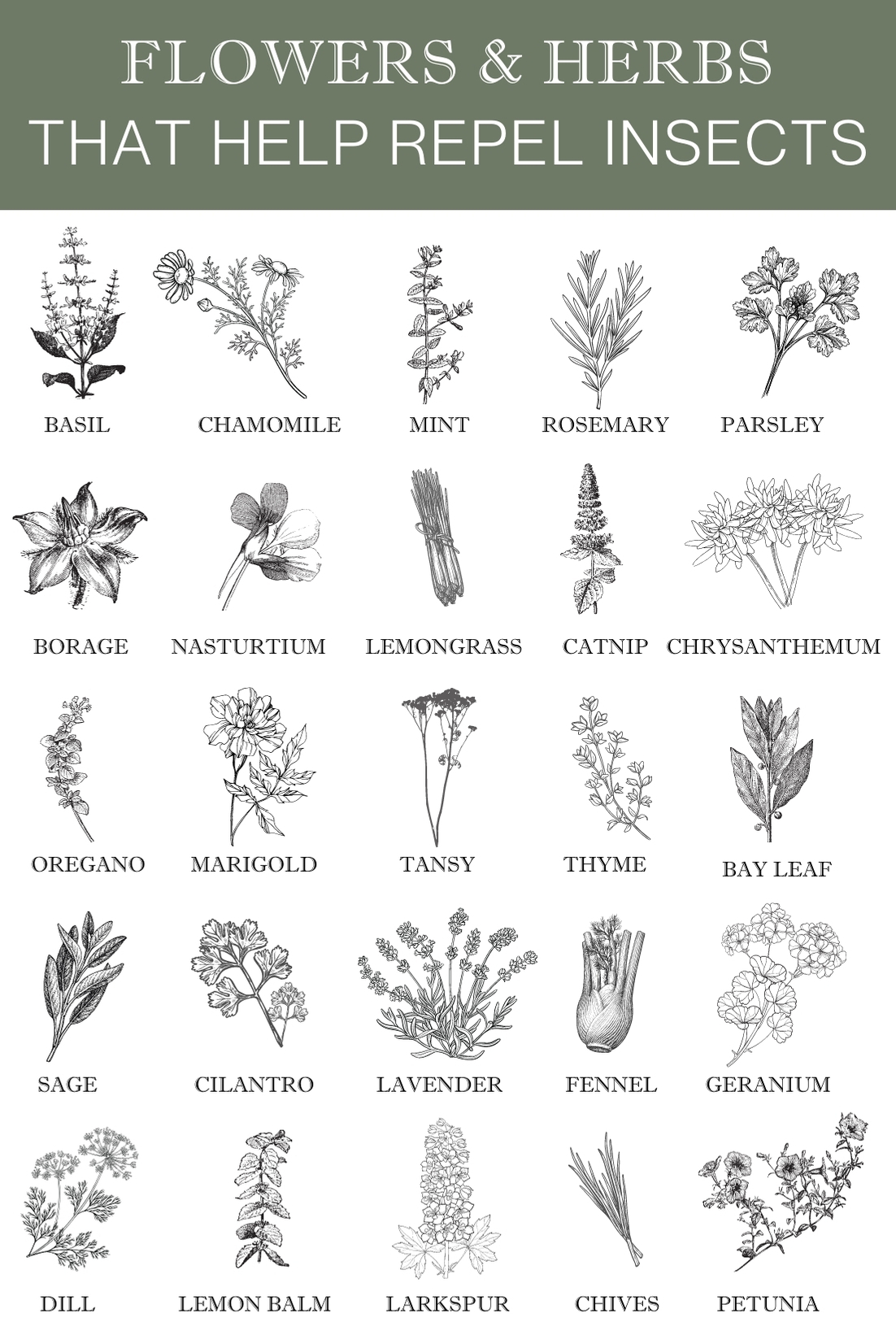
Rosemary is a popular herb not only for culinary purposes but also for its natural insect-repelling properties. Studies and anecdotal evidence suggest that rosemary can effectively repel a variety of bugs, primarily due to its strong aroma and specific chemical compounds. Here’s a detailed look at the bugs that rosemary can help keep at bay.
1. Mosquitoes
Mosquitoes are notorious pests that can ruin outdoor activities. Rosemary emits a strong scent that is particularly unappealing to these insects. The compounds in rosemary, such as camphor and eucalyptol, can deter mosquitoes effectively.
- Rosemary essential oil is often used in homemade insect repellents.
- Planting rosemary around patios or decks can reduce mosquito presence significantly.
- Crushed rosemary leaves can be burned to create a natural repellent smoke.
2. Flies
Flies are another common nuisance, especially in warmer months. The strong scent of rosemary tends to repel various fly species, including house flies and fruit flies, making it an excellent natural alternative for indoor and outdoor fly control.
- Using rosemary oil in a diffuser can help keep flies away from indoor spaces.
- Planting rosemary near outdoor gatherings can create a barrier against flies.
- Spraying a mixture of rosemary essential oil and water can act as an effective fly repellent.
3. Ants
Ants can invade gardens and homes, searching for food. Rosemary has been known to repel ants due to its potent aroma, which disrupts their scent trails.
- Crushed rosemary can be sprinkled along ant pathways to deter them.
- Creating a rosemary-infused spray allows for targeted application at infestation points.
- Maintaining rosemary plants in and around the garden can naturally reduce ant populations.
4. Beetles
Certain beetle species are known to be deterred by the strong scent of rosemary. The aromatic oils in the leaves can mask the scents these insects rely on for navigation and food sourcing.
- Using rosemary in companion planting helps to protect vulnerable plants from beetle infestation.
- Incorporating rosemary into garden pest control measures can enhance overall efficacy.
- Direct contact with rosemary extracts can be lethal to some beetle species.
5. Moths
Moths, particularly in their larval stages, can cause significant damage to clothing and stored food items. Rosemary's smell acts as a deterrent, making it less likely for moths to infest areas where rosemary is present.
See also:
- Hanging dried rosemary sachets in wardrobes can help protect clothing from moth damage.
- Using rosemary essential oil in closets can create an unfavorable environment for moths.
- Including rosemary in organic pest control in pantry areas can prevent food moth infestations.
What does rosemary attract and repel?

Rosemary (Rosmarinus officinalis) is a well-known herb in the culinary world, but it also plays a significant role in gardening due to its ability to attract and repel various organisms. It is often celebrated for its aromatic properties, which can influence the presence of certain pests and beneficial creatures in gardens and landscapes.
Attracts Beneficial Insects
Rosemary is particularly effective at attracting numerous beneficial insects that contribute to a healthy ecosystem. These insects include:
- Ladies' beetles (ladybugs) - These feed on aphids, scale insects, and other pests.
- Parasitic wasps - They lay their eggs inside or on pests like caterpillars, thus controlling their populations.
- Butterflies and bees - These pollinators are essential for flowering plants and contribute to biodiversity.
The aromatic oils emitted by rosemary are attractive to these insects, making it an asset in gardens aiming for natural pest management.
Repels Specific Pests
Rosemary is also known for its ability to repel certain pests, making it beneficial in integrated pest management strategies. It effectively deters:
- Spider mites - These tiny pests can cause serious damage to a variety of plants by sucking out their juices.
- aphids - Pest insects that weaken plants by feeding on their sap, which can lead to stunted growth.
- Whiteflies - These pests can cause damage and spread viruses among crops.
Using rosemary in a garden can thus help in reducing the population of these harmful insects.
Improves Soil Health
In addition to its attracting and repelling qualities, rosemary contributes positively to soil health. Its root system:
- Enhances soil structure, allowing better aeration and drainage.
- Helps retain moisture in the soil, crucial for surrounding plants during dry spells.
- Encourages the growth of beneficial microorganisms that promote plant health.
These qualities make rosemary beneficial not just for its own health but also for the garden ecosystem.
Companion Planting Benefits
Rosemary serves as an excellent companion plant for many garden crops because of its repellent properties. It pairs well with:
- Cabbage family plants - It helps deter pests like cabbage moths.
- Beans - Protects them from aphids, which are their main pest threat.
- Carrots - Rosemary can deter carrot flies, thus increasing carrot yield.
Choosing rosemary as a companion plant can enhance the growth and health of neighboring crops.
Cultural Uses and Folklore
In addition to its gardening attributes, rosemary has a rich history in cultural and folklore contexts. It is often associated with:
- Memory - Traditionally believed to enhance memory, making it popular in weddings and ceremonies.
- Protection - Historically used to ward off evil spirits, often placed in homes.
- Culinary use - Used to flavor a variety of dishes, highlighting its versatility beyond just pest control.
This cultural significance adds another layer of reason to cultivate rosemary in gardens and homes.
What animals are repelled by rosemary?

Rosemary is a popular herb known not only for its culinary uses but also for its ability to repel various animals due to its aromatic properties. This herb emits essential oils that many creatures find unappealing, helping to protect gardens and properties from unwanted pests.
See also:
Common Animals Repelled by Rosemary
Rosemary is effective against a variety of animals that can be pests in gardens and homes. Some common animals that tend to avoid this herb include:
- Deer: These animals are often deterred by the strong scent of rosemary, which conflicts with their natural foraging behavior.
- Rabbits: Their sensitive noses typically lead them to avoid rosemary, making it a valuable addition to gardens where they are a concern.
- Rodents: Mice and rats tend to steer clear of rosemary due to its potent aroma and essential oils.
The Role of Scent in Animal Repellence
The strong scent of rosemary plays a crucial role in its ability to repel animals. Different creatures react to scents in various ways, and rosemary’s distinct aroma can confuse or deter them.
- Aromatherapy: The aromatic compounds in rosemary can disrupt the sensory pathways of certain animals, leading them to avoid areas where this herb is present.
- Essential Oils: The essential oils released from rosemary are often unappealing to herbivores and omnivores alike.
- Natural Defense: Many plants, including rosemary, have evolved to produce strong scents as a defense mechanism against herbivory.
Benefits of Using Rosemary as a Repellent
Utilizing rosemary as a natural repellent offers several advantages for gardeners and homeowners who wish to avoid chemical solutions. Here are some notable benefits:
- Eco-Friendly: Rosemary is a natural alternative to chemical repellents, contributing to a healthier environment.
- Safe for Pets: Unlike many chemical repellents, rosemary poses minimal risk to domestic animals, making it a safe option.
- Companion Planting: Rosemary can benefit neighboring plants by repelling pests that might otherwise harm them.
Seasonal Effectiveness of Rosemary
The effectiveness of rosemary as a repellent may vary with the seasons. Understanding this seasonal variability can enhance its use in pest control efforts:
- Spring and Summer: During warmer months, rosemary's scent is more potent, offering better protection as animals seek food in gardens.
- Fall and Winter: In colder weather, rosemary may become less aromatic, but it can still deter some pests if strategically placed.
- Growing Conditions: Healthy, well-watered rosemary plants produce stronger scents, enhancing their repellent qualities year-round.
Combining Rosemary with Other Plants
Many gardeners find success in combining rosemary with other plants to magnify repellency. This approach can create a multi-layered defense against various pests:
- Lavender: Known for its pleasant fragrance, lavender can further deter pests when planted alongside rosemary.
- Basil: This popular culinary herb also has repellent properties, making it a great companion for rosemary.
- Mint: Mint’s strong aroma can complement rosemary’s scent, and together, they create a formidable barrier against intruders.
What does a rosemary plant keep away?

Rosemary (Rosmarinus officinalis) is a fragrant herb known for its culinary uses, but it also serves as a natural repellent for various pests. Its aromatic oils contain compounds that can deter insects, making it a beneficial addition to gardens.
How Rosemary Repels Insects
Rosemary has natural insect-repelling properties primarily due to its essential oils. These oils emit strong scents that can disrupt the sensory receptors of insects, making it difficult for them to locate food sources or mates. The key compounds in rosemary, such as carnosic acid and rosmarinic acid, contribute significantly to its pest-repelling abilities.
- Repelling mosquitoes: The scent of rosemary is unpleasant to mosquitoes, keeping them at bay.
- Dissuading moths: Rosemary's aroma can deter moths, which often infest clothes and pantries.
- Keeping flies away: The herb is known to repel flies, particularly houseflies and fruit flies.
Protection Against Larger Pests
In addition to small insects, rosemary can also help protect plants from larger pests. Animals like deer and rabbits tend to avoid areas where rosemary is planted due to its strong smell and bitter taste. This characteristic makes it a valuable companion plant in vegetable gardens.
- Deer repellent: The pungent smell of rosemary is off-putting to deer, reducing the chance of them munching on nearby plants.
- Rabbit deterrent: Rabbits generally dislike the taste of rosemary, making it less likely for them to venture near.
- Use as a boundary plant: Planting rosemary around gardens creates a natural barrier against herbivores.
Companion Plant Benefits
Rosemary is often used as a companion plant in gardens because of its ability to repel pests and enhance the growth of nearby plants. Certain plants benefit from the presence of rosemary, as it can help fend off insects that might harm them.
- Enhancing tomato growth: Rosemary can deter pests that typically affect tomatoes, such as aphids and whiteflies.
- Benefiting beans: The herb can protect beans from various insect pests, improving their overall health.
- Supporting cabbage family crops: Cabbage worms are less likely to invade gardens with rosemary present.
Essential Oils and Their Applications
The essential oils extracted from rosemary are not only beneficial in repelling insects but can also be used in various applications around the home. These oils can be harnessed to create natural pest deterrents.
- Homemade insect repellent: Mixing rosemary oil with carrier oils can create a natural insect repellent for skin application.
- Natural deterrent spray: Combining rosemary oil with water can serve as a household cleaner that repels pests.
- Flavor enhancer: The same oils that repel insects can also enhance the flavor of dishes when used in cooking.
Additional Uses of Rosemary
While its main pest-repelling properties are noteworthy, rosemary has additional uses. It's celebrated for its culinary and medicinal properties, alongside its capability to ward off pests.
- Culinary uses: Rosemary is widely used to flavor meats, vegetables, and breads.
- Medicinal properties: Traditionally, rosemary has been used to improve digestion and enhance memory.
- Aromatherapy: The fragrance of rosemary oil is often used in aromatherapy to reduce stress and improve mood.
Questions from Our Readers
What pests does rosemary repel?
Rosemary is known to effectively repel several common pests. It is particularly effective against aphids, spider mites, and whiteflies. The strong scent of rosemary helps deter these insects, making it a great addition to any garden or indoor plant collection.
How does rosemary deter pests?
The aromatic oils produced by rosemary contain compounds that are offensive to many insects. When the scent is released, it acts as a natural repellent, disrupting the pests' ability to locate other plants. This quality makes rosemary not only a culinary herb but also a useful natural pest control option.
See also:
Can rosemary attract beneficial insects?
Yes, rosemary can attract beneficial insects such as pollinators and predatory wasps. While it repels certain pests, it also serves as a magnet for good insects that can help control pest populations, creating a balance in the ecosystem of your garden.
Is rosemary safe for pets?
In general, rosemary is considered safe for pets such as dogs and cats in small quantities. However, it's always good to monitor your pets to ensure they do not consume large amounts, as excessive intake might lead to digestive issues. Always consult your veterinarian if you have concerns about the safety of specific plants for your pets.

If you want to read more articles like What Pests Does Rosemary Repel? A Comprehensive Guide to Natural Pest Control, we recommend you check out our Herbs category.
Leave a Reply
Related Articles