Do Rosemary and Thyme Like Full Sun? Discover the Best Growing Conditions for These Herbs

Herbs like rosemary and thyme are popular choices for gardeners seeking to add flavor and aroma to their culinary creations. Understanding their sunlight requirements is essential for promoting healthy growth and maximizing their potential. In this article, we will explore whether these aromatic herbs thrive in full sun or prefer shadier environments. We will also discuss the best growing conditions to ensure robust plants, including soil type, watering practices, and climate considerations. Whether you are an experienced gardener or a beginner, this guide will help you cultivate these beloved herbs successfully in your garden or on your windowsill.
Do Rosemary and Thyme Prefer Full Sun?
Rosemary and thyme thrive in full sun, as they are Mediterranean herbs that naturally grow in warm, sunny environments. When cultivated in a garden or pot, these herbs require at least six to eight hours of direct sunlight each day to develop their best flavors and ensure healthy growth. Insufficient sunlight can lead to leggy growth and a decline in the potency of their aromatic oils, potentially affecting their culinary use. Ensuring your rosemary and thyme plants receive adequate full sun is crucial for promoting robust foliage and maximizing their resilience against pests and diseases.
Ideal Sunlight Conditions for Rosemary
Rosemary, a woody perennial herb, is particularly fond of hot, sunny environments. In order to achieve optimal growth, it should be planted in a location that receives full sun exposure, meaning at least six to eight hours of direct sunlight daily. This extended sunlight helps rosemary produce its aromatic oils, which contribute to its unique flavor profile. It is important to avoid shade and damp conditions, as they can lead to rot and disease.
Optimal Sunlight Requirements for Thyme
Thyme is another herb that thrives in full sun. Like rosemary, thyme loves warmth and requires a similar amount of sunlight exposure, ideally six to eight hours per day. When provided with adequate light, thyme will grow vigorously and produce flavorful leaves. Insufficient sun can cause thyme plants to become spindly and weak, ultimately reducing their usefulness in cooking and seasoning.
Impact of Insufficient Sun on Growth
When rosemary and thyme do not receive enough sunlight, they can exhibit various signs of stress. Leggy growth, where the stems grow tall but thin, often indicates a lack of light. In addition, the plants may produce fewer leaves, and flavor intensity may decline. In extreme cases, prolonged exposure to shade can lead to increased susceptibility to diseases and pests, ultimately jeopardizing the health of the plants.
Best Locations for Planting
For best results, rosemary and thyme should be planted in south-facing locations, as they tend to receive the most sunlight throughout the day. Raised beds, garden borders, or sunny patio containers are great options to ensure these herbs flourish. It's essential to choose a spot that avoids competition from larger plants that may cast shade during the afternoon, thus allowing rosemary and thyme to fully absorb sunlight for optimal growth.
Potting and Indoor Growth Considerations
When growing rosemary and thyme indoors, it is critical to place them near windows that receive ample sunlight. A south-facing window is ideal, but supplemental grow lights may be necessary during the winter months to ensure these herbs receive the light they need. Regularly rotating pots can help each side of the plant get even exposure to light, promoting balanced growth. Ensuring conditions mimic full sun as closely as possible is vital for success.
| Herb | Sunlight Requirement | Growth Characteristics |
|---|---|---|
| Rosemary | 6-8 hours of full sun | Woody, aromatic, thrives in warm conditions |
| Thyme | 6-8 hours of full sun | Low-growing, flavorful, prefers dry conditions |
Can rosemary plants get too much sun?

Rosemary plants, known for their aromatic leaves and culinary uses, can indeed experience stress when exposed to excessive sunlight. While rosemary thrives in bright, sunny conditions, too much direct exposure can lead to several negative effects. It's important to balance light and shade to ensure optimal plant health.
Understanding Rosemary's Light Requirements
Rosemary plants prefer full sun, typically requiring around 6 to 8 hours of sunlight daily. However, understanding their limits is key. Excessive sunlight can lead to:
- Leaf Scorch: Leaves may turn brown and crispy at the edges.
- Stunted Growth: The plant may not grow as vigorously under too much stress.
- Water Loss: Increased evaporation may lead to dehydration.
Signs of Too Much Sun Exposure
Identifying when rosemary has had too much sun is essential for proper care. Look for these signs:
- Discoloration: Leaves may develop a yellow or burnt appearance.
- Wilting: The plant may droop even when soil moisture is adequate.
- Fragile Stems: Stems can become brittle and break easily.
Optimal Light Conditions for Rosemary
To promote healthy growth, it's crucial to provide the right light conditions. Consider the following:
See also:
- Partial Shade: In extremely hot climates, provide some afternoon shade.
- Dappled Sunlight: Filtered sunlight can protect against direct harsh rays.
- Rotation: Rotate the pot to ensure even light exposure.
Watering Tips Under Intense Sunlight
When rosemary is exposed to high sun levels, its water requirements increase. Keep these tips in mind:
- Consistent Moisture: Ensure the soil stays moderately moist but not soggy.
- Mulching: Apply mulch to retain soil moisture and regulate temperature.
- Check Soil: Use your finger to check for dryness before watering.
Protecting Rosemary from Excessive Sunlight
There are effective ways to shield your rosemary from too much sunlight:
- Shade Cloth: Use a shade cloth during the hottest parts of the day.
- Move the Plant: Relocate potted rosemary to a more suitable location.
- Companion Planting: Use taller plants to provide natural shade.
Can thyme be in full sun?
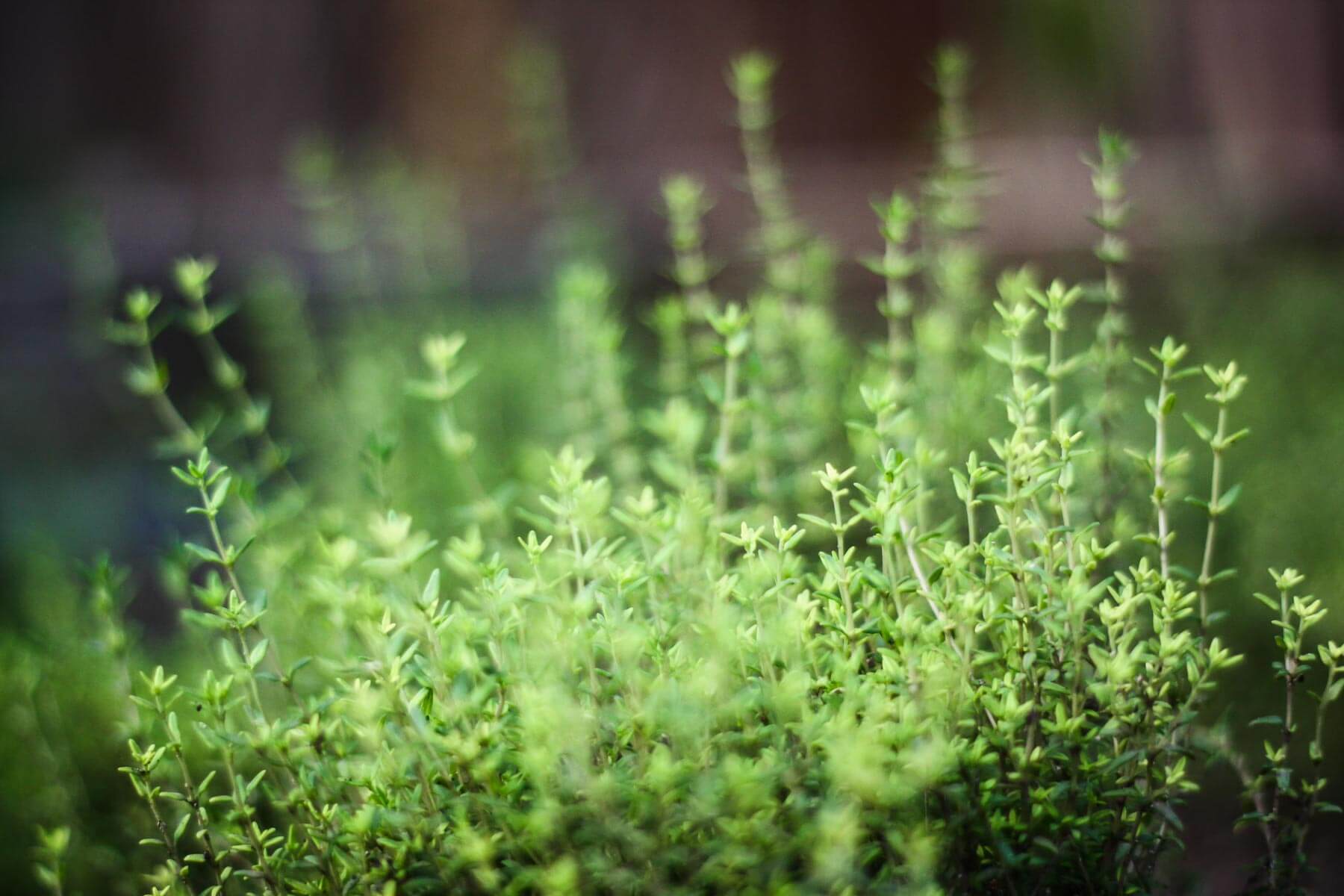
Thyme is a versatile herb that thrives in full sun conditions. This means that it requires at least 6 to 8 hours of direct sunlight each day to grow optimally. Thyme prefers warm and sunny environments, which aid in its growth and robustness. In full sun, thyme can develop stronger flavors and aromas, making it a preferred choice among culinary enthusiasts.
Why Is Full Sun Important for Thyme?
The importance of full sun for thyme can be attributed to several factors:
- Photosynthesis: Sunlight is essential for the process of photosynthesis, which helps plants convert light energy into chemical energy.
- Flavor Development: Herbs like thyme that receive ample sunlight tend to have a more concentrated flavor profile.
- Growth Rate: Exposure to full sun conditions can exponentially increase the growth rate of thyme plants.
Optimal Soil Conditions for Thyme in Full Sun
When growing thyme in full sun, the soil conditions are also critical:
- Well-drained Soil: Thyme requires soil that allows for adequate drainage to prevent root rot.
- Poor to Moderate Fertility: Overly rich soil can lead to excessive leaf growth at the expense of flavor.
- Neutral pH: Thyme grows best in soil with a neutral pH level, around 6.0 to 8.0.
Watering Thyme in Full Sun
Watering practices are crucial for thyme growing in full sun:
- Moderate Watering: Thyme prefers to be watered thoroughly but less frequently to ensure the soil dries out between watering.
- Mulching: Applying a layer of mulch can help retain moisture while preventing weeds.
- Avoid Overwatering: It's important to avoid waterlogged conditions, which can adversely affect thyme growth.
Pest and Disease Management for Thyme in Full Sun
Maintaining thyme in full sun requires attention to pest and disease management:
- Regular Inspection: Periodically check for common pests like aphids and spider mites that thrive in sunny conditions.
- Neem Oil: Using neem oil can be an effective organic solution to deter pests.
- Healthy Foliage: Ensure that the plant maintains healthy foliage to resist diseases that may proliferate in warm, sunny conditions.
Harvesting Thyme Grown in Full Sun
Harvesting thyme properly is essential for flavor preservation:
- Timing: The best time to harvest thyme is just before flowering when the essential oils are at their peak.
- Cuts: Use sharp scissors or pruners to make clean cuts at the stem base, encouraging regrowth.
- Storage: Freshly harvested thyme should be used quickly or stored in a cool, dry place to maintain flavor.
Can you put rosemary in full sun?

Rosemary is a hardy, aromatic herb that is known for its preference for full sunlight. Placing rosemary in full sun is generally beneficial for its growth and development. This plant thrives in bright, direct sunlight, as it is native to the Mediterranean region where such conditions are prevalent. Ideally, rosemary should receive at least 6 to 8 hours of direct sunlight each day for optimal health.
However, while rosemary enjoys full sun, it is essential to consider a few factors to ensure the plant remains healthy:
See also:
1. Temperature: Rosemary prefers warmer temperatures. If you live in an area with extremely hot summers, providing some afternoon shade can help avoid stress on the plant.
2. Watering: Full sun can dry out the soil quickly. It is crucial to maintain consistent but moderate watering, allowing the soil to dry slightly between waterings to prevent root rot.
3. Soil: Use well-draining soil to support rosemary's growth in full sun. Poor drainage can lead to waterlogged roots, which are detrimental to the plant.
4. Fertilization: Rosemary doesn't require much fertilization. A well-balanced fertilizer in spring can help support growth in a sunny environment.
5. Container Growth: If growing in a pot, ensure that it has adequate drainage holes. Placing it in full sun can enhance the flavors of the leaves, making them more aromatic.
Benefits of Full Sun for Rosemary
Rosemary benefits immensely from being placed in full sun conditions. Here are some of the advantages:
- Enhanced Growth: Full sun encourages vigorous growth and a bushier plant.
- Improved Flavor: Exposure to sunlight increases essential oil production, enhancing the herb's flavor profile.
- Robust Health: Full sun helps prevent fungal diseases by reducing moisture on the leaves.
Potential Challenges of Full Sun Exposure
While full sun is suitable for rosemary, certain challenges may arise, such as:
- Heat Stress: Extreme heat can cause stress, leading to wilting or browning leaves.
- Overwatering: Increased evaporation may necessitate more frequent watering, risking overwatering issues.
- Pest Attraction: Sunny conditions can sometimes attract pests, requiring vigilant monitoring.
Ideal Growing Conditions for Rosemary
For optimal growth of rosemary in full sun, the following conditions are recommended:
- Soil Type: Sandy or rocky soils with good drainage are ideal.
- Watering Schedule: Water early in the morning to reduce evaporation.
- Space: Ensure adequate air circulation around the plant to prevent disease.
Container vs. Ground Planting in Full Sun
Whether to plant rosemary in containers or the ground can depend on local conditions:
- Container Benefits: Easier to control soil conditions and move to adjust light exposure.
- Ground Benefits: More stable moisture levels and larger space for root growth.
- Considerations: Evaluate local climate and whether you can provide winter protection if necessary.
Care Tips for Rosemary in Full Sun
To ensure your rosemary thrives in full sun, consider these care tips:
- Regular Pruning: Helps maintain shape and encourages denser growth.
- Mulching: Apply mulch to retain soil moisture and regulate temperature.
- Pest Control: Regularly check for pests and treat organically as necessary.
Questions from Our Readers
Do rosemary and thyme prefer full sun?
Both rosemary and thyme thrive in full sun conditions. These herbs require at least six to eight hours of sunlight each day to grow optimally. Adequate sunlight not only enhances their flavor but also promotes healthy growth and vitality.
Can rosemary and thyme grow in partial shade?
While rosemary and thyme can tolerate some partial shade, they will not reach their full potential in such conditions. Insufficient sunlight can lead to leggy growth and a decrease in the intensity of their flavors, making full sun exposure ideal for the best results.
See also:
How often should I water rosemary and thyme in full sun?
In full sun, rosemary and thyme typically require more frequent watering compared to those in shadier areas. However, it is crucial to allow the soil to dry out between waterings, as both herbs are drought-tolerant and can suffer from overwatering.
What type of soil is best for rosemary and thyme in full sun?
The best soil for rosemary and thyme in full sun is well-draining, sandy, or loamy soil. It is important to avoid heavy clay soils that retain moisture, as both herbs prefer slightly dry conditions and poor nutrient levels to thrive properly.

If you want to read more articles like Do Rosemary and Thyme Like Full Sun? Discover the Best Growing Conditions for These Herbs, we recommend you check out our Herbs category.
Leave a Reply
Related Articles