What is that plant that heals everything? Discover the Miraculous Benefits and Uses

Throughout history, certain plants have been revered for their extraordinary healing properties, often dubbed the miracle plants of the natural world. One such botanical wonder is celebrated for its ability to heal a myriad of ailments, from skin conditions to digestive issues. This article delves into the miraculous benefits and uses of this remarkable plant, exploring its scientific foundations and traditional applications. Join us as we uncover the secrets behind its potent healing abilities and how it can enhance your health and well-being, providing a deeper appreciation for the incredible power of nature’s remedies.
What is the Plant that Heals Everything?
Aloe Vera is often referred to as the plant that heals everything due to its numerous health benefits and versatile uses. Rich in vitamins, minerals, and amino acids, this succulent has been utilized for centuries in traditional medicine for its anti-inflammatory and soothing properties. It is commonly applied topically to treat minor burns, cuts, and skin irritations, promoting faster healing and providing moisture. Additionally, Aloe Vera juice is consumed for its digestive benefits, helping to alleviate issues like heartburn and acid reflux. Though the claim of healing everything is an exaggeration, its potential to support overall health is widely recognized and appreciated.
History and Traditional Uses
Aloe Vera has a long history, dating back to ancient civilizations such as the Egyptians, who called it the plant of immortality. They utilized it for various medical purposes, from skin treatment to digestive health, reflecting its broad applications. Traditional health practices around the world have acknowledged the plant's healing properties, with references found in traditional Chinese medicine and Ayurveda. Its continuous use over thousands of years underscores its significance, fostering much interest in exploring its potential benefits in modern herbal medicine.
Nutritional Components
Aloe Vera is packed with essential nutrients, including vitamins A, C, E, and B12, as well as folic acid and minerals like potassium and magnesium. The gel contains over 75 active compounds, such as enzymes, amino acids, and polysaccharides, which contribute to its therapeutic effects. The polysaccharides, particularly acemannan, are noted for their immune-boosting and anti-inflammatory properties. This rich nutrient profile is a primary reason why Aloe Vera is hailed for its healing abilities and is a staple in both topical and internal applications.
Benefits for Skin Health
The topical application of Aloe Vera is highly regarded for enhancing skin health. Its natural soothing and moisturizing properties make it an ideal treatment for burns, sunburns, and dry skin. The gel helps to speed up the healing process by promoting skin regeneration and reducing inflammation. Its antibacterial properties also assist in preventing infections in cuts and abrasions. Overall, Aloe Vera supports a healthier complexion and can be an effective natural remedy for various skin conditions, such as acne and eczema.
Digestive Health Advantages
Consuming Aloe Vera juice is popular for its digestive health benefits. It is known to assist in alleviating digestive disorders, such as heartburn, irritable bowel syndrome, and constipation. The plant contains enzymes that help break down sugars and fats, improving nutrient absorption and digestion. Additionally, Aloe Vera helps soothe the gastrointestinal tract, providing relief from inflammation and discomfort, making it a natural remedy for individuals seeking digestive support without relying on synthetic medications.
Scientific Research and Efficacy
Numerous studies have been conducted to investigate the healing properties of Aloe Vera, providing evidence to support its traditional uses. Research has demonstrated its effectiveness in wound healing, providing antibacterial effects, and enhancing skin hydration. Although some benefits are well-documented, further studies are critical to fully understand Aloe Vera's biological mechanisms and its potential roles in various health conditions. As interest in natural remedies grows, scientific research continues to validate the reputation of Aloe Vera as a valuable health-promoting plant.
| Health Benefit | Description |
|---|---|
| Skin Healing | Accelerates healing of cuts, burns, and skin irritations. |
| Anti-Inflammatory | Reduces inflammation and soothes irritated skin. |
| Digestive Support | Helps alleviate digestive issues like heartburn and constipation. |
| Nutrient-Rich | Contains vitamins and minerals beneficial for overall health. |
| Antioxidant Properties | Fights free radicals, providing anti-aging benefits. |
What is the plant that heals everything?
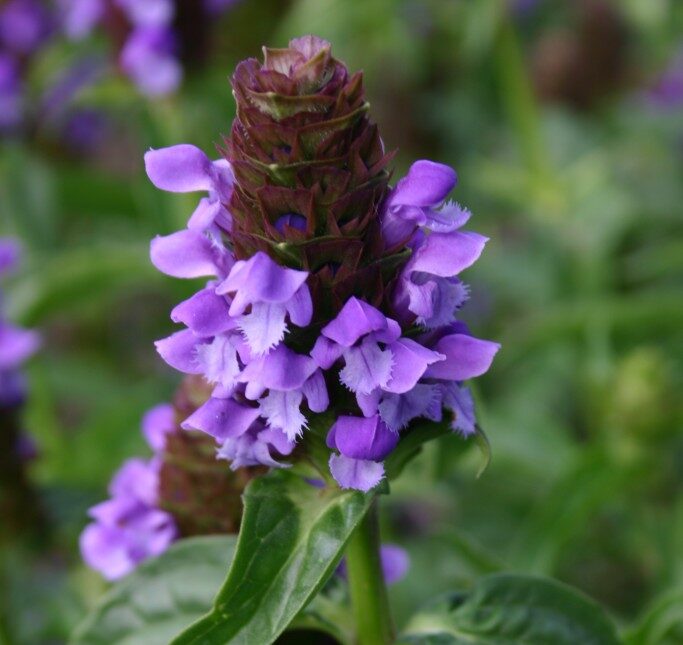
The concept of a plant that heals everything is often linked to various natural remedies and medicinal plants celebrated in traditional medicine systems around the world. One such plant often mentioned is Aloe Vera. Known for its versatile healing properties, Aloe Vera is renowned for its ability to treat a variety of ailments, although it is essential to note that no single plant can cure all diseases.
Aloe Vera: The Healing Plant
Aloe Vera is a succulent plant that thrives in warm, dry climates. Its leaves contain a gel-like substance that is rich in vitamins, minerals, enzymes, and amino acids, making it a popular choice for both topical and internal use. It has historically been used to treat a range of conditions, from skin issues to digestive problems.
- Skin Conditions: Aloe Vera is effective for burns, cuts, and sunburns due to its cooling and soothing properties.
- Digestive Aid: Consuming Aloe Vera juice can promote digestion and alleviate issues like constipation.
- Anti-inflammatory Effects: The compounds in Aloe Vera can help reduce inflammation throughout the body.
Traditional Uses of Healing Plants
Many cultures have relied on various plants for their healing properties. These plants often come with a rich history of traditional medicine practices where they were used to treat ailments without modern pharmaceuticals.
- Chamomile: Commonly used in teas for its calming effects and ability to aid digestive issues.
- Ginger: Known for its anti-nausea and digestive properties, as well as its ability to reduce inflammation.
- Turmeric: Contains curcumin, which has powerful anti-inflammatory and antioxidant effects.
Scientific Backing of Herbal Remedies
Many herbal remedies are now being studied scientifically to validate their health benefits. Research into the active compounds found in these plants can open doors to new treatments and supplements.
- Clinical Trials: Researchers are conducting clinical trials to investigate the efficacy of various plants, such as Echinacea and Ginseng, for their medicinal properties.
- Active Ingredients: Identification of active compounds in plants helps in the development of pharmaceutical drugs that mimic these natural benefits.
- Integration with Modern Medicine: Herbal remedies are increasingly used alongside modern medicine for holistic health approaches.
Popular Medicinal Plants and Their Uses
There is a diverse range of medicinal plants used around the globe, each with unique therapeutic properties that target specific ailments. Here are notable examples:
See also:
- Lavender: Used for its calming effects and ability to alleviate anxiety and sleep disturbances.
- Eucalyptus: Commonly used for respiratory issues due to its decongestant properties.
- Peppermint: Often used to relieve headaches and digestive issues thanks to its soothing menthol component.
The Importance of Sustainability in Herbal Medicine
As interest in natural remedies grows, the sustainability of harvesting plants for medicinal use has become a critical issue. It is essential to protect biodiversity and ensure that plant resources are available for future generations.
- Ethical Harvesting: It is crucial to adopt practices that do not deplete natural populations, ensuring that plants can continue to thrive.
- Conservation Efforts: Many organizations focus on conserving medicinal plants and their habitats to prevent extinction.
- Educating Communities: Increasing awareness of sustainable practices within local communities helps maintain ecological balance while utilizing these resources.
What is the most powerful healing plant?
:max_bytes(150000):strip_icc()/VWH_Illustration_10-Healing-Herbs-With-Medicinal-Benefits_Illustrator_Mira-Norian_Title_Final-47ce13013375448c9e8e7e8c21fb50f7.jpg)
The most powerful healing plant is often considered to be Aloe Vera. This succulent plant is widely known for its therapeutic properties and has been used for centuries in various cultures to treat a multitude of ailments. Its gel contains numerous beneficial compounds, including vitamins, minerals, enzymes, and antioxidants, making it a powerhouse of healing properties.
The Healing Properties of Aloe Vera
Aloe Vera is celebrated for its anti-inflammatory and antimicrobial properties. It is commonly used to soothe skin irritations, burns, and wounds. The gel derived from its leaves can promote healing and help reduce pain and inflammation. Additionally, its natural moisturizing abilities make it an excellent remedy for dry skin.
- Soothing Sunburns: Aloe Vera is particularly effective in providing relief from sunburn due to its cooling effect.
- Wound Healing: The gel can accelerate the healing process of minor cuts and abrasions.
- Moisturizing Skin: Unlike many commercial moisturizers, Aloe Vera hydrates without clogging pores.
Aloe Vera in Traditional Medicine
Throughout history, Aloe Vera has been an important component of traditional medicine across various cultures. It has been utilized not only by Egyptians but also in Ayurvedic practices in India and Chinese herbal medicine. Its historical significance highlights its effectiveness and continued relevance in natural healing practices today.
- Egyptian Use: Known as the plant of immortality, it was used by the ancient Egyptians for skin ailments and beauty.
- Ayurveda: In Indian traditional medicine, it is valued for its cooling properties and is used for digestive health.
- Chinese Medicine: It's believed to balance the body's energy and boost overall health.
Comprehensive Nutritional Profile
Aloe Vera contains a plethora of nutrients that contribute to its healing properties. The gel is rich in vitamins such as A, C, E, and B12, as well as folic acid and choline. These vitamins play crucial roles in maintaining skin health, boosting the immune system, and reducing inflammation.
- Vitamins: Essential for skin regeneration and overall health.
- Minerals: Calcium, magnesium, and potassium support various bodily functions.
- Antioxidants: Protects cells from damage caused by free radicals.
How to Use Aloe Vera for Healing
There are multiple ways to incorporate Aloe Vera into your daily routine for healing purposes. It can be applied topically as a gel, ingested as juice, or consumed in capsule form. When using it for skin issues, it is essential to use pure, natural Aloe Vera gel to maximize its benefits.
- Topical Application: Apply fresh Aloe Vera gel directly to affected areas for quick relief.
- Juice Consumption: Drinking Aloe Vera juice can help with digestive issues and detoxification.
- Supplement Forms: Capsules or powders can be used for convenience and ease of use.
Precautions and Considerations
While Aloe Vera offers numerous benefits, it is also important to be aware of potential side effects and allergies. Some individuals may experience skin reactions or gastrointestinal discomfort when consuming Aloe products. It is essential to consult with a healthcare professional before utilizing Aloe Vera, especially for those with underlying health conditions.
- Skin Allergies: Perform a patch test before widespread use on the skin.
- Digestive Issues: Excessive consumption may lead to diarrhea or cramping.
- Medication Interactions: Consult a doctor if taking medications, as Aloe can interact with certain drugs.
What plant is a cure all?

The concept of a cure-all plant has been a topic of fascination across various cultures and herbal medicine practices. One of the most commonly referred to plants in this context is Aloe Vera. Renowned for its diverse medicinal properties, Aloe Vera has been utilized for centuries in traditional medicine and modern skincare.
The Healing Properties of Aloe Vera
Aloe Vera is often praised for its anti-inflammatory, antibacterial, and antioxidant properties, making it a versatile addition to both health and beauty routines. The gel extracted from its leaves can alleviate a wide range of ailments.
- Skin Burns: Aloe Vera gel is widely used to treat minor burns and sunburns, providing soothing relief.
- Wound Healing: Its application can speed up the healing process of minor cuts and scrapes.
- Skin Conditions: Conditions like psoriasis and eczema can benefit from Aloe Vera's anti-inflammatory effects.
Aloe Vera in Digestive Health
In addition to topical applications, Aloe Vera is also beneficial for digestive health. Consuming Aloe Vera juice can promote well-being in the gastrointestinal tract.
- Laxative Effect: It can help ease constipation due to its natural laxative properties.
- Gut Health: Aloe Vera supports digestive processes, helping to maintain a balanced gut microbiome.
- Inflammation Reduction: Its anti-inflammatory effects may help soothe irritated stomach lining, providing relief from issues like gastritis.
Aloe Vera for Immune Boosting
Another touted benefit of Aloe Vera is its potential to enhance the immune system. The polysaccharides found in its gel are believed to play a role in stimulating the immune response.
See also:
- Rich in Nutrients: Aloe Vera is packed with vitamins and minerals that are essential for immune function.
- Antioxidants: Its high antioxidant content helps combat oxidative stress, which can weaken the immune system.
- Detoxification: Aloe Vera can assist in detoxifying the body, further supporting overall immune health.
Cosmetic Uses of Aloe Vera
Aloe Vera is not just a medicinal plant; it is widely used in the cosmetic industry for its multitude of benefits for skin and hair.
- Moisturizing Agent: It hydrates the skin without leaving a greasy residue, making it ideal for oily skin types.
- Hair Care: Aloe Vera can nourish the scalp, reduce dandruff, and promote healthier hair growth.
- Anti-Aging: Its antioxidant properties help reduce the appearance of fine lines and wrinkles.
Safety and Precautions of Using Aloe Vera
While Aloe Vera is generally safe for most individuals, there are important precautions to consider when using it for medicinal purposes.
- Allergic Reactions: Some people may experience allergic reactions; a patch test is recommended before use.
- Internal Use: Those taking Aloe Vera in juice or supplement form should consult a healthcare provider to avoid potential side effects.
- Medication Interactions: Aloe Vera may interact with certain medications, particularly laxatives and anticoagulants.
Which plant is known for its healing?
A well-known plant famous for its healing properties is Aloe Vera. This succulent plant has been used for centuries for its medicinal benefits. Aloe Vera is praised for its ability to help with various ailments, primarily due to its rich content of vitamins, minerals, and antioxidants. The clear gel extracted from the leaves is particularly effective in soothing burns, moisturizing skin, and aiding digestion.
The Healing Properties of Aloe Vera
The healing properties of Aloe Vera stem from its bioactive compounds, which include polysaccharides, glycoproteins, and essential amino acids. These compounds are responsible for reducing inflammation, promoting wound healing, and providing a soothing effect on the skin. Additionally, Aloe Vera possesses antioxidant properties that help combat free radical damage.
- Reduces inflammation
- Promotes skin healing
- Hydrates and nourishes
Uses of Aloe Vera in Skincare
In skincare, Aloe Vera is widely utilized for its moisturizing and healing effects. It is often added to lotions, creams, and gels. The application of Aloe Vera gel can help manage various skin conditions, including acne, eczema, and dry skin. Its cooling properties make it especially popular during the summer months for soothing sunburns.
- Acts as a natural moisturizer
- Soothes irritated skin
- Helps in reducing acne
Aloe Vera for Digestive Health
Aside from topical uses, Aloe Vera is also consumed as a juice or in supplement form, promoting digestive health. Regular consumption may enhance digestion, alleviate constipation, and help balance the body's pH levels. The plant's enzymes aid in breaking down sugars and fats, contributing to better nutrient absorption.
- Supports digestive health
- Helps relieve constipation
- Aids in nutrient absorption
Scientific Research on Aloe Vera
Various scientific studies have examined the healing properties of Aloe Vera, focusing on its efficacy and safety. Research has shown that Aloe Vera can effectively accelerate wound healing and may hold potential in treating diabetes by improving glycemic control. These findings highlight the importance of Aloe Vera in both traditional and modern medicine.
- Accelerates wound healing
- Potential to aid in diabetes management
- Investigated for anti-inflammatory effects
How to Use Aloe Vera
There are multiple ways to incorporate Aloe Vera into your wellness routine. From topical applications to dietary supplements, it is versatile. For skin use, apply fresh gel directly from the leaf to the affected area. For internal use, look for pure Aloe Vera juice that is free from added sugars or artificial ingredients.
- Apply fresh gel for skin issues
- Consume pure juice for digestive benefits
- Add to smoothies for nutritional boost
Questions from Our Readers
What is the name of the plant that heals everything?
The plant often referred to as having healing properties is Aloe Vera. This versatile plant is known for its ability to promote healing in various conditions, ranging from skin irritations to minor burns.
How does Aloe Vera work in healing?
Aloe Vera contains bioactive compounds such as vitamins, amino acids, and antioxidants that can support the body's natural healing processes. Its anti-inflammatory properties help soothe irritation and improve the healing time of wounds.
Can Aloe Vera be used for internal consumption?
Yes, Aloe Vera is safe for internal use when prepared correctly. The gel and juice from the plant can aid in digestion and provide essential nutrients, but it’s important to consume it in moderation to avoid potential side effects.
Are there any side effects of using Aloe Vera?
While Aloe Vera is generally considered safe, some individuals may experience allergic reactions or gastrointestinal discomfort when using it, particularly if consumed in excessive amounts. Always consult a healthcare professional before starting any new treatment.
See also:

If you want to read more articles like What is that plant that heals everything? Discover the Miraculous Benefits and Uses, we recommend you check out our Herbs category.
Leave a Reply
Related Articles