What Herbs Are Best Planted Together? A Guide to Companion Planting for an Abundant Herb Garden

Creating a thriving herb garden goes beyond simply selecting your favorite plants; it involves understanding the art of companion planting. Certain herbs not only coexist harmoniously, but they can also enhance each other's growth, flavor, and resilience against pests. This guide will explore the best herbal companions to cultivate together, highlighting how their unique properties can boost your garden's productivity. Whether you're a novice gardener or a seasoned horticulturist, learning which herbs to plant side by side can lead to an abundant harvest, a rich tapestry of flavors, and a resilient ecosystem right in your backyard.
Companion Planting: Best Herb Combinations
When it comes to growing herbs, the practice of companion planting can greatly enhance the health and productivity of your garden. Certain herbs not only thrive when planted together but also provide benefits such as pest control, improved flavors, and mutual support for growth. For instance, basil grows exceptionally well with tomatoes, as it can repel harmful insects and improve the taste of the tomatoes. Similarly, pairing rosemary with sage helps in deterring unwanted pests due to their strong scents. Overall, understanding which herbs work harmoniously together can create a flourishing garden ecosystem.
Basil and Tomatoes
Basil and tomatoes are often seen as a classic pairing in the garden due to their complementary growth habits and flavors. Basil is known to enhance the taste of tomatoes while simultaneously warding off pests like aphids and hornworms. Additionally, basil requires similar growing conditions as tomatoes, such as warm temperatures and well-drained soil, making them ideal companions.
Mint and Cabbage Family Herbs
Mint, particularly when planted near cabbage family herbs such as broccoli, cauliflower, and kale, can act as a natural deterrent against pests like cabbage moths. The strong aroma of mint can confuse and repel these pests, protecting the cabbage family crops. However, it is important to control mint's spread, as it can become invasive and outcompete nearby plants if left unchecked.
Rosemary and Sage
Rosemary and sage are both aromatic herbs that thrive in similar dry conditions and benefit from each other's presence. They share requirements for full sun and well-drained soil, allowing them to grow efficiently when planted together. Moreover, their scents can help repel certain insect pests, creating a healthier environment in your herb garden.
Chives and Carrots
Chives can help improve the growth of carrots when planted nearby, as their presence can deter pests such as carrot flies. The strong scent of chives helps mask the smell of carrots, making it harder for pests to locate them. Furthermore, both chives and carrots can share the same growing environment, allowing for a harmonious garden layout.
Dill and Cucumbers
Dill is known not only for its culinary uses but also as a beneficial companion for cucumbers. The feathery leaves of dill can provide partial shade for cucumber plants, which benefit from cooler conditions as they grow. Additionally, dill attracts beneficial insects like ladybugs, which help control aphid populations that might harm cucumber plants.
| Herbs | Benefits |
|---|---|
| Basil & Tomatoes | Enhances flavor & repels pests. |
| Mint & Cabbage Family | Deters cabbage moths. |
| Rosemary & Sage | Repels pests & shares growing conditions. |
| Chives & Carrots | Deter carrot flies. |
| Dill & Cucumbers | Provides shade & attracts beneficial insects. |
What herbs cannot be planted next to each other?
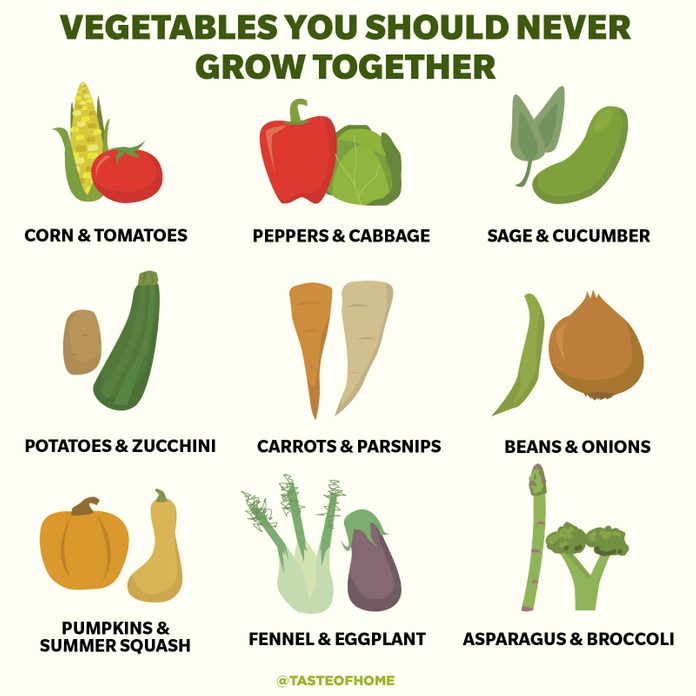
Certain herbs have companion planting preferences that can greatly affect their growth and health. Some herbs can inhibit the growth of others when planted in proximity, either through allelopathy (the release of chemicals that hinder the growth of neighboring plants) or by attracting pests that can harm them. Knowing which herbs to avoid planting near each other is essential for maintaining a healthy herb garden.
Herbs Incompatible with Basil
Basil is a popular herb but does not thrive well when planted next to certain varieties. For instance, it should be kept away from:
See also:
- Mint - Mint can overwhelm basil with its invasive growth habits.
- Fennel - Fennel can inhibit the growth of basil through root secretions.
- Rue - Rue can stunt the growth of basil and acts as a growth inhibitor.
Herbs Conflicting with Cilantro
Cilantro is sensitive to its neighbors, and planting it alongside the wrong herbs can result in poor growth. Some of the herbs to avoid include:
- Caraway - Caraway can inhibit the germination of cilantro seeds.
- Anise - Anise can compete with cilantro for nutrients and space.
- Chervil - Chervil can stifle cilantro's growth due to resource competition.
Herbs Problematic for Dill
Dill can be quite particular about its growing environment and may not flourish next to specific herbs. Key plants to avoid include:
- Carrots - Carrots can inhibit dill growth through root interference.
- Fennel - Fennel and dill compete for resources and can negatively affect each other.
- Cilantro - Cilantro has similar growth patterns and can hinder dill.
Herbs That Should Not Be Near Oregano
Oregano is a versatile herb, but it can be negatively impacted by being planted near certain other herbs. These include:
- Mint - Mint is overly aggressive and can dominate oregano.
- Parsley - Parsley can compete for the same nutrients, negatively affecting oregano.
- Thyme - Thyme may struggle to grow near oregano due to similar nutrient absorption needs.
Herbs That Compete with Sage
Sage is another herb that should not be mixed with certain types of plants to maximize growth. It is best to keep it away from:
- Rosemary - Rosemary can compete for resources, such as light and nutrients, with sage.
- Fennel - Similar to basil and dill, fennel affects sage growth through root release.
- Mint - As with oregano, mint can overtake the space and resources needed for sage.
What herbs grow well together chart?

Companion planting is a fundamental practice in gardening, aimed at increasing plant growth and improving pest control. Certain herbs are known to thrive better when grown in proximity to one another. Below, you will find a detailed chart and explanation of various herb pairings that promote healthy growth.
Benefits of Herb Pairing
Herb pairing offers multiple advantages in the garden. When certain herbs are planted together, they can significantly impact each other's growth negatively or positively:
- Pest Control: Some herbs can repel harmful insects, thus protecting neighboring plants.
- Nutrient Sharing: Different herbs can utilize nutrients from the soil in complementary ways, strengthening their growth.
- Flavor Enhancement: Certain combinations of herbs can enhance the flavors of each other when used in culinary applications.
Common Herb Pairings
Several herbs are known to thrive when planted in combination. Here are some popular pairs:
- Basil and Tomatoes: Basil not only repels pests that affect tomatoes but also enhances their flavor.
- Rosemary and Sage: Both herbs prefer similar soil and sunlight conditions, making them excellent companions.
- Cilantro and Dill: These herbs share growth patterns, providing a habitat that supports each other's development.
Herb Pairing Charts
Utilizing herb pairing charts can simplify gardening decisions. These charts indicate which herbs benefit from being planted together:
- Complementary Growth: Charts will usually show herbs that flourish at the same rate, thus optimizing space.
- Pest Management: They often highlight herbs that deter specific pests, making them easier to manage.
- Similar Watering Needs: Pairings with similar water needs are indicated to prevent over or underwatering.
Herbs to Avoid Planting Together
Not all herbs are friendly neighbors. Some can hinder the growth of others when planted too closely:
See also:
- Mint and Basil: Mint can overpower basil, stealing nutrients and space.
- Sage and Cucumbers: Sage may negatively impact the growth of cucumbers, stunting their development.
- Chives and Peas: Chives can inhibit the growth of peas, leading to lower yields.
Companion Planting Techniques
To maximize the benefits of herb pairing, various techniques can be employed:
- Interplanting: Mixing different herbs within the same plot can maximize growth space.
- Succession Planting: Rotating herbs and planting them in succession can maintain soil health.
- Layering: Utilizing herbs of different heights can optimize sunlight exposure for all plants.
What herbs do not mix well?
Combining herbs can enhance flavors and create beautiful dishes, but not all herbs complement each other. Some herbs can clash in taste, while others may overpower or completely mask the essence of others, leading to a dish that lacks balance. Here are some herbs that usually do not mix well together.
1. Basil and Mint
Basil has a strong, aromatic flavor, while mint is refreshing and sweet. When combined, both can create a confused flavor profile that does not harmonize well. The intense taste of basil can overshadow the subtle sweetness of mint, making it difficult to enjoy either herb in the dish.
- Basil tends to dominate, leading to an imbalanced flavor.
- Mint can often taste out of place when paired with the savory notes of basil.
- Each herb shines best when used individually in dishes where their unique flavors can be appreciated.
2. Cilantro and Thyme
Cilantro has a bright, citrusy flavor that is often described as polarizing, while thyme has a more earthy and woodsy flavor. These contrasting tastes can clash, creating a dish that is neither refreshing nor comforting.
- Cilantro can dominate the palate with its boldness.
- Thyme may not stand out at all, leading to a muddled taste experience.
- Using them together can leave the dish lacking in clarity or definition.
3. Rosemary and Sage
Both rosemary and sage have robust flavors, but they can compete against each other in a dish. The piney notes of rosemary and the earthy qualities of sage can result in a heavy flavor that may not appeal to everyone.
- Rosemary can be quite overpowering, often masking other flavors.
- Sage has a strong personality that can become lost in the mix.
- Each herb is best used in moderation, allowing their individual flavors to enhance a dish without overpowering it.
4. Dill and Tarragon
Dill has a distinct, tangy flavor, while tarragon has a more anise-like complexity. The two can create a confusing taste when used together, as they do not complement each other well.
- Dill's sharpness can clash with the sweetness of tarragon.
- Tarragon's subtlety can be lost when mingling with dill.
- Both herbs stand out better when featured in their respective dishes.
5. Chives and Oregano
Chives have a mild onion flavor, while oregano is robust and peppery. This difference often leads to a mismatch, where the delicate nuances of chives get overshadowed by the boldness of oregano.
- Chives provide a gentle taste that can be overwhelmed by oregano.
- Oregano may dominate, making it hard to appreciate the chive's subtlety.
- Using them separately allows each herb to shine in its intended culinary context.
Questions from Our Readers
What herbs are best planted together for companion planting?
Companion planting can enhance the growth of certain herbs, and some of the best combinations include basil and tomatoes, as basil supports tomato plants while improving their flavor. Additionally, sage pairs well with rosemary, creating a robust synergy in your herb garden. Always consider the growing conditions of each herb to maximize their potential.
Can I plant all herbs together, or are there some that should be kept apart?
Not all herbs thrive well together; for example, mint is quite invasive and can overtake other herbs if planted too close. Additionally, chives and garlic can inhibit the growth of legumes, so it's essential to research compatibility. Choosing compatible herbs not only ensures better growth but also maintains a healthy garden environment.
See also:
What are the benefits of growing herbs in combination?
Growing herbs in combination can lead to several benefits, including improved pest control, as some herbs naturally repel pests that may harm others. This practice can also promote biodiversity, create a more appealing garden layout, and enhance the flavor of the surrounding plants, ultimately resulting in healthier and more abundant harvests.
How can I maximize space when planting herbs together?
To maximize space when planting herbs together, consider using vertical gardening techniques or container gardening, which allows you to grow multiple herbs in a limited area. Choose compact varieties and interplant taller herbs that can provide shade to shorter ones, optimizing light exposure. Grouping herbs with similar water and sunlight needs can also enhance efficiency and reduce maintenance.
If you want to read more articles like What Herbs Are Best Planted Together? A Guide to Companion Planting for an Abundant Herb Garden, we recommend you check out our Herbs category.
Leave a Reply
Related Articles