What is the best combination of herbs? Discover Perfect Pairings for Flavor and Health

Herbs have long been celebrated not only for their ability to enhance the flavor of dishes but also for their myriad health benefits. With countless options available, the quest for the best combinations can seem overwhelming. However, certain pairings stand out, offering a harmonious blend of taste and nutritional value. In this article, we will explore the perfect pairings of herbs that elevate your culinary creations while providing essential health benefits. Whether you're a novice cook or a seasoned chef, understanding these combinations can transform your meals into flavorful, health-boosting experiences. Dive in and discover the magic of herb pairings!
What is the Best Combination of Herbs?
The best combination of herbs often depends on the intended culinary use and the health benefits sought. Generally, mixing herbs like basil, oregano, thyme, rosemary, and parsley creates a versatile and aromatic blend suitable for a variety of dishes. This combination can enhance the flavor profile of sauces, marinades, and soups while also providing numerous health benefits, such as antioxidants and anti-inflammatory properties. Utilizing fresh herbs over dried versions tends to offer a more vibrant flavor and higher nutritional value, making them a preferred choice for many chefs and home cooks alike.
Health Benefits of Herbal Combinations
Combining herbs can significantly enhance the health benefits they offer. For example, basil and oregano are renowned for their antioxidant properties, which can help combat oxidative stress in the body. Similarly, herbs like rosemary are known to improve digestion and boost memory. By merging different herbs, you create a multifaceted profile that not only enhances flavor but also supports overall well-being through their synergistic effects.
Flavor Profiles of Popular Herbs
Different herbs bring unique flavor profiles to dishes. For instance, basil adds a sweet and slightly peppery taste, while thyme offers an earthier note. Rosemary is aromatic and somewhat pine-like, which enhances roasted meats, while parsley imparts a fresh and bright flavor that can help lighten heavier dishes. Understanding how these flavors complement each other is essential for crafting dishes that are both delicious and aromatic.
Cooking Techniques for Herb Combinations
The manner in which herbs are incorporated into cooking can greatly impact their flavors. Fresh herbs are best added towards the end of cooking to preserve their vibrant flavors, while dried herbs benefit from early incorporation to allow their flavors to bloom. Techniques like infusing, using herb pestos, or incorporating them into marinades can also maximize their impact. Balancing timing and method can lead to a superior flavor experience when using combinations of herbs in your dishes.
Regional Preferences in Herb Usage
Culinary traditions across the world utilize herbs in various ways, often leading to unique combinations that reflect local cuisines. For example, in Mediterranean cooking, oregano, thyme, and rosemary are commonly used together, while in Asian cuisine, combinations including cilantro and Thai basil are prevalent. Understanding regional preferences can offer inspiration when creating your own herb combinations and recipes, making them rooted in tradition while allowing for personal adaptation.
How to Store Fresh Herbs
Proper storage is essential for maintaining the freshness of herbs. Fresh herbs can be stored in the refrigerator, either wrapped in a damp paper towel or in a container with water like a bouquet. Alternatively, herbs can be frozen for long-term storage, which can preserve their flavor and potency. Dried herbs should be kept in a cool, dark place in airtight containers to protect them from light and moisture, ensuring they retain their aromatic qualities for as long as possible.
| Herb | Flavor Profile | Health Benefit |
|---|---|---|
| Basil | Sweet and peppery | Anti-inflammatory |
| Oregano | Earthy and robust | Rich in antioxidants |
| Thyme | Earthy and minty | Supports digestion |
| Rosemary | Pine-like and aromatic | Enhances memory |
| Parsley | Fresh and bright | Vitamins A, C, and K |
What herbs pair best together?

Herbs not only enhance the flavor of dishes but also contribute to their aroma and therapeutic properties. Understanding which herbs pair well together can elevate culinary creations and help in crafting harmonious flavors. Here are some of the best herb combinations that can enhance various types of cuisine.
Classic Mediterranean Combinations
Mediterranean cuisine is renowned for its vibrant flavors, often achieved through the use of a combination of aromatic herbs. Some of the best herb pairings in this tradition include:
- Basil and Oregano: These herbs are staples in Italian cooking, particularly in pasta sauces and pizza.
- Rosemary and Thyme: Commonly used in roasted meats, these herbs add depth and earthiness.
- Parsley and Cilantro: This dynamic duo brightens dishes, used often in salads and salsas.
Complementary Flavors in Asian Cuisine
Asian dishes often utilize a range of herbs that complement each other, creating layers of flavor. Some effective pairings include:
- Mint and Basil: Frequently used in Thai dishes, these herbs add freshness and complexity.
- Cilantro and Chives: Combining these herbs works well in soups and stir-fries, enhancing the meal's fragrance.
- Thai Basil and Galangal: This combination provides a distinct and aromatic flavor profile, perfect in curries.
Herbs for Soups and Stews
When crafting soups and stews, the right mix of herbs can make a significant difference in taste. The following pairings are particularly effective:
- Thyme and Bay Leaves: These herbs meld well in long-cooked dishes, infusing them with a rich aroma.
- Sage and Rosemary: Ideal for heartier soups, these herbs add warmth and robust flavors.
- Dill and Parsley: A refreshing combination suitable for lighter soups, especially those with fish.
Herb Pairing for Grilled Dishes
Grilling brings out flavors in both the meat and herbs, making it essential to choose complementary pairings. Consider these combinations:
- Chives and Garlic: Perfect for marinades, these provide a punch that enhances grilled vegetables.
- Thyme and Marjoram: Both robust and fragrant, these herbs are great for seasoning grilled meats.
- Oregano and Basil: A classic Mediterranean pairing for grilled chicken and seafood, adding a savory taste.
Using Herbs in Dressings and Marinades
When preparing dressings and marinades, herb pairings can significantly influence the overall flavor. Some noteworthy combinations include:
See also:
- Basil and Parsley: Together, they create a fresh and vibrant taste ideal for salad dressings.
- Dill and Tarragon: Known for their unique flavors, these herbs work well in creamy dressings or marinades.
- Roasted Garlic and Thyme: This pairing provides an earthy and aromatic component to marinades, enhancing grilled or roasted dishes.
What is the mother of all herbs?
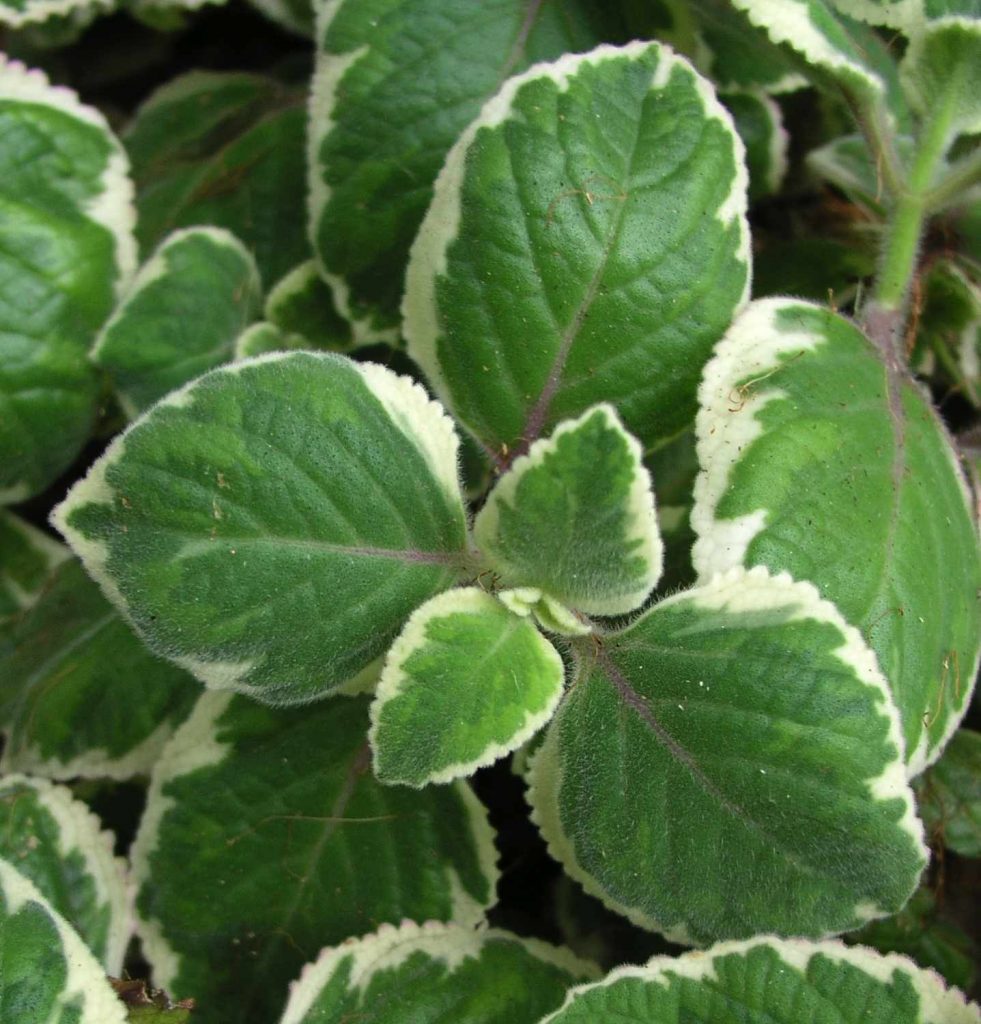
The phrase mother of all herbs often refers to Tulsi (Ocimum sanctum), also known as holy basil. This herb holds great significance in traditional medicine, particularly in Ayurvedic practices, and is revered for its extensive health benefits and spiritual importance in Indian culture.
Health Benefits of Tulsi
Tulsi is known for its numerous health benefits which include:
- Adaptogenic Properties: Tulsi helps the body adapt to stress and enhances mental balance.
- Immune System Support: Its antimicrobial properties strengthen the immune system.
- Anti-inflammatory Effects: Tulsi contains anti-inflammatory compounds that can reduce inflammation in the body.
Culinary Uses of Tulsi
In cooking, Tulsi is celebrated for its unique flavor and aroma.
- Flavoring Agent: It adds a distinct peppery taste to various dishes, particularly in Indian cuisine.
- Herbal Teas: Tulsi is commonly used in herbal teas for its soothing properties.
- Medicinal Recipes: It is integrated into various traditional remedies for health issues.
Cultural Significance of Tulsi
Tulsi holds a special place in many cultures, especially in India.
- Religious Importance: It is considered sacred in Hinduism and is often found in homes and temples.
- Symbol of Purity: Tulsi represents purity and the divine in many cultural traditions.
- Ceremonial Uses: It plays a role in various rituals and ceremonies, including weddings and pujas.
Growing and Cultivating Tulsi
Cultivating Tulsi is relatively simple and can be done in various environments.
- Ideal Conditions: Tulsi thrives in warm climates with plenty of sunlight.
- Soil Requirements: Well-drained soil enriched with organic matter is best for growing Tulsi.
- Watering Practices: Regular watering is necessary, but over-watering should be avoided to prevent root rot.
Scientific Research on Tulsi
Recent studies have focused on the health benefits of Tulsi, validating its traditional uses.
- Antioxidant Properties: Research has identified significant antioxidant compounds in Tulsi.
- Potential in Cancer Prevention: Some studies suggest that Tulsi may have anti-cancer properties.
- Influence on Blood Sugar Levels: Research indicates that Tulsi may help manage blood sugar levels.
What herbs should I not mix together?
Mixing herbs can enhance flavors, but some combinations can lead to undesirable effects, whether in cooking or herbal remedies. Here are some herbs that should generally be avoided when mixed together:
1. Basil and Oregano: Though both are popular Italian herbs, they can clash in flavor. Basil adds a sweet, aromatic note while oregano is more pungent and earthy, which can lead to a confusing taste profile.
2. Rosemary and Sage: Both of these herbs have strong, distinct flavors. When combined, rosemary’s pine-like taste can overpower sage’s subtle earthiness, creating an imbalance that may detract from the dish.
3. Cilantro and Parsley: While these two herbs may seem like interchangeable options, mixing them can lead to a dish that lacks cohesion. Cilantro has a bold, citrusy flavor that can dominate over the milder taste of parsley.
4. Mint and Basil: Both are used in various cuisines, but they have very different flavor profiles. Mint’s refreshing, cool tones can clash with basil's sweet notes, making it challenging to find a harmonious balance.
5. Thyme and Dill: Thyme has a robust, earthy flavor while dill provides a light, tangy taste. The combination can create a confusing flavor profile that may not appeal to everyone.
See also:
Understanding Flavor Profiles
Herbs carry distinct flavor profiles, and understanding them is crucial for successful culinary endeavors. Knowing how herbs interact can prevent them from competing with each other.
- Sweetness vs. Earthiness: Herbs like basil are sweet, while others like oregano are earthy.
- Strength of Flavor: Strong herbs can overwhelm milder ones, leading to unbalanced dishes.
- Culinary Tradition: Some herbs are traditionally paired, while others are not.
Herbal Remedies and Reactions
In the context of herbal medicine, certain combinations can lead to adverse reactions. Understanding the effects of herbs is vital for safety.
- Astringent vs. Relaxant: Mixing astringent herbs with relaxants can negate their effects.
- Blood Thinners: Combining herbs like garlic with others can enhance the effects of blood thinners.
- Compounding Effects: Some herbs amplify each other's properties, which can be dangerous.
Cooking with Herbs
When cooking, it’s essential to consider how herbs will complement or clash with each other. A thoughtful approach to combining herbs can enhance the final dish.
- Layering Flavors: Use herbs at different stages of cooking to build depth.
- Pairing by Cuisine: Stick to traditional pairings that yield successful dishes.
- Tasting as You Go: Adjust herbs according to taste throughout the cooking process.
Frequent Mistakes in Herb Mixing
Even experienced cooks can sometimes make errors in herb combinations. Identifying common pitfalls can help improve culinary outcomes.
- Too Many Herbs: Overusing herbs can overwhelm a dish.
- Neglecting Freshness: Using stale herbs can lead to bland flavors.
- Ignoring Aroma: Aroma can indicate complementary or clashing flavors.
Cultural Considerations
Different cultures have unique preferences for herb combinations, which impact culinary traditions. Understanding these preferences can enhance your cooking knowledge.
- Italian Cuisine: Basil and oregano often coexist but not in every dish.
- Asian Flavors: Cilantro is celebrated, whereas parsley is less common.
- Middle Eastern Dishes: Herbs like mint and cilantro are often blended, but may not always work for Western palates.
What is the king of all herbs?

The title of the king of all herbs is often attributed to basil (Ocimum basilicum), particularly in culinary and medicinal contexts. This aromatic herb is revered not only for its distinct flavor but also for its numerous health benefits and versatile uses. Its popularity spans across various cuisines, especially in Italian and Southeast Asian dishes, making it a staple ingredient in many households around the world.
Health Benefits of Basil
Basil is packed with numerous health benefits that contribute to its status as the king of herbs. Some of these benefits include:
- Antioxidant properties: Basil is rich in flavonoids and polyphenols that help combat oxidative stress.
- Anti-inflammatory effects: Compounds in basil can reduce inflammation in the body, promoting better overall health.
- Digestive health: Basil is known to help with digestive issues and can promote better gut health.
Culinary Uses of Basil
In the culinary world, basil is a favorite ingredient noted for its versatility and ability to enhance flavors. Its uses include:
- Fresh salads: Basil can be added fresh to salads, providing a fragrant anise-like flavor.
- Pesto sauce: This herb is the primary ingredient in traditional pesto, which is a popular sauce in Italian cuisine.
- Garnishing dishes: Fresh basil leaves are often used as a garnish, adding both aesthetic appeal and flavor to the dish.
Types of Basil
There are several varieties of basil, each with its unique flavor profile and culinary uses. Some of the most popular types include:
- Sweet basil: The most common variety, known for its sweet, slightly peppery flavor.
- Thai basil: Features a spicy, anise-like flavor, commonly used in Southeast Asian dishes.
- Genovese basil: An Italian variety that is sweeter and more aromatic than common basil, often used in sauces.
Basil in Traditional Medicine
Basil has been used in traditional medicine for centuries due to its therapeutic properties. Its applications include:
- Stress relief: Basil is considered an adaptogen, helping the body adapt to stress and promoting mental well-being.
- Immune system support: Regular consumption of basil can bolster the immune system due to its antiviral and antibacterial properties.
- Respiratory health: Basil is often used in remedies to relieve symptoms of respiratory conditions.
Growing Basil at Home
Growing basil at home is a rewarding experience for both culinary enthusiasts and gardeners. Best practices include:
- Choosing the right soil: Use well-draining potting soil to prevent overwatering.
- Sunlight exposure: Basil thrives in sunny conditions, so place it in a location that gets at least 6-8 hours of sunlight daily.
- Regular pruning: To encourage bushy growth and prevent flowering, regularly pinch off the flowering tops.
Questions from Our Readers
What are the most popular herbs for cooking?
In cooking, some of the most popular herbs include basil, oregano, thyme, and parsley. These herbs not only enhance the flavor of dishes but also provide a variety of health benefits. Combining them thoughtfully can elevate the taste of your meals and make them more nutritious.
Can I mix herbs together?
Yes, you can absolutely mix herbs together to create unique flavor profiles. For instance, combining rosemary and thyme works beautifully for roasted meats, while cilantro and mint can brighten up salads and salsas. Just be mindful of the intensity of each herb to ensure a well-balanced mixture.
See also:
Which herbs pair well with each other?
Some herbs that pair well together include basil and oregano, which are excellent for Italian dishes, or sage and thyme, which complement poultry and stuffing recipes. The right combination not only enhances the dish but also adds depth to the overall flavor experience.
Are there any herbs that should not be combined?
Yes, there are certain herbs that may clash when combined. For example, mint and basil can create a confusing flavor profile, while cilantro can overpower more delicate herbs like chives. It's best to experiment with small amounts to find the right balance and avoid overwhelming your dish.

If you want to read more articles like What is the best combination of herbs? Discover Perfect Pairings for Flavor and Health, we recommend you check out our Herbs category.
Leave a Reply
Related Articles