Should I Remove Flower Heads from Garlic? Expert Tips and Best Practices Explained

Removing flower heads from garlic is a topic of debate among gardeners and garlic enthusiasts. While some argue that removing these scapes can enhance bulb growth, others believe that allowing them to flower may benefit the overall health of the plant. This article delves into expert tips and best practices for managing garlic flower heads, helping you make informed decisions based on your gardening goals. Whether you’re aiming for larger bulbs or simply curious about the flowering process, we've got you covered with comprehensive insights to optimize your garlic cultivation technique.
Should I Remove Flower Heads from Garlic?
Removing flower heads, or scapes, from garlic plants is generally recommended, especially if you want to enhance the growth and quality of the bulbs. When garlic plants send up their flower heads, they begin to redirect their energy away from bulb development toward flowering and seed production. By cutting off the scapes, you encourage the plant to focus its resources on producing larger and more flavorful garlic bulbs. Additionally, the scapes are edible and can be harvested for use in various dishes, adding a fresh, garlicky taste.
What are Garlic Flower Heads?
Garlic flower heads, also known as scapes, are the flowering stalks that develop when garlic plants mature. These flower heads typically appear in late spring to early summer. They start as a curly shoot and eventually straighten out as they grow. The scapes contain an array of small, green flowers that can eventually produce seeds. However, many gardeners choose to remove these flower heads to optimize the growth of the garlic bulbs, as mentioned previously.
Benefits of Removing Flower Heads
By removing the flower heads, or scapes, from garlic, gardeners redirect the plant's energy back into the bulb development. The main benefit of this practice is the production of larger and more robust garlic bulbs, which are often more flavorful than those from plants that were allowed to flower. Additionally, the removal of scapes can prevent the plant from splitting its energy between flowering and bulb growth, ensuring that the yield is maximized.
How to Remove Garlic Flower Heads
To remove the garlic flower heads, use a sharp pair of garden shears or scissors. It’s best to cut the scapes when they are around 12 to 18 inches long, just before they start to curl. Cut them off at the base where they emerge from the leaves. Be careful not to damage the surrounding foliage as you do so. After cutting, you can use the scapes in cooking, as they add a garlic-like flavor to dishes and can be sautéed, grilled, or used in pestos.
When is the Best Time to Remove Them?
The ideal time to remove garlic flower heads is typically in mid to late spring when the scapes are young and tender. This timing allows the plant to reallocate its energy efficiently before the bulk of the bulb's development occurs. Doing this early helps ensure that the energy that would have gone into flower production is instead used to grow plumper and more flavorful bulbs, increasing your overall harvest.
What to Do with Removed Scapes?
After removing the garlic scapes, they can be utilized in a variety of culinary applications. They can be chopped and added to stir-fries, blended into sauces or pestos, or even pickled for a unique condiment. The scapes feature a milder taste than traditional garlic cloves, making them a versatile ingredient in a range of dishes. Many gardeners appreciate scapes not just for their taste but also for their nutritional benefits, including high levels of vitamins and antioxidants.
| Action | Description |
|---|---|
| Cut Scapes | Use shears to remove flower heads early in the growing season. |
| Use in Cooking | Add chopped scapes to dishes for a garlicky flavor. |
| Improve Bulb Size | Redirect energy from flowers to bulb growth by removing scapes. |
| Harvest Timing | Best removed when scapes are 12 to 18 inches long. |
| Nutrition | Scapes are rich in vitamins and antioxidants. |
Is garlic still good if it flowers?
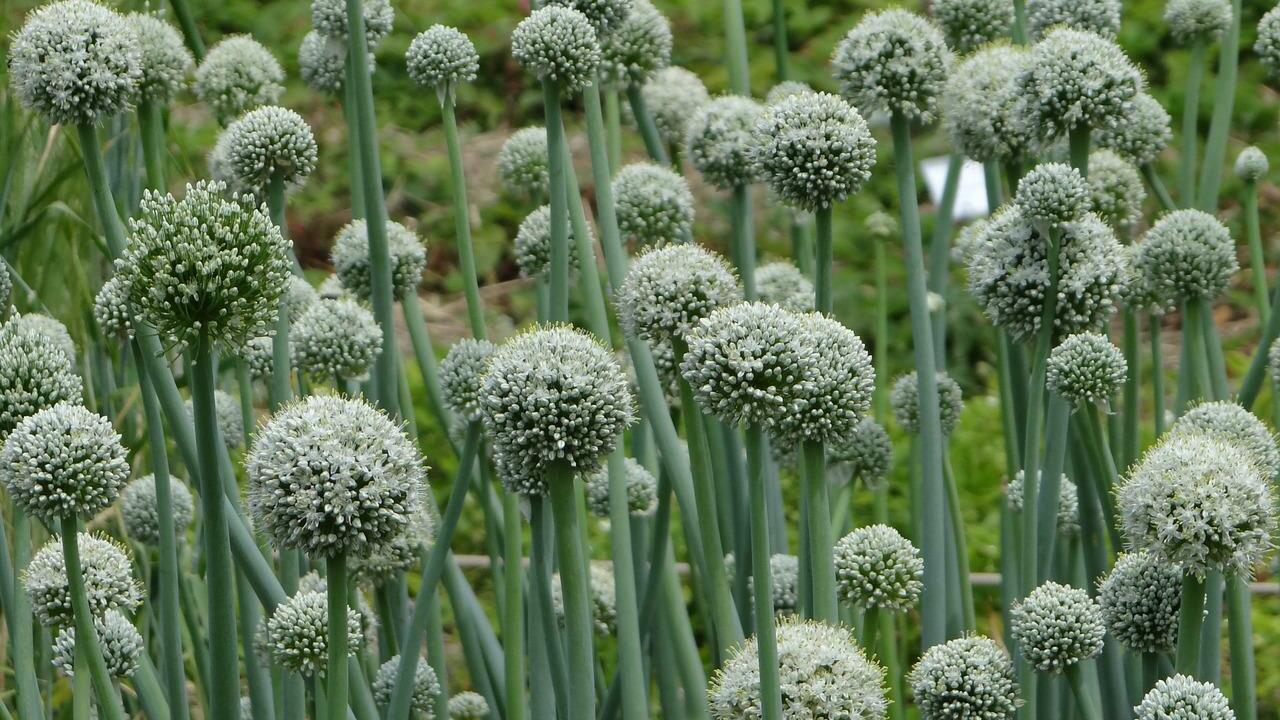
When garlic plants flower, they produce a seed stalk known as a scape. While flowering can indicate that the garlic is maturing, it does not necessarily mean that the garlic bulb itself is no longer good to eat. However, the quality and flavor might be affected.
Why Does Garlic Flower?
Why Does Garlic Flower?
Garlic flowers as part of its reproductive process. This generally occurs when the plant reaches maturity, typically in late spring to early summer. Factors influencing garlic flowering include:
- Variety of Garlic: Different garlic varieties have different flowering tendencies. Hardneck garlic is more likely to flower than softneck garlic.
- Growing Conditions: Ideal conditions such as optimal temperature and soil nutrients may increase the likelihood of flowering.
- Age of the Plant: Older garlic plants are more prone to bolt and produce flowers as a natural lifecycle.
Impact on Garlic Bulbs
See also:
Impact on Garlic Bulbs
When garlic flowers, its bulbs may experience changes in quality. The core of the bulb may become tougher, and the garlic flavor could become less intense. The effects include:
- Texture Changes: The bulb's outer layers can harden, leading to a less pleasant eating experience.
- Flavor Profile: The garlic may taste milder or even sweeter due to the plant's energy being diverted from bulb formation to flowering.
- Storage Ability: Flowering can sometimes make the garlic more susceptible to decay if left unharvested for too long.
Edibility of Flowering Garlic
Edibility of Flowering Garlic
Flowering garlic is generally edible. The flower stalks, known as scapes, are considered a delicacy in many cuisines. They can be used in various dishes, offering a unique garlic flavor. This leads to:
- Scape Uses: Scapes can be sautéed, used in pestos, or pickled, adding a garlic flavor without overpowering a dish.
- Freshness Indicators: If the bulbs appear healthy despite flowering, they can still be used; however, check for signs of spoilage.
- Cooking Benefits: Cooking flowering garlic can soften the flavor, making it more palatable for those who prefer milder tastes.
Best Practices for Harvesting Flowering Garlic
Best Practices for Harvesting Flowering Garlic
If you notice flowering garlic in your garden, it is essential to approach harvesting with care. Proper harvesting techniques include:
- Timing: Harvest when the lower leaves begin to yellow and the bulbs are still firm, even if the plant has flowered.
- Removing Scapes: Consider cutting off the scapes early to help the bulb develop better, which can improve its size and flavor.
- Drying and Storing: After harvesting, allow the bulbs to dry in a ventilated area before storing them in a cool, dark place for longevity.
Comparing Different Garlic Types
Comparing Different Garlic Types
Different types of garlic react differently when they flower, affecting their culinary use and storage. The key differences include:
- Hardneck Garlic: More likely to flower, producing edible scapes that are sought after, known for their robust flavor.
- Softneck Garlic: Usually flowers less often, has a longer shelf life, and is milder in flavor, making it suitable for raw uses.
- Elephant Garlic: Technically a type of leek, it can flower but has a much milder taste and larger, less pungent bulbs.
What to do when garlic starts flowering?
When garlic starts flowering, also known as bolting, it indicates that the plant is reaching maturity. This process can affect the quality of the garlic bulbs if not managed properly. Here are some steps to take when you notice your garlic flowering.
Understanding Garlic Flowering
Garlic flowers appear when the plant is under stress, often due to temperature changes or nutrient deficiencies. Understanding the reason behind this flowering can help you manage your garlic crop better. Typically, flowering happens in the late stages of growth. Recognizing the stress factors will assist you in deciding the best course of action.
- Monitor the soil conditions to ensure they are within the optimal range.
- Check for potential pest and disease issues affecting the plant.
- Make necessary adjustments to your growing conditions.
Should You Remove Flower Scapes?
Flower scapes are the long stalks that arise and bear the flowers of the garlic plant. It's often recommended to remove flower scapes early to redirect the plant's energy into bulb formation rather than flowering. This can result in larger and healthier bulbs.
- Use a clean, sharp pair of pruning shears.
- Cut the scapes about one inch above the first leaf.
- Discard the cuttings or use them in recipes for added flavor.
Timing for Bulb Harvesting
When garlic begins to flower, it's crucial to monitor the timing for harvesting. Generally, you want to harvest garlic when about one-third of the leaves have turned brown. If the plant is left to flower, it might affect the bulb size.
See also:
- Check the lower leaves for browning.
- Pull a few bulbs to assess their size.
- Plan to harvest on a dry day to prevent rot.
Managing Nutrient Requirements
Garlic requires specific nutrients for proper growth, and flowering may indicate a nutritional imbalance. Adjusting your fertilization strategy can help. Incorporate balanced fertilizers or organic amendments that ensure adequate nutrient supply.
- Test your soil for nutrient levels.
- Add compost or organic fertilizers to boost nutrients.
- Follow a regular feeding schedule based on your soil needs.
Post-Flowering Care Tips
After you deal with the flowering issue, it is essential to provide post-flowering care to enhance the growth of the garlic bulbs. This includes proper watering and maintenance practices.
- Water garlic plants adequately, especially during dry spells.
- Remove any dead leaves to promote airflow.
- Maintain a weed-free environment to reduce competition for nutrients.
Should I cut the head off the garlic?
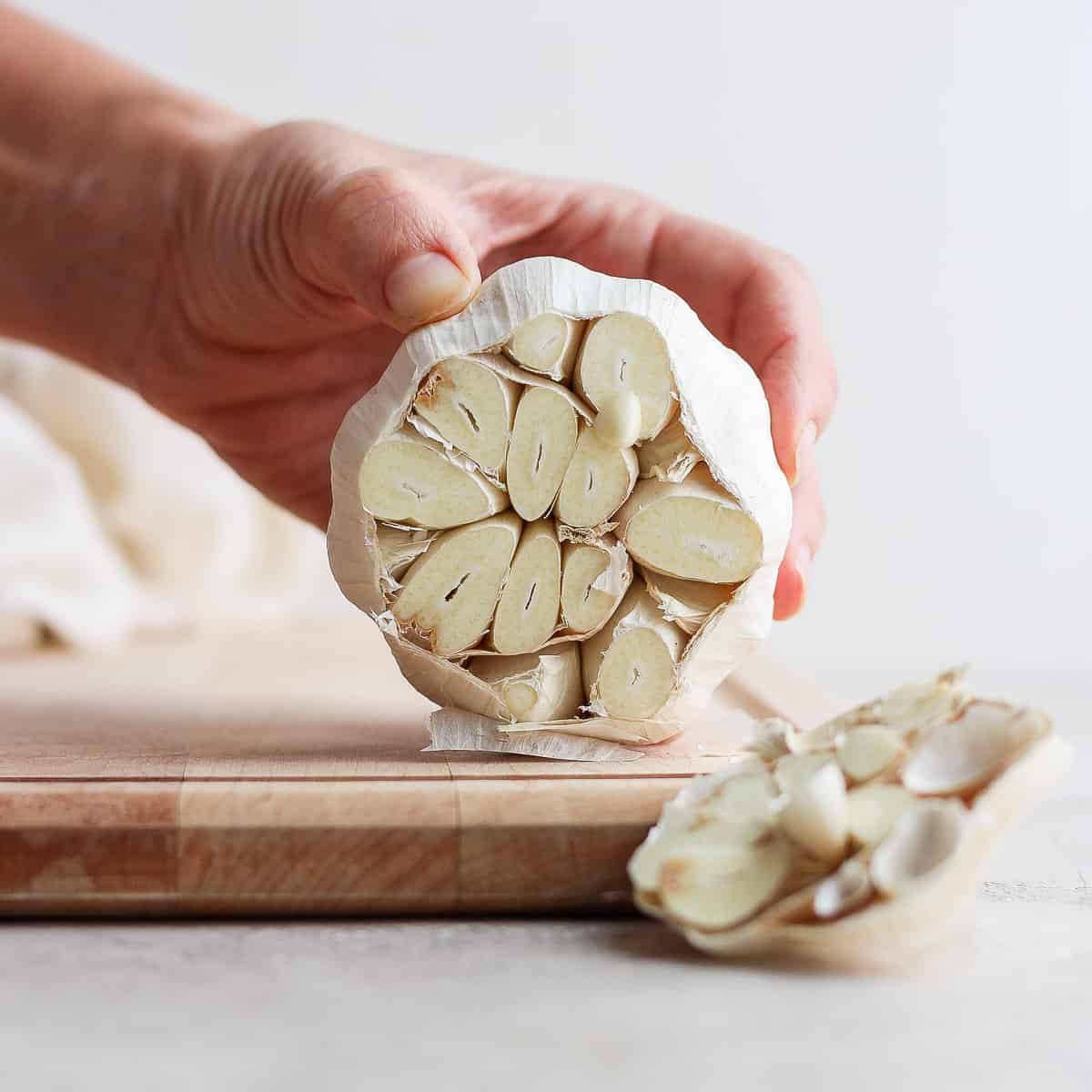
To answer the question, should you cut the head off the garlic, it is essential to understand the structure of garlic and the purpose it serves in cooking. The head of garlic typically refers to the whole bulb, which consists of multiple cloves. When preparing garlic for cooking, it is common to remove the outer skin and separate the cloves. However, cutting the head or the bulb off entirely is usually unnecessary unless you intend to use the entire bulb in a specific cooking method.
Understanding Garlic Structure
Garlic is composed of several parts, primarily the bulb, cloves, and skin. Knowing these components can help you decide how to prepare it for your culinary needs.
- The bulb is the whole garlic head that contains multiple cloves.
- Each clove is the individual piece that you typically use in cooking.
- The skin protects the cloves and is usually removed before use.
Benefits of Using Whole Garlic Bulbs
Using a whole garlic bulb rather than cutting off the head can enhance the flavor profile of your dishes, providing a more robust taste.
- Whole bulbs release their flavor more fully when roasted.
- They can be used for infusing oils or sauces, offering a subtler taste.
- Using a whole bulb can be more visually appealing in centerpieces or dishes.
Techniques for Preparing Garlic Cloves
If you decide not to cut the head off the garlic, there are simple techniques for preparing the individual cloves without losing their intensity.
- Crushing the cloves can release more oils and flavors.
- Minced garlic provides a strong flavor and is commonly used in various recipes.
- Slicing garlic offers a milder taste, suitable for sautéing purposes.
When to Cut Off the Head of Garlic
There are certain cases where you might consider cutting off the head or using a whole bulb differently, depending on your recipe.
- When roasting, cutting off the top of the bulb allows for caramelization of the exposed cloves.
- If you are making garlic confit, using whole bulbs can infuse a deeper flavor when cooked slowly in oil.
- In some broths or stocks, adding whole bulbs can impart flavor without the need for chopping.
Storage Considerations for Garlic
Proper storing techniques can determine whether you should cut the head off the garlic and how long it will last.
- Store garlic in a cool, dark place to extend its shelf life.
- Whole bulbs can last for several months if kept intact.
- Once a bulb is broken, use the cloves within 10 days for optimal flavor.
Questions from Our Readers
Should I remove flower heads from garlic?
Yes, it is generally recommended to remove the flower heads from garlic if you want to enhance bulb growth. When the plant focuses energy on flowering, it can divert resources away from developing larger cloves.
How do I know when to remove the flower heads from garlic?
The best time to remove the flower heads is when they first appear, typically in late spring or early summer. Timely removal ensures that the plant can redirect its energy toward growing the bulbs in the ground.
Can I eat the flower heads from garlic?
Absolutely! The flower heads, also known as scapes, are edible and have a mild garlic flavor. Many people enjoy using them in stir-fries, pesto, or simply sautéed.
See also:
Will removing flower heads affect the garlic harvest?
Yes, removing the flower heads can positively affect the garlic harvest by promoting larger bulbs. If allowed to remain, the plant may prioritize flowering over bulb development, resulting in smaller yields.

If you want to read more articles like Should I Remove Flower Heads from Garlic? Expert Tips and Best Practices Explained, we recommend you check out our Garlic category.
Leave a Reply
Related Articles