Can You Eat Garlic Immediately After Harvesting? Discover the Best Practices and Tips
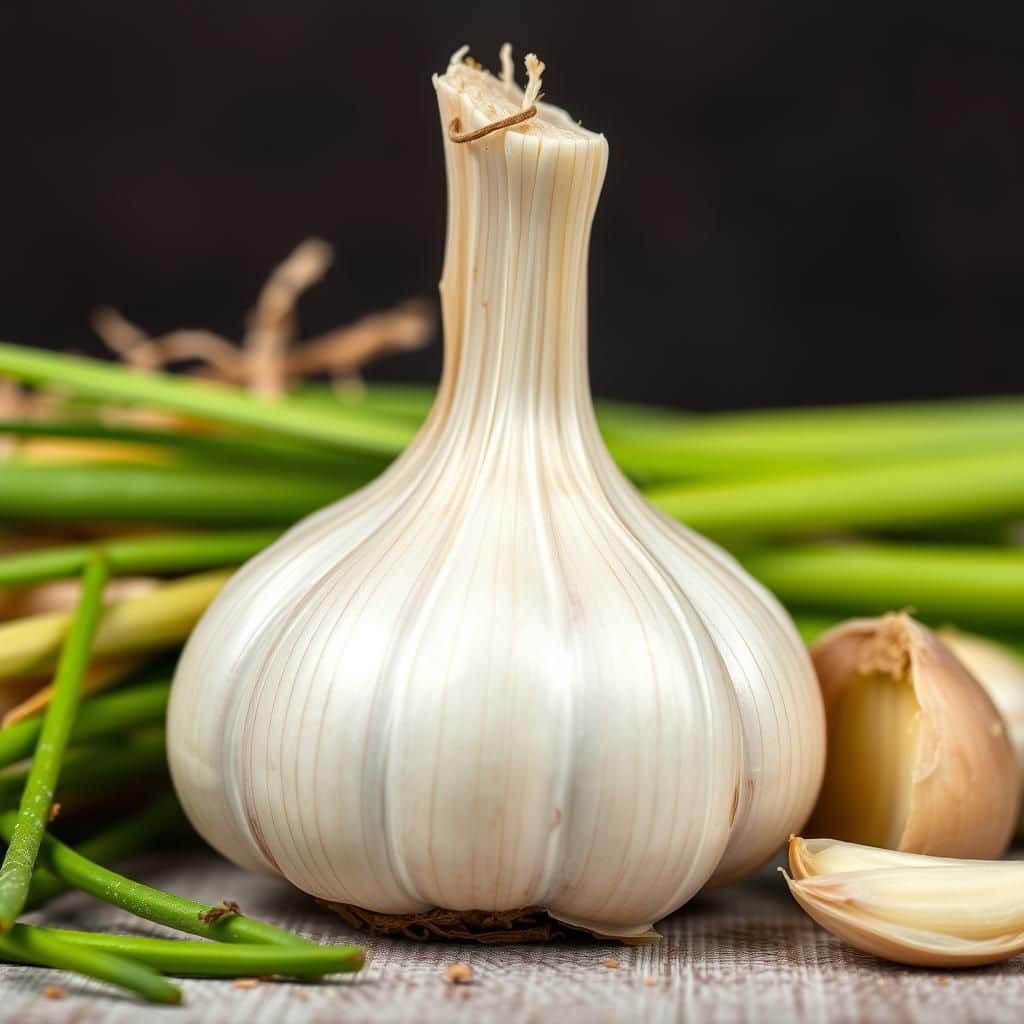
Harvesting garlic is a rewarding experience, but many wonder if it's safe or advisable to consume it right after pulling it from the ground. Freshly harvested garlic possesses a unique flavor and aroma, leading to questions about its culinary uses and storage practices. In this article, we will explore whether you can eat garlic immediately after harvesting, along with best practices and tips for handling this flavorful bulb. From understanding its freshness to learning the proper curing methods, discover how to make the most of your homegrown garlic and ensure it remains delicious and safe for your kitchen.
Can You Eat Garlic Immediately After Harvesting?
After harvesting, it is technically possible to eat garlic right away, but it is not recommended. Freshly harvested garlic is still in its green stage and has a high moisture content, making it less intense in flavor compared to fully cured garlic. Eating fresh garlic can also lead to a different texture and taste experience, which may not be pleasant for everyone. For the best flavor and storage capabilities, it is advisable to allow the garlic to cure for a couple of weeks in a dry, well-ventilated place. This process enhances its flavor and allows the cloves to store better for an extended period.
Understanding Fresh vs. Cured Garlic
Fresh garlic, often referred to as green garlic, differs significantly from cured garlic. The primary distinction lies in the moisture content and flavor intensity. Fresh garlic retains a high percentage of water, which makes it milder, while curing reduces this moisture, leading to a richer, more concentrated taste. Moreover, fresh garlic can spoil quicker than its cured counterpart, hence the need for proper curing techniques.
Health Benefits of Garlic
Garlic is well-known for its numerous health benefits, including potential antimicrobial properties and cardiovascular support. Fresh garlic retains many of these beneficial compounds, such as allicin, which may offer immediate health advantages upon consumption. However, the potency of these compounds can be better preserved and enhanced through the curing process, which allows garlic to develop more flavor while also preserving its health benefits over time.
Proper Curing Techniques for Garlic
To properly cure garlic, it is essential to hang it in small bunches or lay it out in a single layer in a well-ventilated area that is away from direct sunlight. The ideal conditions include a temperature of around 60-70°F (15-21°C) with low humidity, which facilitates the drying process. Typically, garlic should be cured for about two to three weeks until the outer skins are dry and the cloves feel firm.
Texture and Flavor Differences
When garlic is eaten immediately after harvesting, the texture tends to be softer, creating a different culinary experience compared to cured garlic, which is firmer and has a more robust flavor. The green garlic can be used in various dishes, but its unique freshness may not appeal to everyone, especially in recipes that call for stronger, aged flavors typical of proper garlic. Understanding these differences can help cooks choose the right type of garlic for their intended dishes.
Storage Recommendations for Garlic
Once garlic has been cured, it should be stored in a cool, dry place with good airflow. Options include mesh bags or baskets that allow for ventilation. Avoid storing garlic in plastic bags, as they can trap moisture and lead to mold or sprouting. Proper storage extends the shelf life of garlic significantly, allowing it to remain flavorful and useful in culinary applications for several months.
| Stage | Flavor Profile | Texture | Shelf Life |
|---|---|---|---|
| Fresh Garlic | Milder, grassy | Soft | 1-2 weeks |
| Cured Garlic | Rich, intense | Firm | 3-6 months |
Can you eat garlic as soon as it's picked?

Yes, you can eat garlic as soon as it's picked, but there are some important considerations to keep in mind. Freshly harvested garlic, also known as new garlic or green garlic, is a delicacy that offers a milder flavor compared to fully aged bulbs. It can be consumed raw or cooked, and its taste, aroma, and texture are quite different from mature garlic.
When garlic is harvested, it typically comes in two forms: green garlic and curing garlic. Green garlic is the young plant, harvested early before the bulbs are fully developed. On the other hand, curing garlic is harvested when the bulbs are mature and then dried for storage. Eating garlic immediately after picking means you'll experience its unique freshness, but you may want to consider the following factors.
How to Prepare Freshly Harvested Garlic
Freshly harvested garlic requires minimal preparation. The skin can be removed easily, and the young cloves can be sliced or chopped according to preference. To enjoy it at its best:
See also:
- Wash the garlic to remove any dirt.
- Trim the roots and the green tops if necessary.
- Slice or chop the cloves as desired.
Nutritional Benefits of Fresh Garlic
Fresh garlic is packed with nutrients and has various health benefits. It is known to contain compounds like allicin, which can promote good health. Some nutrients include:
- Antioxidants that help combat free radicals.
- Vitamins such as B6 and C.
- Minerals including manganese and calcium.
Differences Between Fresh and Mature Garlic
Fresh garlic and mature garlic offer distinct flavors and uses in cooking. Fresh garlic tends to be milder and can be used in salads or as a garnish, while mature garlic has a stronger flavor ideal for cooking.
- Fresh garlic: Milder and more delicate flavor, used raw or lightly cooked.
- Mature garlic: Stronger flavor, best suited for roasting, sautéing, and long cooking times.
- Storage: Fresh garlic has a shorter shelf life compared to dried, mature garlic.
Potential Risks of Eating Raw Garlic
While eating raw garlic has health benefits, there are some risks associated with consuming it immediately after harvest. Fresh garlic can sometimes cause stomach discomfort or gastrointestinal issues if eaten in large quantities. Consider the following:
- Start with small amounts to gauge your body's reaction.
- Pair garlic with other foods to mitigate potential irritation.
- Avoid if you have a history of garlic intolerance or sensitivity.
Using Fresh Garlic in Recipes
Incorporating freshly harvested garlic into your recipes can enhance flavor and nutrition. You can use it in various dishes, keeping in mind its unique properties:
- Salads: Add thinly sliced or minced fresh garlic to enhance flavor.
- Dips: Blend fresh garlic into hummus or yogurt-based dips for a fresh kick.
- Cooking: Lightly sauté fresh garlic with vegetables or proteins for a milder taste.
How long to wait to eat garlic after cutting?

To maximize the health benefits and flavor profile of garlic, it is recommended to wait for about 10 to 15 minutes after cutting or crushing garlic before consuming or cooking it. This waiting period allows an enzyme called alliinase to convert compounds within garlic into allicin, which is responsible for many of its health benefits, including its anti-inflammatory and antioxidant properties.
Effects of Waiting Time on Garlic's Flavor
Waiting for the recommended time after cutting garlic can significantly influence its flavor. The enzymatic reaction that occurs strengthens the aromatic compounds in garlic, resulting in a more robust taste.
- Intensified aroma: The allicin produced enhances the fragrance, making dishes more flavorful.
- Complex flavor profile: The resting period allows garlic to develop layers of flavor that can change when cooked immediately.
- Cooking reactions: Unique reactions during cooking can be enhanced by allowing the garlic to sit before heat exposure.
Health Benefits of Allicin
Allicin, produced when garlic is cut or crushed, has numerous health benefits that contribute to overall well-being. By allowing garlic to sit, you can maximize these advantages.
- Antimicrobial properties: Allicin is known for its ability to combat bacteria and viruses.
- Heart health: Regular consumption may help lower blood pressure and improve cholesterol levels.
- Antioxidant effects: It helps combat oxidative stress, potentially reducing the risk of chronic diseases.
How to Properly Cut Garlic
The way you cut garlic can also affect the quality of allicin produced. Proper cutting techniques can maximize the enzymatic process for better nutritional value.
- Minced garlic: Chopping finely increases the surface area, enhancing the release of alliinase.
- Crushed garlic: Pressing garlic releases more juices and enzymes, increasing allicin formation.
- Thin slices: Slicing thinly is better than larger chunks, as it promotes quicker enzymatic action.
Influence of Cooking Methods on Garlic's Benefits
Cooking garlic immediately after cutting can diminish its health benefits. Certain methods preserve allicin better than others.
- Raw consumption: Eating raw garlic after the waiting period maximizes health benefits.
- Sautéing gently: Cooking at lower temperatures can help retain some properties, but less than raw.
- Roasting: While delicious, it may reduce allicin significantly compared to raw or lightly cooked garlic.
Storage Tips for Cut Garlic
If you've cut more garlic than needed, how you store it can impact its freshness and allicin content.
See also:
- Refrigeration: Store cut garlic in an airtight container in the fridge to slow down enzyme action.
- Use within a few days: It's best to use cut garlic within a few days to retain flavor and nutrients.
- Avoid soaking: Do not soak cut garlic in liquids, as this can reduce its potency.
How long after harvest can you eat garlic?
:max_bytes(150000):strip_icc()/harvesting-garlic-1402402_FINAL-a6af5d2ed4fa49939c6f66c3c98c35dc_1-12a11340b2b045f0bc08608fb88821ce.jpg)
Garlic can be consumed shortly after harvest, but its storage and curing processes significantly affect its flavor, texture, and shelf life. Generally, fresh garlic is ready to eat as soon as it is harvested, but for the best quality and taste, it's recommended to let garlic cure for about two to four weeks. During this curing period, the bulbs dry out, which enhances their flavor and helps them store longer.
Benefits of Curing Garlic
Curing garlic is essential for several reasons:
- Flavor Enhancement: Curing allows the flavors to develop and mellow, making the garlic taste better.
- Improved Shelf Life: Properly cured garlic can last several months, whereas uncurred garlic may spoil quickly.
- Better Textural Integrity: Cured garlic tends to have a firmer texture, which is more appealing in culinary applications.
How to Cure Garlic
Curing garlic requires attention to detail for optimal results:
- Trimming: Remove the excess roots and leaves, but be careful not to peel the bulbs.
- Drying Location: Choose a dry, well-ventilated area away from direct sunlight to promote even drying.
- Monitoring: Check the bulbs regularly to ensure they are drying adequately and prevent any mold growth.
Signs of Well-Cured Garlic
Knowing when garlic is properly cured helps ensure the best quality:
- Skin Texture: The outer skins should feel papery and dry.
- Firmness: The cloves should be firm to the touch, and not soft or squishy.
- Smell: Well-cured garlic has a strong, pleasant aroma, unlike fresh garlic that may smell harsher.
Storage Tips for Garlic After Harvest
Proper storage of garlic after harvest is crucial for longevity:
- Cool Environment: Store garlic in a cool place to prevent sprouting and spoilage.
- Avoid Humidity: Keep garlic away from moisture, as this can encourage mold and decay.
- Use Ventilated Containers: Store in mesh bags or open baskets to allow air circulation.
How Long Can You Keep Garlic?
The shelf life of garlic varies based on several factors:
- Uncured Garlic: Lasts about 2-3 weeks at room temperature.
- Cured Garlic: Can be stored for 6-8 months in optimal conditions.
- Processed Garlic: Products like garlic powder or pre-peeled garlic can last significantly longer, depending on packaging.
Questions from Our Readers
Can you eat garlic immediately after harvesting?
Yes, you can eat garlic immediately after harvesting, but it's important to note that it may not have the same flavor and texture as cured garlic. Freshly harvested garlic is often referred to as green garlic and has a milder taste, which some people find appealing.
What should you do with freshly harvested garlic?
After harvesting, it's recommended to clean and dry fresh garlic before consuming it. This process allows the garlic to develop its flavors and makes it easier to store for later use. Simply remove any dirt and let it air dry in a shaded area for a few days.
Can fresh garlic be stored, and how?
Fresh garlic can be stored short-term in a cool, dry place for a few weeks. However, to maximize its shelf life, it can be cured by hanging it in bundles or placing it in a mesh bag, which allows for proper air circulation.
Is there a difference between fresh and cured garlic?
Yes, there is a significant difference between fresh and cured garlic. Fresh garlic has a higher moisture content and a milder flavor, while cured garlic is drier, more pungent, and can be stored for several months, making it more versatile in cooking.
See also:

If you want to read more articles like Can You Eat Garlic Immediately After Harvesting? Discover the Best Practices and Tips, we recommend you check out our Garlic category.
Leave a Reply
Related Articles