When to Harvest Garlic in Canada? A Comprehensive Guide for Timing and Techniques

Garlic cultivation is a rewarding endeavor for both novice and seasoned gardeners in Canada. Understanding the optimal time to harvest garlic is crucial for maximizing yield and flavor. This comprehensive guide will walk you through the signs that indicate when garlic is ready to be harvested, along with the techniques to ensure a successful collection. From assessing the growth stages to practical harvesting methods, we’ll cover everything you need to know to enjoy a bountiful garlic crop. Whether you’re growing artichoke, hardneck, or softneck varieties, timing your harvest properly can make all the difference in your culinary creations.
When is the Right Time to Harvest Garlic in Canada?
Harvesting garlic in Canada typically occurs in mid to late summer, specifically between July and August, depending on the variety and local climate conditions. The best time to harvest garlic is when the lower leaves of the plant begin to brown and dry out, while the upper leaves are still green, indicating that the bulbs have reached full maturity. It's essential to keep an eye on the weather, as excessive rain close to harvest time can lead to rot and spoilage, whereas too dry conditions can affect bulb size and quality.
Signs of Garlic Maturity
One of the most critical factors in determining when to harvest garlic is recognizing the signs of maturity. Typically, when about one-third to half of the lower leaves have turned brown, it's time to start considering harvesting. The tops should remain somewhat green, as this indicates that the garlic bulbs are still developing and haven’t yet begun to shrink or dry out. Monitoring the foliage helps ensure you harvest the garlic at the optimal time for the best size and flavor.
Weather Conditions for Harvesting
Weather plays a significant role in the successful harvest of garlic. Farmers should aim to harvest during a dry spell to reduce the risk of disease and rot. Harvesting in dry conditions helps to maintain the integrity of the bulbs. Heavy rain right before or during the harvest can lead to split bulbs or other issues, so being aware of the local forecast is crucial as the harvest date approaches.
Garlic Varieties and Their Harvest Times
Different garlic varieties have varying harvest times. For instance, hardneck garlics usually mature earlier than softneck varieties. Hardneck types like 'Porcelain' can be harvested by mid to late July, whereas softneck types might extend into early August. Understanding the specific variety you are cultivating will help to better predict the ideal harvest timeline and ensure optimal garlic quality.
Preparing for Harvest
Preparation is essential for a successful garlic harvest. Gather necessary tools such as a shovel or garden fork to gently lift the bulbs from the ground. It’s recommended to loosen the soil around the garlic first to prevent damage. Additionally, deciding how you will handle the harvested garlic, whether it be for storage or immediate use, is important to ensure that the bulbs remain in good condition without losing their viability or flavor.
Post-Harvest Care of Garlic
After harvesting, proper post-harvest care is vital to maintaining the quality of the garlic bulbs. The bulbs should be cleaned gently to remove any soil and debris but should not be washed with water. They should then be dried in a warm and airy location out of direct sunlight for about two weeks. Proper drying helps firm up the skins and improves storage longevity. After drying, garlic can be trimmed to prepare it for storage or consumption.
| Garlic Variety | Harvest Time |
|---|---|
| Hardneck (Porcelain) | Mid to Late July |
| Softneck | Early August |
Do you harvest garlic before or after it flowers in Canada?
:max_bytes(150000):strip_icc()/harvesting-garlic-1402402_FINAL-a6af5d2ed4fa49939c6f66c3c98c35dc_1-12a11340b2b045f0bc08608fb88821ce.jpg)
Garlic is typically harvested before it flowers in Canada. This is primarily due to the fact that flowering, or bolting, can lead to a decrease in the quality and size of the bulbs. Farmers generally monitor their garlic plants closely and aim to harvest them at the right time to ensure optimal flavor and storage life.
Understanding Garlic Growth Stages
Garlic undergoes various growth stages, from planting to harvesting. The key stages are:
See also:
- Planting: Garlic is usually planted in the fall, which allows for root establishment before winter.
- Growth: As spring arrives, garlic begins to grow rapidly with the development of leaves.
- Bulb Formation: The bulbs start to form as the plants mature, usually in late spring or early summer.
The Importance of Timing for Harvest
Timing is crucial when it comes to harvesting garlic. The ideal time is:
- Leaf Yellowing: Farmers look for the bottom leaves to start yellowing, indicating maturity.
- Before Flowering: Harvesting before the plant bolts helps maintain bulb size and flavor.
- Soil Moisture: Ensuring the soil is not overly wet is important for bulb health at harvest.
Signs That Garlic Is Ready to Harvest
Identifying the right signs that garlic is ready for harvest is crucial:
- Top Leaves: When the top three to four leaves turn brown, it's a sign for harvest.
- Bulb Size: The bulbs should feel firm and well-developed during this time.
- Weather Conditions: Harvesting in dry weather helps prevent mold and rot.
The Impact of Flowering on Garlic Quality
Flowering, or bolting, can significantly affect garlic quality:
- Reduced Bulb Size: Flowering takes energy away from bulb development, resulting in smaller bulbs.
- Flavor Changes: Flowering can alter the taste profile of garlic, often leading to a milder flavor.
- Storage Issues: Flowered garlic may have a shorter shelf life due to spoilage factors.
Best Practices for Garlic Harvesting in Canada
Adopting best practices ensures a successful garlic harvest:
- Regular Monitoring: Keep an eye on your garlic plants for signs of maturity and possible bolting.
- Correct Tools: Use the right tools for harvesting to avoid damage to the bulbs.
- Timely Harvesting: Aim to harvest when conditions are right, just before flowering starts.
Can you leave garlic in the ground too long?
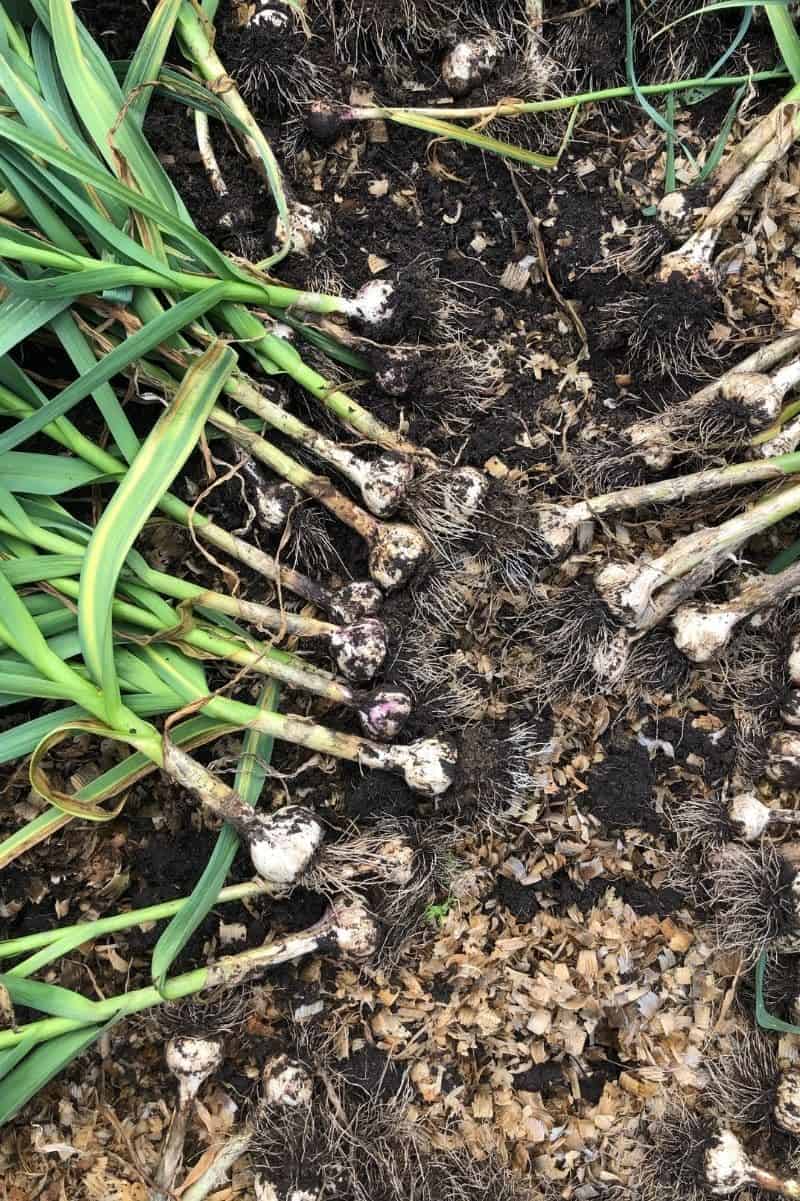
Yes, you can leave garlic in the ground too long. When garlic is harvested, it should be done at the right time to ensure the best flavor and storage potential. If left in the soil beyond the optimal harvest time, several issues can arise that may affect the quality and viability of the garlic bulbs.
Effects of Overmaturation
Leaving garlic in the ground for an extended period can lead to overmaturation. When garlic matures too much, the cloves can begin to separate, leading to a bulb that doesn’t hold together well during storage. This results in:
- Increased susceptibility to disease
- Potential for sprouting in warmer conditions
- Diminished flavor and aroma
Impact on Storage Potential
Garlic left in the ground too long can significantly impact its storage potential. Ideally, harvested garlic should be dry and stored properly. If harvested late, the garlic may not cure correctly, making it more prone to rot. The consequences include:
- Shorter shelf life
- Higher risk of mold development
- Decreased market value if sold
Pests and Diseases
Extended periods in the soil can attract various pests and promote the spread of diseases. Certain pests can burrow into the garlic bulbs, causing physical damage. Indications of this problem include:
- Visible holes in bulbs
- Presence of soft rot
- Infection from soil-borne pathogens
Timing for Harvesting Garlic
The optimal time to harvest garlic is typically when the lower leaves begin to yellow and die back. This timing ensures that the bulbs are fully developed but not overmature. Key signs to watch for include:
See also:
- Yellowing of the leaves
- Lower leaves browning while upper remain green
- Bulbs appearing large and plump
Recommendations for Gardeners
For gardeners, understanding the balance between leaving garlic in the ground for necessary growth and harvesting at the right time is crucial. Here are some recommendations:
- Monitor plant health regularly
- Harvest before the bulbing starts to separate
- Consider soil conditions and weather forecasts
What month is garlic ready to harvest in Ontario?
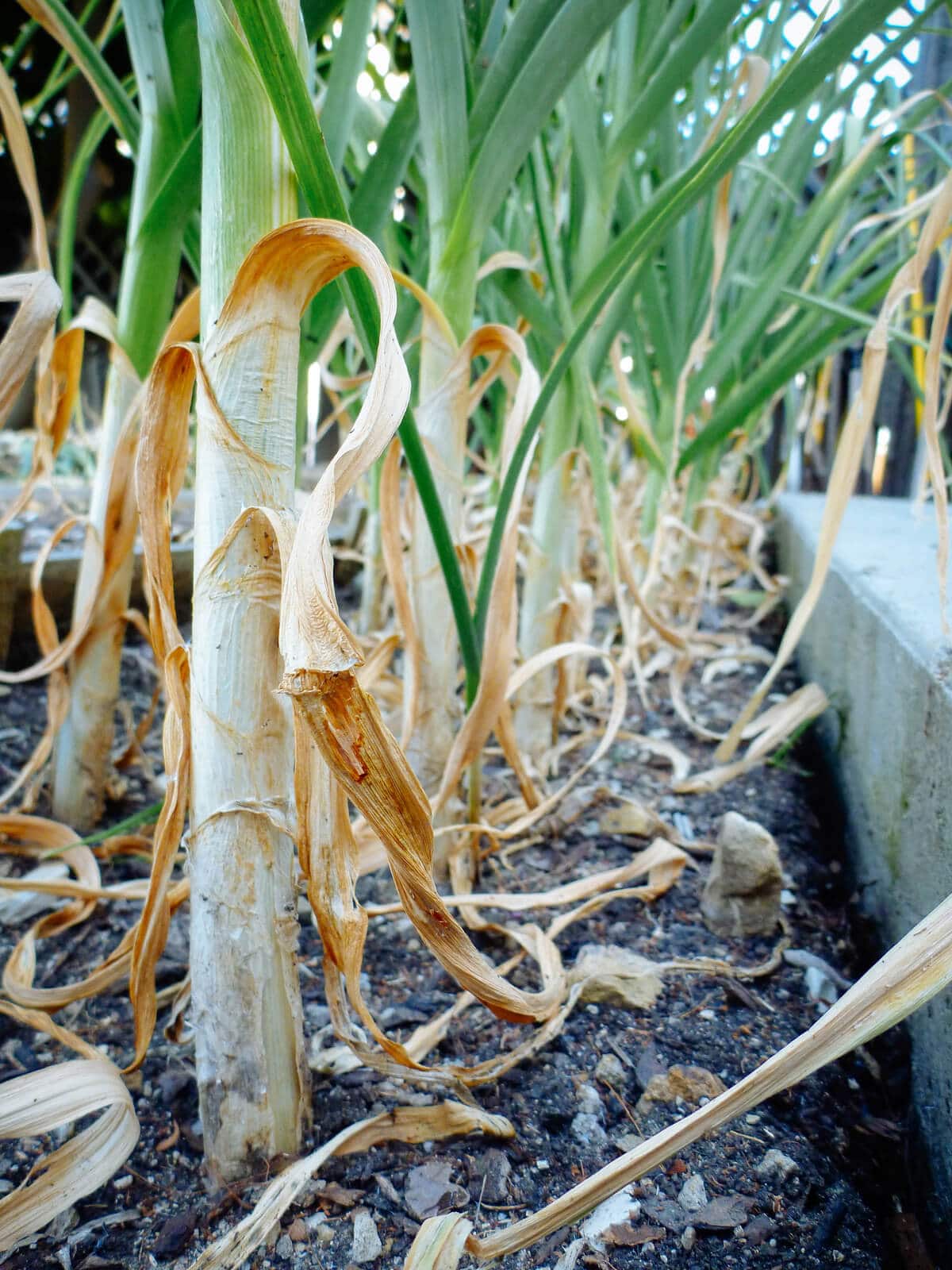
Garlic is typically ready to be harvested in Ontario in late July to early August. The exact timing can depend on several factors, including the variety of garlic, the weather conditions throughout the growing season, and the specific microclimate where the garlic is cultivated. For many growers, the signs of readiness include the yellowing of the lower leaves and the plant beginning to dry out, indicating that the bulbs have matured.
Signs Garlic is Ready to Harvest
The readiness of garlic for harvest can be determined by several visual cues. Growers should watch for the following signs:
- Yellowing Leaves: When the lower leaves start turning yellow, it's a signal that the garlic is nearing maturity.
- Drying Tops: The tops of the garlic plants will begin to dry and fall over, indicating that they are no longer receiving nutrients from the plant.
- Bulb Size: Inspect the bulbs by carefully digging around them; they should feel firm and well-developed.
Types of Garlic Grown in Ontario
Ontario cultivates various types of garlic, each with unique characteristics. Some popular varieties include:
- Hardneck Garlic: Known for its robust flavor, it typically matures earlier and is well-suited for colder climates.
- Softneck Garlic: This variety usually has a longer shelf life and is often preferred for culinary uses.
- Elephant Garlic: A variant that is milder in flavor and produces larger bulbs, often harvested later than regular garlic.
Ideal Conditions for Garlic Harvest
Successful garlic harvesting in Ontario also depends on favorable environmental conditions. Consider the following:
- Soil Type: Well-draining soil with rich organic matter supports healthy bulb development.
- Weather: Consistent rain and warm temperatures during the growing season are optimal for garlic growth.
- Timing: Harvesting too early or too late can affect the quality and storage life of the bulbs.
Post-Harvest Handling of Garlic
Once garlic has been harvested, proper handling is crucial to maintain its quality. Key practices include:
- Drying: Garlic should be dried in a shaded, well-ventilated area to prevent mold growth.
- Trimming: The roots can be trimmed, but the stems should be left long for better curing.
- Storage: Store garlic in a cool, dark, and dry place to maximize its shelf life.
Impact of Climate on Garlic Maturation
The climate of Ontario plays a significant role in the maturation of garlic. Important factors include:
- Temperature: Hot summers can accelerate growth, while cool, wet conditions may delay maturity.
- Frost Risk: Late spring frosts can adversely affect garlic growth; planting timing should take this into account.
- Precipitation: Adequate moisture is essential, but too much rain can lead to bulb rot.
Questions from Our Readers
When is the best time to harvest garlic in Canada?
The best time to harvest garlic in Canada is generally from late July to early August. During this period, the garlic tops begin to turn yellow and dry out, signaling that the bulbs are ready for harvesting. It's essential to monitor the plants closely as the timing may vary depending on the specific climate and growing conditions in your region.
How can I tell if my garlic is ready to be harvested?
To determine if your garlic is ready to be harvested, look for drying leaves and a bulbous shape. Typically, when about one-third to half of the leaves have yellowed and fallen over, it's a good indication that the bulbs have reached their full size and are ready for harvest. Additionally, you can gently dig around the bulbs to check their development without fully uprooting them.
See also:
Should I water garlic before harvesting?
It's advisable to reduce watering as you approach the harvest time, especially in the last couple of weeks. This helps the bulbs to mature properly and reduces the risk of rot during storage. However, ensure that the soil remains somewhat moist but not overly saturated, as garlic needs well-drained conditions to thrive.
How should I store garlic after harvesting?
After harvesting, garlic should be stored in a cool, dry place with good air circulation. The ideal conditions help to prevent mold growth and prolong the shelf life of the bulbs. It's recommended to leave the garlic in mesh bags or braided to ensure ample airflow while keeping them away from direct sunlight.
If you want to read more articles like When to Harvest Garlic in Canada? A Comprehensive Guide for Timing and Techniques, we recommend you check out our Garlic category.
Leave a Reply
Related Articles