Essential Guide: How Many Inches of Soil Do You Need for Garlic? Discover the Perfect Depth for Thriving Garlic Growth
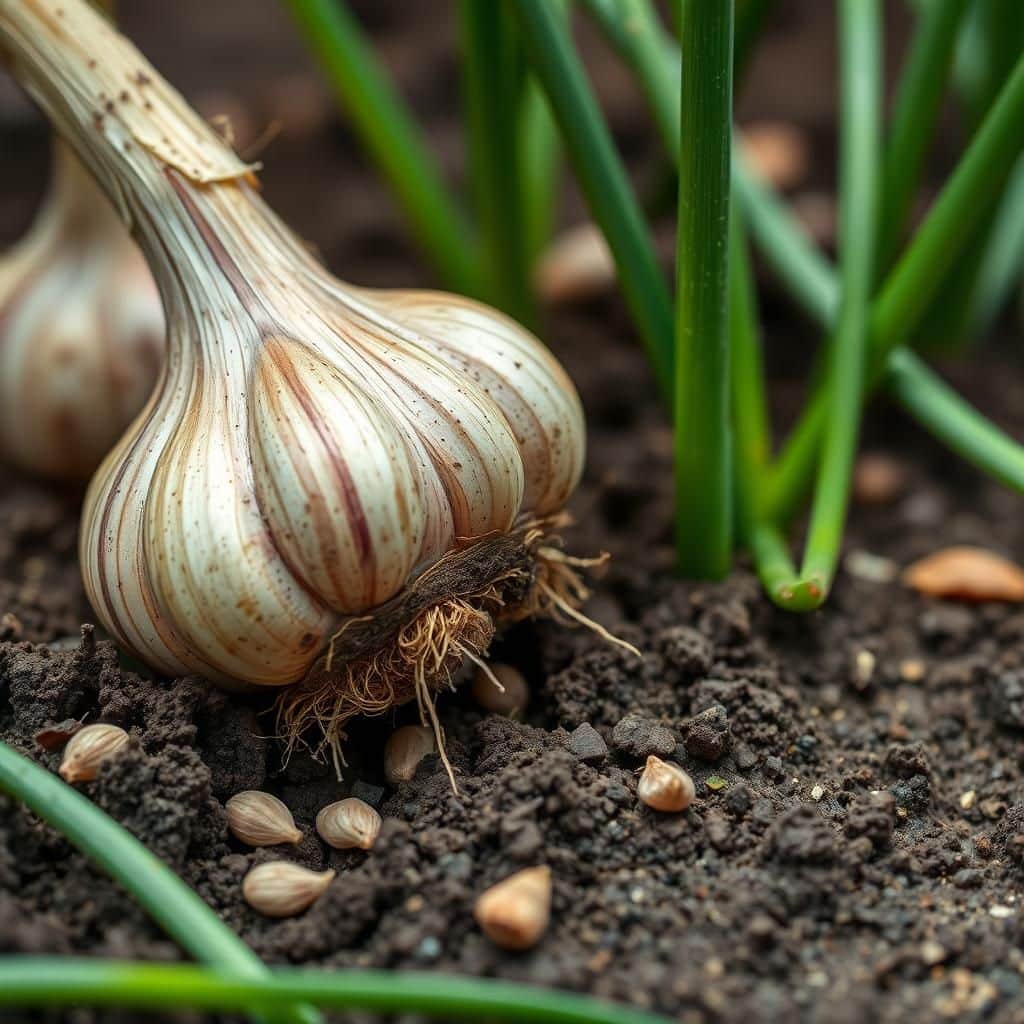
Garlic is a beloved culinary staple, known for its rich flavor and numerous health benefits. However, achieving a bountiful harvest requires more than just planting cloves in the ground. One critical factor that many gardeners overlook is the depth of soil needed for optimal garlic growth. This essential guide will delve into the ideal inches of soil required to ensure your garlic thrives, exploring the impact of soil depth on root development and overall plant health. Whether you're a novice gardener or an experienced green thumb, understanding these requirements will help you cultivate a successful garlic crop.
How Deep Should Soil Be for Garlic?
Garlic requires at least 6 to 8 inches of soil to thrive effectively. This depth provides enough space for the bulbs to develop properly and allows for adequate drainage, which is crucial for preventing rot. Additionally, a well-prepared soil with good texture and nutrients is essential to support the plant's growth. Ensuring that the soil depth meets these requirements is vital for achieving healthy garlic plants and substantial yields.
Importance of Soil Depth for Garlic Growth
The depth of the soil directly impacts the root development of garlic. When the soil is deep enough, it enables the roots to spread out and access moisture and nutrients more efficiently. Shallow soil can lead to stunted growth, as the plants may struggle to anchor themselves or absorb the necessary resources.
Recommended Soil Preparation Techniques
Before planting garlic, it is essential to prepare the soil properly. This includes tilling to loosen the ground, adding organic matter such as compost to enrich the soil, and ensuring that it is free of weeds or debris. Properly prepared soil can enhance the garlic's growth, allowing it to flourish within the 6 to 8 inches depth recommended.
Soil Types Best Suited for Garlic
Garlic grows best in loamy or sandy soils that offer good drainage. Clay soils, while rich in nutrients, can retain too much water, risking the health of the bulbs. Understanding the characteristics of the soil type you are working with can inform your soil amendment strategies and ensure that it meets the necessary depth requirements for optimal garlic cultivation.
Watering Considerations for Garlic
While soil depth is critical, watering practices also play a significant role in garlic health. The goal is to maintain moisture without saturating the soil, as excessive water can lead to bulb rot. It is essential to monitor the soil's moisture levels, especially during dry spells, to ensure the garlic has adequate hydration.
Benefits of Raised Beds for Garlic Cultivation
Using raised beds can be particularly beneficial for garlic since they can provide better drainage and soil temperature management. Raised beds allow for a depth greater than 8 inches if desired, creating an optimal growing environment. They also facilitate easier access for maintenance and harvesting, making them a popular choice among garlic growers.
| Aspect | Recommendation |
|---|---|
| Soil Depth | 6 to 8 inches |
| Soil Type | Loamy or Sandy |
| Watering | Moderate, avoid saturation |
| Preparation Techniques | Tilling and composting |
| Raised Beds | Recommended for improved drainage |
How deep should soil be for garlic?


To grow garlic successfully, the depth of the soil is crucial for optimal root development. Garlic bulbs should be planted at a depth of approximately 2 to 4 inches (5 to 10 cm) below the soil surface. This depth ensures that the bulbs have enough coverage to establish a robust root system while allowing for appropriate drainage and aeration.
The depth can vary depending on several factors, including the type of garlic and soil conditions, but adhering to the 2 to 4 inches guideline typically yields the best results.
Soil Preparation for Garlic Planting
Preparing the soil correctly is vital for the successful growth of garlic. Garlic prefers well-drained, loamy soil that is rich in organic matter. Here are some key steps for soil preparation:
- Test the soil pH to ensure it is between 6.0 and 7.0, as garlic thrives in slightly acidic to neutral conditions.
- Incorporate compost or well-rotted manure into the bed to increase nutrient content.
- Till the soil to a depth of at least 12 inches to enhance aeration and drainage.
Importance of Soil Drainage
Proper drainage is essential for garlic cultivation because excess moisture can lead to bulb rot and other diseases. Therefore, the soil needs to be well-drained. These practices can help ensure good drainage:
- Choose raised beds if your soil tends to retain water.
- Avoid planting garlic in areas where water tends to pool.
- Incorporate materials like sand or perlite to improve soil drainage capabilities.
Mulching Techniques for Garlic
Mulching is a beneficial practice that can help with moisture retention and soil temperature regulation. It can also deter weeds. Here’s how to effectively mulch garlic:
- Apply a layer of organic mulch such as straw or shredded leaves after planting.
- Keep the mulch approximately 2 to 3 inches deep to provide adequate coverage without suffocating the delicate shoots.
- Monitor the moisture levels in the soil under the mulch; adjust as necessary, especially during dry spells.
Timing and Depth Considerations for Planting
The timing of garlic planting is also closely related to the depth at which it is planted. Typically, garlic should be planted in the fall before the ground freezes. Timing should be considered in conjunction with the following:
- Planting too shallow may expose bulbs to cold temperatures.
- Planting too deep can delay emergence in the spring, potentially affecting yield.
- Monitor the local climate and conditions to determine the best planting window for your region.
Monitoring Growth and Adjusting Soil Conditions
Once garlic is planted at the correct depth, it's crucial to monitor its growth. Soil conditions may need adjustments based on environmental changes. Important factors include:
- Regularly check for signs of disease, which can indicate poor soil conditions.
- Be aware of the moisture levels, ensuring the garlic does not get too dry or overly wet.
- Consider supplemental feeding if the plants show signs of nutrient deficiency, which is vital for healthy growth.
How deep should raised beds be for garlic?


To grow garlic successfully in raised beds, the depth of the beds is a key factor. Ideally, raised beds for garlic should be at least 12 to 18 inches (30 to 45 cm) deep. This depth ensures that the garlic bulbs have enough space for their roots to expand and access the nutrients and moisture they require. Here are several points to consider when deciding the depth of your raised beds for garlic cultivation.
Optimal Depth for Root Development
The depth of the raised bed influences the root development of garlic. Garlic plants have shallow root systems, but they can still benefit from deeper soil to support healthy growth.
- Roots generally grow in the top 6 to 12 inches, but having extra depth allows for better nutrient availability.
- A deeper bed can help with better drainage, preventing water from pooling around the bulb.
- Garlic requires a well-aerated soil structure, which is more likely in deeper beds.
Soil Composition and Amendments
The composition of the soil in your raised beds is crucial for growing garlic. Amending the soil can help provide the right nutrients.
- Incorporate well-rotted compost and organic matter to improve soil fertility.
- Adding perlite or sand can improve drainage in the raised bed.
- Test the soil pH to ensure it falls between 6.0 and 7.0, which is ideal for garlic.
Frost Protection and Insulation
A deeper raised bed can also serve to provide frost protection and insulation for garlic bulbs growing in colder climates.
- A depth of at least 12 inches allows the soil temperature to remain more stable.
- Garlic is generally planted in the fall, and a deeper bed protects against freezing temperatures.
- Insulation provided by the soil helps in maintaining moisture levels through winter.
Space Management and Crop Rotation
Planning the depth of your raised bed also impacts space management and future crop rotation strategies.
- A deeper bed can accommodate more plants or crops in subsequent seasons, enhancing yield.
- Properly spaced garlic helps prevent overcrowding, which can lead to disease.
- Following garlic with crops that require similar soil depth can be easier in a well-prepared raised bed.
Maintenance and Ergonomics
The depth of the raised bed also influences maintenance and ease of access for gardeners, which is an essential consideration.
- Caring for plants in a raised bed can be easier if the depth is manageable, often around the waist height.
- Less bending over reduces strain on the back, making gardening more enjoyable.
- Regular maintenance practices such as weeding and harvesting are facilitated by optimal bed depth.
Questions from Our Readers
How deep should the soil be for planting garlic?
To plant garlic effectively, you generally need at least 6 to 8 inches of well-draining soil. This depth helps to ensure that the garlic bulbs have enough space to grow and develop properly while allowing for adequate drainage to prevent rot.
Can garlic grow in shallow soil?
While garlic can tolerate somewhat shallow soil, it is not recommended as the bulbs may not reach their full potential. Aim for a minimum of 4 to 6 inches if necessary, but deeper soil generally results in larger and healthier bulbs.
See also:
What type of soil is best for garlic?
Garlic thrives in loamy or sandy soil with good drainage. A soil depth of 6 to 8 inches enriched with organic matter can improve fertility and moisture retention, which supports healthy garlic growth.
Is it important to test the soil before planting garlic?
Yes, it is highly advisable to test your soil before planting garlic. This will help you understand its pH and nutrient levels, ensuring that garlic receives the right conditions to grow optimally and achieve good yield.

If you want to read more articles like Essential Guide: How Many Inches of Soil Do You Need for Garlic? Discover the Perfect Depth for Thriving Garlic Growth, we recommend you check out our Garlic category.
Leave a Reply
Related Articles