What Happens if You Don't Trim Garlic Scapes? Discover the Risks and Consequences

Garlic scapes, the vibrant green shoots that emerge from garlic plants, are often overlooked by gardeners and chefs alike. While many individuals may be tempted to leave them untrimmed, this decision can lead to several risks and consequences. Not only do untrimmed garlic scapes affect the overall health and yield of the garlic bulbs, but they can also alter the flavor profile of the garlic itself. In this article, we will explore the implications of neglecting to trim garlic scapes, shedding light on the importance of proper maintenance for optimal garlic growth and culinary quality.
Consequences of Not Trimming Garlic Scapes
Neglecting to trim garlic scapes can lead to several adverse effects on both the plant itself and the overall garlic yield. Garlic scapes are the flower stalks that emerge from garlic plants and signify that the garlic is nearing maturity. If left untrimmed, these scapes divert nutrients and energy away from the bulb development, resulting in smaller and less developed cloves. Additionally, untrimmed scapes can grow into tough, woody structures that become unpalatable, diminishing the overall quality of your garlic crop. By removing the scapes, you not only promote larger bulbs but also extend the harvest period of the garlic.
Impact on Garlic Bulb Size
Not trimming garlic scapes can significantly affect the size of the bulbs. When the scapes grow, they consume valuable nutrients that would otherwise go into bulb formation. As a result, the bulbs may remain smaller than their potential size, which can lead to disappointing yields, especially when growing premium garlic varieties.
Effect on Plant Health
Garlic plants that are not pruned of their scapes may experience a decline in overall health. The extra energy spent on flowering can stress the plant, leading to reduced resilience against diseases and pests. A weakened plant may struggle to withstand environmental stresses, reducing its ability to thrive.
Flavor and Texture Changes
Leaving garlic scapes untrimmed also impacts the flavor and texture of the cloves. When garlic devotes energy to flowering, the resulting bulbs may contain fewer flavor compounds, leading to a milder taste. The scapes themselves may turn tough and fibrous, making them unappetizing for culinary uses.
Potential for Increased Pest Infestations
By allowing garlic scapes to grow unchecked, there is a higher chance of attracting pests. Scapes can serve as a beacon for certain insects, which may lay eggs or infest the plant, further harming not only the garlic but potentially other nearby crops. Keeping scapes trimmed can help maintain a healthier garden ecosystem.
Delayed Harvest Time
Finally, failing to trim scapes can delay the harvest of garlic. The longer the scapes are allowed to grow, the longer the plant may take to mature, resulting in a later harvest. This situation can affect the overall planning and scheduling of garden tasks, particularly if you are growing garlic alongside other crops.
| Effect | Potential Outcome |
|---|---|
| Smaller Bulbs | The diverting of nutrients leads to reduced bulb size. |
| Decreased Plant Health | Plants become more vulnerable to diseases and pests. |
| Milder Flavor | Cloves may have less pronounced flavor due to energy diversion. |
| Increased Pest Activity | More pests may infest the garlic due to neglected scapes. |
| Later Harvest | Untrimmed scapes delay the maturity and harvest of garlic. |
What happens if you don't cut off garlic scapes?
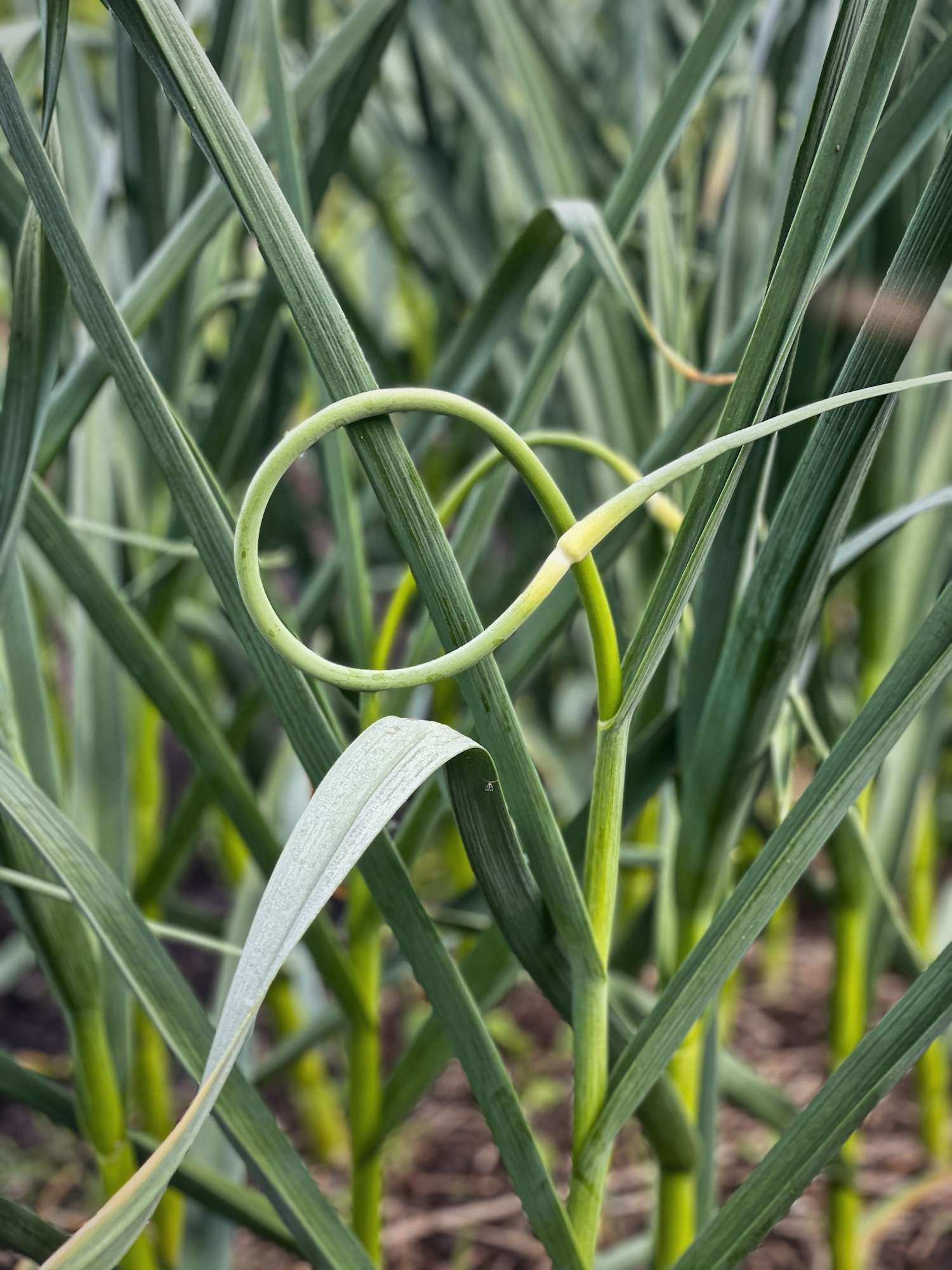
If you don't cut off garlic scapes, several things can happen that affect both the growth of the garlic plant and the overall yield of garlic bulbs. Garlic scapes are the flowering stalks of garlic plants that tend to emerge in late spring or early summer. When left uncut, scapes can divert energy from the garlic bulbs, leading to smaller bulbs and a reduced harvest.
Impact on Garlic Bulb Size
Leaving garlic scapes uncut can significantly impact the size of the garlic bulbs. When the plant focuses its energy on producing flowers and seeds, there is less energy available for bulb development.
See also:
- Energy Allocation: The plant allocates energy to the development of scapes rather than to the formation of larger bulbs.
- Flowering Overhead: Flowering takes precedence, which can slow down the growth of bulbs.
- Harvest Quantity: As a result, the number of large bulbs can decrease, decreasing yield.
Effect on Taste and Quality
Garlic bulbs that develop while scapes are left on may also have a compromised flavor profile. The energy diverted to scapes can reduce the concentration of essential oils responsible for garlic's famous taste.
- Flavor Diminution: The bulbs may taste milder and lack the pungency often associated with freshly harvested garlic.
- Quality Concerns: Lower oil concentration affects overall culinary quality.
- Usefulness: Scapes may seem attractive, but they complicate culinary uses if the bulb isn't flavorful.
Potential for Seed Production
When scapes are not removed, the garlic plant will go through its natural reproductive cycle, leading to seed production. This focus on reproduction can further detract from bulb size and quality.
- Natural Cycle: The plant spends resources on flower and seed production instead of bulb growth.
- Genetic Diversity: While this may promote genetic diversity over generations, in the current growing season, it reduces bulb viability.
- Next Season’s Planting: If seeds are produced, they may lead to the growth of untested varieties, affecting future crops.
Timing for Harvesting
Leaving garlic scapes untrimmed can alter the timing of the harvest. Garlic is usually ready to be harvested when the lower leaves start to yellow, but scapes can change the growth pattern.
- Immature Bulbs: Bulbs may remain immature longer while the plant focuses on flowering.
- Delayed Harvest: Growers might wait longer if they see poor bulb development, affecting future planting schedules.
- Risk of Pests: The longer scapes remain, the higher the risk of pest infestations in the garlic patch.
Influence on Future Planting
Failing to cut scapes can impact future planting efforts. If the current year’s garlic bulbs are smaller or less flavorful, it might influence the choices for next season's planting, impacting overall productivity.
- Seed Quality: Using smaller bulbs for planting can result in stunted growth in subsequent years.
- Variety Selection: Growers may be forced to consider new garlic varieties due to reduced yields.
- Soil Impact: The imbalance in plant growth dynamics can also affect soil health and nutrition in future plantings.
What if my garlic doesn't produce scapes?

If your garlic doesn't produce scapes, there could be several factors at play. Garlic scapes are the flower stalks that emerge from hardneck garlic varieties, and their absence may indicate issues with growth conditions or plant health.
Understanding Garlic Scapes
Garlic scapes are essential for certain garlic varieties, primarily hardneck garlic. They appear in late spring or early summer and can be harvested for culinary uses. When garlic doesn't produce scapes, it may be due to one or more environmental factors:
- Variety Type: Only hardneck varieties produce scapes, while softneck varieties do not.
- Plant Maturity: Immature plants may fail to produce scapes.
- Growing Conditions: Poor sunlight, nutrient deficiencies, or pest pressures can affect scape development.
Possible Causes for Lack of Scapes
Several factors may lead to your garlic not producing scapes, each requiring specific attention:
- Soil Health: Nutrient-deficient soil can hinder growth and scape production.
- Watering Issues: Both under and over-watering can stress the plants and affect scape emergence.
- Temperature: Garlic prefers specific temperature ranges; extreme heat or cold disrupts growth.
Improving Conditions for Garlic Growth
To encourage scape production in garlic, you may want to take the following measures:
- Soil Testing: Conduct a nutrient test and amend the soil based on results.
- Proper Watering: Ensure consistent moisture without waterlogging the plants.
- Pest Control: Monitor for pests and diseases that could be affecting growth.
Potential Benefits of Scapes
Garlic scapes are not only a byproduct but also have multiple uses that can enhance gardening benefits:
See also:
- Culinary Uses: They can be used in various dishes, adding a milder garlic flavor.
- Companion Planting: Scapes may attract beneficial insects to your garden.
- Plant Nutrition: Removing scapes directs energy back to the bulb, potentially improving its size.
Next Steps if Scapes Don't Appear
If you've ensured optimal conditions yet still see no scapes, consider these options:
- Reevaluate Garlic Variety: If consistently growing softneck varieties, consider switching to hardneck.
- Adjust Cultivation Practices: Explore crop rotation and organic amendments to improve soil health.
- Consult Local Experts: Seek advice from local agricultural extensions or experienced garlic growers.
Why do we cut garlic scapes?

Cutting garlic scapes is an important practice for garlic growers, as it directly impacts the growth and quality of the garlic bulbs. Garlic scapes are the flower stalks that emerge from the garlic plant, and they can divert energy away from the bulb development if left to grow. By cutting the scapes, growers encourage the plant to focus its energy on producing bigger and more flavorful bulbs. Additionally, garlic scapes themselves are edible and can be used in various culinary applications, making them a valuable part of the harvest.
Benefits of Cutting Garlic Scapes
Cutting garlic scapes provides several benefits that enhance both the growth of garlic and the culinary experience. Here are key advantages:
- Promotes bulb growth: Removing scapes allows the plant to allocate more resources towards the bulb.
- Improves flavor: Bulbs that have had their scapes removed tend to have a stronger and more concentrated flavor.
- Encourages nutrient absorption: With the scapes removed, the plant can better absorb nutrients from the soil.
Culinary Uses of Garlic Scapes
Garlic scapes are not just removed for the plant's benefit; they are also a delicious ingredient in many dishes. Here are some culinary uses:
- Stir-fries: Garlic scapes add a mild garlic flavor and crunch to stir-fried dishes.
- Pesto: Blending scapes with nuts and oils creates a unique twist on traditional pesto.
- Soups and sauces: Chopped scapes can enhance the flavor profile of soups and sauces, adding depth.
Timing for Cutting Garlic Scapes
The timing of cutting garlic scapes is crucial for maximizing the benefits. Here’s what to consider:
- Watch for flowering: Scapes typically emerge when the garlic is ready to flower, usually in late spring to early summer.
- Cut before curling: It's best to cut the scapes when they are still straight or slightly curled for optimal taste.
- Avoid late cuts: Cutting too late may result in less energy directed toward bulb development.
How to Cut Garlic Scapes
Cutting garlic scapes requires a simple technique for efficiency and effectiveness. Here are some steps to follow:
- Use sharp scissors or pruning shears to make a clean cut.
- Cut just above the base where the scape emerges from the plant.
- Handle with care to avoid damaging the surrounding leaves or bulbs.
Conservation of Garlic Scapes
It is essential to understand the ecological aspects of garlic cultivation when it comes to scapes. Here are some conservation points:
- Encourages biodiversity: By promoting healthier garlic plants, it contributes to a more sustainable agricultural practice.
- Provides habitat: Scapes can attract pollinators and beneficial insects when allowed to flower.
- Waste reduction: Using scapes in cooking reduces waste and maximizes the harvest potential of the garlic plant.
Questions from Our Readers
What happens if you don't trim garlic scapes?
If you don't trim garlic scapes, they can continue to grow and divert energy away from the bulb development, potentially leading to smaller garlic heads. By not cutting them, the plant may prioritize flowering, which is not ideal for bulb production.
Will garlic scapes affect the flavor of the garlic bulbs?
Yes, if garlic scapes are left untrimmed, they can affect the overall flavor of the garlic bulbs, as the plant's energy is focused on producing flowers instead of building a robust underground bulb that has a more intense and desirable flavor profile.
See also:
Can garlic scapes be used in cooking?
Absolutely! Garlic scapes are edible and can be used in various recipes, adding a mild garlic flavor. They can be sautéed, blended into pestos, or used fresh in salads, making them a versatile ingredient in the kitchen.
When is the best time to trim garlic scapes?
The best time to trim garlic scapes is when they are about 10-12 inches long, usually in late spring to early summer. This ensures you capture their peak flavor and texture before they flower, promoting better bulb development.

If you want to read more articles like What Happens if You Don't Trim Garlic Scapes? Discover the Risks and Consequences, we recommend you check out our Garlic category.
Leave a Reply
Related Articles