Do You Put Garlic in the Fridge Before Planting? Essential Tips for Successful Garlic Gardening
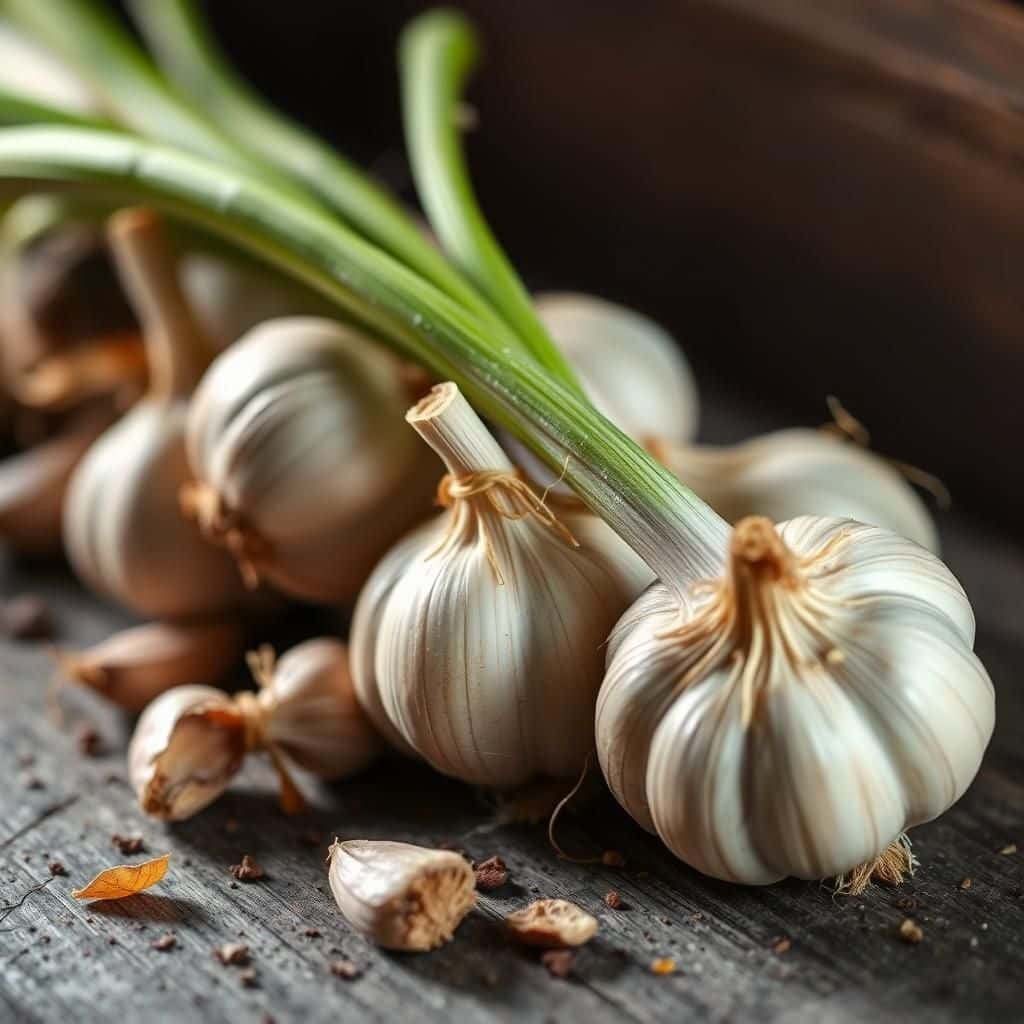
Garlic gardening can be a rewarding venture, but to ensure a successful harvest, it’s crucial to understand the proper handling of garlic bulbs before planting. One common question among both novice and experienced gardeners is whether garlic should be stored in the fridge prior to planting. This article explores essential tips for garlic gardening, including the benefits of refrigeration, the ideal planting conditions, and cultivation techniques. By following these guidelines, you can enhance your chances of growing robust and flavorful garlic, leading to a bountiful and satisfying garden experience.
Do You Put Garlic in the Fridge Before Planting?
When preparing to plant garlic, many gardeners wonder if storing the cloves in the fridge is beneficial. Garlic, being a bulb, requires the right conditions for optimal growth, and chilling the cloves can help simulate the natural winter conditions that trigger sprouting in the spring. However, while storing garlic in the fridge for a short period can help break dormancy, it is crucial not to keep them there for too long as excess moisture can lead to mold and rot, ultimately harming the cloves. Instead, a cool, dry, and dark environment is preferred, but a brief stint in the fridge before planting can aid in producing a more robust harvest.
Benefits of Refrigerating Garlic Before Planting
Refrigerating garlic before planting can provide several advantages, such as enhancing the germination process. The cold treatment mimics winter conditions that garlic typically experiences in nature, effectively breaking its dormancy period. This can lead to earlier sprouting and potentially a higher yield when planted in the spring. Additionally, the stress induced by the cold can lead to stronger and more resilient plants, ensuring better growth throughout the season.
How Long Should Garlic Be Refrigerated?
It is recommended to refrigerate garlic cloves for about 2-4 weeks prior to planting. Keeping them in the fridge for this timeframe helps achieve the necessary chilling effect without risking the potential issues of excessive moisture that can lead to decay. It is essential to place the garlic in a paper bag or keep it loose to allow for proper air circulation within the fridge, thus minimizing the risk of mold development.
Effects of Excessive Refrigeration
While refrigeration can be beneficial up to a point, excessive cooling beyond the recommended duration can lead to several adverse effects. Extended exposure to low temperatures may cause the garlic cloves to dehydrate and lose their vitality, which can result in poor sprouting and low yields. Moreover, the cloves may start to sprout prematurely or become soft and mushy, indicating spoilage. Therefore, it's essential to monitor the storage conditions closely to ensure optimal health of the garlic.
See also:
Alternative Storage Methods for Garlic
If refrigeration is not an option, several alternative storage methods can be employed to prepare garlic for planting. Storing garlic in a cool, dark, and dry area allows for proper air circulation and prevents moisture buildup that could promote mold growth. Utilizing mesh bags or baskets can facilitate airflow around the cloves, preserving their integrity until the time comes for planting. Additionally, garlic can be left in the ground over winter in regions with mild climates, allowing it to undergo natural vernalization without refrigeration.
Best Practices After Refrigeration
After removing garlic from the fridge, it is important to let the cloves acclimate to room temperature before planting them in the soil. This gradual adjustment helps reduce shock to the cloves and promotes better overall growth. It is also advisable to inspect each clove for any signs of damage or rot before planting, ensuring that only the healthiest garlic is used. Finally, introducing them into well-prepared soil with adequate drainage will enhance their chances of successful growth, leading to a robust harvest.
| Process | Duration | Storage Method | Result |
|---|---|---|---|
| Refrigerate garlic | 2-4 weeks | Paper bag or loose | Enhanced germination |
| Excessive refrigeration | More than 4 weeks | Sealed or moist environment | Dehydration and spoilage |
| Alternative storage | Indefinite until planting | Cool, dark, dry place | Maintain clove health |
| Acclimate after refrigeration | 1-2 days | Room temperature | Reduce shock |
The Importance of Prepping Garlic for Planting
Preparing garlic before planting is a critical step that can significantly enhance your success in garlic gardening. Many gardeners wonder whether to store garlic in the fridge prior to planting, and the answer often depends on the climate and planting time. Storing garlic bulbs in a cool, dry place can help prevent them from sprouting prematurely, while refrigeration may help mimic the vernalization process that many garlic varieties require. This cooling period can prepare the bulbs for the growth they need once planted, fostering a healthier and more abundant harvest. Timing and preparation play key roles in ensuring robust growth and maximizing your yield, making pre-planting care an essential aspect of successful garlic cultivation.
Understanding the Process of Vernalization
Vernalization is a crucial process where bulbs or seeds undergo a period of cold exposure to trigger growth. In garlic, this can lead to a more vigorous development of shoots and an improved bulb formation. For gardening enthusiasts, understanding this concept is essential, as it informs decisions on whether to refrigerate their garlic before planting. Properly vernalized garlic tends to yield dense and well-formed bulbs, enhancing the overall success of the gardening endeavor.
Choosing the Right Garlic Varieties
Different garlic varieties have unique requirements when it comes to planting and care. Hardneck and softneck garlic types respond differently to cold treatments. Hardneck varieties, for example, generally benefit more from vernalization as they thrive in cooler climates, while softneck types tend to perform better in moderate conditions. Understanding these variations is vital for gardeners looking to select the most appropriate varieties for their specific growing conditions and climates.
See also:
Best Practices for Storing Garlic Bulbs
Proper storage of garlic bulbs can dramatically affect their pre-planting condition. Ideally, garlic should be kept in a dry, well-ventilated space away from moisture to prevent mold or decay. If choosing to refrigerate garlic, make sure to place it in a paper bag to allow for airflow while maintaining cooler temperatures. This storage method can prolong the life of the bulbs and prepare them adequately for eventual planting. Following these best practices helps ensure that gardeners start with high-quality bulbs.
Signs Your Garlic Is Ready to Plant
Recognizing when garlic bulbs are ready for planting is essential for achieving the best results. Ideal planting bulbs are usually firm, with no signs of softness or mold, and they should exhibit healthy, intact cloves. A good rule of thumb is to check the cloves for sprouts; if they are beginning to sprout, it's a suitable time for planting. Gardeners should also consider the timing of their local planting season; typically, garlic is planted in fall to promote a beneficial growth cycle leading into spring.
Tips for Successful Garlic Harvesting
Harvesting garlic at the right time is crucial for achieving optimal yields. Garlic is typically ready to harvest when the lower leaves begin to yellow and wilt, signaling that the bulbs have reached their full maturity. Delaying the harvest can lead to over-ripening, which may result in cloves splitting or decay. Careful monitoring of the plants leading up to the harvest date, along with proper handling during the extraction process, can significantly improve the quality and storage lifespan of the garlic bulbs.
Questions from Our Readers
Do you put garlic in the fridge before planting?
It's not necessary to put garlic in the fridge before planting, but some gardeners choose to do so to simulate cold stratification, which can encourage better root development.
Why would you refrigerate garlic before planting?
Refrigerating garlic before planting can help to break dormancy and promote the formation of strong roots and higher yields. This process mimics winter conditions, which garlic naturally experiences when planted in the fall.
See also:
How long should garlic be refrigerated before planting?
If you decide to refrigerate garlic, it's recommended to do so for about 2 to 8 weeks, allowing it enough time to adjust to the cool conditions, which can enhance its growth when planted in the spring.
Can storing garlic in the fridge affect its flavor?
Storing garlic in the fridge should not significantly affect its flavor; however, prolonged storage in a damp environment can lead to mold or sprouting, which might alter its taste and overall quality.

If you want to read more articles like Do You Put Garlic in the Fridge Before Planting? Essential Tips for Successful Garlic Gardening, we recommend you check out our Garlic category.
Leave a Reply
Related Articles