Should I Cover My Garlic Over Winter? Essential Tips for Winter Garlic Care

As winter approaches, garlic growers often face the important question of whether to provide extra protection for their crops. Covering garlic during the colder months can significantly impact its growth and health, ensuring a robust harvest in the spring. This article delves into essential tips for winter garlic care, including the benefits of overwintering techniques, suitable materials for covering, and the ideal timing for implementation. Whether you're a seasoned gardener or new to garlic cultivation, understanding how to safeguard this hardy yet vulnerable plant can enhance your gardening success and yield flavorful results come harvest time.
Should I Cover My Garlic Over Winter?
Covering your garlic during the winter months can be a beneficial practice, especially in regions with harsh winters. By adding a layer of mulch or other protective materials, you can help maintain soil temperature, prevent freeze-thaw cycles, and reduce the risk of erosion. This protection keeps the garlic bulbs insulated and encourages vigorous growth in the following spring. The decision to cover your garlic often depends on your local climate, so it's essential to consider regional weather patterns and your specific gardening needs when deciding on the best approach.
Benefits of Covering Garlic
Covering garlic in winter provides several benefits, including temperature regulation, moisture retention, and protection from heavy frost. A layer of mulch helps keep the soil temperature consistent, which is crucial for the bulbs' development. Additionally, it retains moisture, ensuring that the garlic has the necessary water it needs to encourage healthy growth when spring arrives.
Types of Mulch for Garlic
When selecting a mulch for your winter garlic, consider options such as straw, shredded leaves, or compost. Each type has its advantages: straw is lightweight and provides excellent insulation, while shredded leaves decompose over time, adding nutrients to the soil. Compost not only insulates but also enriches the soil, supporting the garlic's growth as it breaks down.
Timing for Covering Garlic
The best time to cover your garlic is after the first few frosts have arrived in autumn but before the ground freezes completely. This timing allows you to protect the bulbs while still taking advantage of the natural cooling process that prepares them for dormancy. Covering too early could lead to excess moisture and potential rot, while waiting too long might expose them to harsh conditions.
When Not to Cover Garlic
In certain mild climates, it might not be necessary to cover garlic over winter. Areas with consistently warm winters may benefit from leaving garlic uncovered to allow for proper air circulation and to prevent mold growth. Additionally, if your garlic is planted in well-draining soil or in elevated areas, covering might increase the risk of excess moisture retention, which can be detrimental.
Signs That Garlic Needs Covering
Look for specific indicators that suggest your garlic may need winter coverage. If the soil has been particularly wet or if winter temperatures drop significantly, your garlic will benefit from additional protection. Symptoms such as visible frost damage or soil erosion around the plants can also be indicators that your garlic would thrive better under cover during the cold months.
| Benefit | Description |
|---|---|
| Temperature Regulation | Keeps soil temperature consistent. |
| Moisture Retention | Prevents water loss during dry spells. |
| Frost Protection | Safeguards against heavy frost. |
| Nutrient Addition | Decomposing mulch adds nutrients to the soil. |
| Soil Erosion Prevention | Reduces the risk of soil erosion during winter storms. |
Does garlic need to be covered in winter?

Garlic is a popular crop grown for its culinary and medicinal uses, and understanding its care during the winter months is crucial for a successful harvest. When it comes to whether garlic needs to be covered in winter, the answer largely depends on the climate and specific growing conditions.
Garlic is typically planted in the fall, allowing it to establish roots before the ground freezes. In regions with mild winters, garlic often does not require additional covering. However, in areas subject to harsh winters with extreme cold, covering garlic can be beneficial to protect it from frost and freeze-thaw cycles.
Benefits of Covering Garlic in Winter
Covering garlic during the winter months provides several benefits, especially in colder climates. Here are some advantages of protection:
- Frost Protection: A layer of mulch or protective covering can shield garlic cloves from severe frost, which can damage or kill young plants.
- Moisture Retention: Covering helps retain soil moisture, preventing the bulbs from drying out during cold, windy conditions.
- Weed Suppression: A cover can prevent weeds from establishing in the garlic bed, reducing competition for nutrients and space.
Types of Covering Materials
When it comes to covering garlic in winter, various materials can be used effectively. Here are some options:
- Pine Mulch: This organic material is excellent for insulation and breaks down over time, enriching the soil.
- Straw: A common choice, straw provides excellent insulation and can be easily removed in the spring.
- Row Covers: Floating row covers can protect garlic from frost while allowing light and moisture to reach the plants.
How to Properly Cover Garlic
Properly covering garlic requires a few key steps for maximum effectiveness:
- Timing: Cover garlic before the first hard frost to provide protection as temperatures drop.
- Layering: Apply a 2-4 inch layer of your chosen material to ensure adequate insulation without smothering the plants.
- Monitoring: Check the covering periodically for issues like mold or pests and remove it once the threat of frost has passed in spring.
Signs of Garlic Needing Coverage
Observing your garlic plants can give clues regarding their need for covering during winter. Look for these signs:
- Localized Frost Damage: If you notice browning or withering leaves due to frost, it could indicate a need for covering.
- Exposed Soil: If the soil around the garlic plants becomes too dry or visible, covering can help retain moisture.
- Increased Weeds: The presence of weeds may signify the need for mulch or covering to prevent competition.
When to Remove Garlic Coverings
Timing the removal of coverings is important for the growth and health of garlic. Here’s what to consider:
See also:
- After Last Frost: Remove coverings after the last expected frost to allow garlic to receive sunlight.
- Soil Temperature: Ensure the soil has warmed up to support growth before taking off protective layers.
- Growth Observation: Monitor the garlic plants for signs of growth; if you see new shoots, it’s time to remove the cover.
When should you cover garlic?
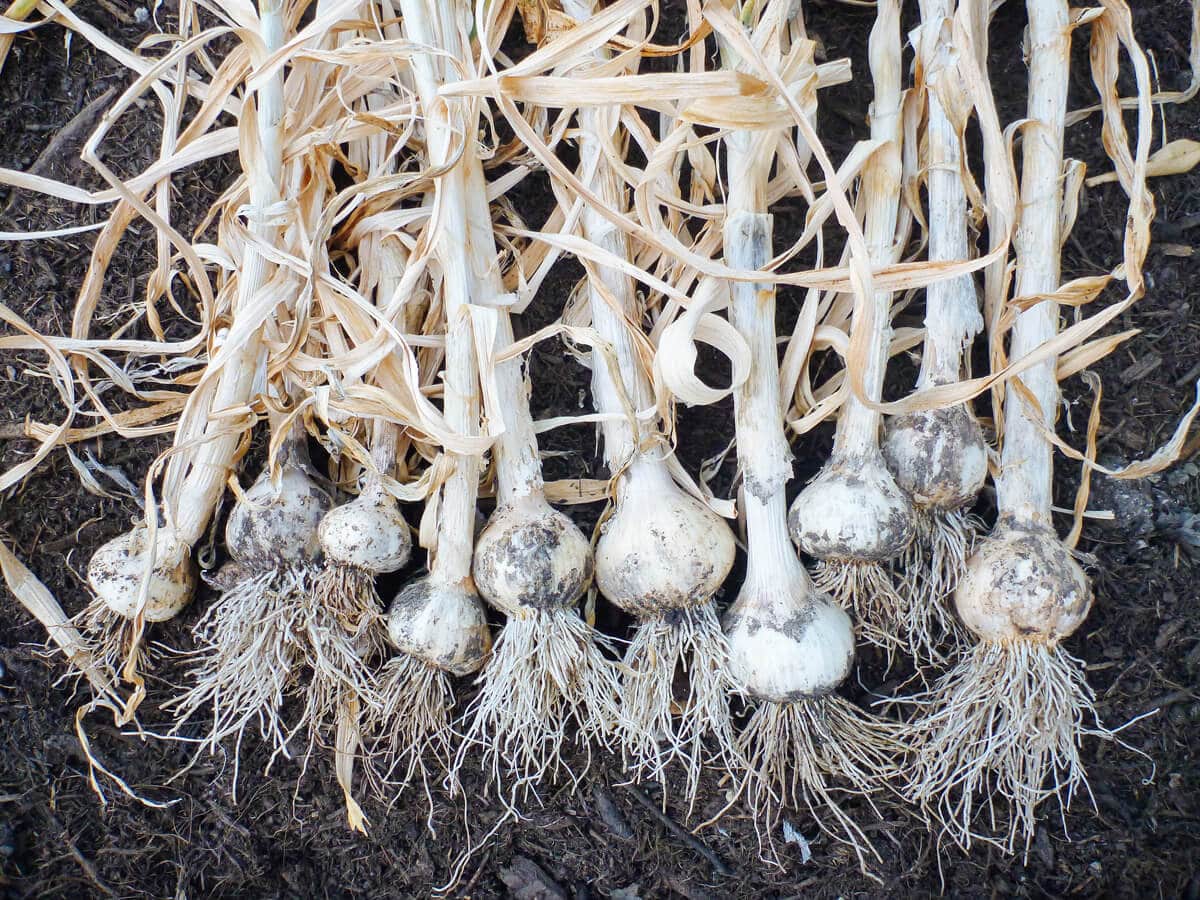
When growing garlic, the decision of whether to cover it depends on the growth stage and environmental conditions. Here are key moments when you should consider covering garlic:
1. Winter Protection: If you are planting garlic in the fall before winter, it's essential to cover it with mulch or straw to protect it from extreme cold and freeze-thaw cycles. This helps to insulate the bulbs and encourages a healthy growth environment.
2. Pest Deterrent: During the growing season, covering garlic can help deter pests from accessing the plants. A layer of organic mulch can prevent some insect issues and discourage weeds, allowing garlic to flourish without competition for nutrients.
3. Moisture Retention: Covering garlic with mulch can help retain soil moisture. This is particularly important in dry spells, as garlic requires consistent moisture for optimal growth. Mulching aids in reducing evaporation and keeps the roots hydrated.
4. Fungal Disease Prevention: If your garlic is in an area prone to fungal diseases, covering it can assist in preventing disease spread. By using organic materials as a cover, you can create a barrier that minimizes ground splash during rain, which helps reduce fungal spores reaching the plants.
5. Sun Protection: In regions with intense sun, covering the soil around garlic can help moderate soil temperature and protect the bulbs from excessive heat, particularly in the late stages of growth.
Winter Protection
Covering garlic during winter is crucial due to the potential for harsh weather conditions. This cover, often made of straw or mulch, serves multiple purposes:
- Insulation against cold temperatures
- Protection from freeze-thaw cycles that can disturb soil
- Maintains soil structure and moisture
Pest Deterrent
Using a cover for garlic helps create a less favorable environment for pests. The cover acts as a barrier and can lead to fewer insect problems.
- Prevents insects from accessing bulbs directly
- Reduces the likelihood of weed competition
- Promotes a healthier growing environment
Moisture Retention
Mulching garlic not only protects it but also plays a vital role in moisture retention. This is especially useful in areas with low rainfall.
- Reduces evaporation from the soil surface
- Keeps roots hydrated during dry spells
- Encourages consistent growth patterns
Fungal Disease Prevention
Covering garlic can significantly help mitigate the risk of fungal diseases that thrive in wet conditions. The right cover can minimize the risk considerably.
- Decreases the chance of pathogen spread from soil
- Blocks water splashes that may carry spores
- Helps maintain a drier microclimate
Sun Protection
Intense sunlight can stress garlic plants, making a cover beneficial to regulate temperatures. A protective layer can ensure optimal growth.
- Milds soil temperatures during hot weather
- Reduces heat stress on developing bulbs
- Promotes overall bulb development
Can garlic be left over in winter?

Garlic can indeed be left over in winter, but its storage conditions are crucial to maintaining its quality and flavor. If garlic is not stored properly, it can spoil, dry out, or lose potency. Here are some guidelines for storing garlic during the winter months.
Proper Storage Conditions
To ensure that garlic remains fresh throughout the winter, it is essential to provide the right storage environment.
See also:
- Cool Temperature: Garlic should be stored in a cool, dry place, ideally between 60°F and 65°F (15°C to 18°C).
- Low Humidity: High humidity can promote mold growth. A dry environment is crucial to prevent sprouting.
- Avoid Sunlight: Exposure to light can cause garlic to sprout, reducing its shelf life.
Choosing the Right Type of Garlic
Different types of garlic have varying shelf lives. This makes it important to choose the right variety for winter storage.
- Hardneck Garlic: Typically has a shorter shelf life of about 4-6 months but offers a stronger flavor.
- Softneck Garlic: Can be stored far longer, often up to 12 months, making it a better option for winter.
- Storage Garlic: Choose varieties bred specifically for storage, such as ‘Spanish Roja’ or ‘Silverskin’.
Signs of Spoilage
While storing garlic through winter, it’s crucial to recognize the signs of spoilage to prevent using bad bulbs.
- Mold: Appearance of mold on the outer layers indicates improper storage.
- Sprouting: While sprouted garlic is still edible, it may have a bitter taste.
- Softness: If garlic bulbs feel soft or spongy, they have likely gone bad.
Using Leftover Garlic
Leftover garlic can still be utilized creatively even when it reaches the end of its shelf life.
- Cooking: Use garlic in soups, stir-fries, or roasted dishes to enhance flavors.
- Preserving: Consider making garlic-infused oil or pickling it to extend its usability.
- Growing: Sprouted garlic cloves can be planted to grow new bulbs for your garden.
Best Practices for Long-term Storage
To maximize the lifespan of garlic during the winter, follow these best practices.
- Keep it Whole: Avoid separating cloves until you are ready to use them, as whole bulbs store better.
- Use Breathable Containers: Store garlic in mesh bags or paper to allow airflow and prevent moisture accumulation.
- Avoid Refrigeration: Storing garlic in the fridge can make it sprout prematurely; keep it at room temperature.
What is the best winter cover for garlic?

The best winter cover for garlic plays a crucial role in ensuring healthy growth and a successful harvest. Garlic is a hardy plant but requires protection from extreme cold and harsh weather conditions during the winter months. The right type of winter cover can significantly enhance garlic’s resilience. Here are some of the most effective options:
1. Straw Mulch
Straw mulch is one of the most popular choices for protecting garlic during winter. This covering consists of dried straw laid over the garlic beds, providing insulation against low temperatures and helping to retain moisture. Additionally, it helps suppress weeds that can compete with garlic for nutrients.
- Insulation: Straw creates a buffer against freezing temperatures.
- Moisture Retention: It aids in maintaining soil moisture levels.
- Weed Suppression: Reduces competition from unwanted plants.
2. Leaves and Leaf Mold
Using leaves or leaf mold as winter cover for garlic can offer excellent protection while adding organic matter to the soil as it decomposes. This option is both economical and sustainable, providing a natural layer that keeps garlic safe from severe weather.
- Natural Material: Leaves are readily available and eco-friendly.
- Soil Improvement: Decomposing leaves enrich the soil with nutrients.
- Effective Thermal Insulation: Provides adequate insulation against frost.
3. Row Covers
Row covers, made of fabric or plastic, can serve as another effective winter cover for garlic. These covers protect plants from frost while allowing light and moisture to penetrate. They can be particularly beneficial in regions with heavy snowfall or severe winter conditions.
- Frost Protection: Shields plants from freezing temperatures.
- Light Penetration: Allows sunlight to reach the plants.
- Moisture Retention: Helps maintain humidity around the plants.
4. Wood Chips or Bark Mulch
Wood chips or bark mulch can be an effective cover for garlic during winter months. These materials break down slowly, offering long-lasting protection and improving soil structure over time. They also create a barrier against severe weather.
- Slow Decomposition: Provides long-term coverage.
- Soil Structure Improvement: Enhances soil aeration.
- Weather Protection: Acts as a barrier against cold and moisture extremes.
5. Compost
Applying compost as a winter cover for garlic not only warms the soil but also enriches it with essential nutrients. This option can help fortify the garlic plants against winter stress and promote healthier growth in the spring.
- Nutrient-Rich: Provides essential nutrients to the garlic.
- Soil Warmth: Helps maintain a warmer soil temperature.
- Organic Matter: Improves soil fertility as it breaks down.
Questions from Our Readers
Should I cover my garlic plants during winter?
Yes, covering your garlic plants during winter can provide essential protection against severe cold and frost damage. Using materials such as straw or mulch helps insulate the soil and maintain a consistent temperature, which is crucial for healthy growth in spring.
What should I use to cover my garlic for winter?
You can use various materials to cover your garlic, including straw, leaves, or mulch. These materials not only protect the plants from harsh winter conditions but also help retain soil moisture and suppress weeds.
When should I apply the cover over my garlic?
The ideal time to apply the cover is in late fall, before the first hard frost hits. This timing ensures that the garlic is well insulated and ready to withstand the colder months without interruption to its growth cycle.
Can covering garlic in winter affect its growth?
Yes, appropriate covering can positively affect garlic growth by preventing freezing and thawing cycles that can disrupt the roots. A well-covered garlic bed generally results in stronger and more vigorous plants when spring arrives.
See also:

If you want to read more articles like Should I Cover My Garlic Over Winter? Essential Tips for Winter Garlic Care, we recommend you check out our Garlic category.
Leave a Reply
Related Articles