What Not to Plant Garlic Around? Essential Tips for Successful Gardening
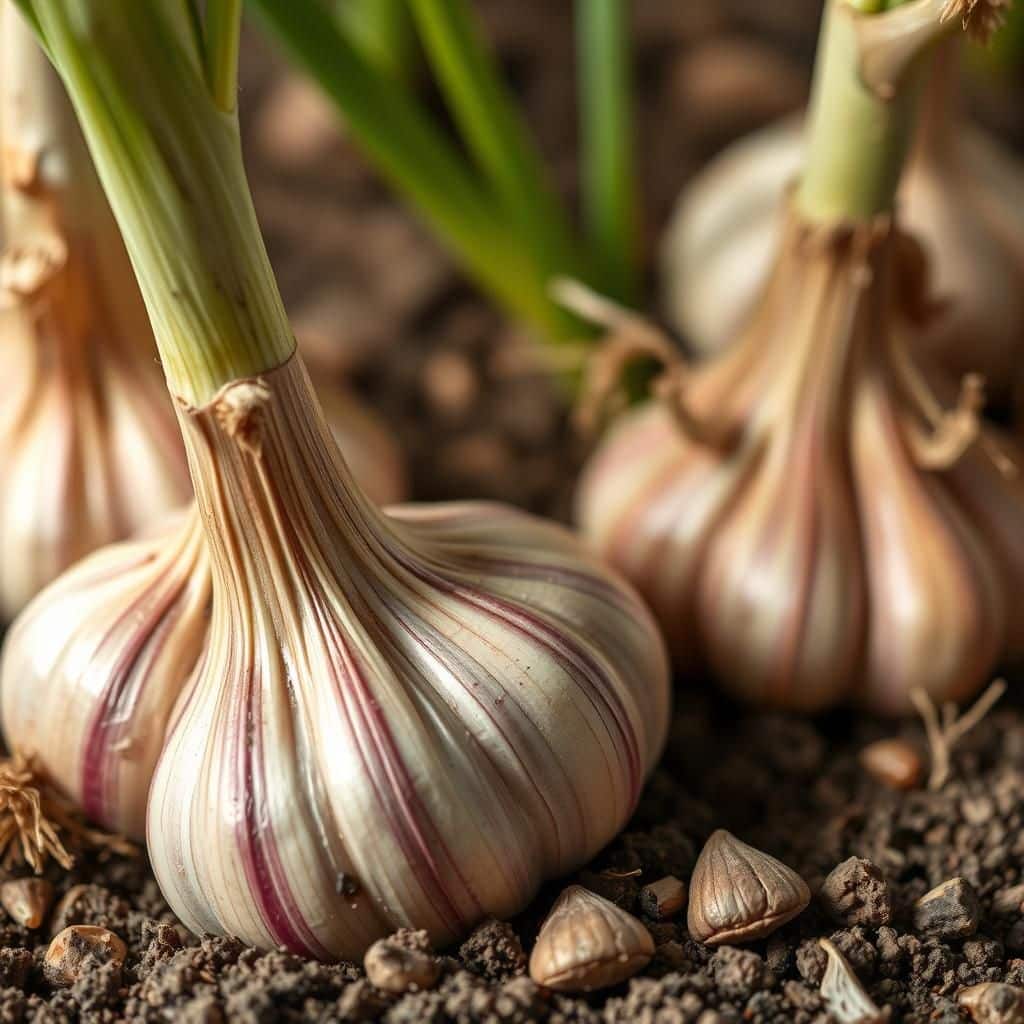
Garlic is a popular and versatile addition to gardens, known for its flavor and health benefits. However, not all plants are suitable companions for garlic. Certain vegetables and herbs can hinder its growth or diminish its flavor, resulting in a less successful harvest. Understanding which plants to avoid will ensure that your garlic thrives and produces the best yield possible. In this article, we'll explore essential tips on what not to plant around garlic, helping you create a harmonious and productive garden environment that maximizes the growth potential of this beloved bulb.
What Not to Plant Garlic Around?
Garlic is a versatile and popular crop in home gardens, but it is crucial to be aware of plants that may not thrive when planted nearby. Certain plants can hinder the growth of garlic or be adversely affected by its presence. For example, garlic is known to inhibit the growth of peas and beans due to their similar nutrient requirements and the presence of certain chemicals that garlic releases into the soil. Additionally, plants like strawberries and potatoes may also struggle when planted too close to garlic, as they may compete for similar nutrients and may be susceptible to pests attracted by garlic. Therefore, it is essential to consider the compatibility of surrounding plants to ensure a healthy and productive garden.
Incompatible Plants
Garlic should not be planted near peas and beans, as they can suffer from stunted growth and reduced yields. The compounds released by garlic can inhibit the development of these legumes, leading to poor performance in the garden. It is advisable to provide adequate spacing and consider growing them in separate areas to avoid these negative interactions for optimal plant health.
Impact on Strawberries
When planting strawberries near garlic, gardeners may encounter issues related to pest attraction and competition for nutrients. Garlic can attract certain pests that may not only damage the garlic but can also harm strawberry plants. To ensure the wellbeing of strawberries, it is recommended to keep them at a safe distance from garlic to avoid these challenges and promote healthy fruit production.
Potato Proximity Issues
Garlic and potatoes can have a problematic relationship when planted close together. Garlic has the potential to stunt the growth of potato plants due to nutrient competition and allelopathic effects. This means that garlic can release chemical compounds that suppress potato development, so it is best to separate these crops to promote healthy yields from each plant.
See also:
Preventing Fungal Diseases
Planting garlic near asparagus can lead to an increased risk of fungal diseases affecting the asparagus due to the chemical properties of garlic. While garlic is known to repel certain pests, its proximity may inadvertently create favorable conditions for pathogens that might affect asparagus health. Maintaining distance between these crops can reduce disease transmission risks and support healthy growth.
Minimizing Pest Attraction with Distance
Certain plants, such as rhubarb and various types of fruiting plants, can be attracted to the pests that garlic can draw in. This might lead to increased pest populations that could affect both garlic and the neighboring plants. Keeping a safe distance between garlic and these crops can help minimize pest issues and ensure a more productive garden overall.
| Plant | Impact of Garlic |
|---|---|
| Peas | Inhibited growth |
| Beans | Reduced yields |
| Strawberries | Pest attraction |
| Potatoes | Growth stunting |
| Asparagus | Increased disease risk |
Understanding Companion Planting: What to Avoid When Growing Garlic
When it comes to growing garlic, knowing what to avoid planting nearby is crucial for optimal growth and flavor. Garlic is a unique herb that can influence the growth of certain nearby plants due to its strong volatile oils. For instance, planting garlic near legumes can stunt their growth and cause them to produce fewer fruits. Additionally, certain varieties of onions can also compete with garlic for nutrients, which may lead to a less fruitful garden. Therefore, understanding the dynamics of companion planting can help ensure that your garlic thrives while coexisting peacefully with other plants.
Plants That Deter Garlic Growth
Certain plants, including peas and beans, should be avoided when planting garlic, as they may struggle to establish themselves in the same beds. This is mainly due to garlic's antibacterial properties, which can inhibit the growth of these legumes. The proximity can lead to poorer yields, making it essential for gardeners to plan their garden layouts accordingly to avoid such conflicts.
Herbs That Clash with Garlic
When selecting herb companions for garlic, it's vital to stay clear of herbs like chives and leeks. These plants are from the same Allium family and can lead to competition for resources, resulting in diminished health for both plants. In particular, chives can carry specific diseases that could affect garlic if planted in close proximity. Thus, diversifying your herb garden while keeping garlic isolated will provide a more successful gardening experience.
See also:
Vegetables Not to Plant Near Garlic
Garlic should also not be planted near potatoes and beets, as these root vegetables can be adversely affected by garlic's growth inhibitors. The chemicals released by garlic can lead to reduced tuber development, adversely impacting the yield of both crops. To maximize your garden's productivity, it is wise to create spacing between garlic and these heavy-feeders to ensure optimal growth for both parties.
Companion Flowers to Avoid
While many flowers can thrive alongside garlic, certain varieties, such as lilies, may not be beneficial when planted in close proximity. The presence of garlic can diminish the blooming potential of lilies due to the strong scents and chemicals emitted by garlic. Therefore, utilizing a careful selection of companion flowers will aid in maintaining the health and vitality of your overall garden.
Understanding Plant Compatibility
Understanding plant compatibility is key when planning your garlic garden. Some plants may flourish together, while others can inhibit each other’s growth. For example, garlic thrives well with carrots and spinach, but knowing which plants to keep at a distance can enhance your gardening results significantly. Familiarizing yourself with plant interactions in your garden will allow you to cultivate a healthy and productive growing environment.
Questions from Our Readers
What plants should you avoid planting near garlic?
Garlic should not be planted near peas, beans, or other members of the legume family. These plants can hinder garlic growth due to their different nutrient requirements and can also attract pests that may affect garlic.
Can garlic be planted with fruit trees?
It is generally advised not to plant garlic too close to fruit trees like apple or pear. The strong scent of garlic may confuse pollinators and negatively impact the fruit yield or flavor of these trees.
See also:
What herbs are incompatible with garlic?
Garlic does not pair well with certain herbs such as sage, rosemary, and basil. These herbs may compete for resources and can also have different pest attraction, which could lead to issues with garlic health.
Are there any vegetables that shouldn’t be near garlic?
Garlic should be kept away from onions, as they share similar nutrient requirements and may compete for space and nutrients in the soil, potentially leading to reduced growth for both plants.

If you want to read more articles like What Not to Plant Garlic Around? Essential Tips for Successful Gardening, we recommend you check out our Garlic category.
Leave a Reply
Related Articles