Are Egg Shells Good for Garlic? Discover the Benefits and Tips for Use

Eggshells are often discarded after a meal, but did you know they can be beneficial for your garden? When it comes to growing garlic, eggshells can play a surprising role in enhancing plant health. Rich in calcium and other minerals, these natural remnants can improve soil quality and deter pests. In this article, we’ll explore the benefits of using eggshells for garlic cultivation, along with practical tips on how to incorporate them into your gardening routine. Discover how this simple kitchen byproduct can contribute to a thriving garlic crop and minimize waste in your home.
Are Egg Shells Beneficial for Garlic Cultivation?
Using egg shells in garlic cultivation can provide various benefits, as they are rich in calcium carbonate, which can help improve soil structure and nutrient availability. When crushed and added to the soil, these shells can enhance drainage and support the development of healthy root systems in garlic plants. Additionally, they can act as a natural pest deterrent, as the sharp edges may discourage soft-bodied insects. It is important, however, to properly prepare the egg shells by washing and crushing them before application to ensure that they do not introduce harmful bacteria or pathogens into the garden.
Nutritional Value of Egg Shells
Egg shells are composed largely of calcium carbonate, which is essential for plant growth and development. The addition of crushed egg shells to the soil can provide a slow-release source of calcium that helps strengthen cell walls and promotes strong root growth in garlic plants. This nutrient is particularly important during the growing season, as it aids in the overall health and resilience of the plants against diseases.
Improving Soil Structure
Crushed egg shells can improve soil structure by enhancing aeration and drainage in heavy soils. When incorporated into the garden bed, these shells create small pockets of air that allow for better root penetration and water movement. This improved soil texture can lead to healthier garlic plants with more accessible nutrients, ultimately resulting in a more robust yield.
Pest Deterrent Properties
Another advantage of using egg shells in garlic cultivation is their role as a natural pest deterrent. The sharp edges of crushed egg shells can deter pests like snails and slugs, which are often problematic for garlic plants. When sprinkled around the base of garlic, these shells create a physical barrier that may prevent these soft-bodied creatures from reaching the plants, helping to protect them from damage.
How to Prepare Egg Shells for Use
To maximize the benefits of egg shells in garlic cultivation, it is essential to properly prepare them. First, rinse the shells thoroughly to remove any residue, then let them dry completely. Next, crush the shells into small pieces or grind them into a fine powder, as this increases the surface area and allows for better integration with the soil. This preparation process ensures that the nutrients are easily accessible to the garlic plants once applied.
Application Methods
There are several effective application methods for using crushed egg shells in garlic cultivation. One common method is to mix the crushed shells into the soil at the time of planting. Alternatively, gardeners can create a top dressing by spreading the crushed shells around the base of established garlic plants. Regular applications throughout the growing season can help maintain soil health and provide continuous nutrient support.
| Benefit | Description |
|---|---|
| Calcium Source | Provides essential nutrients for healthy growth. |
| Soil Aeration | Improves drainage and soil structure. |
| Pest Deterrent | Discourages harmful soft-bodied insects. |
| Natural Fertilizer | Slow-release source of calcium for sustained feeding. |
| Easy to Use | Simple preparation and application methods available. |
Will egg shells help garlic grow?

Eggshells can indeed be beneficial for garlic growth. When incorporated into the soil or used as a supplement, they provide nutrients that can enhance soil health and improve garlic's overall growth. The primary component of eggshells is calcium carbonate, which plays a critical role in plant development, particularly for root formation and cell strength. Additionally, eggshells can help improve soil structure, allowing better drainage and aeration, which is essential for robust garlic cultivation.
Benefits of Eggs Shells for Garlic
Eggshells offer several benefits when used in garlic cultivation. The key advantages include:
- Calcium Source: Eggshells are rich in calcium, which aids in cell wall structure and strengthens plant tissues.
- Soil pH Regulation: They can help balance the soil pH, making it less acidic and providing a healthier environment for garlic.
- Pest Repellent: Crushed eggshells can deter soft-bodied pests like slugs and snails, protecting the garlic plants from damage.
How to Prepare Eggshells for Garlic Planting
To maximize the benefits of eggshells for garlic, it's important to prepare them properly. Common preparation methods include:
- Cleaning: Rinse eggshells thoroughly to remove any residue, which can attract pests.
- Drying: Allow shells to dry completely to prevent mold growth.
- Crushing: Crush the dried eggshells into a fine powder to facilitate easier incorporation into the soil.
Incorporating Eggshells into Soil
Integrating eggshells into the soil is essential for their effectiveness. Effective incorporation methods involve:
See also:
- Mixing into Soil: Blend crushed eggshells into the soil before planting garlic to ensure even distribution.
- Top Dressing: Sprinkle eggshell powder on the surface of the soil as a top dressing to provide continuous calcium release during the growing season.
- Composting: Add eggshells to compost piles to enhance nutrient content before applying the compost to the garlic bed.
Potential Drawbacks of Using Eggshells
While beneficial, there are potential drawbacks to using eggshells that gardeners should be aware of:
- Slow Nutrient Release: Calcium from eggshells may take time to break down, potentially delaying its availability to garlic.
- Contamination Risks: If not cleaned properly, eggshells can carry the risk of bacterial contamination.
- Insufficient Calcium: While eggshells provide calcium, they may not supply enough for certain soil deficiencies, necessitating additional fertilization.
Alternatives to Eggshells for Garlic Growth
There are various alternatives to eggshells that can also support garlic growth. Some of these options include:
- Lime: Garden lime is a more concentrated source of calcium and can quickly adjust soil pH.
- Bone Meal: This is an excellent organic fertilizer that provides both calcium and phosphorus.
- Commercial Calcium Supplements: These are formulated specifically for plant use and can provide immediate calcium access.
What is the best fertilizer for garlic plants?
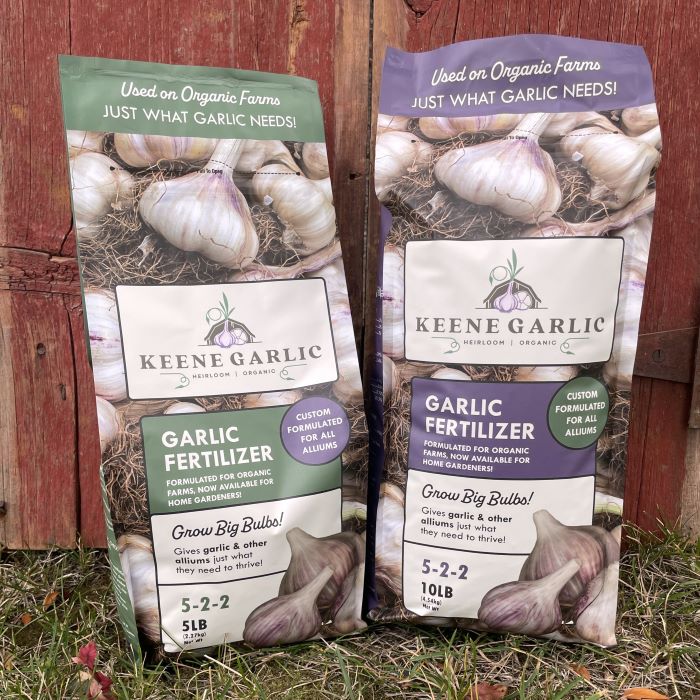
The best fertilizer for garlic plants typically includes a balanced mix of nutrients to support their growth and development. Garlic thrives in nutrient-rich soil, and proper fertilization can lead to a bountiful harvest. Here are some optimal types of fertilizers for garlic:
1. Organic Fertilizers: These fertilizers are derived from natural sources. They improve soil texture and promote healthy microbial activity. Common organic fertilizers for garlic include:
- Compost: Rich in nutrients and beneficial microorganisms.
- Animal Manure: Provides a good source of nitrogen and helps retain moisture.
- Bone Meal: Offers phosphorus, essential for root development.
2. Synthetic Fertilizers: While organic options are preferred by some gardeners, many also use synthetic fertilizers that provide immediate nutrients to garlic plants. Ideal formulations include:
- N-P-K Fertilizers: These contain nitrogen (N), phosphorus (P), and potassium (K) in various ratios suitable for garlic.
- Urea: A highly concentrated source of nitrogen, often used for early growth stages.
- Triple Superphosphate: Offers a quick source of phosphorus, promoting bulb growth.
3. Timing of Fertilization: Knowing when to fertilize garlic is crucial. The general timeline for best results includes:
- Before Planting: Incorporating organic matter like compost into the soil is beneficial.
- Spring Growth Stage: Applying a nitrogen-rich fertilizer as the garlic starts to grow.
- Pre-Bulbing Stage: A balanced fertilizer can be applied to support bulb development.
4. Soil Testing: Understanding the nutrient levels in your soil can significantly improve the effectiveness of your fertilizer application. Steps include:
- Collect Soil Samples: Gather samples from different parts of your garden for accuracy.
- Test for Nutrient Content: Use a soil testing kit to analyze nutrient levels.
- Adjust Fertilization Accordingly: Based on results, select the right type and amount of fertilizer.
5. Tips for Fertilizing Garlic: Successful garlic growth also requires attention to detail when fertilizing. Here are some good practices:
- Follow Recommended Rates: Avoid over-fertilizing, as this can lead to bulb damage and poor flavor.
- Water After Application: Ensures nutrients are absorbed and prevents fertilizer burn.
- Monitor Plant Growth: Adjust fertilization based on the health and vigor of the garlic plants.
Which plants do not like egg shells?

Eggshells are often used in gardening as a natural source of calcium, but not all plants benefit from them. Some plants may be negatively impacted by the alkaline nature of eggshells or the way they affect soil composition. Here are some plants that generally do not thrive with the addition of eggshells:
1. Succulents
Succulents are known for their ability to store water, and they typically prefer a well-draining soil mix. The addition of eggshells can alter the pH level of the soil, making it more alkaline and potentially inhibiting the growth of certain succulent varieties.
See also:
- They thrive in acidic to neutral soils.
- Eggshells can lead to over-mineralization in the soil.
- Too much calcium could cause mineral imbalances.
2. Azaleas
Azaleas prefer acidic soil conditions, typically thriving in a pH range of 4.5 to 6.0. The use of eggshells, which are alkaline, can disrupt this balance and adversely affect their growth and flowering.
- They require a more acidic environment for optimal growth.
- Eggshells can lead to a change in soil chemistry.
- Excess calcium can lead to nutrient lockout.
3. Blueberries
Blueberries are another plant that dislikes eggshells due to their need for acidic soil. Adding eggshells can push the soil pH higher, which is detrimental to their health and fruit production.
- Blueberries thrive in soil with a pH of 4.5 to 5.5.
- The addition of eggshells can make the soil too alkaline.
- Calcium from eggshells can interfere with iron uptake.
4. Pine Trees
Pine trees are adapted to acidic soils and generally do not benefit from the addition of calcium-rich materials like eggshells. The addition can increase soil alkalinity, negatively impacting their growth.
- Pine trees thrive in low-nutrient and acidic soils.
- Excess calcium may hinder their absorption of nutrients.
- Eggshells can alter the natural soil ecosystem.
5. Ferns
Ferns prefer moist, acidic environments and often do not respond well to eggshells. The change in pH can compromise their growth and overall health.
- Ferns require a pH range of around 5.0 to 6.0.
- High calcium levels can lead to stunted growth.
- Eggshells may disrupt the moisture balance ferns need.
What feed is best for garlic?
Understanding Garlic Nutrient Needs
Garlic, a member of the Allium family, requires specific nutrients to thrive and produce healthy bulbs. The primary nutrients essential for garlic growth include nitrogen, phosphorus, and potassium. These macronutrients play crucial roles in plant development and bulb formation. To ensure your garlic plants receive the right balance of nutrients, consider the following:
- Nitrogen: Promotes leaf growth and overall plant vigor.
- Phosphorus: Supports strong root development and enhances bulb size.
- Potassium: Improves the plant's ability to withstand diseases and contributes to overall health.
Best Soil Composition for Garlic
The ideal soil for growing garlic should be well-drained and rich in organic matter. A soil pH of around 6.0 to 7.0 is optimal. Incorporating organic materials helps retain moisture while providing essential nutrients. Some key considerations for soil composition include:
- Sand or Loam: Provides good drainage and aeration, preventing bulb rot.
- Compost: Enhances soil fertility by adding essential nutrients and improving soil structure.
- Mulch: Helps retain moisture and suppresses weeds that compete with garlic for nutrients.
Organic Fertilizers for Garlic Cultivation
Using organic fertilizers is an effective way to nurture garlic plants while maintaining sustainability. Organic options can improve soil health and provide slow-release nutrients. Popular organic fertilizers include:
- Bone Meal: A great source of phosphorus for root growth.
- Fish Emulsion: Provides nitrogen and trace minerals, promoting healthy foliage.
- Wood Ash: Supplies potassium and helps raise soil pH if needed.
Incorporating Microbial Additives
Microbial additives can enhance garlic growth by improving nutrient availability and root health. These products help establish a healthy soil microbiome and can be beneficial for plant development. Some beneficial microbial options include:
- Mycorrhizal Fungi: Forms symbiotic relationships with plant roots, enhancing nutrient uptake.
- Beneficial Bacteria: Helps in nitrogen fixation and improves soil structure.
- Compost Tea: A liquid fertilizer rich in beneficial microorganisms that promotes growth.
Timing and Application of Fertilizers
Understanding when and how to apply fertilizers is crucial for maximizing garlic yields. Different growth stages require varying nutrient supply. The timing and method of application can significantly impact the effectiveness of the feed used. Consider these practices:
- Pre-Planting Fertilization: Amend soil a few weeks before planting with a balanced fertilizer.
- Top-Dressing: Apply additional nitrogen-based fertilizers during the early growth stages.
- Final Boost: Use a potassium-rich fertilizer as the bulbs begin to mature.
Questions from Our Readers
Are egg shells beneficial for garlic plants?
Egg shells can be beneficial for garlic plants as they provide a good source of calcium, which is essential for healthy growth. When crushed and added to the soil, they can help improve soil structure and promote better drainage, ultimately benefiting the garlic.
How should I use egg shells for my garlic?
To use egg shells effectively, you should first clean and dry them thoroughly. Then, crush them into small pieces or a fine powder and mix them into the soil before planting garlic or sprinkle them around existing plants to enhance the nutrient content and deter pests.
See also:
Can egg shells help prevent pests in garlic gardens?
Yes, using crushed egg shells can help prevent certain pests, such as slugs and snails, from reaching your garlic plants. The sharp edges of the crushed shells act as a natural barrier, discouraging these soft-bodied pests from crawling over them.
Are there any risks associated with using egg shells for garlic?
While generally safe, using egg shells in excess can lead to an imbalance in soil nutrients. It’s important to use them in moderation and ensure they are properly processed to avoid the introduction of bacteria that could affect your garlic plants.

If you want to read more articles like Are Egg Shells Good for Garlic? Discover the Benefits and Tips for Use, we recommend you check out our Garlic category.
Leave a Reply
Related Articles