Can garlic be frozen and then planted? A Complete Guide to Garlic Storage and Planting

Garlic is a versatile ingredient cherished in kitchens worldwide, but can it be frozen and then successfully planted? This guide explores the ins and outs of garlic storage and planting techniques. We’ll delve into whether freezing garlic affects its viability as a planting seed and provide practical tips on how to store your garlic properly for both culinary use and future gardening endeavors. Whether you’re a seasoned gardener or a beginner curious about growing your own garlic, this comprehensive guide will equip you with all the information you need to make informed decisions about garlic storage and planting.
Can Garlic Be Frozen and Then Planted?
Garlic can indeed be frozen, but doing so and then attempting to plant it is not the most effective method for growing new garlic. When garlic is frozen, the cell structure is damaged, which can affect its ability to germinate and grow successfully. The ideal way to plant garlic is to use fresh, unfrozen cloves that have been appropriately cured and stored. This ensures that the cloves retain their vitality and will produce robust plants when planted in the ground.
Freezing Garlic: Is It Recommended?
Freezing garlic is a common practice to prolong its shelf life and preserve its flavor, but it is essential to consider the method used for freezing. Whole bulbs tend to retain flavor better than peeled or chopped garlic. However, freezing can alter the texture and make the cloves more suitable for cooking rather than for planting. Therefore, while you can freeze garlic, it is not the best option if you plan to use it for growing new garlic.
How to Properly Freeze Garlic
To freeze garlic effectively, the most efficient approach involves peeling the cloves and chopping or mincing them before placing them in an airtight container or freezer bag. It is advisable to label the container with the date of freezing. Garlic can also be frozen as a paste by blending it with oil; however, this again focuses on culinary use rather than planting. Remember to ensure that there is as little air as possible in the container to prevent freezer burn and maintain quality.
Can Frozen Garlic Still Germinate?
Frozen garlic generally does not have the same germination potential as fresh garlic. The freezing process can cause cellular breakdown and dehydration, which limits the clove's viability. When garlic cloves are intended for growing, they should be dry and healthy to ensure a high success rate in sprouting. Therefore, while some may attempt to plant frozen garlic, the chances of successful growth are considerably reduced.
Alternative Methods to Plant Garlic
For best results, it is recommended to plant individual garlic cloves that have been separated from the bulb. These cloves should be planted in well-drained soil with good sunlight exposure, typically in the fall for a summer harvest. When planting, ensure that the cloves are pointed side up and spaced adequately apart for proper growth. Unlike frozen garlic, fresh cloves will yield the best results in terms of growth and yield.
Storing Garlic for Future Planting
If you wish to save garlic for planting in the future, the best practice involves storing it in a cool, dry place away from sunlight. This will help preserve the cloves' viability. When the planting season arrives, select the largest, healthiest cloves from your stored garlic to plant, as larger cloves tend to produce better yields. Ensuring optimal storage conditions is crucial to maintaining its quality for planting seasons ahead.
| Garlic Condition | Freezing Effects | Best Use |
|---|---|---|
| Frozen Cloves | Damaged cell structure | Cooking |
| Fresh, Dry Cloves | Healthy and viable | Planting |
Can I plant garlic after it freezes?
Planting garlic after it freezes is a question that many gardeners ponder, especially those in colder climates. The timing of planting garlic is crucial for achieving a healthy and productive crop.
Garlic should ideally be planted in the fall before the ground freezes, allowing it to establish roots. However, if there has been a freeze, you can still plant garlic, but there are several factors to consider.
Understanding Garlic Planting Seasons
The best time to plant garlic is during the fall. However, circumstances arise where planting post-freeze may occur.
See also:
- Ideal Timing: Garlic typically requires a cold period for proper dormancy followed by a warm growing season.
- Fall Planting: The garlic is best planted 4-6 weeks before the ground freezes to develop a strong root system.
- Winter Considerations: Freezing temperatures can affect the dormancy and growth cycle of garlic if planted too late.
Effects of Frost on Garlic Bulbs
Frost can impact garlic in several ways, particularly if it has just been planted or is in mid-growth.
- Root Development: Frost can hinder the root establishment, leading to potential bulb stunting.
- Garlic Variety: Some garlic varieties are more resilient to cold than others, affecting how they respond to frost.
- Planting Depth: Proper depth of planting can mitigate frost effects; deeper planting can protect the bulbs.
Care Tips for Post-Freeze Garlic Planting
If you decide to plant garlic after it has frozen, specific care measures can help ensure better outcomes.
- Soil Conditions: Make sure the soil is well-drained to prevent rot.
- Mulching: Applying a layer of mulch can help insulate the garlic from fluctuating temperatures.
- Watering: Be cautious with watering; newly planted garlic needs moisture but avoid soggy conditions.
Signs of Garlic Resilience
Post-freeze, garlic may show signs of resilience and ability to recover.
- Sprouting: If the garlic shows green shoots, it indicates that it has survived the freeze.
- Root Structure: A healthy root system can often sustain the plant despite cold conditions.
- Growth Rate: Early spring growth indicates that the bulbs remained viable throughout winter.
Alternative Garlic Planting Methods
If the conditions seem unsuitable for planting after a freeze, consider alternative planting strategies.
- Spring Planting: If you miss the fall window, spring planting is an option for some garlic varieties.
- Indoor Planting: Start garlic in pots indoors and transplant when weather permits.
- Winterizing: If waiting for spring, consider winterizing your garlic bulbs in a cool, dry place.
What month is the best to plant garlic?
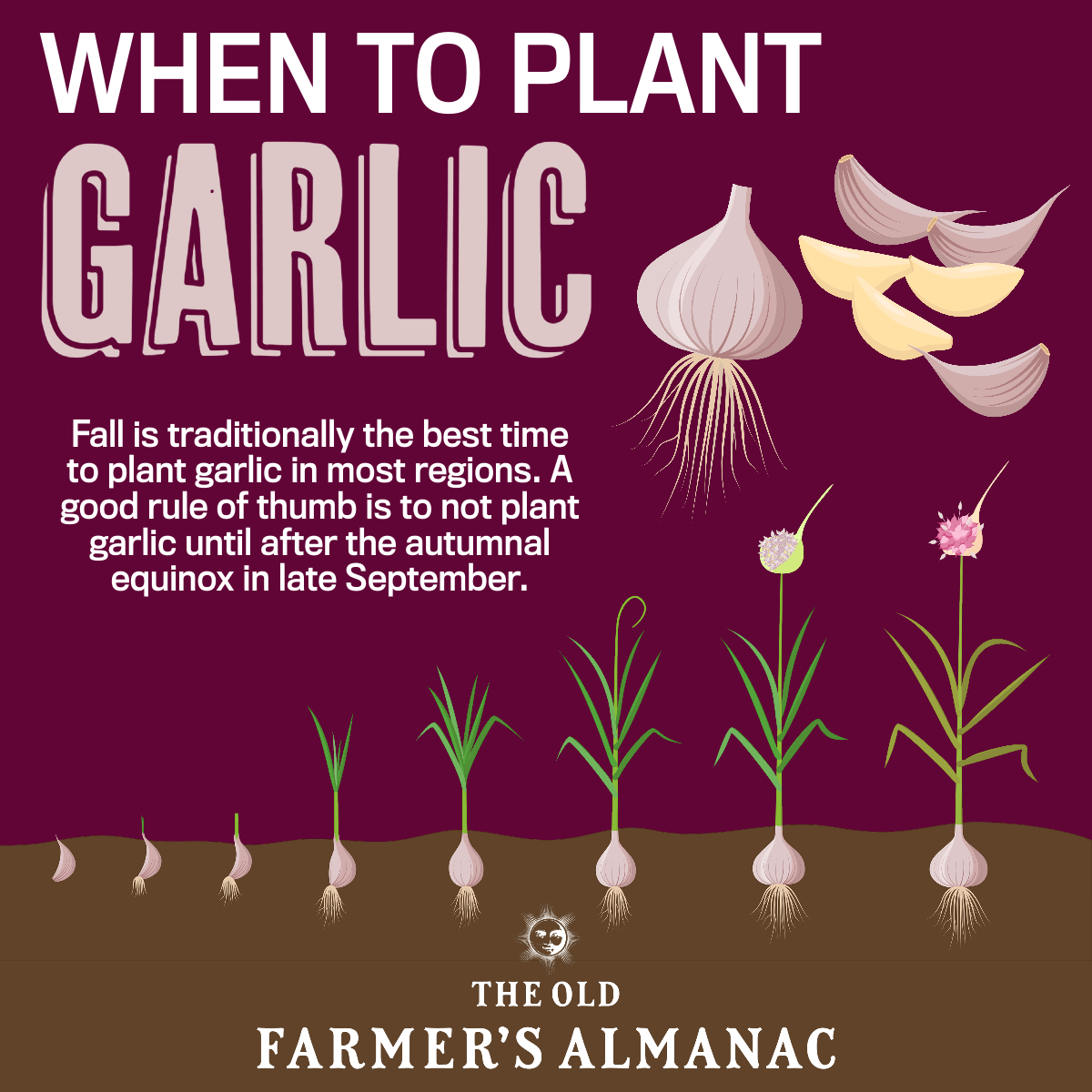
To plant garlic effectively, the best month typically depends on your climate and growing zone. Generally, it's recommended to plant garlic in the fall. In most regions, this means planting between September and November, about 4-6 weeks before the ground freezes. This timing allows the garlic to establish roots before the cold winter months, leading to a better harvest in the following summer.
Best Time Based on Climate
In warmer climates, garlic can be planted as late as November, while in cooler areas, the ideal planting time could be as early as September. Understanding your local climate will help ensure the garlic can thrive. Consider the following factors when determining the best time for planting garlic in your area:
- Frost Dates: Know your last and first frost dates to avoid extreme weather conditions.
- Soil Temperature: Garlic prefers soil temperatures between 50°F and 60°F (10°C to 15°C) for optimal growth.
- Rainfall: Ensure there's sufficient moisture in the soil before planting.
Benefits of Fall Planting
Planting garlic in the fall has several advantages that can lead to a more robust and flavorful harvest. Some key benefits include:
- Root Development: Garlic establishes a strong root system before the onset of winter.
- Cold Stratification: The cold temperatures help trigger the garlic's growth cycle, improving bulb formation.
- Earlier Harvest: Fall-planted garlic can be harvested earlier in the summer than spring-planted garlic.
Alternatives for Spring Planting
In some areas, particularly with harsh winters, spring planting may be necessary. If you choose to plant in the spring, consider these points:
- Timing: Plant garlic in early spring, as soon as the soil is workable and temperatures begin to rise.
- Varieties: Opt for faster-maturing varieties that can complete their growing cycle in the warmer months.
- Soil Preparation: Prepare the soil thoroughly to ensure good drainage and nutrients, as spring plantings need optimal conditions.
Choosing the Right Garlic Varieties
Selecting the appropriate garlic varieties is crucial for a successful planting season. The two main categories of garlic are:
- Hardneck Garlic: Best for colder climates and known for its strong flavor and larger cloves.
- Softneck Garlic: More suited for milder climates and often preferred for longer storage capability.
Preparing for Planting
Preparation is key to successful garlic cultivation. Here are essential steps to take before planting:
See also:
- Soil Testing: Conduct a soil test to check pH and nutrient levels, aiming for a pH between 6.0 and 7.0.
- Site Selection: Choose a sunny location with good drainage to prevent rot.
- Clove Separation: Separate garlic bulbs into individual cloves before planting to ensure proper spacing and growth.
What is the mistake in planting garlic?

The most common mistake in planting garlic is not considering soil conditions and the season for planting. Garlic requires well-draining soil with plenty of nutrients and is best planted in the right season to ensure healthy growth and a bountiful harvest.
Incorrect Timing for Planting
Planting garlic at the wrong time can greatly affect its growth and yield. Garlic is typically planted in the fall or early spring, depending on the variety and climate.
- Fall Planting: In temperate climates, garlic is usually planted in the fall, allowing it to establish roots before the ground freezes.
- Spring Planting: In warmer areas, spring planting may be more appropriate, but it may result in a smaller bulb size.
- Checking Frost Dates: It is crucial to plant garlic at least a month before the first hard frost date.
Poor Soil Preparation
Failing to prepare the soil adequately can lead to unsuccessful garlic planting. Garlic thrives in well-drained, nutrient-rich soil.
- Soil Testing: A soil test can help determine pH and nutrient levels, ensuring the soil is balanced for optimal growth.
- Amending Soil: Adding organic matter such as compost can improve soil structure and fertility.
- Drainage: Ensuring good drainage is key; waterlogged soil can cause bulbs to rot.
Improper Clove Selection
Choosing the wrong cloves for planting can lead to poor germination and substandard yields.
- Seed Quality: Use high-quality, disease-free garlic cloves from a reputable source.
- Variety Choice: Select varieties that are suited to your local climate and soil conditions.
- Size of Cloves: Plant larger cloves for bigger bulbs, and avoid planting small or damaged cloves.
Neglecting Spacing Requirements
Crowding garlic plants can hinder their growth and reduce airflow, increasing the risk of disease.
- Proper Spacing: Space cloves approximately 4-6 inches apart to allow for proper growth.
- Row Spacing: Maintain rows about 12-18 inches apart to ensure good air circulation.
- Avoiding Competition: Adequate spacing reduces competition for nutrients and prevents overcrowding.
Inadequate Watering Practices
Watering garlic incorrectly can lead to various problems, including stunted growth and bulb rot.
- Consistent Moisture: Garlic needs consistent moisture, especially during the early growth stages.
- Avoid Overwatering: While garlic likes moisture, too much water can lead to root rot.
- Mulching: Adding mulch can help retain soil moisture and regulate temperature.
Questions from Our Readers
Can garlic be frozen before planting?
Yes, garlic can be frozen before planting, but it is important to note that freezing can affect its viability. If you freeze garlic cloves, make sure to thaw them properly and plant them promptly to ensure that they grow effectively.
What happens to garlic when it is frozen?
When garlic is frozen, the cell structure of the cloves can be damaged, which may lead to changes in texture and flavor. However, if you thaw the garlic and allow it to sprout, it can still produce a viable plant.
Is it better to plant fresh or frozen garlic?
Fresh garlic is generally preferred for planting as it has a higher chance of germinating and producing healthy crops. Frozen garlic can be used, but the success rate may be lower due to potential damage during the freezing process.
How should frozen garlic be prepared for planting?
To prepare frozen garlic for planting, first thaw the cloves completely and check for any signs of damage. Once thawed, you can plant the cloves directly in the soil, ensuring they are spaced adequately for optimal growth.
See also:

If you want to read more articles like Can garlic be frozen and then planted? A Complete Guide to Garlic Storage and Planting, we recommend you check out our Garlic category.
Leave a Reply
Related Articles