How Long Does Garlic Need to Be Cold Before Planting? Ultimate Guide for Successful Garlic Cultivation

Garlic cultivation can be a rewarding endeavor, but success hinges on understanding the specific needs of the plant. One crucial factor that often raises questions among gardeners is the chilling period required for garlic cloves before planting. This guide delves into the optimal duration for chilling garlic, the science behind cold stratification, and the impact of temperature on growth. Whether you are a seasoned gardener or a novice, knowing how long to keep garlic cold before planting is essential for maximizing yield and ensuring healthy crops. Join us as we explore the ultimate strategies for successful garlic cultivation.
How Long Does Garlic Need to be Cold Before Planting?
Garlic needs to experience a period of cold stratification for optimal growth, usually lasting between 4 to 8 weeks before being planted. This chilling period is crucial, as it helps in the development of the bulb by mimicking the natural conditions garlic would encounter in winter. Ideally, garlic should be placed in a cold environment, such as a refrigerator, to achieve the necessary temperatures, typically around 40°F to 50°F (4°C to 10°C). This process stimulates the growth hormones within the garlic bulbs, leading to better yields and healthier plants once they are planted in the ground in spring or fall.
Why is Cold Stratification Important for Garlic?
Cold stratification is vital for garlic because it helps to break dormancy and initiate the growth process. When garlic bulbs are exposed to cold temperatures, biochemical changes occur that prepare the bulbs for sprouting. This period of cold ensures that the garlic will establish roots effectively once planted and leads to a robust bulb development during the growing season. Without adequate cold exposure, garlic may fail to thrive, leading to smaller bulbs and reduced overall yields.
How to Prepare Garlic for Cold Storage?
To prepare garlic for cold storage, first, select healthy, disease-free garlic bulbs. Remove any loose outer skins but keep the papery skins intact to protect the cloves. Place the bulbs in a breathable bag, such as a mesh or paper bag, to allow air circulation. Store them in a cool and dark place, like the refrigerator, for the required period of 4 to 8 weeks. This preparation ensures the garlic will receive the necessary chilling hours before planting.
What Temperature is Ideal for Cold Stratification?
The ideal temperature for garlic cold stratification ranges from 40°F to 50°F (4°C to 10°C). This temperature range effectively simulates the natural winter conditions that garlic requires. It is essential to avoid temperatures below freezing, as this could damage the cloves. Monitoring the temperature during the chilling period helps ensure the garlic is adequately prepared for planting.
When is the Best Time to Plant Garlic After Cold Storage?
After the cold storage period, the best time to plant garlic is typically in the fall, about 2 to 4 weeks before the ground freezes, or in early spring when the soil is workable. Planting at the right time is crucial for allowing the garlic to develop a strong root system before the temperature rises. This timing creates a favorable environment for growth as the garlic will benefit from the warm weather in spring.
Can Garlic Bulbs Be Planted Without Cold Stratification?
Yes, garlic bulbs can be planted without cold stratification, but this may result in poor growth and smaller bulbs. Planting non-stratified garlic can lead to delayed sprouting due to the lack of necessary chilling hours. Some varieties may tolerate this better than others, but for optimal yields, it is highly recommended to provide the cold treatment before planting.
| Cold Storage Duration | Ideal Temperature | Best Planting Time |
|---|---|---|
| 4 to 8 weeks | 40°F to 50°F | Fall or Early Spring |
How long to refrigerate garlic before planting?

To prepare garlic for planting, it's recommended to refrigerate the bulbs for about 4 to 6 weeks before planting. This process, known as vernalization, simulates winter conditions, which can help promote bulb formation and lead to healthier plants. Refrigerating the garlic helps break dormancy, resulting in better growth when planted in the garden or soil.
Importance of Vernalization
Vernalization is crucial for the development of some garlic varieties. By mimicking winter conditions, garlic can transition from a dormant state to an active growing state. This process leads to stronger root development and can potentially produce larger bulbs.
- Stronger Growth: Vernalized garlic typically shows improvement in vigor once planted.
- Larger Bulbs: Garlic plants that undergo vernalization frequently yield bigger and more robust bulbs.
- Better Disease Resistance: Healthy, vigorous plants are often more resistant to pests and diseases.
Steps to Refrigerate Garlic
Refrigerating garlic for planting is a straightforward process that requires minimal effort. Follow these steps to ensure proper preparation for optimal growth.
- Select Fresh Bulbs: Choose healthy, unblemished garlic bulbs, ideally from a reputable source.
- Prepare Them: Do not separate the cloves. Keep the bulbs intact, removing any excess dirt.
- Store Properly: Place the bulbs in a paper bag or a mesh bag to allow air circulation while in the refrigerator.
Timing for Refrigeration
The best time to start refrigerating garlic is typically in late summer to fall, depending on your planting schedule. Ensuring the right timing can lead to successful garlic cultivation.
- Consider Local Climate: Evaluate your local climate conditions to determine the optimal planting time.
- Calculate Weeks: A 4 to 6-week refrigeration period will align well with most planting schedules.
- Monitor Progress: Check the garlic periodically during the refrigeration phase to maintain quality.
Common Mistakes to Avoid
When refrigerating garlic, there are certain common pitfalls that gardeners should avoid to ensure effective preparation.
See also:
- Too Long in Fridge: Leaving garlic for longer than 6 weeks can lead to sprouting.
- Separation of Cloves: Separating cloves prematurely can disrupt the moisture balance and lead to drying.
- Improper Storage: Avoid storing garlic in plastic bags, which can trap moisture and promote mold growth.
Post-Refrigeration Care
After the refrigeration period, proper care is essential for the successful planting and growth of garlic. Transitioning from fridge to soil requires careful handling and preparation.
- Acclimatization: Allow garlic to adjust to room temperature before planting.
- Planting Method: Plant the cloves upright in well-draining soil 2 inches deep.
- Watering: Ensure adequate moisture after planting, but avoid waterlogging to prevent bulb rot.
How long does garlic need to be cold?
Garlic, being a versatile ingredient in cooking, often requires proper storage to maintain its flavor and freshness. When considering how long garlic should be kept in the cold, it depends on whether we're discussing whole bulbs, peeled cloves, or minced garlic.
Whole garlic bulbs should ideally be stored in a cool, dry place, away from sunlight. However, if you store garlic in the refrigerator, it can last longer, but it's essential to keep certain conditions in mind. Peeled or minced garlic should be refrigerated and typically lasts for about 7 to 10 days. For garlic in oil, it is crucial to refrigerate it and use it within a week to prevent botulism.
Storage Temperature for Garlic
The ideal storage temperature for garlic varies based on its form.
- Whole Bulbs: Best stored between 60°F and 65°F (15°C and 18°C).
- Peeled Cloves: Should be kept in the refrigerator at below 40°F (4°C).
- Minced Garlic: Also kept below 40°F (4°C) to maintain its freshness.
Effects of Cold on Garlic Flavor
The flavor profile of garlic can be influenced by its storage conditions.
- Controlled Environment: Cold storage helps retain potency and prevents sprouting.
- Over-Storage: Keeping it too long in cold can disrupt its flavor; it may become milder.
- Temperature Fluctuations: Frequent changing of temperatures can lead to moisture buildup, affecting flavor negatively.
Signs of Spoilage in Refrigerated Garlic
Identifying spoilage is crucial for food safety.
- Sprouting: If garlic starts sprouting green shoots, it's still safe but may have a stronger taste.
- Softness: If the cloves are soft or mushy, they are spoiled.
- Off Odors: A sour or off smell indicates that the garlic has gone bad and should be discarded.
Using Garlic After Cold Storage
After being stored in cold conditions, using garlic requires some attention.
- Room Temperature: Before use, allow refrigerated garlic to come to room temperature for better flavor.
- Quality Check: Inspect the garlic for signs of spoilage before use to ensure safety.
- Cooking Process: Adjust your cooking time, as cold garlic may release moisture, affecting overall dish preparation.
Best Practices for Storing Garlic
Implementing the right storage habits can prolong the shelf life of garlic.
- Keep Dry: Ensure garlic is completely dry before storing to prevent mold.
- Airtight Containers: Use airtight containers for peeled or minced garlic to reduce exposure to air.
- Labeling: Always label containers with the date to track freshness.
What is the lowest temperature garlic can tolerate?
Garlic (Allium sativum) is known for its resilience, but it does have limits when it comes to temperature. The lowest temperature garlic can tolerate is around 20°F (-6°C). At this temperature, garlic can experience various stress factors that may affect its growth and development. However, it is important to note that garlic is a hardy plant that can endure short periods of cold weather, especially if established properly.
Factors Affecting Garlic's Cold Tolerance
The ability of garlic to withstand cold temperatures can vary based on several factors:
- Variety: Different garlic varieties have different cold tolerances, with some being more resilient to freezing temperatures.
- Location: The geographical area where garlic is grown plays a role in its ability to tolerate cold. Hardy garlic types are typically better for colder climates.
- Soil Conditions: Well-drained soil can prevent water from pooling and freezing around the roots, which helps mitigate cold stress.
Signs of Cold Stress in Garlic
When garlic is exposed to extreme cold, it can exhibit several symptoms:
See also:
- Wilting Leaves: The leaves may begin to wilt or become soft, indicating that the plant is stressed.
- Discoloration: Garlic can show signs of yellowing or browning, particularly at the leaf tips, as a response to cold stress.
- Stunted Growth: Cold temperatures can lead to reduced growth rates, affecting the overall development of the plant.
Best Practices for Protecting Garlic from Cold
To ensure garlic survives low temperatures, consider the following practices:
- Mulching: Apply a layer of mulch to insulate the soil and protect the garlic bulbs from freezing.
- Timing of Planting: Plant garlic in the fall before the frost sets in so it establishes a strong root system.
- Row Covers: Use row covers to shield young garlic shoots during cold snaps.
Understanding how temperature affects garlic growth is crucial:
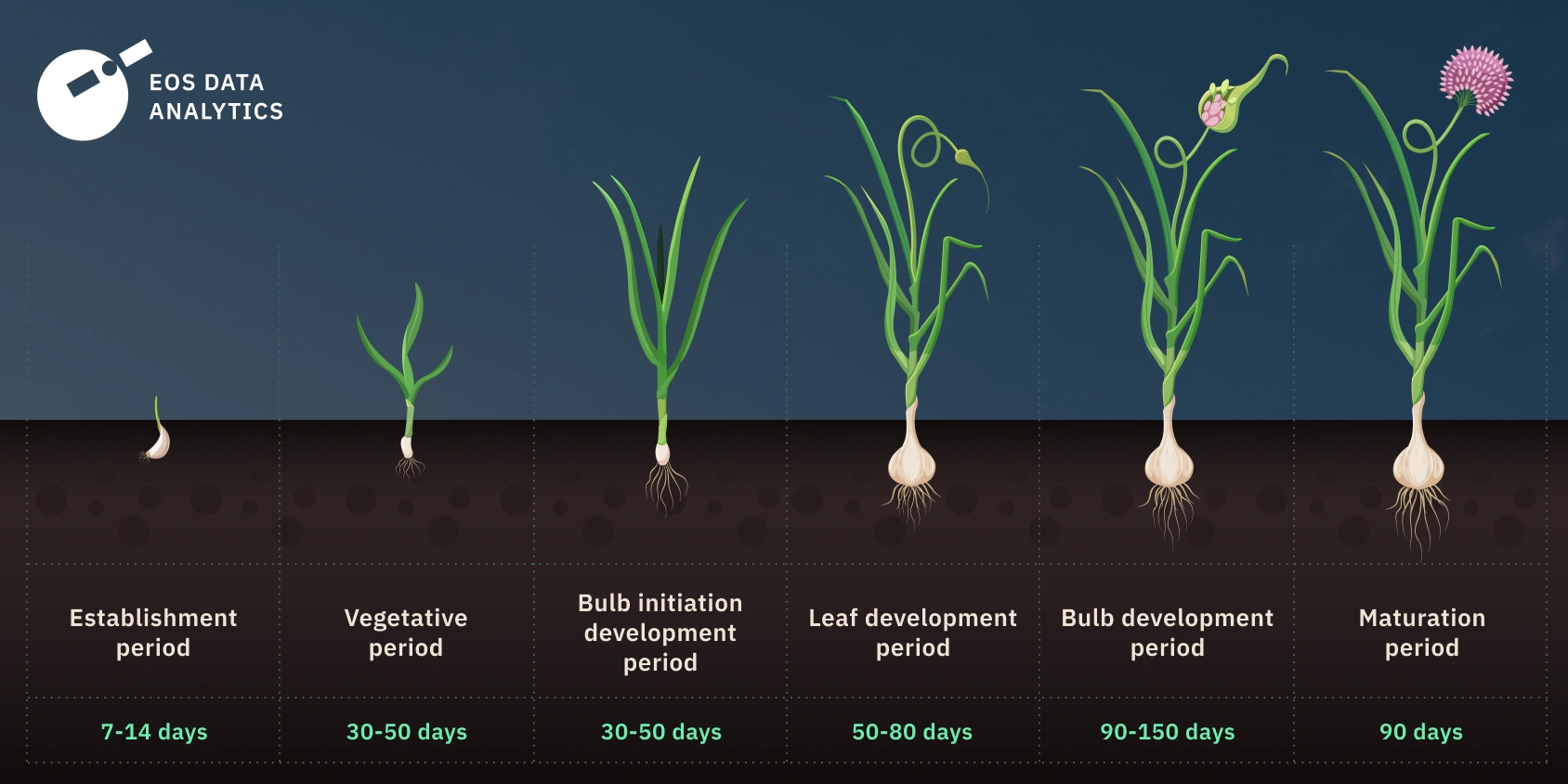
- Bulb Formation: Garlic needs a period of cold dormancy for proper bulb formation; however, too much cold can be detrimental.
- Leaf Development: Optimal leaf growth occurs when temperatures are within the range of 60°F to 80°F (15°C to 27°C).
- Harvest Timing: Temperatures also affect the timing of harvest; cold stress can delay maturity.
Climate Adaptation for Garlic Cultivation
Garlic cultivation can adapt to various climates, but understanding local conditions is key:
- Growing Indoors: In regions with extreme cold, consider growing garlic indoors where temperature control is easier.
- Choosing Hardy Varieties: Select garlic varieties known for their robustness in colder climates.
- Local Adaptation Practices: Engage with local farming communities to learn best practices specific to your climate zone.
Which is the best month to plant garlic?

To determine the best month to plant garlic, it is essential to consider the specific type of garlic and the climate of your growing region. Generally, the ideal time for planting garlic is during the fall, typically between September and November. This allows the garlic to establish roots before the onset of winter. In milder climates, garlic can also be planted in early spring, but fall planting is most common since it leads to larger bulbs.
Understanding Garlic Varieties
Different varieties of garlic, such as hardneck and softneck, thrive in different growing conditions.
- Hardneck Garlic: Usually planted in the fall, as it requires a cold period for proper bulb development.
- Softneck Garlic: Can be planted in both fall and early spring, but performs best when planted in fall.
- Elephant Garlic: While technically a leek, it can also be planted in fall for a harvest the following summer.
Climate Considerations
The local climate plays a crucial role in determining the ideal planting time for garlic.
- Cool Climate Regions: Fall planting is recommended, allowing garlic to establish roots before freezing temperatures.
- Mild Climate Regions: Garlic can be planted in either fall or spring, depending on specific local conditions.
- Warm Climate Regions: Late fall or even winter planting may be ideal, as garlic requires a cool-season growth period.
Soil Preparation Before Planting
Proper soil preparation is vital before planting garlic, regardless of the month.
- Soil Type: Garlic prefers well-drained, loamy soil rich in organic matter.
- pH Level: Aim for a soil pH between 6.0 and 7.0 to promote healthy growth.
- Fertilization: Enrich the soil with compost or nitrogen-based fertilizers before planting.
Planting Techniques
Understanding the correct planting techniques can maximize your garlic yield.
- Clove Selection: Use healthy, large garlic cloves for planting to ensure robust growth.
- Depth and Spacing: Plant cloves 2-3 inches deep and 6 inches apart for optimal growth.
- Mulching: Applying mulch helps retain moisture, suppress weeds, and provide insulation in winter.
Post-Planting Care
Proper aftercare of garlic is essential for a successful harvest.
- Watering: Ensure consistent watering, especially during dry spells, to prevent stress on the plants.
- Pest Management: Monitor for pests and diseases that can affect garlic health.
- Harvesting: Typically, garlic is harvested in mid-summer when leaves start to brown, indicating maturity.
Questions from Our Readers
How long does garlic need to be cold before planting?
Garlic typically needs to undergo a period of cold stratification for about 4 to 8 weeks before planting. This chilling period helps to simulate winter conditions, which is crucial for the garlic to develop properly during the growing season. In regions with mild winters, refrigeration for this period can be beneficial to ensure suitable growth.
Can I plant garlic immediately after buying it?
While you can plant garlic immediately after purchasing, it's recommended to allow it to experience a cold period first. If the garlic bulbs have not had sufficient cold treatment, you may not achieve optimal growth, so consider waiting and providing the necessary chilling time before planting.
Is there a specific temperature for garlic storage before planting?
Yes, garlic should ideally be stored in a cool and dark place with temperatures between 32°F and 50°F (0°C to 10°C) before planting. Keeping it within this temperature range enhances its ability to break dormancy and promotes strong growth once planted.
See also:
What happens if I don’t chill garlic before planting?
If you skip the chilling process and plant garlic directly without it, you may encounter issues such as poor bulb development or delayed growth. Garlic needs the cold treatment to properly initiate its growth cycle, so neglecting this step can lead to unsatisfactory harvests.

If you want to read more articles like How Long Does Garlic Need to Be Cold Before Planting? Ultimate Guide for Successful Garlic Cultivation, we recommend you check out our Garlic category.
Leave a Reply
Related Articles