Does Garlic Take 9 Months to Grow? Discover the Truth Behind Garlic Growth Timelines
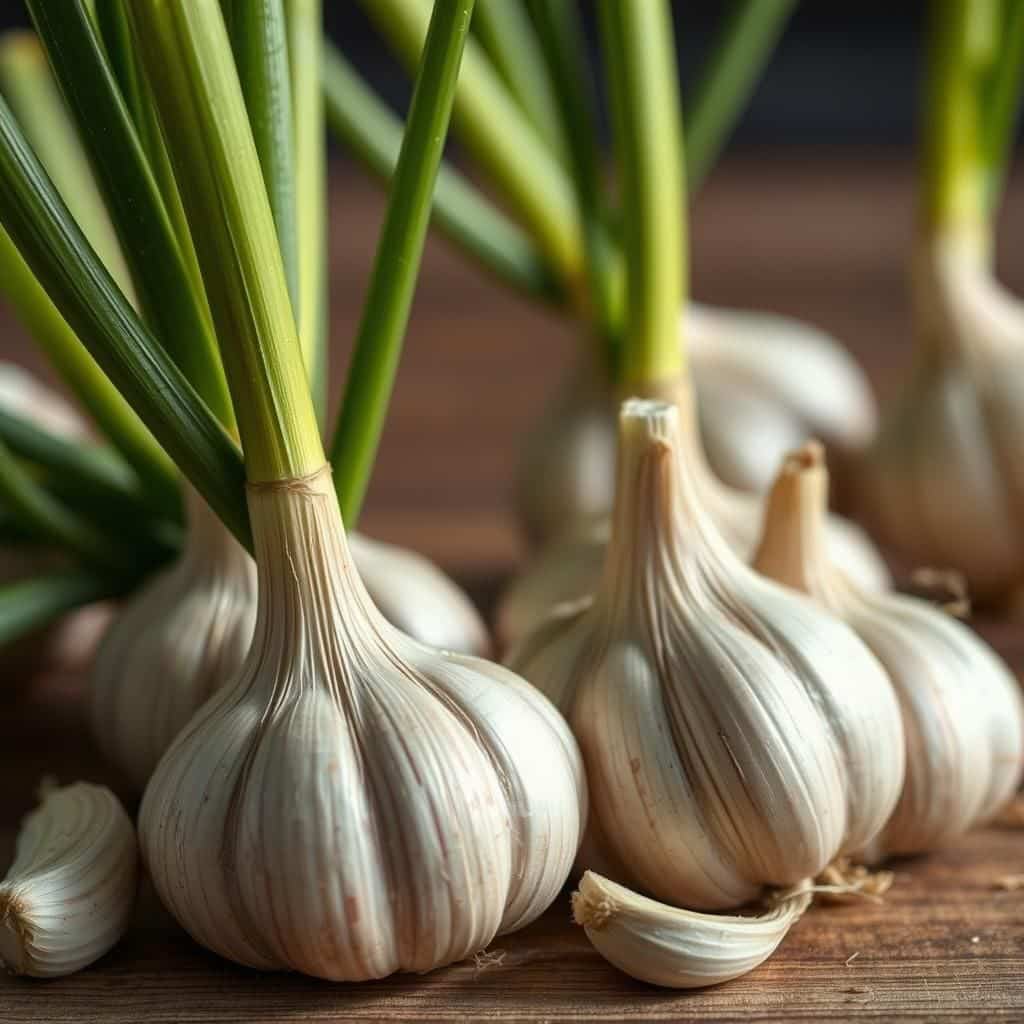
The question of whether garlic takes nine months to grow is a common one for aspiring gardeners and culinary enthusiasts alike. Garlic, a staple in kitchens around the world, has a fascinating growth cycle that varies depending on the specific variety and growing conditions. Understanding the timeline for garlic cultivation is essential for successful gardening and harvesting. In this article, we will explore the truth behind garlic growth timelines, including the factors that influence its development, the optimal planting and harvesting periods, and tips for cultivating this flavorful bulb. Join us as we uncover the real story behind garlic's growth journey.
Does Garlic Take 9 Months to Grow?
GarLIC typically does not take 9 months to grow; instead, it usually takes about 6 to 8 months from planting to harvest. The growth duration can be influenced by the climate, variety, and growing conditions. Garlic is commonly planted in the fall or early spring, and it requires a specific period of cold weather to develop properly, particularly when it is grown from cloves. The majority of hard-neck varieties tend to be planted in the fall, allowing them to establish roots before winter, while soft-neck varieties are often grown in spring. Proper care, including adequate watering and nutrient management, is essential for optimal growth.
What Factors Influence Garlic Growth Time?
The growth time of garlic can be influenced by multiple factors, including temperature, soil type, and water availability. Garlic prefers well-drained, loamy soil enriched with organic matter, and it thrives in moderate temperatures. If the soil is too wet or heavy, it may hinder root development and lead to rot. Additionally, the variety of garlic being grown (hardneck vs. softneck) can also dictate the time it takes to mature, with some varieties naturally requiring longer to reach full size.
When Should Garlic Be Planted?
Garlic is typically planted in the fall, often around October, for a summer harvest, or in the spring for a slightly earlier crop. Fall planting allows garlic to establish roots before the ground freezes and benefits from the winter chill, which is essential for proper bulb formation. In contrast, spring planting can still yield a good crop, but it may require more attention to watering and nutrients as the weather warms up.
What Are the Signs Garlic Is Ready to Harvest?
Identifying when garlic is ready to harvest involves monitoring the leaves. Typically, when the bottom leaves begin to yellow and die back while the upper leaves remain green, it's a sign that the bulbs are maturing. Generally, it's recommended to harvest garlic when about one-third of the leaves have turned brown. Early or late harvesting can affect the storage quality and flavor of the garlic.
How to Care for Garlic During the Growing Season?
During the growing season, proper care for garlic includes consistent watering, especially during dry spells, and applying organic fertilizers to support growth. Mulching can help retain moisture and suppress weeds around the garlic plants. It's crucial to avoid over-watering to prevent bulb rot, while also ensuring that the garlic receives enough moisture during critical growth periods.
Varieties of Garlic and Their Growth Periods
Garlic comes in several varieties that can have different growth periods. Hardneck garlic typically matures in 8 months, while softneck varieties can be ready in about 6 to 7 months. Understanding the specific variety you are planting can help you better plan the planting and harvesting schedule. Some local climates may favor one type over the other, affecting growth times.
| Variety | Growth Duration | Optimal Planting Time |
|---|---|---|
| Hardneck | 8 months | Fall |
| Softneck | 6-7 months | Spring/Fall |
Understanding the Growth Cycle of Garlic
Garlic typically takes about 6 to 8 months to mature, depending on the climate and specific varietal factors. When planted, the garlic develops roots and foliage during the fall, entering a period of dormancy in winter. As spring arrives, the plant resumes growth, and the bulbs begin to enlarge until they are ready for harvesting in late spring or early summer. While some growers may assume a 9-month timeline is necessary, many can successfully harvest garlic earlier, especially in regions with milder climates.
Factors Influencing Garlic Growth Time
The growth time of garlic is primarily influenced by several factors, including the type of garlic, local climate, soil conditions, and watering practices. Different garlic varieties, such as hardneck and softneck, have distinct growth patterns that can affect overall maturation time. Moreover, environmental conditions like temperature and sunlight play a crucial role in determining how quickly garlic can grow and mature, often accelerating or delaying the growth process.
When to Plant Garlic for Optimal Growth
For optimal growth, garlic should ideally be planted in the fall before the ground freezes. This allows the garlic to establish a strong root system during the cooler months and prepares it for a robust growth phase in spring. Timing is critical, as planting too early can lead to premature sprouting, while planting too late might not give bulbs enough time to mature before harvest in late summer.
Signs Garlic is Ready to Harvest
Harvesting garlic at the right time is essential for ensuring the best quality. Typically, garlic is ready to harvest when the lower leaves start to turn yellow and the tops begin to fall over. It's important to check for a few green leaves remaining on the plant, as this indicates that the bulbs are still developing. Waiting until about one-third of the leaves have died back gives the garlic a chance to reach its maximum size before being pulled from the ground.
Common Mistakes in Garlic Cultivation
Many novice gardeners make common mistakes when growing garlic that can lead to subpar results. One frequent error is planting in poorly draining soil, which can cause rot. Overwatering or underwatering can also hinder growth, as garlic requires a balanced amount of moisture. Additionally, not allowing enough space between plants can result in stunted growth, as garlic needs room to expand its bulbs fully.
Seasonal Considerations for Garlic Growing
Seasonal considerations play a vital role in garlic growing. Garlic thrives in moderate temperatures and struggles in extreme heat or cold. During the growing season, it is important to monitor the moisture levels in the soil, making adjustments according to seasonal rainfall. In hot months, particularly in areas with high summer temperatures, consistent watering is crucial to prevent stress and ensure a robust garlic crop.
Questions from Our Readers
Does garlic take 9 months to grow?
Garlic generally takes between 6 to 9 months to grow, depending on the variety and climatic conditions. Most types are usually planted in the fall and harvested in late spring or early summer.
How long does it take for garlic to sprout?
Garlic typically starts to sprout within 2 to 3 weeks after planting, depending on the temperature and moisture levels of the soil. Warmer conditions can often accelerate the sprouting process.
What is the best time to plant garlic?
The best time to plant garlic is in the fall before the ground freezes, as this allows the cloves to establish roots and prepare for growth in the following spring. Planting in the fall can lead to a better harvest.
Can garlic be grown in containers?
Yes, garlic can be successfully grown in containers, provided they have sufficient depth and drainage. It’s important to choose a large enough pot to accommodate the roots, ideally at least 8 to 10 inches deep.

If you want to read more articles like Does Garlic Take 9 Months to Grow? Discover the Truth Behind Garlic Growth Timelines, we recommend you check out our Garlic category.
Leave a Reply
Related Articles