Can You Plant Garlic Next to Onions? Discover Companion Planting Benefits and Tips

Companion planting is a gardening technique that pairs different plants to enhance growth and deter pests. One common query among gardeners is whether garlic can be planted alongside onions. Both belonging to the allium family, they share similar traits but also have unique benefits that can influence their growth when planted together. In this article, we will explore the potential advantages of planting garlic next to onions, including pest control and improved flavors. Additionally, we’ll provide practical tips on how to successfully integrate these two powerful plants in your garden for a thriving harvest.
Can You Plant Garlic Next to Onions?
Yes, you can plant garlic next to onions; in fact, they are considered beneficial companions in the garden. Both belong to the Allium family and share similar growing conditions, such as well-drained soil and full sun. However, it's important to consider factors like their growth habits and the potential for pest deterrence. Garlic can help repel certain pests that might otherwise target onions, making them a great pairing. Additionally, planting them close together can save space in the garden, which is particularly beneficial for home gardeners looking to maximize their yield.
Benefits of Planting Garlic and Onions Together
Planting garlic and onions together offers several benefits, including pest control and efficient use of garden space. Both plants emit strong scents that can deter pests like aphids and moths. This natural deterrence helps protect the integrity and health of both crops, leading to a more fruitful garden. Furthermore, sharing the same growing conditions allows for a more harmonious garden environment, reducing the need for separate space allocation.
Growth Requirements for Garlic and Onions
Both garlic and onions thrive in similar growing conditions, which includes a preference for full sun, well-drained soil, and adequate watering. Ideally, they should be planted in a loamy or sandy soil with a pH of 6.0 to 7.0 for optimal growth. These requirements make it easier to manage both crops simultaneously. Regular fertilization with organic matter can also enhance their growth and yield.
Potential Complications When Planting Together
While planting garlic and onions together generally presents advantages, there are potential complications, such as competition for nutrients and space. If planted too close together, their root systems may compete, leading to stunted growth for both crops. Additionally, excessive shading from one crop could hinder the growth of the other. It's essential to provide enough space between the plants to mitigate these risks.
Pest and Disease Resistance
Garlic and onions can provide natural pest resistance to one another. Garlic, in particular, is well-known for its ability to repel pests like onion flies and maggots, which can be detrimental to onion crops. However, while they can protect each other, both are also susceptible to similar diseases, such as fungal infections. Maintaining good hygiene in the garden and crop rotation can help manage disease risks effectively.
Optimal Spacing and Planting Tips
When planting garlic and onions together, it is ideal to provide a spacing of at least 4-6 inches apart. This spacing allows for proper air circulation and nutrient absorption, ensuring that both plants can thrive without excessive competition. Planting in staggered rows might also facilitate better light exposure and reduce the potential for shading. Additionally, rotating their placement each year can help maintain soil health and prevent disease buildup.
| Plant | Benefits | Spacing |
|---|---|---|
| Garlic | Pest deterrent, easy growth | 4-6 inches apart |
| Onions | Flavorful, pest resistant | 4-6 inches apart |
What should you not plant garlic next to?
:strip_icc()/Best-Garlic-Companion-Plants-to-Grow-Together-0GHJ8eQ1qJO8lTRdr6yJB3-3fe36ae60609497e8167ebe37d87b0b2.jpg)
Garlic is a versatile and popular plant in gardens, but it does have some specific companion planting considerations. Certain plants should be avoided when planting garlic to ensure healthy growth and optimal yields. Here are the plants you should not plant garlic next to:
1. Beans
Garlic is known to have an adverse effect on leguminous plants such as beans. When garlic is planted near beans, it can inhibit their growth and yield. The natural compounds released by garlic can create unfavorable conditions for beans, leading to stunted growth and poor harvests.
- Garlic contains compounds that can disrupt the nitrogen-fixing ability of bean plants.
- The presence of garlic can lead to reduced flowering and pod formation in beans.
- Beans may also attract pests that are deterred by garlic, but the negative impact on growth outweighs this benefit.
2. Peas
Similar to beans, peas are legumes that are negatively affected by garlic. The growth of pea plants may be stunted when garlic is present, as the compounds can interfere with their overall health and nutrient uptake.
- The interaction between garlic and peas can lead to lower yields and nutrient deficiencies.
- Garlic may inhibit the symbiotic bacteria that help peas with nitrogen absorption.
- Competing for nutrients can result in weak and unhealthy pea plants when grown near garlic.
3. Asparagus
Garlic should not be planted alongside asparagus as these two plants can conflict in their growth patterns. Garlic can hamper the productive capacity of asparagus due to its aggressive growth habit.
- Asparagus has a long growing season, and garlic can crowd it out for space and resources.
- The growth of garlic can lead to reduced vigor and health of the asparagus plants.
- Garlic’s strong odor can deter beneficial insects that help with pollination for asparagus.
4. Sage
While sage is known to be an herb that can repel pests, planting it next to garlic may not be advisable. The two herbs can compete for the same nutrients and water in the soil, potentially leading to issues.
See also:
- Garlic's growth can overshadow sage, leading to inadequate sunlight for the latter.
- Both plants can compete for the same soil nutrients, which can stunt growth.
- The aromas of both plants may interfere with each other's flavor development.
5. Onions
Onions might seem like a reasonable companion for garlic due to their similarities; however, they should ideally be kept apart. Both plants belong to the same family and can attract pests that affect each other.
- Planting onions next to garlic can lead to pest attraction and increased risk of disease.
- Both plants can drain the soil of essential nutrients, resulting in poor growth.
- Overlapping growth patterns can hinder adequate air circulation, promoting fungal diseases.
How far apart should garlic and onions be?

When planting garlic and onions, it's important to consider their spacing to ensure optimal growth. Garlic and onions are both members of the Allium family, and while they can be grown together, maintaining an appropriate distance between them is crucial. Generally, garlic should be planted 6 to 12 inches apart from onions, and both should be spaced adequately within their own rows to allow for effective air circulation and nutrient access.
Here are some important points to consider regarding the spacing between garlic and onions:
Understanding Companion Planting
Companion planting refers to the practice of grouping certain plants together to enhance growth and deter pests. Both garlic and onions are known for their pest-repelling qualities, which can be beneficial when planted near each other. However, spacing is still vital to prevent overcrowding, which can lead to competition for nutrients and light. Consider the following points:
- Improved Pest Management: Garlic’s sulfur compounds can deter pests that may target onions.
- Optimized Growth Space: Proper spacing helps each plant to grow robust without competition.
- Minimized Disease Spread: Adequate distance reduces the potential for diseases to spread between plants.
Soil Requirements and Preparation
Both garlic and onions thrive in well-drained, fertile soil rich in organic matter. Preparing the soil prior to planting can help improve their growth conditions. Ensure the following:
- Soil Testing: Conduct a soil test to determine pH and nutrient levels.
- Amendments: Incorporate compost or well-rotted manure to improve soil quality.
- Texture: Aim for loose, crumbly soil to encourage healthy root development.
Watering Practices
Garlic and onions have specific watering needs that must be met, especially during their growing season. Sufficient distance between them aids in effective watering practices:
- Water Retention: Ensure soil remains moist but not waterlogged; proper spacing allows for better water distribution.
- Drought Resistance: With adequate spacing, plants can establish deeper roots for drought resilience.
- Fungal Diseases: Overcrowded plants are more vulnerable to disease, so proper spacing mitigates this risk.
Harvesting Considerations
When the time comes to harvest garlic and onions, knowing the proper spacing can impact the ease of collection. Harvesting practices should include:
- Space Between Rows: Ensure rows are spaced at least 12 to 18 inches apart for easy access.
- Timing: Understand the individual maturity times of each crop to avoid damaging neighboring plants.
- Storage: Adequate spacing during growth can lead to better storage quality post-harvest.
Crop Rotation and Planning
In agricultural practices, crop rotation is essential for maintaining soil health and preventing disease. Planning for garlic and onions should include:
- Yearly Rotation: Avoid planting garlic and onions in the same bed year after year to prevent soil depletion.
- Diversity: Mix with other vegetation to enhance biodiversity and reduce pest populations.
- Spacing for Future Planning: Consider future crops while spacing garlic and onions to maximize bed usage.
What should I avoid planting onions next to?
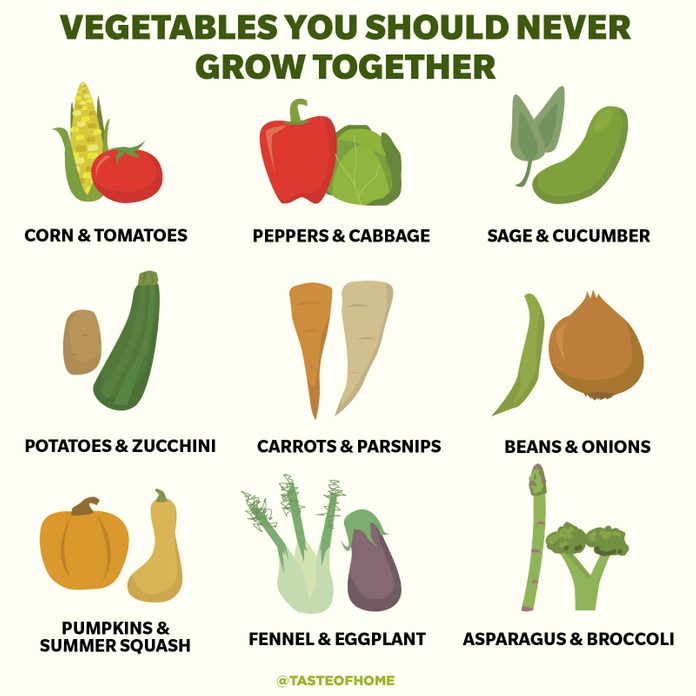
Onions are a popular vegetable in many gardens, but they have specific compatibility requirements with other plants. Certain vegetables and herbs can hinder the growth of onions due to competition for nutrients, differing growth habits, or chemical interactions in the soil. Here are some plants and types of crops that should be avoided when planting onions:
Companion Plants to Avoid
Avoid planting onions near the following companion plants, as they may inhibit onion growth and development:
- Beans: They fix nitrogen in the soil, which is detrimental to onions.
- Peas: Similar to beans, they can compete for nutrients and also inhibit onion growth.
- Asparagus: Onions can negatively affect the growth of asparagus, as they both have distinct nutritional needs.
Plants That Attract Pests
Certain plants attract pests that are particularly harmful to onions:
See also:
- Carrots: They can attract carrot flies, which also target onions.
- Tomatoes: While they are often grown together, both can attract the same pests, such as aphids.
- Beets: Can also draw pests that may prefer onions, causing potential infestations.
Plants That Compete for Space
Some plants tend to grow too large or establish too densely, competing for both light and nutrients:
- Corn: Tall and sprawling, it can overshadow onions and prevent them from getting adequate sunlight.
- Broccoli: A vigorous grower, it can outcompete onions for crucial nutrients.
- Sunflowers: These plants can grow very tall and could suffocate shorter onion plants by blocking sunlight.
Crops with Similar Nutritional Needs
Crops that share similar nutritional requirements can create competition in the garden:
- Lettuce: Both can use the same nutrients from the soil, leading to potential nutrient depletion.
- Spinach: Similar to lettuce, they will compete with onions for water and nutrients, affecting their growth.
- Cabbage family (Brassicas): They may compete for resources and also attract pests that could affect onions.
Plants That Release Allelopathic Chemicals
Some plants release chemicals into the soil that can affect the growth of nearby plants:
- Walnuts: They release juglone, which can be toxic to onions.
- Ragweed: Can interfere with onion growth due to the phenolic compounds released into the soil.
- Tomatoes (in proximity): Can release compounds that adversely affect onions, possibly reducing their yield.
What not to do when planting garlic?
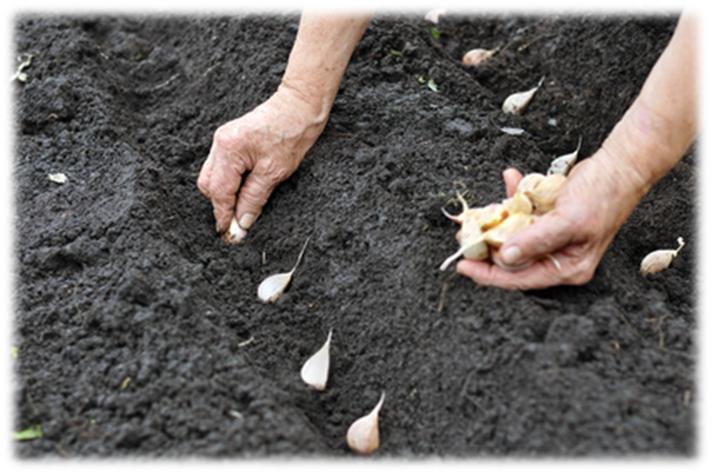
Planting garlic can yield a bountiful harvest, but there are certain mistakes that gardeners must avoid to ensure the best results. Here are several crucial factors to consider when planting garlic.
Avoid Planting at the Wrong Time
Timing is crucial when it comes to garlic cultivation. Planting too early or too late can affect growth and yield.
- Fall planting: Garlic should ideally be planted in the fall, about 4-6 weeks before the ground freezes. This allows the bulbs to establish roots.
- Spring planting: If you miss the fall window, spring planting is possible, but this may result in smaller bulbs.
- Weather conditions: Ensure the soil is workable and not too wet; planting in soggy conditions can lead to rot.
Don't Use Non-Seed Garlic
Using garlic from the grocery store can be a tempting option, but doing so can lead to various issues.
- Quality: Store-bought garlic may come from unknown sources, potentially introducing diseases to your garden.
- Varietal differences: Grocery garlic varieties may not be suited to your local climate, leading to poor growth.
- Pest problems: Non-seed garlic may contain pests or pathogens that can impact your garden.
Neglect Soil Quality
The quality of the soil is vital for garlic health. Ignoring soil preparation can hinder growth.
- Nutrient-rich soil: Garlic thrives in fertile, well-draining soil rich in organic matter. Test your soil to ensure it has the right nutrients.
- pH level: Garlic prefers a slightly acidic to neutral pH (about 6-7). Adjust the soil as needed before planting.
- Compaction: Avoid compacting the soil; this restricts root growth and water penetration. Loosen the soil before planting.
Overcrowding the Plants
Spacing is essential for healthy garlic plants. Planting too close can lead to competition and smaller bulbs.
- Spacing guidelines: Plant garlic cloves 4-6 inches apart to allow adequate room for bulb development.
- Row spacing: Maintain a row spacing of 12-18 inches to facilitate air circulation and reduce disease risk.
- Monitor growth: Keep an eye on the plants as they grow; overcrowded plants may need to be thinned out for better results.
Ignoring Water Needs
Watering is critical, and mismanaging hydration can significantly affect garlic's growth and yield.
- Avoid overwatering: Garlic requires consistent moisture but does not tolerate soggy conditions. Ensure good drainage.
- Underwatering issues: Conversely, too little water can stunt growth and lead to smaller bulbs; regular watering is essential.
- Mulching benefits: Applying mulch can help retain moisture in the soil while suppressing weeds.
Questions from Our Readers
Can you plant garlic next to onions?
Yes, you can plant garlic next to onions. These two crops are known to have a mutually beneficial relationship in the garden, as they can help to repel certain pests and promote healthy growth.
What are the benefits of planting garlic and onions together?
Planting garlic and onions together can deter pests such as aphids, making them effective companions. Additionally, they can benefit from similar growing conditions, including light and soil type, which enhances space efficiency.
Are there any risks when planting garlic near onions?
While generally beneficial, planting garlic too close to onions can sometimes lead to competition for nutrients. However, if planted with sufficient space, the risks are minimal and outweighed by the benefits of their partnership.
See also:
How far apart should garlic and onions be planted?
It is recommended to plant garlic and onions about 4 to 6 inches apart. This spacing allows for adequate air circulation and reduces the risk of diseases while still taking advantage of their complementary growth.

If you want to read more articles like Can You Plant Garlic Next to Onions? Discover Companion Planting Benefits and Tips, we recommend you check out our Garlic category.
Leave a Reply
Related Articles