How to Make Garlic Grow Big? Top Tips for Thriving Garlic Plants

Garlic is a versatile and nutritious addition to any garden, but growing big, healthy bulbs requires some special care and attention. Whether you're a seasoned gardener or a novice, understanding the right techniques can significantly enhance your garlic's growth and yield. In this article, we will explore essential tips and tricks to cultivate thriving garlic plants. From choosing the right seed varieties to optimal planting times and care strategies, you'll learn how to maximize your harvest. Discover the secrets behind nurturing garlic to grow big, flavorful bulbs that elevate your culinary creations. Let’s dig in and unlock the potential of your garden.
How to Cultivate Large Garlic Bulbs
To grow large garlic bulbs, it's essential to start with high-quality seed garlic that is disease-free, as the genetic quality can significantly affect bulb size. Plant garlic cloves in well-drained, fertile soil with plenty of organic matter, and ensure they receive adequate sunlight and moisture without becoming waterlogged. Regular feeding with a balanced fertilizer during the growing season can promote vigorous growth, while mulching will help retain moisture and suppress weeds. Additionally, monitor for pests and diseases, as healthy plants can focus their energy on bulb development rather than survival.
Choosing the Right Garlic Variety
Selecting the appropriate garlic variety is crucial for achieving large bulbs. There are two main categories: hardneck and softneck garlic. Hardneck varieties tend to produce larger bulbs and have a stronger flavor, while softneck types are typically easier to grow in warmer climates and have a longer shelf life. Depending on your growing conditions, choose a variety that is known to perform well in your area, maximizing the chances of achieving large, robust bulbs.
Soil Preparation and Fertility
Proper soil preparation is vital for growing large garlic bulbs. Garlic thrives in well-drained, loamy soil rich in organic matter. Before planting, amend the soil with compost or well-rotted manure to enhance its fertility. Test the soil pH, aiming for a range of 6.0 to 7.0 for optimal nutrient uptake. Moreover, adding a slow-release fertilizer during the planting process can provide the necessary nutrients that garlic requires for healthy growth and bulb development.
Watering Techniques for Optimal Growth
Water management plays a significant role in the size of garlic bulbs. Garlic requires consistent moisture, particularly during the bulbing phase. It's best to water deeply and infrequently to encourage deep root growth; however, overwatering can lead to rot. A drip irrigation system can be effective, ensuring the roots receive even moisture without wetting the foliage, which helps prevent diseases. Keep an eye on the soil moisture levels, particularly during dry spells, to ensure the plants remain hydrated.
Pest and Disease Management
Monitoring for pests and diseases is essential to ensure garlic plants can focus on bulb growth. Common pests include nematodes and garlic bloat nematodes, which can damage the roots and bulbs. Practice crop rotation and use barrier methods to protect young plants. Additionally, employ organic fungicides and practice good hygiene, such as removing diseased plants and debris, to mitigate the risk of diseases like white rot that can hinder bulb development.
Timing and Harvesting for Maximum Size
Harvesting garlic at the right time is crucial for maximizing bulb size and quality. Typically, garlic should be harvested when the lower leaves start to turn brown, but the tops are still green. This usually occurs in mid to late summer. If harvested too early, the bulbs may be smaller, while harvesting too late can lead to splitting. After digging them up, allow the bulbs to cure in a shaded area with good airflow for a few weeks to enhance their flavor and longevity.
| Aspect | Recommendation |
|---|---|
| Variety | Choose hardneck or softneck based on climate |
| Soil | Well-drained, loamy, and rich in organic matter |
| Watering | Deeply and infrequently to promote root growth |
| Pests | Monitor and manage through organic methods |
| Timing | Harvest when lower leaves brown, tops still green |
How to increase the size of garlic?

To increase the size of garlic, several cultivation practices and environmental factors need to be optimized. Here is a detailed exploration of effective methods to achieve larger garlic bulbs.
Soil Quality
The quality of the soil plays a crucial role in determining the size of garlic bulbs. Well-draining, nutrient-rich soil encourages healthy growth.
- Testing Soil pH: Garlic thrives in a pH range of 6.0 to 7.0. Regular testing can help maintain optimal conditions.
- Adding Organic Matter: Incorporating compost or aged manure enriches the soil with essential nutrients.
- Ensuring Good Drainage: Garlic does not like waterlogged soil; raised beds can assist in drainage.
Proper Planting Techniques
The way garlic is planted significantly affects its growth, so proper techniques should be practiced.
- Choosing the Right Variety: Different garlic varieties have different growth characteristics; select a variety known for larger bulbs.
- Spacing: Plant garlic cloves at least 6 inches apart to allow ample room for bulb expansion.
- Planting Depth: Cloves should be planted 2-3 inches deep to protect them from temperature extremes while promoting robust growth.
Watering Practices
Effective watering can directly impact the size of garlic bulbs. Both overwatering and underwatering can hinder growth.
- Consistent Moisture: Garlic requires regular watering, especially during dry spells, but the soil should not remain soggy.
- Mulching: Applying mulch can help retain soil moisture and regulate temperature.
- Adjusting Watering in Different Seasons: Reduce watering as the bulbs mature to prevent rot and promote better flavor.
Nutrient Management
Nutrients are essential for the development of garlic bulbs; thus, proper fertilization is necessary.
- Using Balanced Fertilizers: High-nitrogen fertilizers should be used initially, followed by fertilizers high in phosphorus and potassium as bulbs start to form.
- Applying Fertilizers at the Right Time: Fertilize garlic in early spring and possibly again in mid-summer.
- Liquid Fertilizer: Consider using a liquid fertilizer for quick nutrient uptake during critical growth periods.
Pest and Disease Management
Protecting garlic from pests and diseases is essential for achieving larger bulb sizes.
See also:
- Regular Monitoring: Frequently inspect plants for signs of pests like aphids or disease symptoms such as yellowing leaves.
- Using Organic Pesticides: Neem oil or insecticidal soap can be effective against common pests while minimizing harm to the environment.
- Practicing Crop Rotation: This helps prevent soil-borne diseases and maintains nutrient levels in the soil.
What is the best fertilizer for big garlic?
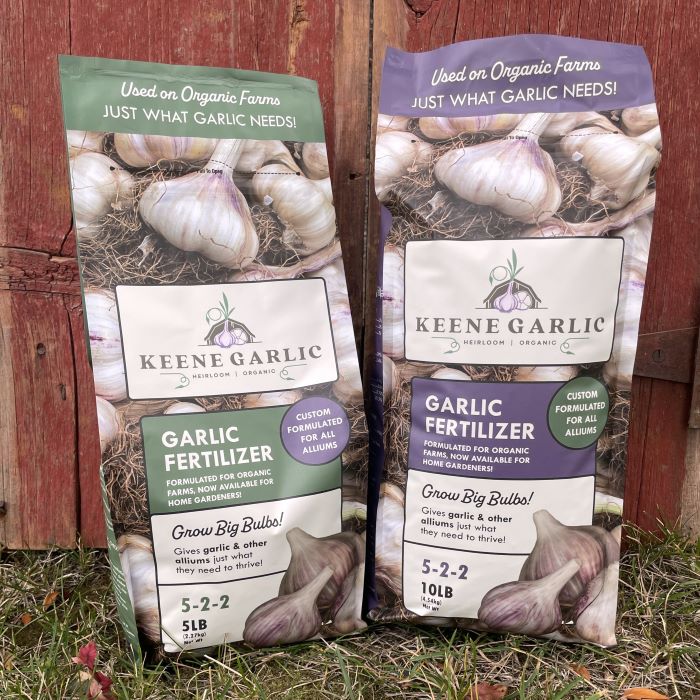
The best fertilizer for big garlic primarily depends on the nutritional needs of garlic plants and the specific soil conditions in your garden. Garlic thrives in fertile, loamy soil with good drainage and a pH of around 6.0 to 7.0. To achieve larger garlic bulbs, it is essential to use a balanced fertilizer that provides adequate nutrients. Here are some key fertilizers and practices to consider:
1. Organic matter: Incorporating organic matter like compost or well-rotted manure enriches the soil, improving its structure and nutrient availability. Organic fertilizers release nutrients slowly, providing a steady supply throughout the growing season.
2. Nitrogen-rich fertilizers: Garlic requires sufficient nitrogen to promote strong leaf growth, which is crucial for bulb development. Use fertilizers with a higher nitrogen content, such as blood meal or fish emulsion, early in the growing season.
3. Balanced fertilizers: A balanced fertilizer with an N-P-K (Nitrogen-Phosphorus-Potassium) ratio, such as 10-10-10 or 5-10-10, ensures the plants receive essential nutrients for overall health and bulb size. Apply this during planting and again when scapes appear.
4. Phosphorus and potassium boosters: To enhance bulb size and strengthen the roots, ensure an adequate supply of phosphorus and potassium. Bone meal is an excellent organic source of phosphorus, while greensand or kelp meal can supply potassium.
5. Mulching: After fertilizing, consider applying a layer of mulch. Mulch helps retain moisture, suppress weeds, and gradually adds nutrients to the soil as it breaks down.
Organic Compounds for Garlic Fertilization
Using organic compounds is beneficial for promoting healthy garlic growth. Organic materials not only provide nutrients but also improve soil structure.
- Compost - Rich in nutrients, compost improves soil health and supports microbial life, essential for nutrient uptake.
- Manure - Well-rotted manure, particularly from cows or horses, provides necessary nitrogen and enhances microbial activity in the soil.
- Seaweed - Seaweed extract can be used as a foliar spray to provide trace elements and hormones that promote growth.
Importance of Nitrogen for Garlic Growth
Nitrogen is crucial for garlic, as it supports leafy growth, which is integral to photosynthesis and energy production for bulb development.
- Leafy Growth - Robust leaves synthesize energy, leading to larger bulbs.
- Application Timing - Early nitrogen application is vital, followed by a second application as the plants grow.
- Risks of Excess Nitrogen - Avoid over-fertilization as it can lead to poor bulb formation and disease susceptibility.
Choosing a Balanced Fertilizer
A balanced fertilizer helps provide a full range of nutrients for garlic, ensuring overall plant health and productivity.
- N-P-K Ratios - Select fertilizers with appropriate ratios to meet garlic's needs during different growth stages.
- Slow-Release Options - Consider slow-release fertilizers to maintain nutrient levels over time, avoiding spikes.
- Application Techniques - Apply evenly around the plants to prevent nutrient burn while ensuring adequate coverage.
Phosphorus and Potassium for Bulb Development
Phosphorus and potassium play significant roles in root development and overall bulb health, which can enhance size and quality.
- Root Development - Phosphorus strengthens roots, crucial for nutrient absorption and anchorage.
- Bulb Size Enhancement - Adequate potassium contributes to larger garlic bulbs by promoting biochemical processes.
- Sources - Utilize bone meal for phosphorus and greensand or potassium sulfate for potassium supplementation.
The Role of Mulching in Garlic Cultivation
Mulching provides numerous benefits that support garlic growth and health, contributing to larger bulb size.
- Moisture Retention - Mulch minimizes water evaporation, keeping the soil consistently moist.
- Disease Prevention - A layer of mulch can prevent soil-borne diseases by providing a buffer between the soil and plant.
- Nutrient Addition - As the mulch decomposes, it adds organic matter and nutrients back into the soil.
Why is my garlic growing so small?

Garlic can sometimes grow smaller than expected due to a variety of factors related to its cultivation and environmental conditions. Understanding these factors can help you identify the causes of the stunted growth of your garlic bulbs.
See also:
Soil Quality
The quality of the soil in which garlic is planted plays a crucial role in its growth. Garlic thrives in loose, well-drained soil rich in organic matter. Poor soil conditions can lead to stunted growth. Key soil aspects include:
- pH Level: Garlic prefers a pH range of 6.0 to 7.0. Testing soil pH and adjusting if necessary can promote healthier growth.
- Nutrient Content: Insufficient nutrients, particularly nitrogen, phosphorus, and potassium, can hinder bulb development. Regular soil testing helps determine nutrient levels.
- Drainage: Heavy or compacted soil can hold too much water, leading to poor growth and possible rot. Amending soil with compost or sand can improve drainage.
Planting Depth
The depth at which garlic is planted significantly impacts bulb size. If planted too deep or too shallow, it may not develop properly. Consider the following:
- Optimal Depth: Garlic cloves should generally be planted 2 to 3 inches deep. This allows sufficient space for the bulb to grow.
- Soil Coverage: Insufficient soil coverage can expose cloves to air and harsh conditions, which may stunt growth.
- Timing: Planting at the wrong time can also affect how deeply the roots develop. Planting in fall is typically preferred for larger bulbs.
Watering Practices
Watering is essential for garlic growth, but improper practices can lead to small bulbs. Here are some important considerations:
- Watering Schedule: Garlic needs consistent moisture throughout its growth phase but does not tolerate waterlogging. A balanced approach is key.
- Soil Moisture: Allowing the soil to dry out completely before watering can stress the plants. Maintaining even moisture levels promotes better growth.
- Humidity Levels: Excessive humidity and inadequate drainage can lead to mildew or rot, compromising bulb size. Proper spacing can improve airflow.
Crop Competition
Garlic may struggle to grow alongside other plants due to competition for nutrients, water, and light. Consider the following factors:
- Adjacent Plants: Planting garlic too closely with other vigorous plants may result in stunted growth due to competition. Ensure adequate spacing.
- Weeds: Weeds can compete for nutrients and moisture. Regular weeding helps reduce competition and supports healthier garlic development.
- Companion Planting: Strategically choosing companion plants that are beneficial for garlic can enhance growth rather than inhibit it.
Climate and Temperature
Garlic is sensitive to climate and temperature conditions. Extreme temperatures can significantly affect its development. Important points include:
- Temperature fluctuations: Garlic requires a certain amount of cold exposure to grow large bulbs. Extremely hot temperatures can inhibit growth.
- Humidity: High humidity can lead to fungal diseases; low humidity may stunt growth. Monitor both to create a suitable environment.
- Seasonal Changes: Planting garlic at the right time based on local climate conditions ensures optimal growth. Consult local planting calendars for guidance.
Why did my garlic not get big?

There are several reasons why your garlic may not have grown to a desirable size. Understanding these factors is essential for improving future harvests. Here are some key considerations:
Soil Quality
The quality of the soil in which garlic is planted significantly affects its growth. Garlic requires well-drained, nutrient-rich soil to thrive. Key characteristics to consider include:
- Nutrient Content: Garlic benefits from rich organic matter, such as compost or well-rotted manure, which provides essential nutrients.
- pH Levels: Garlic prefers a pH level between 6.0 and 7.0. Soil that is too acidic or too alkaline can hinder growth.
- Drainage: Poorly drained soil can lead to bulb rot, while overly dry soil can stunt growth. Ensure adequate drainage for optimal growth.
Planting Time
The timing of planting garlic is critical for its development. Garlic should be planted during the appropriate season to maximize growth potential:
- Temperature: Garlic thrives in cool weather. Fall planting in regions with mild winters allows for better bulb development.
- Timing: Planting too early can cause the garlic to sprout prematurely, while late planting may not give the bulbs enough time to mature.
- Frost Dates: Protect garlic from frost by planting at a time when the risk of severe cold is minimal.
Watering Practices
Proper watering is essential for garlic growth. Both overwatering and underwatering can negatively impact bulb size:
- Consistency: Garlic needs consistent moisture during the growing season, especially when the bulbs are forming.
- Water Quality: Avoid using water that may be contaminated with chlorine or other chemicals, as they can affect garlic growth.
- Overwatering Signs: Yellowing leaves or rotting roots can indicate excessive water, leading to small bulbs.
Varietal Selection
Choosing the right variety of garlic can have a significant impact on bulb size. Not all garlic types produce large bulbs:
- Hardneck vs. Softneck: Hardneck varieties typically produce larger bulbs than softneck varieties, making them a preferred choice for sizeable harvests.
- Local Adaptation: Select garlic strains that are well-adapted to your local climate and soil conditions for better growth.
- Seed Quality: Planting certified disease-free garlic seed can promote healthier and larger bulb formation.
Pest and Disease Management
Pests and diseases can severely affect garlic growth and bulb size, leading to smaller yields:
- Regular Inspection: Check for signs of pests like aphids or nematodes that can harm garlic plants.
- Disease Control: Implement crop rotation and avoid planting garlic in areas where it has previously been grown to minimize disease risk.
- Fungal Issues: Be aware of fungal diseases like white rot, which can reduce bulb size and overall crop health.
Questions from Our Readers
What soil conditions are best for growing large garlic?
To achieve large garlic, the soil should be well-draining and rich in organic matter. Incorporating compost or well-rotted manure will improve fertility, and a pH level between 6.0 and 7.0 is ideal for thriving garlic plants.
How much water does garlic need to grow big?
Garlic requires consistent moisture, especially during the bulbing stage. It’s essential to provide around 1 inch of water per week, ensuring the soil remains moist but not waterlogged, as overwatering can lead to rot and hinder growth.
See also:
When is the best time to plant garlic for optimal size?
The best time to plant garlic for larger bulbs is in the fall, generally 4 to 6 weeks before the ground freezes. This allows the garlic to establish roots before winter and promotes robust growth in the spring, resulting in bigger bulbs at harvest.
What nutrients are crucial for growing large garlic?
To grow big garlic, it’s important to provide nutrients such as nitrogen, phosphorus, and potassium. A balanced fertilizer or specific garlic fertilizer can help ensure plants receive the necessary macro and micronutrients to thrive and produce larger bulbs.

If you want to read more articles like How to Make Garlic Grow Big? Top Tips for Thriving Garlic Plants, we recommend you check out our Garlic category.
Leave a Reply
Related Articles