Can I Plant a Whole Garlic Bulb? Tips and Benefits for Successful Garlic Growing

Garlic is a staple ingredient in kitchens around the world, celebrated for its flavor and health benefits. Many home gardeners wonder: can I plant a whole garlic bulb? This article explores the ins and outs of garlic cultivation, providing tips on planting, care, and harvesting. Discover the advantages of planting whole bulbs versus individual cloves, and learn how this method can lead to a bountiful harvest. With the right approach, growing garlic can be a rewarding experience that enhances your culinary creations while promoting a sustainable garden. Join us as we delve into the art of successful garlic growing.
Can You Plant a Whole Garlic Bulb?
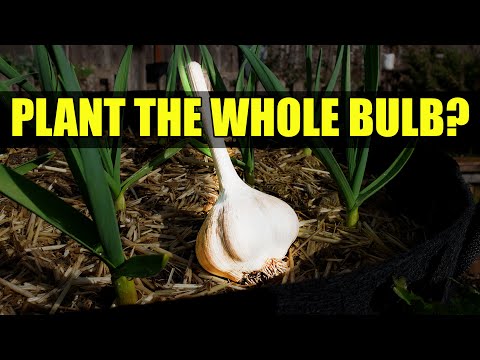
Yes, you can plant a whole garlic bulb, but it is generally not recommended for optimal growth. Planting a single bulb might lead to overcrowding as the individual cloves start to sprout and grow, which can result in smaller bulbs at harvest time. Instead, it is advisable to separate the bulb into individual cloves and plant them individually to give each clove enough space to develop into a full-sized garlic bulb. This method ensures better drainage, airflow, and access to nutrients, ultimately leading to healthier plants and a more bountiful harvest.
Benefits of Planting Individual Cloves
Planting individual cloves rather than a whole bulb provides several advantages. Each clove has the potential to grow into a full-sized bulb, allowing for more space and resources for each plant. This results in larger, healthier bulbs, as they are not competing for nutrients and moisture in the soil. Moreover, planting cloves promotes better air circulation, reducing the risk of disease and fungal infections, which are more likely in dense plantings.
Preparing Garlic for Planting
To prepare garlic for planting, start by selecting a healthy bulb from a reputable source, ideally an organic supplier. Gently break apart the bulb into individual cloves, making sure to keep the papery skins intact. Avoid using cloves from the grocery store, as they may be treated with chemicals to inhibit sprouting. Once separated, choose the largest cloves for planting, as they will yield the best results. Plant them with the pointed end facing up, about 2 inches deep in well-draining soil.
Ideal Growing Conditions for Garlic
Garlic thrives in full sun and well-draining soil with a pH between 6.0 and 7.0. It prefers slightly acidic conditions, so consider amending your soil with compost to enhance its fertility and structure. Garlic requires approximately 6-8 hours of sunlight daily to grow robustly. It is crucial to keep the soil consistently moist but not waterlogged. Proper irrigation practices will ensure healthy root development and promote strong growth during the growing season.
When to Plant Garlic
The best time to plant garlic varies depending on your climate. In cooler regions, planting should occur in the fall, about 4-6 weeks before the ground freezes, allowing the garlic to establish roots before winter sets in. In warmer climates, spring planting is also acceptable, but it may yield smaller bulbs. By planting during the appropriate season, garlic plants can benefit from the natural cold exposure in winter, which helps improve bulb formation for a better harvest.
Common Mistakes to Avoid
Some common mistakes when planting garlic include planting the whole bulb, which leads to overcrowding, and using cloves that are unhealthy or contaminated. It's also a mistake to ignore soil preparation, as garlic needs nutrient-rich soil to thrive. Overwatering is another pitfall, as garlic is vulnerable to rot in overly wet conditions. Lastly, neglecting to remove weeds can compete for resources, compromising garlic growth. By being mindful of these mistakes, you can ensure a successful garlic crop.
| Aspect | Recommendation |
|---|---|
| Planting Method | Individual cloves |
| Sunlight | Full sun (6-8 hours) |
| Soil Type | Well-draining, nutrient-rich |
| Ideal pH | 6.0 - 7.0 |
| Watering | Consistent moisture, avoid overwatering |
What happens when you plant a whole garlic clove?

When you plant a whole garlic clove, several exciting biological processes begin that lead to the growth of a new garlic plant. Garlic (Allium sativum) grows from individual cloves, which are sections of the bulb. Here’s what happens when you plant a whole garlic clove:
1. Root Development: Once planted, the garlic clove begins to develop roots.
- The roots will start to emerge from the bottom of the clove as it absorbs moisture from the surrounding soil.
- Root growth is crucial as it anchors the plant and helps in nutrient uptake.
2. Sprouting: After the roots have developed sufficiently, the clove starts to sprout.
- The sprout, often referred to as a garlic shoot, will break through the soil surface, signaling the initial stages of growth.
- This sprouting phase can take about a week or two, depending on the soil temperature and moisture.
3. Leaf Production: As the shoot continues to grow, it will produce leaves, which are essential for photosynthesis.
- The leaves grow upward, developing a green hue as they begin to convert sunlight into energy.
- Healthy leaf production allows the plant to store energy, which is necessary for bulb formation.
4. Bulb Formation: After a few months, the plant focuses on forming the bulb.
- The nutrients and energy gathered by the leaves are used to enlarge the clove and form a new bulb.
- This process typically occurs underground and can take several weeks to several months, depending on the variety of garlic and environmental conditions.
5. Harvesting: When the plant reaches full maturity, it is time for harvesting.
- The green tops of the plant will begin to yellow and die back, indicating that the garlic bulbs are ready to be dug up.
- A successful harvest yields a new bulb made up of several cloves, ready for culinary use or to replant.
Root Development
When a garlic clove is planted, it focuses on establishing a strong root system. The roots will dig into the soil, providing stability and access to nutrients and water.
- Roots anchor the plant and support its growth.
- Roots absorb moisture and essential nutrients from the soil.
- A robust root system enhances the plant's ability to thrive in varying conditions.
Sprouting Process
Following successful root establishment, the garlic clove initiates the sprouting process. This phase is vital for the plant's transition from underground to above ground.
- The sprout can vary in color from white to green, depending on the variety.
- Emergence typically occurs after approximately 7-14 days.
- This indicates the clove is alive and actively growing.
Leaf Growth and Photosynthesis
After the sprout appears, the plant will begin to produce leaves that are instrumental in photosynthesis.
- Leaves capture sunlight and convert it into chemical energy.
- Healthy leaves are crucial for the overall health of the garlic plant.
- More leaves typically mean a larger bulb formation at harvest.
Bulb Formation
Once the plant has developed sufficient leaves, it shifts focus to bulb formation. This stage is critical for the eventual maturity of the garlic.
- The clove enlarges, creating a new bulb composed of multiple cloves.
- Energy stored in the leaves is redirected towards building the bulb.
- This phase usually occurs underground and can take several weeks to months.
Harvesting Techniques
Finally, harvesting is the ultimate goal after successful growth. This is when the garlic is ready to be used or replanted.
- Timing is crucial; harvest when the foliage turns yellow and begins to die back.
- Use a garden fork to carefully lift the bulbs from the soil.
- Properly curing the harvested garlic will extend its shelf life.
What is the mistake in planting garlic?

Planting garlic can be a rewarding experience, but there are several common mistakes that gardeners often make that can lead to poor growth and yields. Understanding these pitfalls can help you cultivate a healthy crop of garlic.
Incorrect Planting Time
One of the most critical factors in successfully planting garlic is timing. Garlic should be planted in the fall or early spring depending on the variety and climate.
- Planting too early in the spring can expose garlic to frost, stunting growth.
- Failing to plant in the fall can prevent the bulbs from properly developing their roots and leads to smaller heads.
- Not considering local climate conditions can result in poor garlic performance.
Poor Soil Preparation
Soil quality is essential for healthy garlic growth. Many gardeners neglect to properly prepare their soil before planting.
- Using soil that is too compact will hinder root development.
- Failing to test soil pH can lead to nutrient deficiencies.
- Not enriching the soil with organic matter can reduce yield quality.
Improper Spacing
Another common mistake is inadequate spacing between the garlic plants. Garlic needs sufficient room to grow and develop.
- Planting bulbs too close together can lead to competition for nutrients and water.
- Not leaving space for air circulation can increase the risk of fungal diseases.
- Ignoring the recommended spacing guidelines may result in smaller bulbs.
Using Inappropriate Varieties
Choosing the wrong type of garlic for your climate is a substantial error that many gardeners make. Garlic varieties are not one-size-fits-all.
- Not selecting a variety that is adapted to your growing zone can lead to poor yields.
- Planting a variety meant for storage instead of fresh consumption may not thrive.
- Failing to consider hardneck versus softneck types can affect how garlic grows in your area.
Neglecting Pest and Disease Management
Many gardeners overlook the importance of pest and disease management in garlic cultivation.
- Not monitoring for signs of pests like nematodes or aphids can lead to infestations.
- Failing to rotate crops increases the chance of soil-borne diseases affecting garlic.
- Ignoring preventive measures, such as mulching, can worsen disease problems.
Questions from Our Readers
Can I plant a whole garlic bulb?
Yes, you can plant a whole garlic bulb, but it is typically more effective to separate the cloves first. When you plant individual cloves, they have a better chance of growing into healthy bulbs, as each clove contains its own energy source. Planting a whole bulb may lead to crowding and poor growth.
What happens if I plant a whole garlic bulb?
If you plant a whole garlic bulb, it may eventually split into several cloves as it grows, but this process can cause the resulting bulbs to be smaller and less developed. The cloves may compete for nutrients and space, leading to inconsistent growth and lower yields compared to planting individual cloves.
When is the best time to plant garlic bulbs?
The best time to plant garlic bulbs is usually in the fall, about 4-6 weeks before the ground freezes, allowing them to establish roots before winter. In warmer climates, you may also consider spring planting. Timing is crucial for achieving the best harvest in the following season.
How deep should I plant garlic cloves?
Garlic cloves should be planted about 2 inches deep in well-drained soil, with the pointed end facing upward. This depth allows the cloves to take root firmly while ensuring they can easily break through the soil surface as they grow. Steady moisture levels are also important for successful development.
If you want to read more articles like Can I Plant a Whole Garlic Bulb? Tips and Benefits for Successful Garlic Growing, we recommend you check out our Garlic category.
Leave a Reply
Related Articles