What Not to Put Next to Garlic? Essential Tips for Effective Garlic Storage

Garlic is a staple ingredient in many kitchens around the world, celebrated for its robust flavor and health benefits. However, proper storage is crucial to prevent spoilage and maintain its quality. One common mistake is placing garlic next to certain other foods or items that can impact its freshness and flavor. In this article, we will explore essential tips on what not to store next to garlic, ensuring you get the most out of this aromatic bulb. Understanding these storage practices can enhance your cooking experience and prolong the shelf life of garlic in your pantry.
What Not to Store Next to Garlic
Storing garlic properly is crucial for maintaining its flavor and potency; however, it’s essential to be mindful of what is placed near it. Garlic should not be stored next to strong-smelling foods like onions or potatoes, as these can cause garlic to absorb odors and lose its unique taste. Additionally, avoiding moisture is vital, so it should not be placed near wet ingredients or in humid conditions, as this can lead to mold growth and spoilage. Lastly, it's best to keep garlic away from fruits such as apples and pears, which emit ethylene gas that can accelerate ripening and degradation of garlic.
Strong-Smelling Foods
Garlic can easily absorb the odors of strong-smelling foods such as onions, which can alter its flavor profile. Keeping them separate helps maintain the integrity of garlic's taste and aroma, allowing it to shine in various dishes.
Moisture-Rich Ingredients
Garlic is highly susceptible to spoilage due to excess moisture. Items with high water content, like fresh herbs or vegetables, can create an environment conducive to mold and rot if placed next to garlic, leading to a quick decline in its quality.
Fruits Emitting Ethylene Gas
Certain fruits, particularly apples and pears, release ethylene gas as they ripen. This gas can hasten the deterioration of garlic, causing sprouting or an off-flavor, so it's beneficial to keep these fruits away from garlic to prolong its shelf life.
Spices and Seasonings
While spices can enhance the flavor of dishes that include garlic, storing them too close can lead to cross-contamination of flavors, potentially overwhelming the delicate taste of garlic. It's wise to store spices in a separate location to preserve their individual qualities.
Other Alliums
Garlic should not be stored next to other alliums such as leeks or shallots. Similar to onions, these can compete in flavor absorption and may accelerate spoilage, making it essential to keep garlic isolated for optimal freshness.
| Item | Reason |
|---|---|
| Onions | Can alter garlic's flavor |
| Potatoes | Can cause moisture buildup |
| Fruits (e.g. Apples, Pears) | Emit ethylene gas, accelerating spoilage |
| Fresh Herbs | High moisture can lead to mold |
| Spices | Can contaminate garlic's flavor |
What are the enemies of garlic?
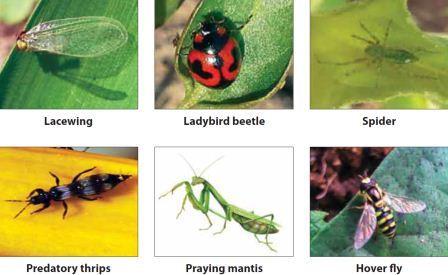
Garlic, a widely used culinary herb known for its distinct flavor and health benefits, faces several natural enemies that can hinder its growth and quality. Understanding these threats is essential for gardeners and farmers who aim to cultivate healthy garlic plants. Here are some of the primary enemies of garlic:
Pests
Garlic is susceptible to various pests that can damage its foliage and bulbs, ultimately affecting crop yield. Predominant pests include:
See also:
- Garlic Mites: These tiny creatures infest garlic plants, causing damage to leaves and bulbs, leading to stunted growth.
- Onion Thrips: They are small, slender insects that suck the sap from garlic plants, resulting in discoloration and reduced vitality.
- Wireworms: The larvae of click beetles, wireworms feed on the bulbs underground, causing decay and reducing harvest quality.
Disease
Garlic is also prone to several diseases that can undermine plant health. Some notable diseases include:
- White Rot: A fungal disease that affects the roots and causes bulbs to rot, making plants wilt and die.
- Downy Mildew: This fungal infection leads to yellowing of the leaves and can severely affect the photosynthesis process.
- Fusarium Wilt: Caused by Fusarium fungi, this disease leads to yellowing leaves and can ultimately kill the plant.
Nutrient Deficiencies
Garlic requires specific nutrients to thrive, and deficiencies can make it vulnerable to other threats. Key nutrient deficiencies include:
- Nitrogen Deficiency: Insufficient nitrogen can result in poor leaf growth and weak plants, making them susceptible to pests and diseases.
- Potassium Deficiency: This can lead to weak bulb formation and increased vulnerability to pathogens.
- Phosphorus Deficiency: A lack of phosphorus impairs root development, hindering the plant’s ability to absorb water and nutrients.
Environmental Factors
Garlic can be affected by various environmental stressors that inhibit its growth. Important environmental factors include:
- Excessive Water: Overwatering can lead to root rot and create a conducive environment for fungal diseases.
- High Temperatures: Extreme heat can stress garlic plants, leading to bolting, where the plant prematurely flowers, impairing bulb development.
- Poor Soil Drainage: Soil that retains too much water can hinder root health and expose garlic to diseases.
Competing Plants
Garlic can face competition from other plants in the garden. Competing plants can limit the resources available to garlic. Key competitors include:
- Weeds: These unwanted plants can outcompete garlic for nutrients, water, and light, leading to poor growth.
- Incompatible Companion Plants: Some plants release allelopathic chemicals that can inhibit garlic growth, such as certain members of the cabbage family.
- Dense Planting: Planting garlic too closely to other crops can lead to overcrowding and insufficient airflow, increasing disease risk.
What to not mix with garlic?
Garlic is a popular ingredient in many cuisines around the world, known for its strong flavor and numerous health benefits. However, there are certain foods and combinations that can clash with garlic, either altering its taste or diminishing its health properties. Here’s an exploration of what to avoid mixing with garlic.
1. Garlic and Dairy Products
Mixing garlic with dairy products can lead to an unpleasant taste combination. The bold flavors of garlic can overpower the creamy texture of dairy, resulting in a dish that lacks harmony. Additionally, some people find that this combination can lead to digestive issues.
- Cheese: The sharpness of certain cheeses can clash with garlic.
- Cream: Garlic can overshadow the delicate flavor of cream sauces.
- Milk: Mixing garlic with milk can create a heavy, unappetizing flavor profile.
2. Garlic and Acidic Foods
Garlic’s flavor can become too pungent when combined with acidic foods. High acidity can cause garlic to taste sharper and more bitter, which can ruin the overall taste of a dish.
- Lemon: While lemon can enhance flavors, it may also amplify the bitterness of garlic.
- Vinegar: The tartness can lead to a clash rather than a complement.
- Tomatoes: The acidity of tomatoes can make raw garlic taste harsh and overwhelming.
3. Garlic and Fish
Combining garlic with fish can sometimes result in flavors that do not mesh well, especially with more delicate fish varieties. The strong flavor of garlic can dominate the subtle tastes of fish.
- White fish: Mild flavors may be overshadowed by garlic’s intensity.
- Sushi: Mixing raw fish with garlic can disrupt traditional flavor combinations.
- Salmon: While some may enjoy the combination, it can overpower the fish's natural richness.
4. Garlic and Certain Herbs
When pairing garlic with certain herbs, the two can compete rather than complement one another. It's essential to choose herbs that enhance rather than distract from garlic's flavor.
See also:
- Basil: Garlic can clash with the sweet notes of basil.
- Mint: The freshness of mint may conflict with garlic’s depth.
- Rosemary: This strong herb can compete with garlic, leading to an unbalanced flavor.
5. Garlic and Sweets
Garlic is not typically a flavor that pairs well with sweet foods. The combination can lead to unappealing flavor contrasts that are difficult to enjoy.
- Chocolate: The richness of chocolate conflicts significantly with garlic’s sharp taste.
- Fruit-based desserts: Sweet fruit flavors can clash with the savory profile of garlic.
- Cakes and pastries: The sweetness can create an odd pairing, often leading to a confusing palate experience.
What not to store next to garlic?

Storing garlic properly is essential for maintaining its flavor and preventing spoilage. However, certain foods should not be kept near garlic due to their potential to modify its flavor, accelerate spoilage, or affect overall quality. Here are some foods you should avoid storing next to garlic:
Moisture-Rich Vegetables
Garlic is sensitive to moisture, and storing it beside moisture-rich vegetables can lead to premature spoilage. When garlic is exposed to high humidity, it can sprout or rot more quickly. Common examples include:
- Onions: These can emit moisture and ethylene gas, which both can shorten garlic’s shelf life.
- Tomatoes: Similar to onions, they release moisture that can affect garlic's condition.
- Bell Peppers: Their moisture content can lead to mold growth on adjacent garlic.
Strongly-Scented Ingredients
Garlic has a unique and potent aroma that can be affected by other strongly-scented ingredients. Storing these foods nearby can lead to flavor contamination, which is undesirable in cooking. Here are some examples:
- Cilantro: This herb has a strong aroma that can seep into garlic, altering its taste.
- Cheddar Cheese: The cheese’s pungency can overpower the subtle flavors of garlic.
- Fish: The smell from fish can transfer to garlic, compromising the garlic's flavor.
Fruits That Produce Ethylene Gas
Certain fruits emit ethylene gas, which can accelerate ripening and spoilage in nearby produce. Garlic is among those that should be kept away from these ethylene-producing fruits:
- Apples: They release ethylene gas, which can spoil garlic faster.
- Pears: Similar to apples, pears can also adversely affect garlic's shelf life.
- Bananas: Known for their high ethylene production, bananas should be stored separately from garlic.
Root Vegetables
While not as perishable as some other vegetables, root vegetables can still affect garlic’s longevity when stored together. Root vegetables have varying moisture levels and can harbor bacteria that cause spoilage:
- Potatoes: Storing garlic with potatoes can lead to sprouting and spoilage due to the moisture they share.
- Carrots: They too can release moisture, which does not bode well for garlic.
- Beets: The moisture and potential spills from beets can also hasten garlic’s spoilage.
Any Items in Plastic Packaging
Garlic thrives in dry and ventilated spaces, and storing it alongside items in plastic packaging can trap moisture. This could lead to garlic going bad sooner than expected:
- Pre-packaged Salads: Often wrapped in plastic, these can introduce moisture to the garlic.
- Canned Goods: Although they are non-perishable, the temperature variations can affect garlic stored nearby.
- Frozen Foods: The condensation from frozen foods can create too much moisture for garlic to handle.
Questions from Our Readers
What foods should I avoid placing next to garlic?
Garlic can strongly influence the flavor of nearby foods, so it's best to avoid placing it next to items with delicate flavors, such as herbs, because it may overpower their subtlety.
Does garlic have any food compatibility issues?
Yes, garlic can interact negatively with certain foods like dairy products; the intense flavor might clash, and in some cases, it could lead to unpleasant digestive reactions when consumed together.
See also:
Can garlic spoil other ingredients when stored together?
Absolutely. Garlic exudes strong odors and juices that can affect the freshness of items like fruits and vegetables, causing them to spoil faster or absorb unwanted flavors.
What should I do if garlic and other foods have been stored together?
If garlic and other foods were stored together, it’s a good idea to check for any flavor absorption or spoilage. You may need to separate them and consider discarding anything that has taken on an off-putting smell or taste.
If you want to read more articles like What Not to Put Next to Garlic? Essential Tips for Effective Garlic Storage, we recommend you check out our Garlic category.
Leave a Reply
Related Articles