Does Garlic Repel Ticks? The Truth About Garlic as a Natural Tick Repellent

Garlic has long been celebrated for its culinary and medicinal properties, but can it serve as a natural repellent for ticks? As outdoor enthusiasts seek more natural methods to protect themselves and their pets from tick bites, the idea of using garlic has gained traction. This article delves into the claims surrounding garlic's efficacy as a tick repellent, examining scientific research and expert opinions. By unraveling the truth behind this age-old remedy, we aim to provide clarity for those exploring natural alternatives to chemical repellents in the ongoing battle against tick-borne diseases.
Does Garlic Really Repel Ticks?
Garlic is often touted as a natural remedy for various pests, including ticks, but its effectiveness is a topic of debate. While some anecdotal evidence suggests that consuming garlic or using garlic oil may create a scent that is unappealing to ticks, scientific research has not definitively proven this claim. The compounds found in garlic, such as allicin, are believed to have insect-repelling properties, but these effects may be limited and not reliable for comprehensive tick prevention. It's important to consider other, more proven methods of tick prevention, such as wearing protective clothing, using EPA-registered tick repellents, and regularly checking for ticks after outdoor activities.
What Compounds in Garlic Might Repel Ticks?
The primary compound in garlic thought to be responsible for any repellent properties is allicin, which is produced when garlic is crushed or chopped. This compound has been studied for its antimicrobial and insect-repellent properties, but its efficacy specifically against ticks has not been conclusively demonstrated. While rats and other pests have shown varied responses to garlic extracts, ticks have not been significantly deterred in controlled studies, suggesting that garlic's repellent properties are not robust enough to rely upon.
How to Use Garlic for Tick Prevention
Some suggest consuming raw or cooked garlic to potentially deter ticks through one's body odor, while others recommend applying garlic oil or extracts to the skin or clothing. However, it is essential to note that while topical applications may provide a temporary repellent effect, any effectiveness is likely short-lived and not nearly as reliable as chemicals specifically formulated for tick prevention. Additionally, some individuals may experience skin sensitivities or allergic reactions to garlic, warranting cautious use.
Are There Alternatives to Garlic for Tick Repellent?
Yes, scientifically-backed alternatives exist for effective tick prevention, including DEET, picaridin, and oil of lemon eucalyptus. These substances have been rigorously tested and proven to repel ticks for extended periods. Furthermore, using permethrin-treated clothing can significantly reduce the risk of tick bites. Regularly inspecting your body and clothing to remove any ticks promptly is also a crucial measure for reducing the risk of tick-borne diseases.
Health Risks Associated with Tick Bites
Ticks are known vectors for several serious diseases, including Lyme Disease, Rocky Mountain spotted fever, and anaplasmosis. These infections can lead to severe health issues if not treated promptly. Understanding and recognizing the symptoms of these tick-borne diseases is vital for early intervention. Preventative measures, such as proper tick removal, consulting with healthcare providers, and being aware of ticks in your area, are essential in minimizing the risk of health complications associated with tick bites.
What the Research Says About Garlic and Ticks
Research surrounding garlic's effectiveness against ticks is limited and often inconclusive. Some studies have suggested that certain essential oils derived from garlic may have mild repellent properties, yet these findings are not robust enough to recommend garlic as a primary method of tick prevention. Most experts advise relying on more effective, proven strategies for managing tick exposure, underscoring the importance of following established guidelines for tick safety rather than solely depending on home remedies like garlic.
| Method | Effectiveness |
|---|---|
| Garlic Consumption | Uncertain, anecdotal evidence only |
| Topical Garlic Oil | Temporary, may cause skin irritation |
| DEET | Highly effective, long-lasting |
| Picaridin | Highly effective, less odor |
| Permethrin-treated Clothing | Very effective, lasts through multiple washes |
Does taking garlic keep ticks away?

Taking garlic has been widely discussed as a natural remedy for repelling various pests, including ticks. The active compounds in garlic, particularly allicin, are believed to have insect-repellent properties. However, the effectiveness of garlic specifically against ticks is not strongly supported by scientific evidence. While some anecdotal reports suggest that consuming garlic may help reduce tick bites, research on this topic is limited and often inconclusive. The concentration of garlic and the individual's body chemistry can affect its efficacy. It may also be important to consider how garlic interacts with other factors, such as environmental conditions and personal hygiene practices.
See also:
Understanding Ticks and Their Behavior
Ticks are blood-feeding parasites that thrive in wooded or grassy areas. They have a unique life cycle that includes several stages: egg, larva, nymph, and adult. Understanding their behavior can help in managing tick exposure.
- Ticks are attracted to warmth and carbon dioxide, making humans and animals prime targets.
- They often latch onto hosts while traveling through overgrown vegetation.
- Ticks can be carriers of diseases like Lyme disease and Rocky Mountain spotted fever.
How Garlic Works as a Natural Repellent
Garlic is believed to release certain compounds into the bloodstream after consumption, which may be exuded through the skin. These compounds might emit a scent that could potentially repel ticks and other insects.
- Allicin is the key compound in garlic thought to have repelling properties.
- Some studies suggest that garlic may not directly kill ticks but can systemically deter them.
- The method of consumption (raw, cooked, or in supplements) can impact the efficacy.
Scientific Research on Garlic and Ticks
While there are claims about garlic's effectiveness in repelling ticks, scientific research is limited. A few studies investigated the role of garlic in pest control, but results have been mixed and not conclusive.
- Most studies focus on garlic's impact on mice or other animals, not directly on human exposure.
- Research on the chemical composition of garlic often shows promise but lacks field-study evidence.
- More comprehensive human trials are required to establish clear, preventive measures.
Alternatives to Garlic for Tick Prevention
For those seeking alternatives to garlic, various methods exist to keep ticks at bay effectively. Using a combination of strategies can create a multi-layered defense.
- Insect repellents containing DEET or picaridin are recommended for outdoor activities.
- Wearing protective clothing and treating garments with permethrin can minimize exposure.
- Regularly checking for ticks after spending time outdoors can aid in early detection.
Practical Tips for Tick Management
In addition to exploring potential natural remedies like garlic, practical measures are vital for managing and preventing tick bites, especially in wooded or high-grass environments.
- Stay on marked paths and avoid tall grasses or dense vegetation while hiking.
- Shower after outdoor activities to help wash off ticks and inspect your body.
- Keep lawns and gardens well-trimmed and remove leaf litter to reduce tick habitats.
How do you make garlic spray for ticks?
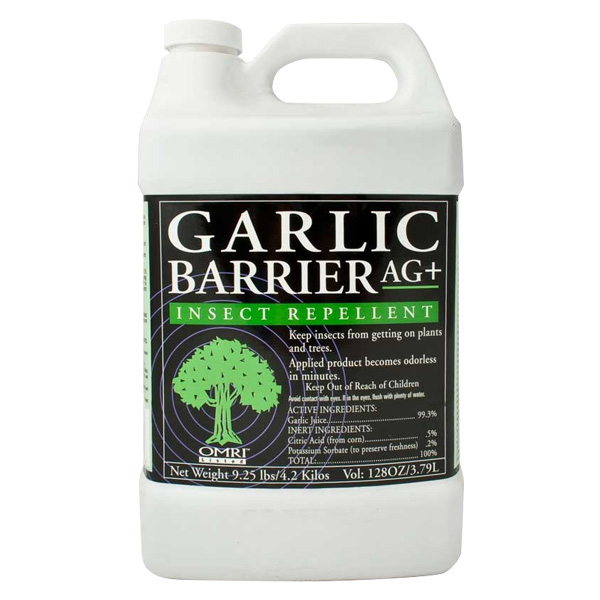
To make garlic spray for ticks, you'll need a few simple ingredients and follow some straightforward steps. Garlic has natural insect-repelling properties, and when turned into a spray, it can be effective for deterring ticks from your yard or garden. Here’s a detailed guide on how to create this natural pesticide.
Ingredients Needed
1. Garlic: Approximately 1 head of garlic.
2. Water: 1 quart (about 4 cups).
3. Oil: Optional, but you can use mineral oil or vegetable oil.
4. Liquid soap: A few drops of mild dish soap can help the mixture adhere better to surfaces.

Instructions to Make Garlic Spray
- Begin by peeling and crushing the garlic cloves to release their essential oils.
- Combine the crushed garlic with the water in a blender and blend it into a smooth mixture.
- Strain the blended mixture using cheesecloth to remove any solid pieces, retaining only the garlic-infused water.
- If using oil, add a few drops to the strained liquid to enhance the spray’s sticking power.
- Mix in a few drops of liquid soap, which acts as an emulsifier, ensuring the oil and water mix well.
- Pour the mixture into a spray bottle for easy application.
How to Apply Garlic Spray
To effectively use garlic spray for ticks, proper application is key.
- Spray the garlic solution around your yard, focusing on areas where ticks are likely to be found, such as tall grasses and shrubbery.
- Reapply the garlic spray every 2-3 weeks, especially after it rains, as the rain can wash away the protective properties.
- Additionally, apply directly to your pets’ collar or fur in areas prone to tick contact, ensuring they are not allergic to garlic.
Benefits of Garlic Spray
Using garlic spray has multiple benefits for tick control and gardening.
- Natural insect deterrent: Garlic is a safe alternative to chemical pesticides, posing less risk to beneficial insects and the environment.
- Cost-effective: Making your own garlic spray is significantly cheaper than buying commercial tick repellents.
- Eco-friendly: Garlic spray is biodegradable and won't contribute to soil or water pollution.
Precautions When Using Garlic Spray
While garlic spray is generally safe, there are some precautions you should consider.
- Allergic reactions: Some people and pets may be allergic to garlic. Always perform a patch test on a small area before widespread application.
- Avoid spraying on edible plants: Garlic might affect the taste or safety of edible crops. Use caution in gardens with vegetables or herbs.
- Storage considerations: Store any leftover garlic spray in a cool, dark place and use within a month to maintain efficacy.
Effectiveness of Garlic Spray Against Ticks
Understanding how effective garlic spray can be against ticks can help in creating a pest management strategy.
- Repellency: Garlic's strong odor is believed to repel ticks and other insects, reducing their presence in treated areas.
- Not a full solution: While effective, garlic spray should be part of a broader tick control strategy, including habitat modification and regular pet checks.
- Seasonal considerations: Apply garlic spray proactively, especially during peak tick season, ensuring a barrier before ticks become prevalent.
Additional Homemade Tick Remedies
In addition to garlic spray, there are other homemade remedies that may assist in tick control.
- Diatomaceous Earth: Sprinkle food-grade diatomaceous earth in the yard; it dehydrates ticks upon contact.
- Apple cider vinegar: Mixing water with apple cider vinegar can also create a spray that is said to deter ticks when applied to surfaces.
- Essential oils: Oils like peppermint or eucalyptus diluted in water can be effective when sprayed around tick-infested areas.
Questions from Our Readers
Does garlic repel ticks?
Yes, garlic is often mentioned as a potential natural tick repellent. The idea is that the strong smell of garlic may deter ticks and other pests, but scientific evidence on its effectiveness is limited. While some people swear by garlic as a preventative measure, it's important to note that it may not be completely reliable.
How can garlic be used to repel ticks?
Garlic can be used in various forms, such as supplements, oil, or even sprays made from garlic juice mixed with water. Some individuals apply garlic oil topically, while others incorporate it into their diet, hoping that the smell will repel ticks. However, it's essential to understand that the effectiveness varies from person to person.
See also:
Are there any risks associated with using garlic for tick prevention?
While generally considered safe, excessive consumption of garlic may lead to gastrointestinal issues or allergic reactions in some individuals. Moreover, using garlic oil on the skin could cause irritation or sensitivity, so it's advisable to perform a patch test beforehand. Always consult with a healthcare professional if you have concerns.
What are some proven alternatives to repel ticks?
There are several proven alternatives for tick prevention, including DEET, permethrin-treated clothing, and other EPA-registered repellents. These options have undergone extensive testing and are recognized for their effectiveness in keeping ticks at bay, making them a more reliable choice compared to garlic.
https://youtube.com/watch?v=98w9bX1q4w0
If you want to read more articles like Does Garlic Repel Ticks? The Truth About Garlic as a Natural Tick Repellent, we recommend you check out our Garlic category.
Leave a Reply
Related Articles