How Close Together Can I Plant My Garlic? A Guide to Optimal Spacing for Healthy Growth

When it comes to growing garlic, proper spacing is crucial for achieving healthy bulbs and a bountiful harvest. Planting garlic too close together can lead to competition for nutrients, water, and sunlight, ultimately affecting the growth and size of your bulbs. Conversely, spacing them too far apart may not maximize your garden space. This guide will explore the optimal spacing for planting garlic, taking into account various factors such as soil type, climate, and garlic variety. By following these guidelines, you can ensure that your garlic plants thrive and produce the flavorful, aromatic bulbs you desire.
How Close Together Can I Plant My Garlic?
When considering planting garlic, it's essential to understand the spacing requirements for optimal growth. Generally, you should plant garlic cloves about 4 to 6 inches apart in rows that are 12 to 18 inches apart. This spacing allows enough room for each plant to develop a robust bulb while ensuring that they receive adequate sunlight, air circulation, and nutrition from the soil. Closer spacing can lead to competition for resources, potentially resulting in smaller bulbs, while too much space may waste garden real estate.
Why Spacing Matters
Proper spacing between garlic cloves is crucial for their overall health and development. When garlic plants are too close together, they may compete for water, nutrients, and light, which can inhibit their growth and lead to smaller bulbs. Additionally, better airflow between plants minimizes the risk of fungal diseases, which can thrive in cramped quarters.
Ideal Planting Distance for Different Garlic Varieties
The distance you plant garlic can also depend on the variety. For instance, hardneck garlic may benefit from planting closer together, approximately 4 inches apart, while softneck varieties typically thrive with a spacing of 6 inches. Understanding the characteristics of the type of garlic you are planting can help optimize your harvest.
Companion Planting Considerations
If you choose to practice companion planting, which involves growing garlic alongside other vegetables, you must still consider the spacing. Garlic can help deter certain pests, but overcrowding can reduce the effectiveness of both crops. Establishing sufficient space—generally an additional 2 to 3 inches around companion plants—can ensure that each plant receives ample resources.
Soil Preparation and Spacing
Before planting, it's essential to prepare the soil adequately, ensuring it is loose and well-draining. Adequate soil preparation can influence the effective spacing of garlic. If soil is compacted, it might require more space between garlic cloves, as the roots will struggle to expand in a confined environment. A well-tilled bed allows for closer planting while still supporting healthy growth.
Impact of Climate on Planting Density
The climate in which you're planting garlic can also influence how closely you can plant your cloves. In cooler climates, garlic may thrive with closer spacing, while in hotter regions, increased distance might be necessary to prevent heat stress. Understanding your local weather and soil conditions will help dictate the best practices for spacing garlic.
| Spacing | Variety | Row Distance |
|---|---|---|
| 4 inches | Hardneck | 12 inches |
| 6 inches | Softneck | 18 inches |
| 4-6 inches | Mixed Varieties | 12-18 inches |
What happens if you plant garlic too close together?

If you plant garlic too close together, several issues can arise that potentially affect the growth and health of the plants. Garlic requires adequate space for its bulbs to develop fully. When plants are spaced too closely, they compete for essential resources such as water, nutrients, and sunlight, leading to suboptimal growth or even failure to thrive.
Increased Competition for Resources
When garlic cloves are planted too closely, they experience increased competition for vital resources like:
See also:
- Water: Insufficient moisture can lead to stunted growth.
- Nutrients: Limited availability of nutrients can prevent bulbs from reaching their full potential size.
- Light: Overcrowding can result in some plants being shaded, which hinders their ability to photosynthesize effectively.
Smaller Bulb Formation
One of the most common consequences of overcrowding garlic plants is the formation of smaller bulbs. When garlic lacks space, it often leads to:
- Reduced bulb size: Closer plant spacing can cause garlic bulbs to become smaller than usual.
- Unbalanced growth: Limited space results in uneven growth among individual plants.
- Inferior quality: Smaller bulbs may not store or taste as good as properly spaced garlic.
Increased Risk of Disease
Planting garlic too closely can elevate the risk of disease due to the following factors:
- Humidity: Overcrowded plants can trap moisture, creating an environment conducive to fungal infections.
- Airflow: Poor air circulation can increase the likelihood of problems such as rust or rot.
- Shared pathogens: If one plant is infected, disease can easily spread to its neighbors in a crowded setting.
Pest Infestation
Garlic that is planted too close may also face higher pest pressures, impacting overall health and yield:
- Vector hosting: Close proximity increases the likelihood of pests spreading between plants.
- Resource availability: Overcrowded conditions can stress plants, making them more vulnerable to infestations.
- Reduced vigilance: It may be harder for gardeners to detect and manage pests in a dense planting.
Difficulty in Harvesting
Another downside of planting garlic too closely is the difficulty in harvesting. Some challenges include:
- Intermingled bulbs: When garlic plants are cramped, their bulbs may become intertwined, complicating the harvesting process.
- Root damage: Pulling up one bulb can inadvertently damage the roots or bulb of a neighboring plant.
- Increased labor: A dense planting may require more effort and time to carefully harvest each bulb without damaging others.
What is the best spacing for garlic?

The best spacing for garlic ensures optimal growth and yields a healthy crop. Garlic bulbs can vary in size based on the variety, and proper spacing is crucial to prevent overcrowding and competition for nutrients. Generally, the recommended spacing for garlic is about 4 to 6 inches apart in rows that are around 12 to 18 inches apart. This spacing allows for adequate air circulation, sunlight, and moisture access, which are all vital for producing healthy garlic.
Optimal Row Spacing
Optimal row spacing is essential for the growth of garlic. When preparing a garden bed or field, consider the following:
- 12 to 18 inches: Maintain this distance between rows to ensure adequate sunlight and air circulation.
- Accessibility: Wider rows facilitate easier access for maintenance and harvesting.
- Reduced Disease Risk: Ample spacing reduces humidity levels and helps minimize the risk of fungal diseases.
Spacing Between Cloves
Clove spacing is equally important for healthy bulb development. Each clove should be planted with certain parameters in mind:
- 4 to 6 inches apart: This distance allows the cloves room to grow without competing for space.
- Depth of Planting: Plant each clove approximately 2 inches deep to ensure robust root formation.
- Uniform Size: Adequate spacing contributes to the size uniformity of the harvested bulbs.
Factors Affecting Spacing
Several factors influence how garlic should be spaced for optimal growth. Understanding these can lead to better outcomes:
- Soil Type: Lighter, sandy soils may require a bit more spacing than heavier clay soils.
- Variety: Different garlic varieties, like hardneck versus softneck, might have specific spacing requirements.
- Climate: In warmer climates, closer spacing can lead to reduced bulb size due to increased competition for resources.
Benefits of Proper Spacing
The benefits of maintaining the right spacing for garlic cannot be overstated, as it directly impacts growth and health:
See also:
- Improved Airflow: Proper spacing allows air to circulate around plants, lowering the risk of rot and disease.
- Nutrient Access: Each garlic plant has sufficient access to nutrients when spaced appropriately.
- Higher Yields: Correct spacing can lead to larger and more numerous bulbs at harvest time.
Common Mistakes in Spacing
Many gardeners make spacing-related errors that can affect garlic growth. Recognizing these can help avoid pitfalls:
- Overcrowding: Planting too closely can inhibit growth and promote disease.
- Ignoring Plant Size: Not considering the eventual size of garlic bulbs can lead to insufficient space.
- Neglecting Soil Conditions: Failing to assess soil quality may lead to improper spacing decisions.
What should you not plant close to garlic?
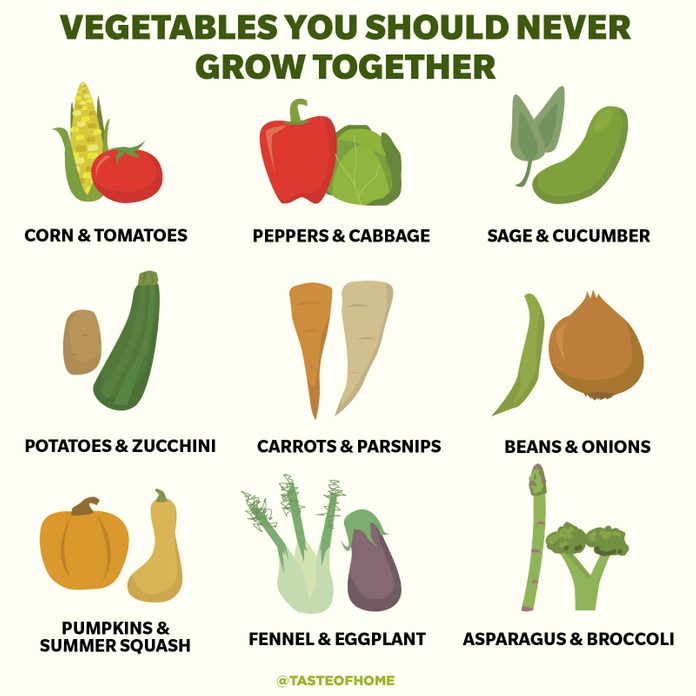
Garlic is a popular plant in home gardens known for its strong flavor and numerous health benefits. However, not all plants thrive when grown near garlic. Certain plants may struggle due to allelopathic properties, competition for nutrients, or susceptibility to the same pests and diseases. Here is a detailed overview of what should not be planted close to garlic.
1. Beans
Planting beans near garlic can be detrimental to both crops. Garlic contains compounds that may hinder the growth of legumes like beans, leading to reduced yields.
- Antagonistic properties: Garlic's compounds can impede the growth of beans.
- Nutrient competition: Both plants may compete for similar soil nutrients.
- Pest attraction: Growing them together can attract pests that affect both plants.
2. Onions
Though garlic and onions share similar growing environments, they should not be planted together. Both belong to the Allium family, and their proximity can lead to increased susceptibility to diseases.
- Disease spread: Close planting can make both more susceptible to diseases like downy mildew.
- Pest issues: They can attract the same pests, which increases the chance of infestation.
- Dissimilar needs: Differences in water and nutrient requirements can affect their growth.
3. Sage
Sage and garlic do not make good companions in the garden. Sage can inhibit the growth of garlic due to its oils and fragrances, which interfere with garlic's development.
- Growth inhibition: The strong aroma of sage may hinder garlic's growth.
- Pest problems: Planting them together can invite pests that target both plants.
- Space requirements: Sage requires more space for airflow, which can hinder garlic's growth.
4. Asparagus
Asparagus should also not be planted near garlic. They have conflicting growth patterns and can compete for resources.
- Resource competition: Both plants will compete for nutrients and water.
- Growth interference: Their differing growth rates can inhibit the development of garlic.
- Pest vulnerability: They can attract common pests, increasing the risk of infestation.
5. Potatoes
Potatoes and garlic are not compatible in the garden because they may share similar pests and can compete for nutrients.
- Pest attraction: Both plants are prone to attacks from the same pests.
- Nutrient competition: Potatoes may absorb nutrients from the soil that garlic needs.
- Diseases: Both crops can harbor similar diseases, increasing the risk of contamination.
Questions from Our Readers
How close together can I plant my garlic?
Garlic should typically be planted about 6 to 8 inches apart to allow for proper growth and air circulation. Planting them too close can lead to competition for nutrients and result in smaller bulbs.
Can I plant garlic in rows, and if so, how far apart should the rows be?
Yes, when planting in rows, it is recommended to space the rows about 18 to 24 inches apart. This spacing allows enough room for the plants to grow and makes it easier to cultivate and harvest them later.
See also:
What factors should I consider when deciding how close to plant garlic?
Several factors influence how close you can plant garlic, including the variety of garlic, the soil quality, and the growing conditions. Healthy soil and adequate sunlight will allow closer spacing without compromising bulb size.
Can I plant garlic too close together?
Yes, planting garlic too close together can lead to poor development of bulbs due to competition for nutrients and water. Aim for proper spacing to ensure each plant has the resources it needs to grow to its full potential.

If you want to read more articles like How Close Together Can I Plant My Garlic? A Guide to Optimal Spacing for Healthy Growth, we recommend you check out our Garlic category.
Leave a Reply
Related Articles