Does Vinegar Work as a Fungicide? Exploring Its Effectiveness and Uses
Vinegar, a common kitchen staple, has garnered attention beyond its culinary uses, particularly in the realm of natural gardening and home remedies. As concerns about chemical fungicides rise, many enthusiasts are turning to vinegar as a potential alternative for combating fungal infections. This article delves into the effectiveness of vinegar as a fungicide, examining its properties, the types of fungi it may target, and practical applications for both indoor and outdoor use. By exploring scientific insights and anecdotal evidence, we aim to provide a comprehensive understanding of whether vinegar truly stands up as an effective solution against fungal threats.
Does Vinegar Work as a Fungicide?
Vinegar, particularly white vinegar and apple cider vinegar, has been commonly touted as a natural fungicide due to its acidity, which can create an inhospitable environment for certain types of fungi. The active ingredient in vinegar, acetic acid, is known to have antimicrobial properties that can help inhibit the growth of certain fungal pathogens. While there is some evidence supporting the effectiveness of vinegar in controlling mildew, mold, and other fungal issues on surfaces or plants, its effectiveness can vary greatly depending on the type of fungus and the concentration of vinegar used. It is generally considered more effective as a preventative measure rather than a cure for established fungal infections.
How Does Vinegar Kill Fungi?
Vinegar kills fungi primarily through its acetic acid content, which lowers the pH of the environment, making it difficult for many fungal species to thrive. When applied directly to affected areas, vinegar can penetrate fungal cells, disrupting their metabolic processes and ultimately leading to cell death. The antimicrobial properties of vinegar also play a role in inhibiting the growth of certain fungi by damaging their cell walls. However, it's important to note that vinegar may not be effective against all types of fungi and is best used for light infestations.
Types of Vinegar for Fungal Control
Various types of vinegar can be used for fungal control, with white vinegar and apple cider vinegar being the most popular. White vinegar is often chosen for its higher acidity level, typically ranging from 4% to 7% acetic acid, making it more potent against fungi. Apple cider vinegar, while slightly less acidic, is also effective and has the added benefit of being gentler on plants and surfaces. Other types, such as balsamic or wine vinegar, are less commonly recommended due to their lower acidity and potential additives that may not serve the purpose of a fungicide.
Application Methods for Vinegar as a Fungicide
To use vinegar as a fungicide, it can be applied in several ways. One common method is to dilute the vinegar with water, typically in a 1:1 ratio, and spray it directly onto the affected surfaces or plants. It's essential to ensure that the area remains damp for an extended period to maximize the vinegar's effectiveness. For household surfaces, soaking a cloth with vinegar solution and wiping surfaces can be beneficial. However, when using vinegar on plants, it's advisable to test on a small area first to ensure it does not damage the plant tissue.
Limitations of Vinegar as a Fungicide
While vinegar can be effective against some fungal infections, it has notable limitations. Its effectiveness significantly decreases against more resilient fungal species, particularly those that have established deep-rooted infections. Additionally, vinegar may not penetrate the surface well enough to reach some fungi and can also damage certain sensitive plants if used excessively. For serious cases of fungal infections, traditional chemical fungicides may be required as they are specifically formulated to target a broader spectrum of fungal pathogens.
Comparing Vinegar to Commercial Fungicides
When comparing vinegar to commercial fungicides, several factors come into play. Commercial fungicides are designed with specific active ingredients that can effectively target a wider range of fungal pathogens and are often formulated for long-lasting protection. Vinegar, on the other hand, is a natural solution that may be more environmentally friendly, but its effectiveness is generally limited to minor issues. While vinegar can be a useful tool in a holistic approach to fungal control, it may not provide the same level of assurance as professionally manufactured products.
| Type of Vinegar | Acidity Level | Best Use |
|---|---|---|
| White Vinegar | 4-7% | General Fungal Control |
| Apple Cider Vinegar | 4-6% | Gentler on Plants |
| Balsamic Vinegar | 3-5% | Not Recommended |
How to use vinegar as fungicide?

Using vinegar as a fungicide can be an effective and natural way to combat fungal infections in plants and other surfaces. Vinegar, particularly white vinegar and apple cider vinegar, contains acetic acid, which is known for its antifungal properties. Here's how to utilize vinegar as a fungicide effectively.
1. Understanding the Properties of Vinegar
Vinegar is a sour liquid produced by fermenting ethanol. The primary active component in vinegar is acetic acid, which gives it its distinctive smell and antifungal capabilities. When applied to plants or surfaces affected by fungus, acetic acid works by altering the pH level, creating an environment that is less conducive to fungal growth.
- Acetic acid concentration in vinegar can vary; white vinegar typically contains about 5% acetic acid.
- Higher concentrations of vinegar, such as those used for cleaning, may be more effective but should be used with caution.
- Vinegar can be used on a variety of surfaces, including plants, soil, and household items.
2. Preparing the Vinegar Solution
To use vinegar as a fungicide, it must be diluted to ensure that it is effective yet safe for the plants or surfaces being treated. A common ratio is a mix of one part vinegar to three parts water. This dilution will help mitigate the harshness of the vinegar while still leveraging its antifungal properties.
- Measure one part vinegar and three parts water in a spray bottle.
- Mix the solution thoroughly to ensure an even distribution of vinegar.
- Optionally, add a teaspoon of liquid soap to help the solution adhere to surfaces better.
3. Application Methods
Applying the vinegar solution can be done effectively through spraying or direct application. It is recommended to spray the solution on affected areas, ensuring even coverage. Be careful not to over-saturate the plants, as excessive moisture can promote further fungal growth.
- Identify the areas affected by fungus and make sure to treat both the top and underside of leaves.
- Spray the solution early in the morning or late in the afternoon to avoid leaf burn from the sun.
- For stubborn infections, apply the solution every few days until the issue is resolved.
4. Safety Precautions
While vinegar is a natural product, it is crucial to take certain precautions to ensure safety for plants and humans alike. Some plants are more sensitive to vinegar than others and may react negatively if exposed to high concentrations.
See also:
- Test the solution on a small, inconspicuous area before applying it widely.
- Wear gloves and avoid contact with eyes to prevent irritation.
- Keep the area well-ventilated when spraying vinegar indoors.
5. Effectiveness and Limitations of Vinegar as a Fungicide
Vinegar can be effective against certain types of fungi, but its effectiveness can vary based on the specific fungus and the environmental conditions. It is most effective on superficial fungal infections rather than deep-rooted ones.
- Vinegar is best used for mild to moderate fungal infections.
- It may not be effective against all pathogens; consider professional fungicides for severe infestations.
- Continuous monitoring of the affected plants is necessary to determine if further treatment is needed.
How long does it take for vinegar to get rid of fungus?
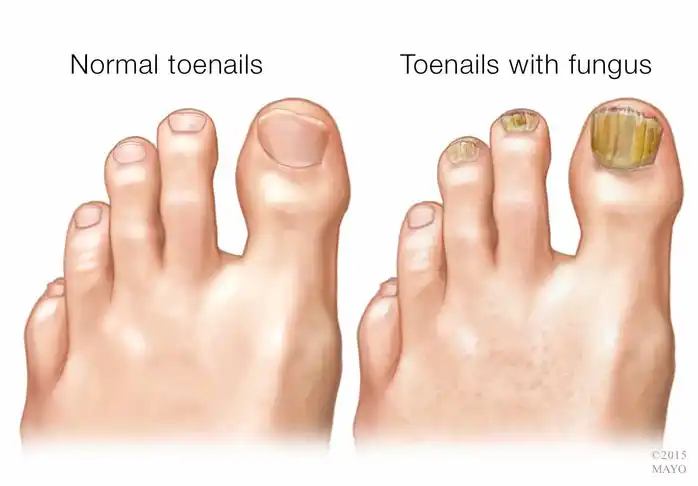
The time it takes for vinegar to get rid of fungus can vary significantly based on several factors, including the type of fungus, the concentration of the vinegar, and the method of application. Vinegar, particularly white vinegar or apple cider vinegar, is known for its acidity, which can help inhibit the growth of fungi.
Typically, if applied correctly, vinegar can start to work within a few hours. However, for more persistent fungi like mold or athlete’s foot, it may take several days of repeated applications to achieve noticeable results. The suggested routine generally involves soaking the affected area or item in vinegar for at least 30 minutes to a few hours, and then allowing it to dry.
It is essential to ensure the vinegar is used often and adequately to see improvements over time. Here are some related aspects to consider.
Factors Influencing Effectiveness
The effectiveness of vinegar against fungus can be influenced by several key factors:
- Type of Fungus: Different fungi can react differently to vinegar; some may be more resistant.
- Concentration: Higher concentrations of vinegar (like cleaning vinegar) may be more effective than standard vinegar.
- Duration of Application: Prolonged exposure often yields better results.
Use of Vinegar in Different Environments
The environment can play a critical role in how quickly vinegar can eliminate fungus:
- Indoor Areas: Mold growing in damp indoor areas may respond sooner to vinegar treatments due to the enclosed nature of the space.
- Outdoor Use: Fungus on outdoor surfaces might require multiple treatments due to exposure to the elements.
- Temperature and Humidity: Higher temperatures and humidity levels can either enhance vinegar's effectiveness or contribute to more stubborn fungal growth.
How to Apply Vinegar for Best Results
Applying vinegar effectively is essential to maximize its antifungal properties:
- Direct Application: Apply vinegar directly onto the affected area with a spray bottle or cotton ball.
- Soaking: For items like shoes or fabrics, soaking in vinegar can be more effective.
- Reapplication: Consistent reapplication is necessary—ideally, treat the area once or several times a day.
Additional Remedies to Combine with Vinegar
Combining vinegar with other remedies may enhance its antifungal effects:
- Baking Soda: Adding baking soda can create a stronger antifungal treatment when used alongside vinegar.
- Essential Oils: Oils like tea tree and lavender oil can be mixed with vinegar for added benefits.
- Hydrogen Peroxide: Using hydrogen peroxide in tandem with vinegar can target resistant fungal strains.
Precautions When Using Vinegar
Taking precautions is important when using vinegar to avoid irritation or damage:
- Skin Irritation: Always perform a patch test, especially for skin applications.
- Material Damage: Be cautious when applying vinegar to certain surfaces as it can damage natural stone and some fabrics.
- Ventilation: Ensure the area is well-ventilated when using vinegar in larger spaces to prevent overpowering odors.
Can you spray vinegar on plants for fungus?
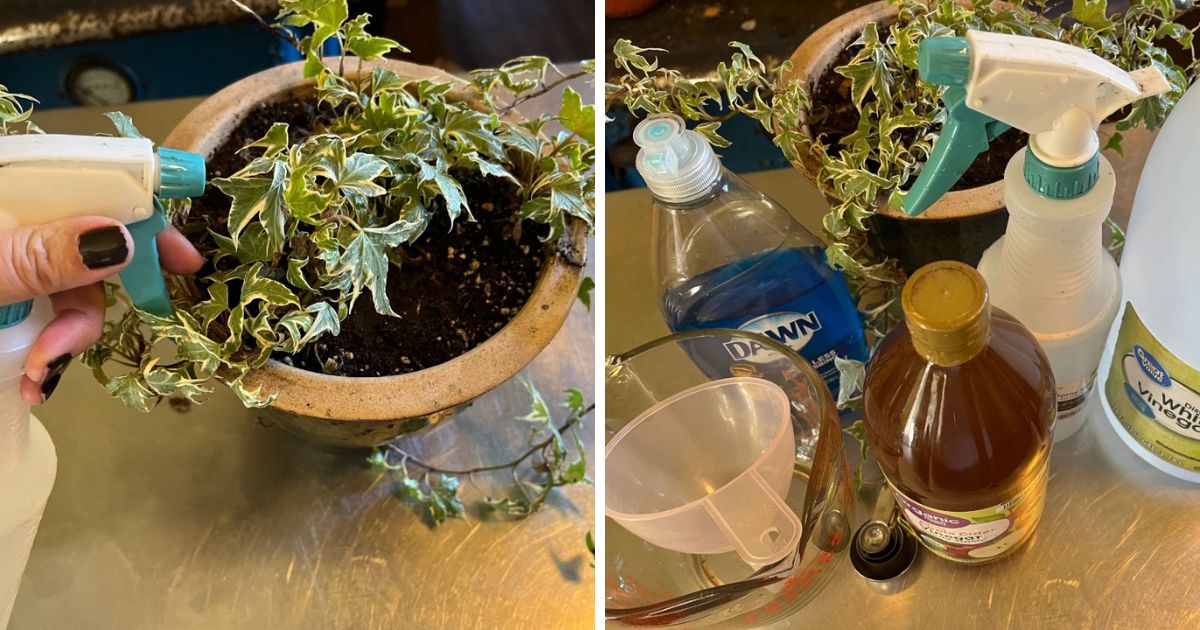
Yes, you can spray vinegar on plants to help combat fungus, but it's essential to use it cautiously. Vinegar, particularly white vinegar, contains acetic acid, which can have antifungal properties. However, it can also potentially damage plants if used in high concentrations or too frequently. It's important to dilute the vinegar before applying it to the plants. A common ratio is mixing one part vinegar with three parts water. Here’s how vinegar can be useful for plants dealing with fungal infections:
Benefits of Vinegar for Fungal Control
Vinegar can be beneficial for controlling fungal infections in plants due to its acidity. The acid can create an environment that is inhospitable to many fungal pathogens. Here’s a list of its benefits:
See also:
- Natural Solution: Vinegar provides an organic method for treating fungal issues without relying on synthetic chemicals.
- Cost-effective: Vinegar is inexpensive and widely available, making it accessible for most gardeners.
- Multiple Uses: Besides treating fungus, vinegar can also be used as an insect repellent or herbicide.
Types of Vinegar to Use
While most household vinegars can technically be used, some are more effective than others. It’s crucial to choose the correct type for your plants and the specific fungal problem. The following types are commonly used:
- White Vinegar: The most common type, effective against a variety of fungi.
- Apple Cider Vinegar: Contains additional nutrients and is milder on plants, though still effective against fungi.
- Rice Vinegar: Milder than white vinegar but can be used for a gentler treatment option.
How to Apply Vinegar Safely
Proper application is crucial to ensure that vinegar benefits the plants without causing damage. Here’s a method to apply vinegar safely:
- Mix the solution: Combine one part vinegar with three parts water.
- Test First: Apply the diluted solution on a small area of the plant and wait for 24 hours to check for any adverse reactions.
- Apply in moderation: Spray the affected areas sparingly, preferably in the early morning or late afternoon to minimize plant stress.
Signs of Overexposure
Applying too much vinegar can be detrimental to plants, leading to various symptoms of overexposure. Look for these signs to know if the vinegar application is excessive:
- Leaf Burn: Leaves may turn brown or crispy, indicating that the acid has damaged the foliage.
- Wilting: Excessive application can lead to wilting, as the plant struggles to absorb water.
- Growth Stasis: The plant may stop growing or exhibit stunted growth due to stress from the vinegar.
Alternatives to Vinegar for Fungus Control
If using vinegar does not seem suitable for your plants or if the effects are not satisfactory, consider other fungal control methods. Alternatives include:
- Baking Soda: Mixing baking soda with water can create a less acidic treatment option with antifungal properties.
- Coconut Oil: Known for its antifungal capabilities, it can be mixed with water and applied to affected areas.
- Neem Oil: A natural pesticide and fungicide that helps in managing fungal diseases effectively.
What is the best homemade fungicide?

The best homemade fungicide can vary depending on the type of plants you are dealing with and the specific fungal issues they face. However, a highly effective and popular option is a combination of baking soda and water, which helps to raise the pH level on plant surfaces, making it less conducive to fungal growth.
Ingredients Needed for Baking Soda Fungicide
To prepare an effective baking soda fungicide, gather the following ingredients:
- Baking soda: This is the primary ingredient known for its fungicidal properties.
- Water: Serves as a solvent to dissolve the baking soda.
- Liquid soap: A few drops can help the solution adhere to plant surfaces.
How to Prepare the Fungicide
Creating this baking soda fungicide is straightforward. Follow these steps for effective application:
- Mix 1 tablespoon of baking soda with 1 gallon of water.
- Add a few drops of liquid soap to the solution.
- Stir the mixture thoroughly to ensure the baking soda is completely dissolved.
Application Methods
Applying your homemade fungicide correctly is essential for effectiveness. You can choose one of the following methods:
- Spray Bottle: Use a spray bottle for targeted spraying on affected areas.
- Soil Drench: Pour the solution directly onto the soil to combat root rot fungi.
- Timing: Apply in the early morning or late afternoon to avoid sun damage to the plant.
Benefits of Using Homemade Fungicide
Choosing homemade solutions like baking soda comes with several benefits:
- Cost-effective: Typically much cheaper than commercial fungicides.
- Environmentally friendly: Safer for the environment and non-toxic to plants.
- Readily available: Ingredients are commonly found in households.
Limitations and Considerations
While effective, homemade fungicides also come with some limitations that should be noted:
- Not a cure-all: May not be effective against every type of fungus.
- Potential for leaf burn: Over-application or wrong timing can harm plants.
- Regular application: Requires consistent treatments for lasting effects.
Questions from Our Readers
Does vinegar effectively kill fungi?
Vinegar, particularly white vinegar, is known for its potential to act as a mild fungicide. It contains acetic acid, which can create an environment that is unfavorable for fungal growth. However, while vinegar may help in managing minor fungal issues, it is not a guaranteed solution for all types of fungi and may not be as effective as commercial fungicides.
How do I use vinegar as a fungicide?
To use vinegar as a fungicide, mix equal parts of vinegar and water in a spray bottle. Apply this solution directly to the affected areas, ensuring it penetrates the affected plant tissue or surface. For best results, soak the area and repeat the treatment every few days until the fungal growth is eliminated.
See also:
Is vinegar safe for all plants?
While vinegar can be a natural remedy for several fungal problems, it is important to note that the acidity of vinegar can be harmful to some plants. Always test the solution on a small area before full application, and avoid using it on sensitive plants or in concentrated form, as it may lead to leaf burn or damage.
Can I use different types of vinegar for fungal control?
Different types of vinegar, such as apple cider vinegar and white vinegar, can all be used for fungal control. However, white vinegar is generally preferred due to its higher acidity level, which can be more effective against fungi. Regardless of the type, the effectiveness may vary, so it may be best to experiment to find the most suitable option for your specific needs.

If you want to read more articles like Does Vinegar Work as a Fungicide? Exploring Its Effectiveness and Uses, we recommend you check out our Plants category.
Leave a Reply
Related Articles