Does Vinegar Get Rid of Plant Fungus? Discover Effective Solutions!

Fungal infections can wreak havoc on your plants, leading to wilting leaves and stunted growth. As gardeners seek effective and organic solutions, vinegar often comes up as a potential remedy. But does vinegar really get rid of plant fungus? In this article, we will explore the properties of vinegar, how it interacts with different types of fungi, and examine its effectiveness compared to other treatment options. Whether you’re dealing with a minor outbreak or trying to prevent future infestations, understanding the role of vinegar in plant care is essential. Discover effective solutions to protect your garden and keep your plants healthy!
Does Vinegar Get Rid of Plant Fungus?
Vinegar, particularly apple cider vinegar, is often touted as a natural remedy for various plant diseases, including fungal infections. The acetic acid in vinegar is known for its antifungal properties, which can help in combating common issues such as powdery mildew and black spot on leaves. When diluted with water, vinegar can be sprayed on affected plants to help inhibit fungal growth. However, it's important to note that while vinegar can be effective, it should be used with caution as it may also harm some sensitive plants if not properly diluted. Always test a small area first to ensure that the plant can tolerate the vinegar solution.
How to Use Vinegar for Fungal Control?
To effectively use vinegar for fungal control, mix one part vinegar with three parts water and transfer the solution into a spray bottle. Apply it directly onto the affected areas of the plant, ensuring thorough coverage of both the upper and lower surfaces of the leaves. It is best to spray in the early morning or late afternoon to avoid leaf burn, as vinegar can have a caustic effect under strong sunlight. Regular application, about once a week, may be necessary until the fungus is under control. Remember to monitor your plants closely for signs of recovery or adverse effects.
What Types of Fungal Infections Can Vinegar Treat?
Vinegar is effective against several types of fungal infections that commonly affect plants, including powdery mildew, downy mildew, and root rot. Powdery mildew appears as white, powder-like spots on leaves and can be remedied by using the vinegar solution as described above. Downy mildew manifests as yellow patches on leaves and, similar to powdery mildew, can be treated with vinegar. Root rot, caused by waterlogged conditions, may also see improvement when using vinegar, but it is crucial to address the underlying watering issues to prevent recurrence.
Are There Risks to Using Vinegar on Plants?
While vinegar can be beneficial in treating plant fungus, there are some significant risks involved. The acidity of vinegar can damage the foliage of sensitive plants if applied too frequently or undiluted. Signs of damage include browning edges, curling leaves, or even plant death in extreme cases. Additionally, vinegar does not discriminate and may also kill desirable beneficial microorganisms in the soil or on the plant surface, potentially leading to further plant stress. Therefore, it’s advisable to use vinegar sparingly and ensure that your plants are able to withstand its use.
Alternative Natural Remedies for Plant Fungal Issues
If vinegar is not yielding the results you desire, there are several alternative natural remedies for plant fungal issues. These include using baking soda solutions, which can help create an alkaline environment that is less hospitable to fungus, or copper fungicides, which are effective for treating a variety of fungal infections. Neem oil is another popular option that can disrupt the life cycle of fungal spores without harming the plant. Each alternative has its own set of benefits and potential risks, so thorough research is essential before application.
When to Seek Professional Help for Plant Fungi?
If home remedies like vinegar fail to control the fungal problems in your plants and the infection spreads aggressively, it may be time to seek professional help. Additionally, if you notice unusual symptoms that do not match typical fungal infections, such as stunted growth, wilting, or leaf drop, consulting a plant health expert or agronomist can provide guidance. Early intervention can make a significant difference, as many fungal infections can lead to severe damage if not addressed promptly.
| Type of Fungal Infection | Vinegar Treatment | Signs of Effectiveness |
|---|---|---|
| Powdery Mildew | Vinegar solution spray | Reduction in white spots |
| Downy Mildew | Vinegar solution spray | Improvement in leaf color |
| Root Rot | Vinegar in soil | Drier soil conditions |
How long does it take for vinegar to get rid of fungus?
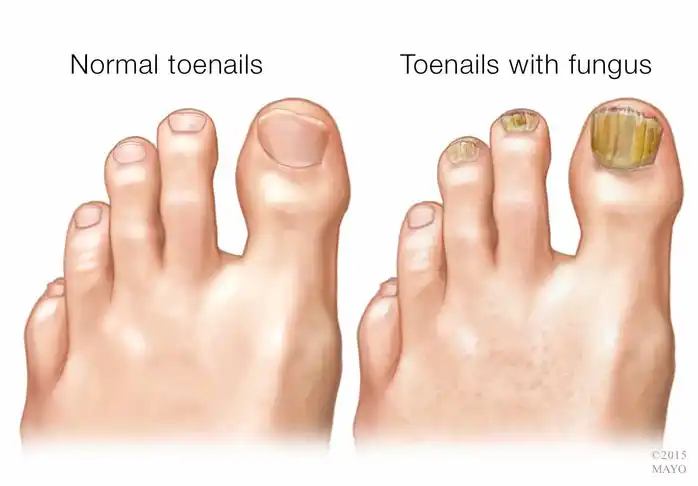
The time it takes for vinegar to get rid of fungus can vary significantly based on several factors, including the type of fungus, the concentration of the vinegar, and the method of application. Generally, vinegar, particularly white vinegar or apple cider vinegar, is known for its antifungal properties due to its acetic acid content. While it may not completely eliminate all types of fungal infections, it can be effective in reducing their presence.
Typically, noticeable results can be observed after several applications over a period of days to weeks. For best results, it's recommended to apply vinegar regularly—usually twice a day—until the fungal infection is under control. Full eradication of the fungus might take anywhere from one week to several weeks depending on the severity of the fungal issue.
Effectiveness of Vinegar Against Different Types of Fungi
Vinegar is recognized for its versatility in dealing with various types of fungi, including athlete's foot, nail fungus, and mold.
- Athlete's Foot: Generally, applying vinegar can begin to show effects within a week.
- Nail Fungus: This may take longer, potentially several weeks to see significant improvement.
- Mold: Vinegar can kill some mold types quickly, often within a few hours of application.
Application Methods for Vinegar
There are various methods to apply vinegar for antifungal purposes, and these methods can influence the time required for effectiveness.
- Soaking: Soaking affected areas in vinegar for 15-30 minutes is a preferred method, especially for feet.
- Direct Application: Applying vinegar using a cotton ball directly on the affected area can yield faster results.
- Spray Application: For larger mold infestations, spraying vinegar can cover more surface area quickly.
Factors Influencing Duration of Effectiveness
Several factors can affect how quickly vinegar works to eliminate fungus, including:
See also:
- Concentration: A higher acetic acid concentration in vinegar may produce quicker results.
- Frequency of Application: More regular applications can lead to faster resolution.
- Severity of Infection: A more severe fungal infection may require more time and repeated treatments.
Additional Treatments to Complement Vinegar
Using vinegar alone may not be sufficient for all fungal infections. Other treatments can support the antifungal effects of vinegar.
- Essential Oils: Tea tree oil or oregano oil can enhance antifungal properties.
- Over-the-Counter Treatments: Combining vinegar with antifungal creams can provide faster relief.
- Good Hygiene Practices: Keeping affected areas clean and dry can improve treatment efficacy.
Safety Considerations When Using Vinegar
While vinegar is generally safe, there are precautions to keep in mind when using it for fungal infections.
- Skin Sensitivity: Some individuals may experience irritation. A patch test should be conducted.
- Concentration Recommendations: Use diluted vinegar (usually 1:1 with water) for sensitive skin.
- Medical Advice: Consult with a healthcare professional for severe fungal infections to avoid complications.
Can you spray vinegar on plants for fungus?

Yes, you can spray vinegar on plants to help combat fungus. However, it is essential to use it carefully, as vinegar is acidic and can potentially harm your plants if not diluted properly. The acetic acid in vinegar can kill some types of fungi and can help restore a more balanced pH in the soil, which discourages fungal growth. When using vinegar, ensure that you dilute it with water to reduce its acidity; a common ratio is one part vinegar to three parts water. Additionally, it’s wise to test the solution on a small area of the plant first to see how it reacts before applying it more broadly.
Effectiveness of Vinegar Against Fungal Issues
The effectiveness of vinegar in treating fungal issues largely depends on the type of fungus and the concentration used. Vinegar can be particularly useful against powdery mildew and some other common fungal infections.
- Acidity Level: The level of acidity in vinegar can affect its fungicidal properties, with higher concentrations generally being more effective.
- Type of Fungus: Certain fungi may be more susceptible to vinegar, while others may not respond as effectively.
- Application Method: How and when you apply vinegar can also influence its effectiveness; for instance, treating plants in the evening can reduce leaf burn from sunlight.
Risks Associated with Using Vinegar on Plants
While vinegar can help manage fungal problems, it does pose some risks if not used correctly. The primary concern is its potential to harm the plant if applied in excessive amounts or concentrations.
- Leaf Burn: High concentrations of vinegar can cause leaf curl, burn, or even kill young plants.
- Soil pH Alteration: Frequent vinegar application can alter the soil pH significantly, affecting nutrient availability for the plants.
- Impact on Beneficial Organisms: Vinegar may also harm beneficial microorganisms in the soil that help plants thrive.
How to Prepare Vinegar Solution for Plants
Preparing a vinegar solution for use on plants requires a careful approach to ensure effective treatment while minimizing harm. A diluted solution is typically recommended.
- Dilution Ratio: A recommended dilution is 1 part vinegar to 3 parts water.
- Mixing: Use a spray bottle or garden sprayer to mix the solution thoroughly before application.
- Testing: Always test the solution on a small area before full application to check for any adverse reactions.
Alternative Natural Remedies for Fungus
If you're concerned about the potential risks of using vinegar, several alternative natural remedies also effectively combat fungal issues on plants.
- Baking Soda: A baking soda solution can create a less acidic environment that inhibits fungal growth.
- Neem Oil: Neem oil is a natural pesticide that can help manage fungal infections and is safe for many plants.
- Garlic Spray: Garlic contains natural fungicidal properties and can be used as a preventative measure against fungal infections.
Best Practices for Vinegar Usage on Plants
Implementing best practices when using vinegar can minimize risks and enhance its effectiveness against fungal problems.
- Timing: Apply the solution during the cooler parts of the day, such as early morning or late evening, to prevent leaf burn.
- Frequency: Limit applications to once a week to avoid overexposure to acid.
- Stay Observant: Monitor the plants after application for signs of distress or improvement to adjust your approach as necessary.
Can you spray vinegar directly on plants?

While it might be tempting to use vinegar as a natural herbicide or pest control solution in your garden, applying it directly to plants can lead to adverse effects. Vinegar contains acetic acid, which can be harmful to many plants when sprayed directly. Here’s a detailed look at the considerations and effects of using vinegar directly on plants.
Understanding Vinegar's Composition
Vinegar is composed mainly of acetic acid and water, with common concentrations in household vinegar being around 5% acetic acid. When applied to plant foliage, this acidity can damage the plant tissues:
- Vinegar can cause burns on the leaves.
- High concentrations may lead to plant wilting and death.
- It is more effective as a non-selective herbicide, affecting all plants it contacts.
Effects on Different Types of Plants
The impact of vinegar varies significantly based on the type of plant it is applied to:
See also:
- Weeds: Vinegar can effectively kill many common weeds.
- Vegetables: It may harm edible plants, preventing growth.
- Flowers: Delicate blooms are particularly susceptible to damage.
Vinegar as a Pest Control
Some gardeners use vinegar to deter pests due to its strong smell and acidity. However, the effectiveness and safety depend on usage:
- Repellent Qualities: Vinegar can repel certain insects effectively.
- Direct Application: Spraying directly can harm beneficial insects as well.
- Best Practices: Consider using vinegar as a cleaning agent for tools instead.
Alternative Vinegar Solutions for Gardening
Instead of spraying directly on plants, there are safer ways to utilize vinegar in gardening:
- Diluted Solutions: Mix vinegar with water to reduce its acidity.
- Spot Treatment: Target weeds or unwanted plants with a focused spray.
- Cleaning Tools: Use vinegar to disinfect gardening tools without harming plants.
Safe Application Methods
If you still want to use vinegar in your garden, consider these safer application methods:
- Use a dilution: Mix vinegar with water in a 1:1 ratio.
- Avoid windy days: To prevent drift onto desirable plants.
- Test on small areas: Gauge the response of specific plants before widespread application.
How to get rid of fungus in plants?
:max_bytes(150000):strip_icc()/powdery-mildew-1402500_FINAL-132e55a8e24b4392a79a41a3791e01b5.png)
Getting rid of fungus in plants is essential to maintain their health and vitality. Fungal infections can disrupt growth, inhibit photosynthesis, and even lead to plant death if left untreated. Here are several effective methods to combat and eliminate fungi in your plants:
Identify the Type of Fungus
The first step in addressing a fungal issue is to correctly identify the type of fungus affecting your plants. Different fungi require specific treatments. Common fungal infections include:
- Powdery Mildew: Characterized by white, powdery spots on leaves.
- Root Rot: Often caused by overwatering and poor soil drainage.
- Leaf Spot: Appears as dark brown or black spots on the leaves.
Improve Air Circulation
Fungi thrive in humid environments with poor air circulation. Enhancing airflow around your plants can significantly reduce fungal growth. To improve air circulation:
- Space out plants adequately to allow for airflow.
- Prune any dense foliage that obstructs air movement.
- Consider using fans in indoor settings to maintain airflow.
Watering Techniques
Proper watering is crucial in preventing fungal infections. Overwatering or wetting the foliage can create a breeding ground for fungi. To manage watering effectively:
- Water plants in the morning to allow excess moisture to evaporate.
- Avoid watering the leaves; focus on the soil.
- Use pots with drainage holes to prevent stagnant water.
Use Natural Fungicides
There are several natural remedies that can be effective against fungal infections. These solutions are often safer for plants and the environment. Some common natural fungicides include:
- Baking Soda: Mix one tablespoon of baking soda with water to create a spray.
- Neem Oil: This oil is extracted from the seeds of the neem tree and is an effective natural fungicide.
- Cinnamon: Sprinkling cinnamon can help prevent fungal growth due to its antifungal properties.
Fungicide Treatments
In cases of severe fungal infections, chemical fungicides may be necessary. When using chemical treatments, it's important to follow safe practices:
- Choose a fungicide that is appropriate for the specific type of fungus.
- Always read and follow the application instructions on the label.
- Wear protective gear such as gloves and a mask when applying.
Questions from Our Readers
Does vinegar effectively kill all types of plant fungus?
Vinegar may be effective against some types of plant fungus, particularly those that are superficial, but it is not a guaranteed solution for all fungi. The acidity of vinegar can create an inhospitable environment for certain types of fungal growth. However, more resilient fungi may require stronger fungicides for complete eradication.
What concentration of vinegar should I use to treat plant fungus?
To treat plant fungus, a common recommendation is to use a diluted solution of vinegar, typically a mixture of one part vinegar to three parts water. This dilution helps to minimize potential damage to the plant while still providing antifungal properties. Testing on a small area first is advisable to ensure that the plant tolerates the solution.
How often can I apply vinegar to my plants for fungus control?
It is generally advisable to apply vinegar solutions once a week or as needed, depending on the severity of the fungal issue. Overuse can lead to damage to the plant, so monitoring the plant's response and adjusting the frequency of applications is crucial for effective management.
See also:
Are there any risks associated with using vinegar on plants?
Yes, there are potential risks when using vinegar on plants, particularly if used in high concentrations. Vinegar can cause leaf burn or damage to sensitive plants if applied directly or too frequently. It's essential to use it carefully and consider other fungal treatments if you notice signs of damage.

If you want to read more articles like Does Vinegar Get Rid of Plant Fungus? Discover Effective Solutions!, we recommend you check out our Plants category.
Leave a Reply
Related Articles