Do Vinegar Remove Fungus? Exploring the Effectiveness of Vinegar for Fungal Infections

Vinegar, a common household item, has long been praised for its versatility and potential health benefits. Among its many uses, the question of whether vinegar can effectively combat fungal infections has drawn significant interest. With its natural antifungal properties, some suggest that vinegar may offer a simple and accessible solution to various fungal issues, from skin infections to nail fungus. In this article, we will explore the effectiveness of vinegar in removing fungi, examining scientific studies, anecdotal evidence, and practical applications. By delving into the potential of vinegar as a home remedy, we aim to provide a comprehensive understanding of its role in fungal treatment.
Does Vinegar Remove Fungus?
Vinegar is often touted as a natural remedy for various ailments, including fungal infections. The main ingredient in vinegar, acetic acid, has antifungal properties that can inhibit the growth of certain types of fungi. When applied topically, vinegar can help reduce the presence of fungus on the skin and in some cases eliminate it entirely. However, its effectiveness can vary based on the type and severity of the fungal infection. It's essential to note that while vinegar can be beneficial for mild infections, more severe cases may require medical treatment.
How Does Vinegar Work Against Fungi?
Vinegar works against fungi primarily due to its acidity. The acetic acid in vinegar creates an inhospitable environment for fungi, reducing their ability to grow and reproduce. This environment disrupts the fungal cell membrane and interferes with its metabolism, which can lead to the death of the fungal cells. It's particularly effective against surface-level infections but may not penetrate deeper tissues.
Types of Fungal Infections Treated with Vinegar
Vinegar is commonly used to address minor fungal infections such as athlete's foot, nail fungus, and ringworm. These types of infections often reside on the skin or surface of the nails, making them more susceptible to the external application of vinegar solutions. For these infections, using a diluted vinegar solution can provide relief by decreasing itchiness and irritation while helping to kill fungal spores.
How to Use Vinegar for Fungal Infections
To use vinegar effectively against fungi, dilute it with water, typically in a ratio of 1:1. Soak a clean cloth in the solution and apply it to the affected area for about 30 minutes, or soak your feet in vinegar water for 20 to 30 minutes daily. This method not only helps remove the fungus but also alleviates any associated symptoms like itching and discomfort. Consistency is key; regular applications can improve results over time.
Potential Side Effects of Using Vinegar
While vinegar is generally safe for topical use, it can cause skin irritation or allergic reactions in some individuals, particularly if used in high concentrations. Symptoms might include redness, burning sensations, or irritation at the site of application. It is advisable to perform a patch test on a small area of skin before widespread use and to discontinue use if any negative reactions occur.
When to Seek Medical Advice
If using vinegar does not yield improvement within a few weeks, or if the infection worsens, it is crucial to seek professional medical advice. Severe fungal infections may require prescription antifungal medications or alternative treatments that are more effective than vinegar. Additionally, persistent symptoms such as pain, swelling, or persistent itching should be evaluated by a healthcare provider to rule out more serious conditions.
| Fungal Infection Type | Treatment Time | Effectiveness |
|---|---|---|
| Athlete's Foot | 1-4 weeks | Moderately Effective |
| Nail Fungus | 4-6 weeks | Varies |
| Ringworm | 1-3 weeks | Effective |
| Yeast Infections | 2-4 weeks | Varies |
How long does vinegar take to kill fungus?

Vinegar, primarily white vinegar or apple cider vinegar, is often touted as an effective natural remedy for various types of fungal infections due to its high acidity. However, the time it takes for vinegar to kill fungus can vary significantly based on several factors, including the type of fungus, concentration of the vinegar, and application method.
Generally, vinegar can start to show effects within one to two hours of application, but achieving full eradication of the fungus may require repeated applications over several days. The acidic nature of vinegar disrupts the cell membrane of fungal cells, leading to their death. However, it is important to note that while vinegar can help in treating mild cases of fungus, it may not be a reliable solution for more severe or persistent infections.
Understanding the Types of Fungus
Different types of fungi respond differently to vinegar treatments.
- Yeast Infections: These are often more sensitive to vinegar and may show improvement within a few hours.
- Surface Fungi: Such as those found on toenails or skin can take several applications over a few days to see results.
- Systemic Fungi: These are much more serious and require medical treatment; vinegar is not effective for these types.
Application Methods for Fungus Treatment
The method of application greatly affects how quickly vinegar works against fungus.
- Direct Application: Soaking or applying vinegar directly to the affected area leads to faster results.
- Soaking: For nails or more extensive areas, soaking in vinegar for 30 minutes can yield better results.
- Spraying: In cases like mold on surfaces, spraying vinegar directly onto the fungus can kill it within a few hours.
Concentration of Vinegar
The concentration of vinegar plays a critical role in its antifungal properties.
See also:
- Household Vinegar: Typically around 5% acetic acid may take longer to kill fungus compared to higher concentrations.
- Stronger Vinegar: Vinegar with 20% acetic acid could be more effective but must be handled with care.
- Dilution: Sometimes, diluting vinegar with water can reduce its effectiveness against stubborn fungi.
Environmental Conditions
The effectiveness of vinegar in killing fungus can also depend on the environment where it's applied.
- Humidity: High humidity can exacerbate fungal growth; vinegar may work faster in drier conditions.
- Temperature: Warm temperatures can also speed up the action of vinegar on fungi.
- Contamination: If the fungus is mixed with dirt or other contaminants, vinegar might not penetrate efficiently.
Safety Considerations When Using Vinegar
While vinegar is generally safe for most people, certain precautions should be taken.
- Skin Irritation: Direct application on sensitive skin can cause irritation; always do a patch test first.
- Inhalation: Avoid inhaling vinegar fumes, especially in poorly ventilated areas.
- Medical Conditions: Individuals with specific health conditions or those on medication should consult a doctor before using vinegar as treatment.
What kills fungus right away?
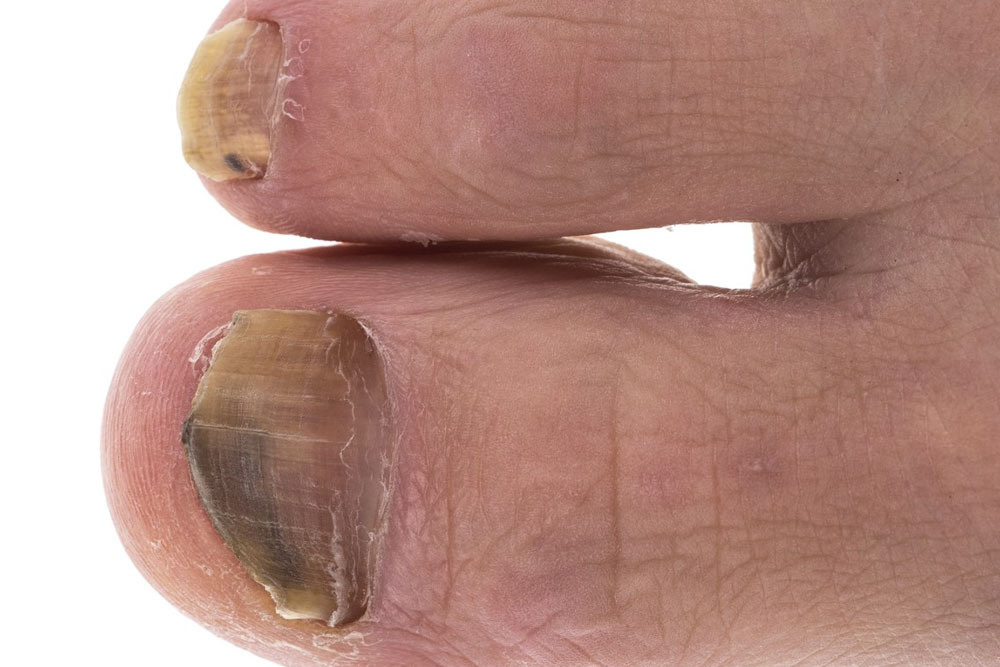
Fungus can be quite stubborn and requires specific methods to eliminate it effectively. One of the most effective ways to kill fungus immediately is by using antifungal agents that contain active ingredients like fluconazole, ketoconazole, or clotrimazole. Additionally, natural remedies such as essential oils like tea tree oil and vinegar can also be effective in destroying fungal spores. Here are some specifics on what kills fungus right away:
1. Antifungal Medications
Antifungal medications are specifically designed to target and kill fungal cells. They can be either topical or systemic, depending on the severity of the infection.
- Topical antifungals work directly on the infected area and provide quick relief.
- Systemic antifungals are prescribed for more severe infections and enter the bloodstream for broader effectiveness.
- Options include itraconazole, terbinafine, and miconazole, which disrupt fungal cell membranes, leading to cell death.
2. Natural Remedies
Natural remedies offer alternative methods for killing fungus without the use of pharmaceutical drugs. They can be effective for minor infections or preventative care.
- Tea Tree Oil: Known for its antifungal properties, it can be applied topically for immediate effects.
- Apple Cider Vinegar: Its acidic nature can help kill fungi and restore skin pH.
- Garlic: Contains allicin, which is antifungal and can help combat infections when consumed or applied topically.
3. Environment Sanitation
Keeping your environment clean and dry is crucial in killing and preventing fungal growth. Contaminated areas can lead to ongoing fungal issues.
- Regular Cleaning: Disinfect surfaces with bleach or vinegar to kill existing fungi.
- Dry Conditions: Fungi thrive in moisture; dehumidifiers can help keep areas dry.
- Proper Ventilation: Open windows and use fans to promote air circulation and reduce humidity.
4. Temperature Control
Temperature plays a significant role in fungal survival. By manipulating environmental temperatures, one can effectively kill off fungi.
- Heat Treatments: High temperatures (over 130°F or 54°C) can kill most fungi within minutes.
- Cold Treatments: Freezing items can also eliminate certain fungal spores, though it's less effective than heat.
- Steam Cleaning: Utilizing steam can kill fungi on surfaces, upholstery, and carpets effectively.
5. pH Level Adjustments
Fungi typically thrive in neutral pH environments. Altering the pH level of a surface can help in killing fungi effectively.
- Acidic Solutions: Using substances like vinegar lowers the pH, making it inhospitable for fungi.
- Basic Solutions: Products containing baking soda can create an environment that is not conducive for fungal growth.
- Maintaining a Balanced pH: Regular checks and adjustments on common surfaces help in fungal prevention.
What happens when feet are soaked in vinegar?
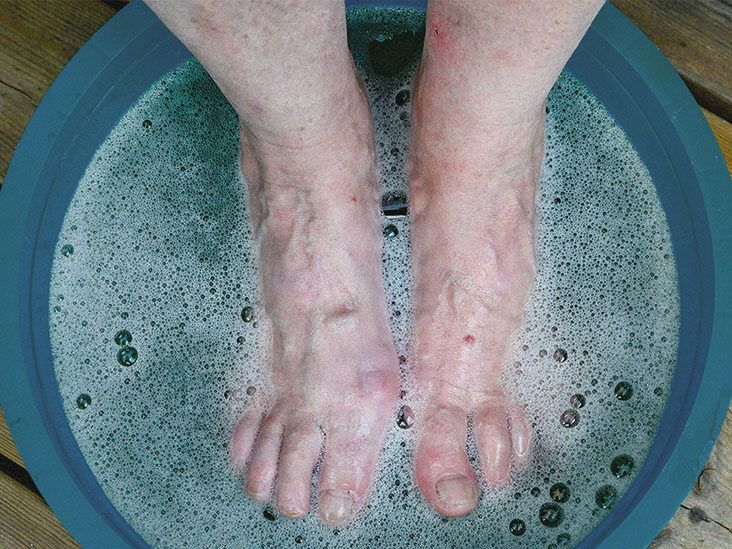
Soaking feet in vinegar can have various effects due to the properties of vinegar, which is primarily composed of acetic acid. This practice is often used in home remedies for several foot ailments and can lead to multiple benefits and considerations.
Benefits of Soaking Feet in Vinegar
Soaking feet in vinegar can provide several benefits that can enhance foot health and comfort. Some of the notable benefits include:
- Antifungal Properties: Vinegar has natural antifungal properties that can help combat fungal infections like athlete's foot.
- Odor Neutralization: The acidity of vinegar can neutralize odors, making it an effective solution for smelly feet.
- Skin Softening: Soaking your feet in vinegar can soften the skin, helping to remove calluses and dry skin.
Method for Soaking Feet in Vinegar
To achieve the desired results, following the correct method for soaking feet in vinegar is essential. Here’s how to perform the soak effectively:
See also:
- Prepare the Solution: Mix one part vinegar (white or apple cider) with two parts warm water in a basin.
- Soak Duration: Place your feet in the solution and soak for approximately 15–20 minutes.
- Rinse and Dry: After soaking, rinse your feet with clean water and dry them thoroughly to prevent any residue.
Potential Side Effects
While vinegar can be beneficial, it may also lead to some side effects. It’s important to be aware of these possible reactions:
- Skin Irritation: Some individuals may experience irritation or a burning sensation, especially if they have sensitive skin or open wounds.
- Dryness: Prolonged soaking can lead to excessive dryness, requiring moisturizing afterwards.
- Allergic Reactions: Rarely, some people may have an allergic reaction to vinegar, resulting in redness or swelling.
Alternatives to Vinegar Soaks
If vinegar soak is not suitable, there are other alternatives that can provide similar benefits for foot care:
- Epsom Salt Soaks: Dissolving Epsom salt in warm water can soothe sore feet and reduce swelling.
- Tea Tree Oil Soaks: Adding a few drops of tea tree oil to warm water can help with fungal issues due to its antibacterial properties.
- Foot Scrubs: Using a gentle foot scrub can help to exfoliate dead skin without the need for vinegar.
When to Consider Vinegar Soaks
Deciding when to use vinegar soaks is important for effective treatment. Some scenarios where vinegar soaks might be beneficial include:
- Post-Workout: After intense physical activity, vinegar soaks can help relax tired feet.
- Before Pedicures: Soaking feet in vinegar before a pedicure can help soften the skin and prepare nails.
- Fungal Concerns: If you suspect fungal growth, vinegar can be a proactive measure to prevent further developments.
Which vinegar is best for antifungal?
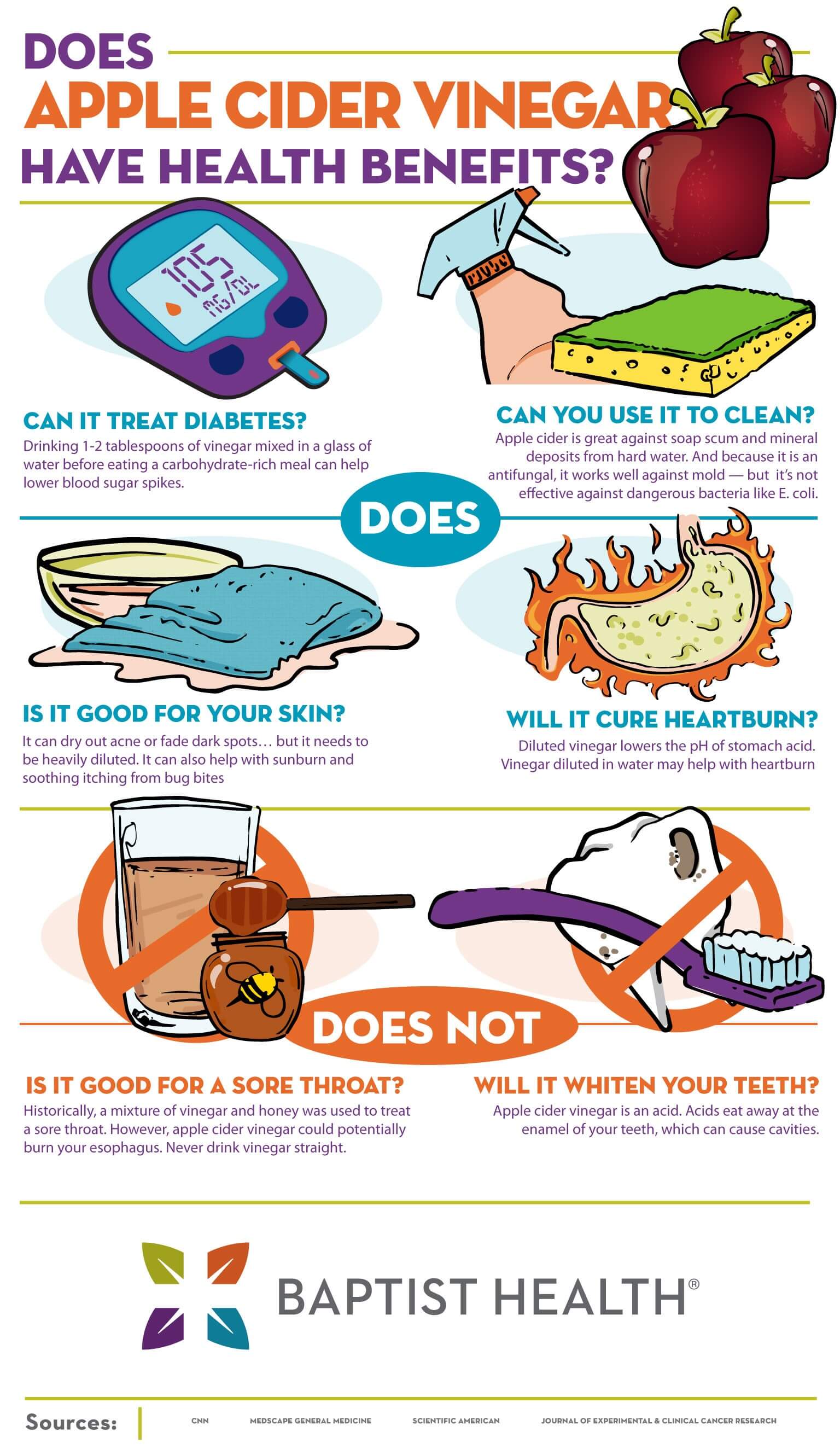
The best vinegar for antifungal purposes is generally considered to be apple cider vinegar. This type of vinegar contains acetic acid, which has been shown to be effective against various fungi, including Candida. Its antifungal properties not only help in treating infections but can also promote a healthy environment for beneficial bacteria.
Health Benefits of Apple Cider Vinegar
Apple cider vinegar has several health benefits that contribute to its antifungal properties:
- Antimicrobial Effects: It can kill harmful pathogens and fungi.
- Supports Digestive Health: Encourages a balance of gut flora, reducing fungal overgrowth.
- Skin Health: May be used topically to soothe and treat fungal skin infections.
Other Types of Vinegar
While apple cider vinegar is the most popular choice, there are other types of vinegar that may also have antifungal properties:
- Balsamic Vinegar: Contains antioxidants and has antibacterial properties.
- Red Wine Vinegar: Contains phenolic compounds that can inhibit fungal growth.
- White Vinegar: Has a strong acidity that may help in killing some types of fungi.
Application Methods
There are various methods to use vinegar for antifungal treatments:
- Topical Application: Dilute vinegar with water and apply to affected areas.
- Soaking: Soak feet or nails in a mixture of vinegar and water to combat fungal infections.
- Ingestion: Adding vinegar to your diet may help balance your body's pH and combat fungi systemically.
Precautions When Using Vinegar
Using vinegar for antifungal treatments comes with certain precautions:
- Skin Irritation: Always perform a patch test before applying vinegar to large areas of skin.
- Not a Replacement: Vinegar should not replace prescribed antifungal medications.
- Consult a Professional: Speak to a healthcare provider for chronic or severe fungal infections.
Research and Evidence
Research supports the antifungal properties of vinegar, particularly apple cider vinegar:
- Studies: Various studies indicate acetic acid's effectiveness against Candida species.
- Laboratory Tests: Laboratory tests show that vinegar can inhibit the growth of several fungi.
- Historical Use: Traditional remedies have utilized vinegar for centuries in treating infections.
Questions from Our Readers
Does vinegar effectively remove fungus?
Vinegar, particularly white vinegar, is known for its antifungal properties, making it somewhat effective against certain types of fungi. It can help to inhibit the growth of fungi on surfaces, but its effectiveness may vary depending on the type of fungus and the severity of the infection.
What types of fungus can vinegar help treat?
Vinegar is particularly useful against superficial fungal infections like athlete's foot and nail fungus. However, for deeper or more serious fungal infections, consulting a healthcare professional is strongly advised.
How should vinegar be applied to remove fungus?
To use vinegar for fungus removal, it is usually applied topically with a cotton ball or diluted with water for larger areas. It is important to allow the vinegar to sit on the affected area for a period of time before rinsing for optimal results.
See also:
Are there any risks or side effects of using vinegar for fungus?
While vinegar is generally safe for most people, it can cause skin irritation in some individuals, especially if used in high concentrations. It is advisable to perform a patch test before full application and discontinuing use if any irritation occurs.

If you want to read more articles like Do Vinegar Remove Fungus? Exploring the Effectiveness of Vinegar for Fungal Infections, we recommend you check out our Plants category.
Leave a Reply
Related Articles